Rapid Prototyping: CNC Machining & Metal Stamping Combo Guide
Introduction to Rapid Prototyping with CNC and Metal Stamping
In the fast-paced world of product development, speed and precision are paramount. Rapid prototyping allows engineers and designers to iterate quickly, test concepts, and bring products to market faster. Combining CNC machining and metal stamping into a single workflow offers a powerful solution for producing high-quality metal prototypes that mimic production parts. This comprehensive guide explores how the synergy of these two manufacturing processes can accelerate your development cycle while maintaining tight tolerances and material integrity.
Understanding the Combo: Why CNC Machining and Metal Stamping?
CNC machining and metal stamping are often viewed as separate technologies, but when used together, they unlock unique advantages. CNC machining excels in creating complex geometries with tight tolerances from solid blocks of material. Metal stamping, on the other hand, is ideal for high-volume production of parts with consistent features. For rapid prototyping, the combo allows you to validate both form and function early in the design phase, reducing the risk of costly changes later.
Key Benefits of the Combined Approach
Speed: CNC machining can produce prototypes quickly without the need for expensive tooling. Metal stamping dies, once made, ensure repeatability for subsequent runs.
Cost-Effectiveness: Avoid unnecessary tooling costs for design iterations. Use CNC for initial prototypes, then transition to stamping for production.
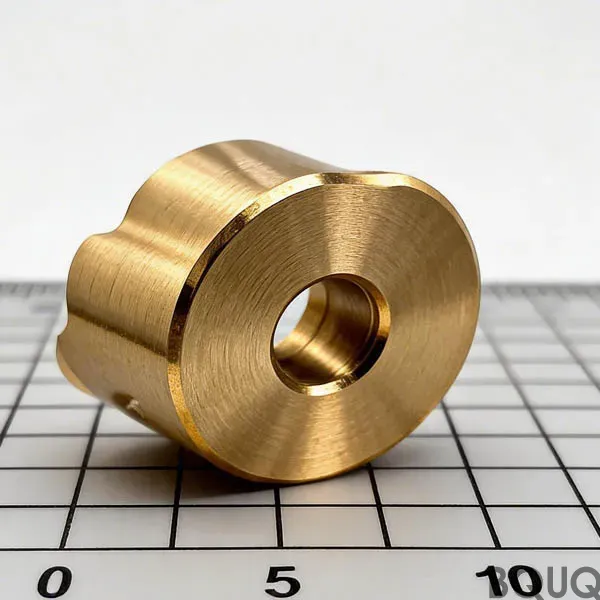
Material Versatility: Both processes handle a wide range of metals including steel, aluminum, brass, and copper alloys.
Precision: CNC machining achieves tolerances as tight as ±0.005 mm, while stamping maintains consistency across large batches.
CNC Machining for Rapid Prototyping
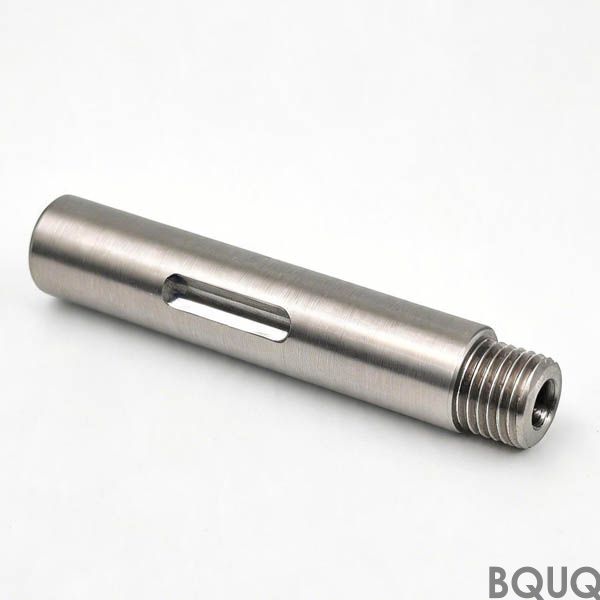
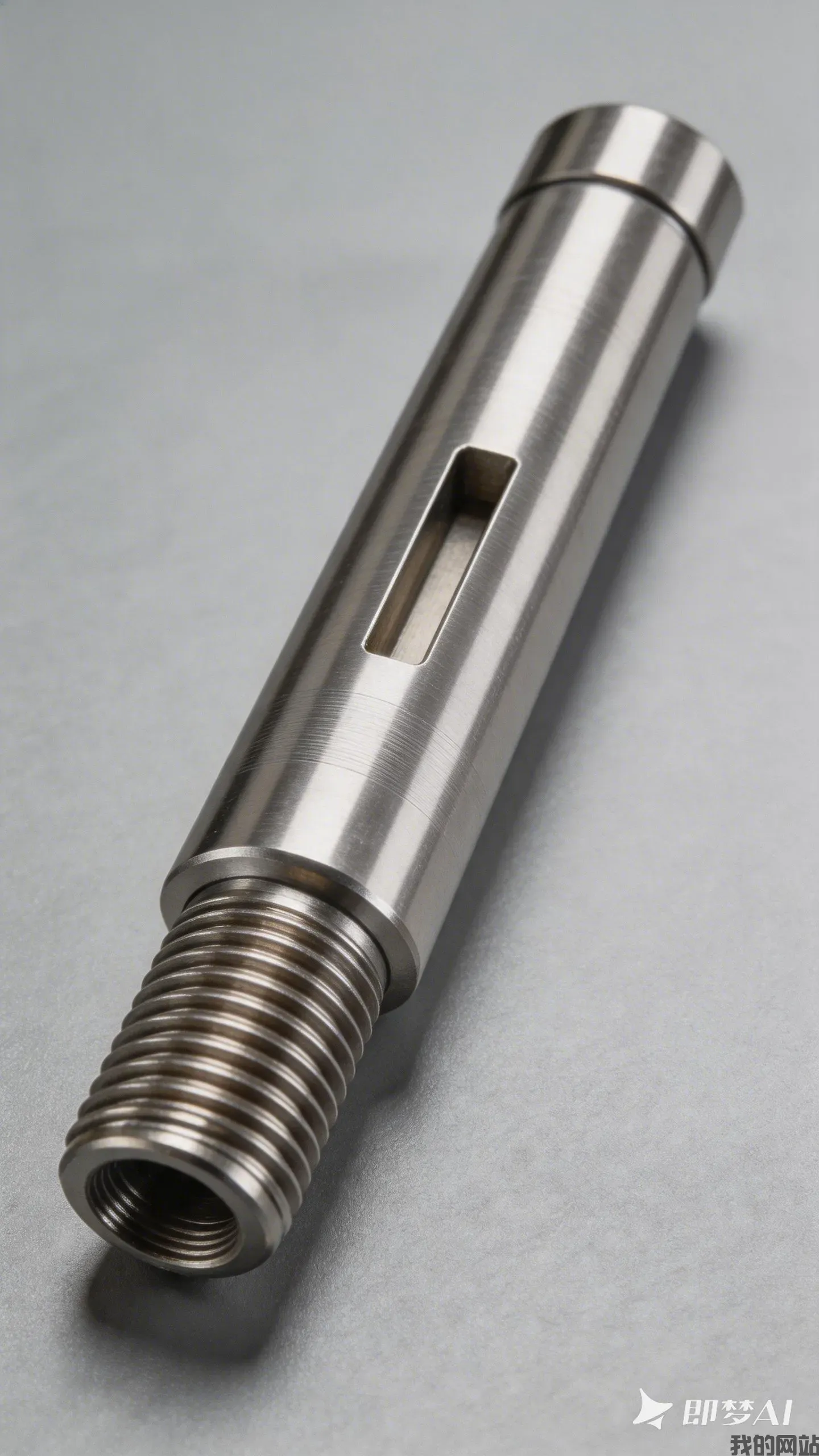
CNC (Computer Numerical Control) machining subtracts material from a solid workpiece using cutting tools controlled by computer programs. This method is ideal for low-volume production and prototypes because it requires minimal setup and no specialized tooling. Modern 5-axis CNC machines can create complex shapes in a single setup, reducing lead times.
Best Practices for CNC Prototyping
Design for Manufacturability (DFM): Avoid sharp internal corners and unnecessary deep pockets. Use standard tool sizes to minimize custom tooling.
Material Selection: Choose materials that match final production requirements. For example, use 6061 aluminum for lightweight parts or stainless steel for corrosion resistance.
Surface Finish: Specify surface roughness (Ra) as needed. Typically, machined surfaces have Ra 0.8–3.2 µm.
Programming: Use CAM software to optimize tool paths and reduce machining time. Consider using high-speed machining techniques.
Metal Stamping in Prototyping: When and How
Metal stamping uses dies to punch, bend, or form metal sheets into desired shapes. While traditional stamping requires expensive hard tooling, rapid prototyping techniques like soft tooling (using aluminum or 3D-printed dies) allow for short runs. For prototypes, using stamped parts can validate assembly fit and function.
Types of Stamping for Prototypes
Progressive Die Stamping: Suitable for high volumes, but for prototypes, single-station dies are more economical.
Transfer Die Stamping: Used for complex parts that require multiple operations.
Short-Run Stamping: Use laser-cut or waterjet-cut blanks with simple bending dies to avoid expensive tooling.
| Process | Typical Lead Time | Tooling Cost | Part Cost (per piece for 100 pcs) |
|---|---|---|---|
| CNC Machining | 1-3 days | Low (minimal) | $50-$200 |
| Metal Stamping (soft tooling) | 5-10 days | Moderate | $5-$50 |
| Metal Stamping (hard tooling) | 4-6 weeks | High | $0.10-$1 |
Design Considerations for the Combo Approach
When designing parts intended for both CNC and stamping, consider how features translate between processes. For example, undercuts are easy with CNC but impossible with stamping. Conversely, thin-walled sections are efficient with stamping but may cause vibration during machining.
Key Factors to Optimize
Feature Size & complexity: CNC for complex 3D features; stamping for 2D or 2.5D features with uniform thickness.
Edge Quality: Stamping produces burrs that may require secondary deburring; CNC provides cleaner edges.
Draft Angles: For stamping, include draft angles on deep draws to prevent cracking.
Hole Patterns: CNC can drill holes in any location; stamping requires holes to be in line with the die.
Material Selection Guide
Both processes support a broad range of metals. However, for prototyping, material availability and machinability matter. Below is a table of common materials and their suitability.
| Material | CNC Machinability | Stamping Suitability | Typical Applications |
|---|---|---|---|
| Aluminum 6061 | Excellent | Good | Automotive, aerospace brackets |
| Stainless Steel 304 | Good | Moderate | Medical devices, food equipment |
| Brass C360 | Excellent | Good | Electrical connectors, fittings |
| Copper C110 | Good | Fair | Heat sinks, electrical components |
| Steel A36 | Moderate | Excellent | Structural parts, enclosures |
Cost and Lead Time Analysis
Understanding the economics of using both processes is crucial. For a typical prototype run of 10-100 pieces, CNC machining is often the most cost-effective because it avoids tooling. Once design is finalized, moving to stamping for hundreds of parts reduces unit cost significantly.
Estimating Costs
CNC Machining: Cost = (Machine time × hourly rate) + material + setup fee. Expect $75-$150 per hour of machine time.
Stamping (soft tooling): Tooling cost $500-$5,000, plus part cost $2-$10 each.
Stamping (production): Tooling $5,000-$50,000, part cost $0.10-$1 each.
For rapid prototyping, combining both: Use CNC for first articles, then implement soft tooled stamping for a pre-production run of 200-500 parts to validate manufacturing.
Practical Tips for Success
Start with CNC for Iterations: Use CNC to fine-tune geometry and tolerances before committing to stamping dies.
Collaborate with Your Manufacturer: Early involvement of your metal parts supplier ensures design optimizations for both processes.
Consider Additive Manufacturing: For extremely complex prototypes, 3D printing metal parts can bridge the gap, but CNC and stamping offer better mechanical properties.
Document Tolerances: Clearly specify critical dimensions and allowable variations.
Plan for Secondary Operations: Stamped parts may need deburring, heat treating, or surface finishing. Factor these into the timeline.
Case Study: Accelerating a Heat Sink Prototype
A client needed a custom heat sink for an electronics enclosure. The design included a finned base (complex geometry) and a mounting bracket (simple shape). Using CNC machining, we produced the finned base from aluminum 6061 in 2 days. The bracket, a simple L-shape, was stamped using a soft die from aluminum sheet. The entire prototype run of 50 units was completed in 6 days, allowing the client to test thermal performance and fit before investing in production tooling.
Conclusion
The combination of CNC machining and metal stamping for rapid prototyping offers a balanced approach – leveraging the flexibility of CNC for complex features and the speed of stamping for simpler, high-volume-ready parts. By integrating these processes from the outset, manufacturers can reduce lead times, control costs, and validate designs effectively. Whether you need a single prototype or a low-volume pre-production run, this hybrid strategy ensures your metal parts meet performance requirements while staying on schedule.
Ready to start your prototype? Contact us for a free design review and quote.
Frequently Asked Questions
What tolerances can you achieve with CNC machining for rapid prototypes?
Our CNC machining achieves tolerances as tight as ±0.005 mm, ensuring high precision for complex prototype geometries. This level of accuracy helps validate form and function early in the design phase, reducing the risk of costly changes later in production.
Can you combine CNC machining and metal stamping in one prototype run?
Yes, combining CNC machining and metal stamping in a single workflow is a core advantage. CNC handles complex geometries and tight tolerances without expensive tooling, while stamping ensures repeatability for subsequent runs. This approach accelerates development and supports a smooth transition to high-volume production.
What materials are available for rapid prototyping with these processes?
Both CNC machining and metal stamping handle a wide range of metals, including steel, aluminum, brass, and copper alloys. For example, 6061 aluminum is suitable for lightweight parts, while stainless steel offers corrosion resistance. Material selection can match final production requirements to maintain integrity.
What surface finishes can I expect on machined prototypes?
Typical machined surfaces have a surface roughness (Ra) of 0.8–3.2 µm, depending on your specifications. You can specify the required Ra value for your prototype, and our CNC process will achieve it, ensuring the surface finish aligns with your production needs.