Reduce CNC Machining Lead Time for Prototypes: Top Tips
When developing new products, time is of the essence. Prototypes are critical for testing form, fit, and function, but long CNC machining lead times can derail your project schedule. This guide provides actionable strategies to reduce CNC machining lead time for prototypes, helping you get to market faster without sacrificing quality.
Understanding the Factors Behind CNC Machining Lead Time
Lead time in CNC machining is influenced by several factors: design complexity, material availability, machine setup, toolpath optimization, and queue time at the machine shop. By understanding each, you can target specific areas for improvement. For prototypes, low quantities often allow more flexibility, making it easier to apply time-saving tactics.
Design Complexity
Complex geometries with tight tolerances require multiple setups and slower feeds/speeds. Simplifying features like sharp internal corners (reduce to radius when possible) or reducing the number of features can dramatically cut machining time.
Material Selection
Some materials are harder to machine (e.g., stainless steel) than others (e.g., aluminum). For prototypes, consider using easier-to-machine materials that closely mimic the final part properties.
Machine Setup and Tooling
Each setup change adds time. Designing parts that can be machined in one setup or using standard tooling reduces changeover.
Design for Manufacturability (DFM) to Cut Production Time
Applying DFM principles early in the design phase is the most effective way to reduce lead time. Here are key DFM tips for CNC prototypes:
Minimize deep pockets: Deep features require longer tools and slower speeds. Keep depths to a minimum.
Use standard hole sizes: Avoid non-standard drill sizes. Standard drills are in stock at the machine shop.
Avoid thin walls: Thin walls (under 0.020 in./0.5 mm) are prone to vibration and may require slower machining or extra passes.
Optimize internal radii: Use the largest possible radius for internal corners to allow standard end mills.
Reduce number of setups: Design parts so that all features can be accessed from as few orientations as possible.
Material Selection Strategies for Faster Turnaround
Choosing the right material can shave days off lead time. Consider the table below for common prototype materials ranked by machinability and availability.
| Material | Machinability Rating | Typical Lead Time Impact |
|---|---|---|
| Aluminum 6061 | Excellent | Fast – widely available, cuts quickly |
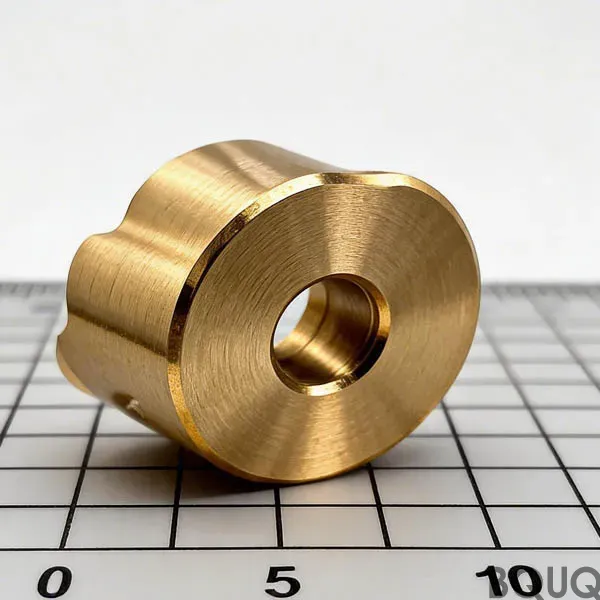
| Brass C360 | Very Good | Fast – free-machining, minimal tool wear |
| Steel 1018 | Good | Moderate – common, but slower speeds |
| Stainless Steel 304 | Fair | Long – hard on tools, slower feeds |
| Plastic (Delrin/Acetal) | Excellent | Fast – easy to cut, low stress |
For prototypes, aluminum and plastic are top choices. If final material is steel, consider ordering pre-cut stock in advance. Communicate material availability with your machine shop; they may have remnants that can be used.
Optimizing Toolpath and Cutting Parameters
Modern CAM software offers toolpath strategies that reduce cycle time. For roughing, use high-efficiency milling (HEM) with adaptive clearing to maintain constant chip load and allow deeper cuts. For finishing, use trochoidal milling to reduce radial engagement and increase feed rates. Parameters like spindle speed, feed per tooth, and depth of cut should be optimized for the material and machine rigidity. Ask your shop if they use HEM; it can cut roughing time by 30–50%.
Tool Selection
Use carbide tools for harder materials and coated tools (TiAlN, AlTiN) to reduce friction and heat. For prototypes, standard lengths (not extended) improve rigidity and allow higher parameters.
Leveraging Advanced CNC Technologies
Machine shops with modern capabilities can produce prototypes faster. Look for shops offering:
5-axis machining: Reduces setups and allows complex geometries in one operation.
High-speed spindles (15k+ rpm): Enables faster material removal in non-ferrous materials.
Automated pallet changers: Reduces idle time between setups.
In-process inspection: Reduces post-machining quality checks.
If your prototype is suitable for 5-axis, you can often eliminate multiple setups and reduce total machining time by 50% or more.
Effective Communication with Your CNC Machining Partner
Clear communication from the start prevents delays. Provide a detailed engineering drawing with critical tolerances and surface finish requirements. Indicate which features are critical and which can be relaxed. Asking the shop for feedback on DFM before quoting can reveal opportunities to redesign for faster machining.
Quoting and Scheduling
Request a lead time quote early and ask if they have a rush service (often 1-2 week standard vs. 3-5 day expedite). Be realistic: if you can wait an extra day, you may save money and avoid rush fees. Also, consolidate parts into one order to reduce administrative time.
Conclusion
Reducing CNC machining lead time for prototypes requires a collaborative approach: optimize design for manufacturability, select easily machinable materials, work with a technologically advanced shop, and communicate clearly. By implementing these strategies, you can accelerate your prototyping cycle, iterate faster, and bring your product to market sooner. Contact us today to discuss your next prototype project and discover how our expertise can help you meet your deadlines.
Frequently Asked Questions
What are the most effective ways to reduce CNC machining lead time for prototypes?
The most effective way is applying Design for Manufacturability (DFM) principles early in the design phase. Key tips include minimizing deep pockets, using standard hole sizes, avoiding thin walls under 0.020 in./0.5 mm, optimizing internal radii, and reducing the number of setups. These changes cut machining time and simplify production.
How does material selection affect prototype lead time?
Material choice directly impacts turnaround. Aluminum 6061 has excellent machinability and is widely available, offering fast lead times. Brass C360 is also fast due to free-machining properties. Steel 1018 is common but slower to machine, leading to moderate lead times. For prototypes, choose easier-to-machine materials that mimic final part properties.
What design features should I avoid to speed up CNC prototyping?
Avoid deep pockets, non-standard hole sizes, and thin walls under 0.020 in./0.5 mm, as these cause vibration and require slower machining. Also, avoid sharp internal corners—use the largest possible radius to allow standard end mills. Simplifying these features reduces setups and machining time significantly.
Why do complex geometries increase CNC machining lead time?
Complex geometries with tight tolerances require multiple setups and slower feeds and speeds. Features like sharp internal corners or numerous intricate details demand extra tool changes and longer cycle times. Simplifying such features, like reducing sharp corners to radii, can dramatically cut overall machining time for prototypes.