Shrapnel Contact Spring Design: 6 Tips for Better Performance
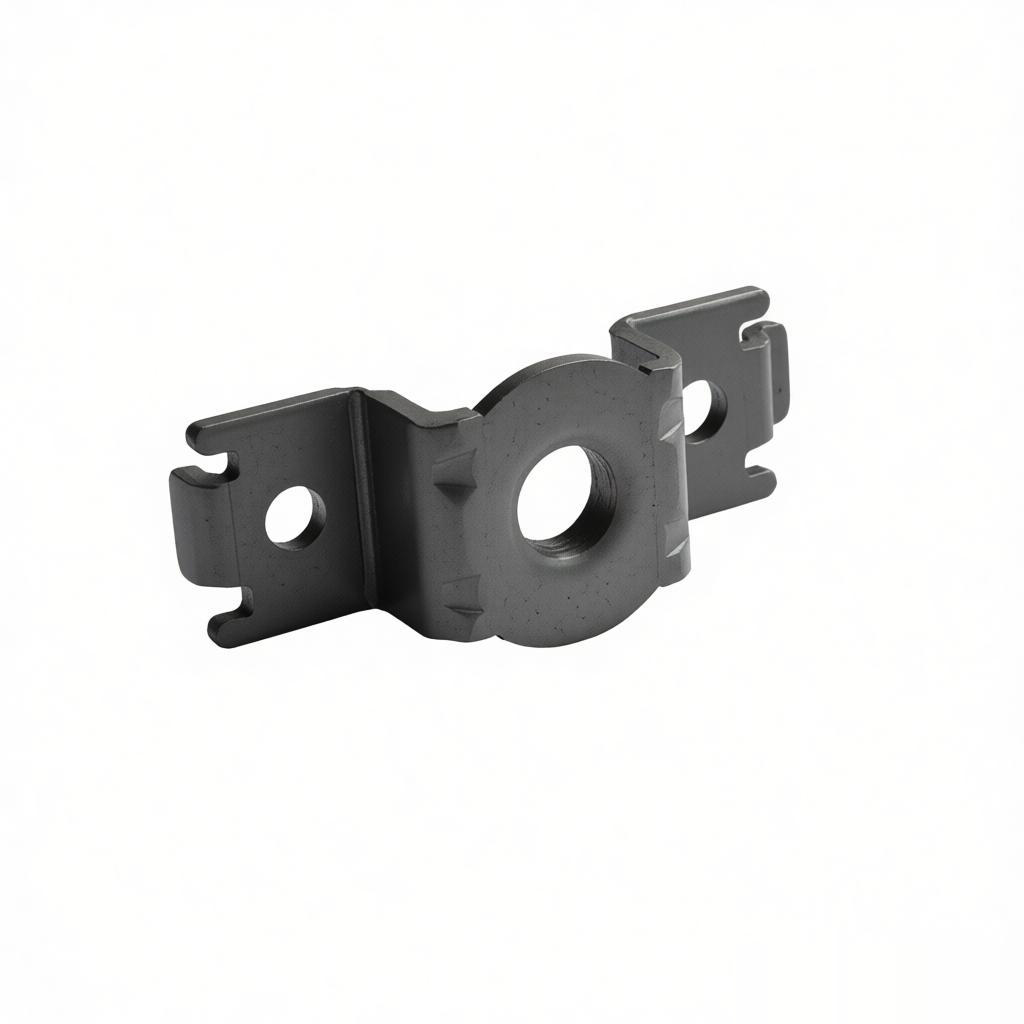
1. Choose the Right Material for Your Spring
The material selection for shrapnel contact springs is critical for performance and longevity. Common materials include beryllium copper, phosphor bronze, and stainless steel. Beryllium copper offers excellent conductivity and fatigue resistance, making it ideal for high-cycle applications. Phosphor bronze provides good corrosion resistance and moderate conductivity, suitable for harsh environments. Stainless steel is cost-effective but has lower conductivity. Consider the operating temperature, current load, and environmental factors when choosing. A thorough analysis ensures the spring maintains consistent contact force over time.
Additionally, material thickness and temper affect spring properties. Thinner materials allow for more flexibility but reduce current-carrying capacity. Tempering processes like heat treatment can enhance strength and elasticity. Work with your manufacturer to select the optimal material grade and thickness for your specific application. Testing prototypes under expected conditions can validate the choice.
2. Optimize the Spring Geometry for Consistent Force
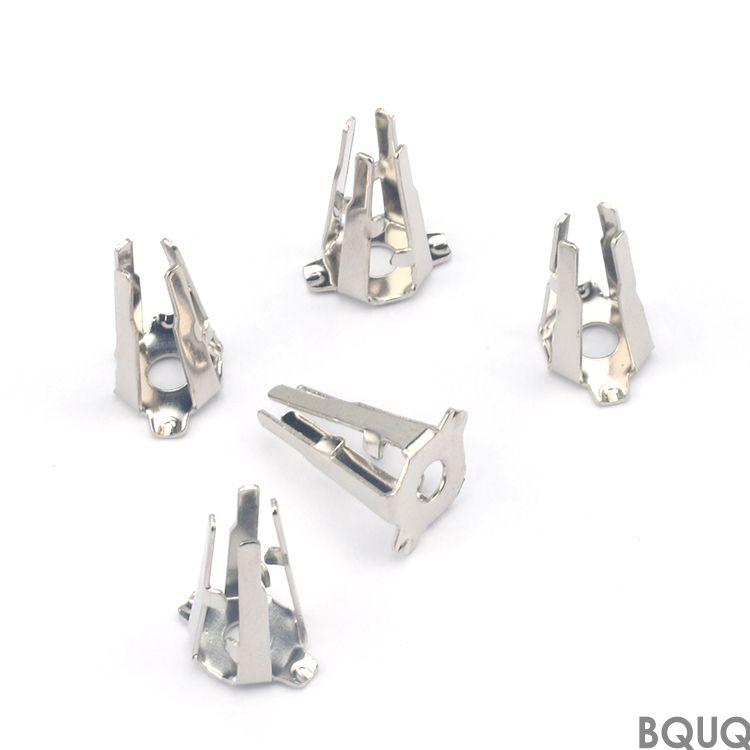
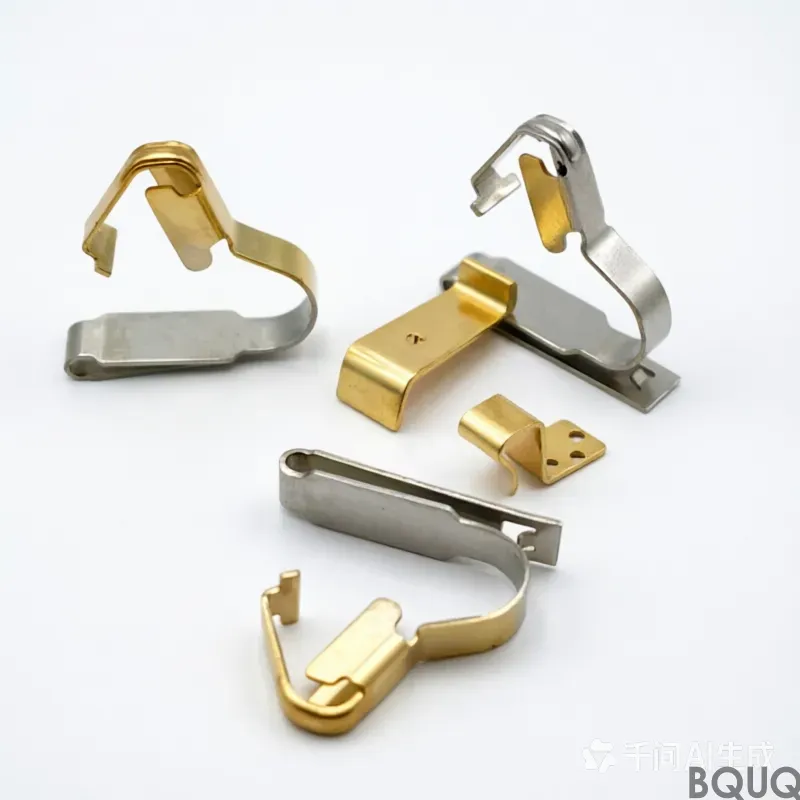
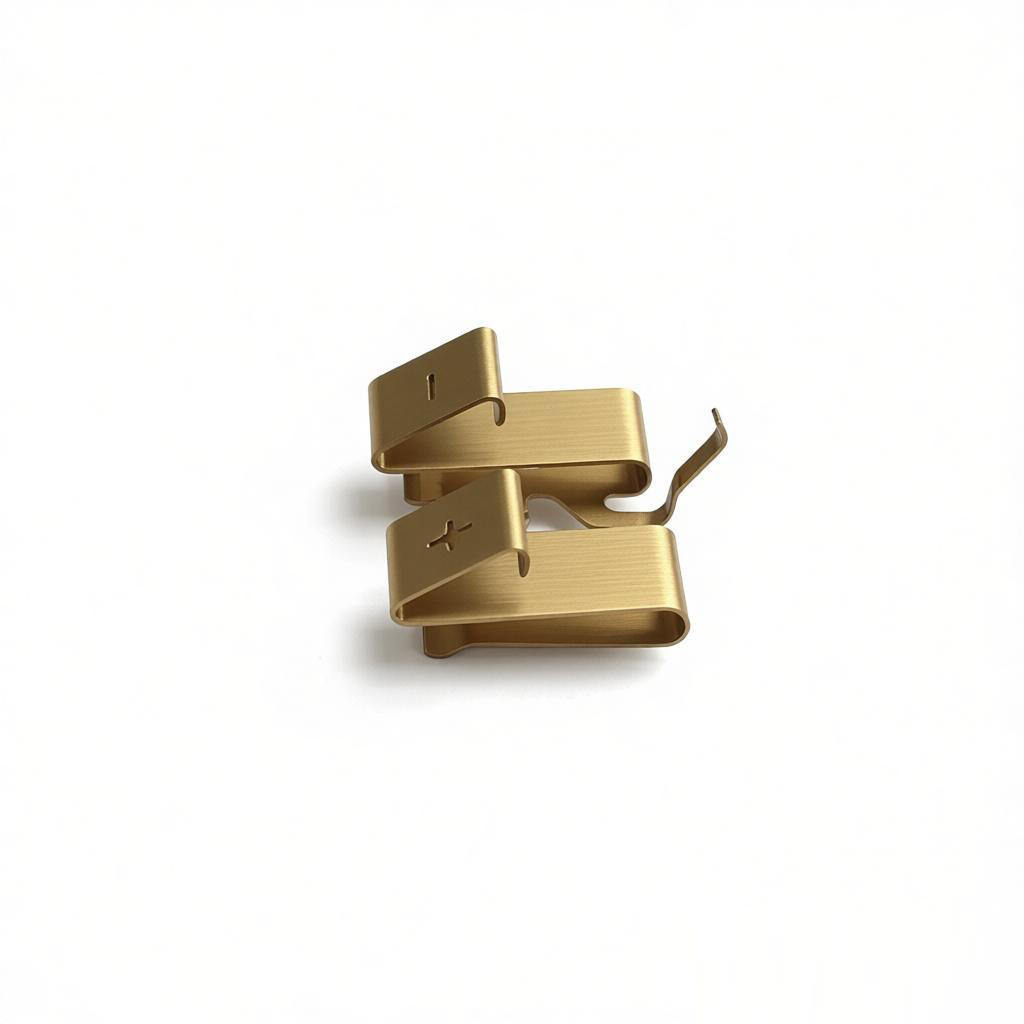
The geometry of a shrapnel contact spring—such as its length, width, bend radius, and number of bends—directly influences the contact force. A well-designed spring delivers a consistent force over its deflection range, ensuring reliable electrical contact. Use finite element analysis (FEA) to simulate force-deflection curves and identify stress concentrations. Avoid sharp corners that can cause fatigue cracks. Instead, incorporate generous radii to distribute stress evenly.
Consider the spring's working deflection: too much deflection may cause permanent deformation (set), while too little may result in inadequate contact force. Design for a spring rate (force per unit deflection) that matches the application's requirements. For high-vibration environments, a higher spring rate helps maintain contact. For low-force applications, prioritize low spring rate to minimize wear. Prototyping and iterative testing are essential to fine-tune geometry.
3. Control the Manufacturing Tolerances
Tight tolerances are necessary for shrapnel contact springs to perform consistently. Dimensional variations can lead to uneven contact force, misalignment, or failure to mate properly. During stamping, tooling wear can cause progressive deviations. Implement statistical process control (SPC) to monitor critical dimensions like thickness, width, and bend angles. Regular tool maintenance and replacement schedules prevent drift.
Specify acceptable tolerances on your drawings, but avoid overly tight tolerances that increase cost. Work with your metal stamping partner to define cost-effective limits based on function. Use precision stamping techniques like progressive dies with fine-blanking edges for better accuracy. For CNC-machined springs, tight control of cutting parameters ensures repeatability. Quality inspections using coordinate measuring machines or optical comparators can catch deviations early.
4. Consider the Contact Resistance and Current Carrying Capacity
The primary function of a contact spring is to conduct electricity reliably. Contact resistance must be low and stable. Factors include material resistivity, surface finish, and contact pressure. Use materials with high conductivity (e.g., copper alloys). Apply appropriate platings like gold, silver, or tin to prevent oxidation and reduce resistance. Gold plating is best for low-current signals, while silver is suited for high-current applications. Ensure plating thickness meets requirements without flaking.
Current carrying capacity depends on cross-sectional area and thermal management. Calculate the minimum cross-section to avoid overheating. For high currents, consider using multiple contact points or larger spring dimensions. Incorporate heat sinks or ventilation if needed. The contact force must be high enough to break through surface films but not so high that it causes excessive wear. Balance is key.
5. Design for Durability and Fatigue Life
Shrapnel contact springs often undergo millions of cycles, so fatigue resistance is paramount. Avoid stress raisers like notches, burrs, or sharp changes in cross-section. The stress at maximum deflection should be well below the material's endurance limit. Use stress-relieving treatments like baking or vibratory finishing to reduce residual stresses from stamping.
Consider the operating environment: temperature extremes, humidity, and corrosive gases can accelerate fatigue. Select materials with good corrosion fatigue strength. Apply protective coatings or platings. Also, design the spring to operate within its elastic range—never exceed the yield point. Test prototypes under accelerated life tests to predict fatigue life. Data from these tests can guide design improvements, such as increasing the radius of bends or changing the material thickness.
6. Collaborate with Experienced Manufacturers
Partnering with a skilled metal stamping and CNC precision parts manufacturer can make the difference between a mediocre design and a high-performance spring. They can offer Design for Manufacturability (DFM) insights, suggest alternative materials, and identify potential issues early. Look for a manufacturer with expertise in shrapnel contact springs and a track record of reliable production.
During the design phase, share your performance requirements and constraints. They can run simulations, build prototypes, and perform validation testing. Also, discuss cost optimization—sometimes a slight design change can significantly reduce tooling and production costs without sacrificing performance. Ongoing communication ensures the final product meets your exact needs. Trust their engineering team to help you achieve better performance and longer life.
Frequently Asked Questions
What materials are recommended for shrapnel contact springs, and what are their key properties?
Common materials include beryllium copper, phosphor bronze, and stainless steel. Beryllium copper offers excellent conductivity and fatigue resistance for high-cycle applications. Phosphor bronze provides good corrosion resistance and moderate conductivity for harsh environments. Stainless steel is cost-effective but has lower conductivity. Material thickness and temper also affect flexibility and current-carrying capacity.
How does spring geometry affect contact force consistency?
Geometry such as length, width, bend radius, and number of bends directly influences contact force. A well-designed spring delivers consistent force over its deflection range. Using finite element analysis (FEA) helps simulate force-deflection curves and identify stress concentrations. Avoid sharp corners to prevent fatigue cracks; use generous radii. Design spring rate to match application needs, with higher rates for vibration resistance.
Why are tight manufacturing tolerances important for shrapnel contact springs?
Tight tolerances ensure consistent performance, as dimensional variations can cause uneven contact force, misalignment, or mating failure. During stamping, tooling wear causes progressive deviations. Implement statistical process control (SPC) to monitor critical dimensions like thickness, width, and bend angles. Specify cost-effective tolerances on drawings, avoiding overly tight limits that increase cost without functional benefit.
What testing is recommended to validate spring material and geometry choices?
Testing prototypes under expected operating conditions validates material and geometry choices. This includes simulating temperature, current load, and environmental factors. Iterative prototyping helps fine-tune geometry for consistent force. Work with your manufacturer to select optimal material grade and thickness, then test prototypes to confirm performance and longevity before full production.