Stainless Steel CNC Turned Parts vs Machined: Key Differences
Introduction
When it comes to manufacturing stainless steel components, two common processes often come into play: CNC turning and CNC machining. While both fall under the umbrella of CNC machining, they are distinct methods with unique advantages. Stainless steel CNC turned parts are produced by rotating the workpiece against a stationary cutting tool, typically on a lathe. In contrast, machined parts can be created through various operations like milling, drilling, or grinding, where the tool moves relative to the workpiece. This article compares stainless steel CNC turned parts vs machined parts, highlighting their differences in process, precision, cost, and application to help you make an informed decision.
What Are Stainless Steel CNC Turned Parts?
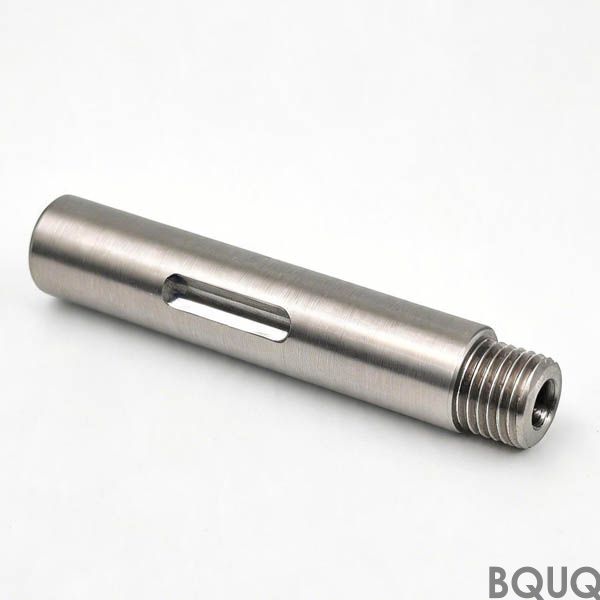
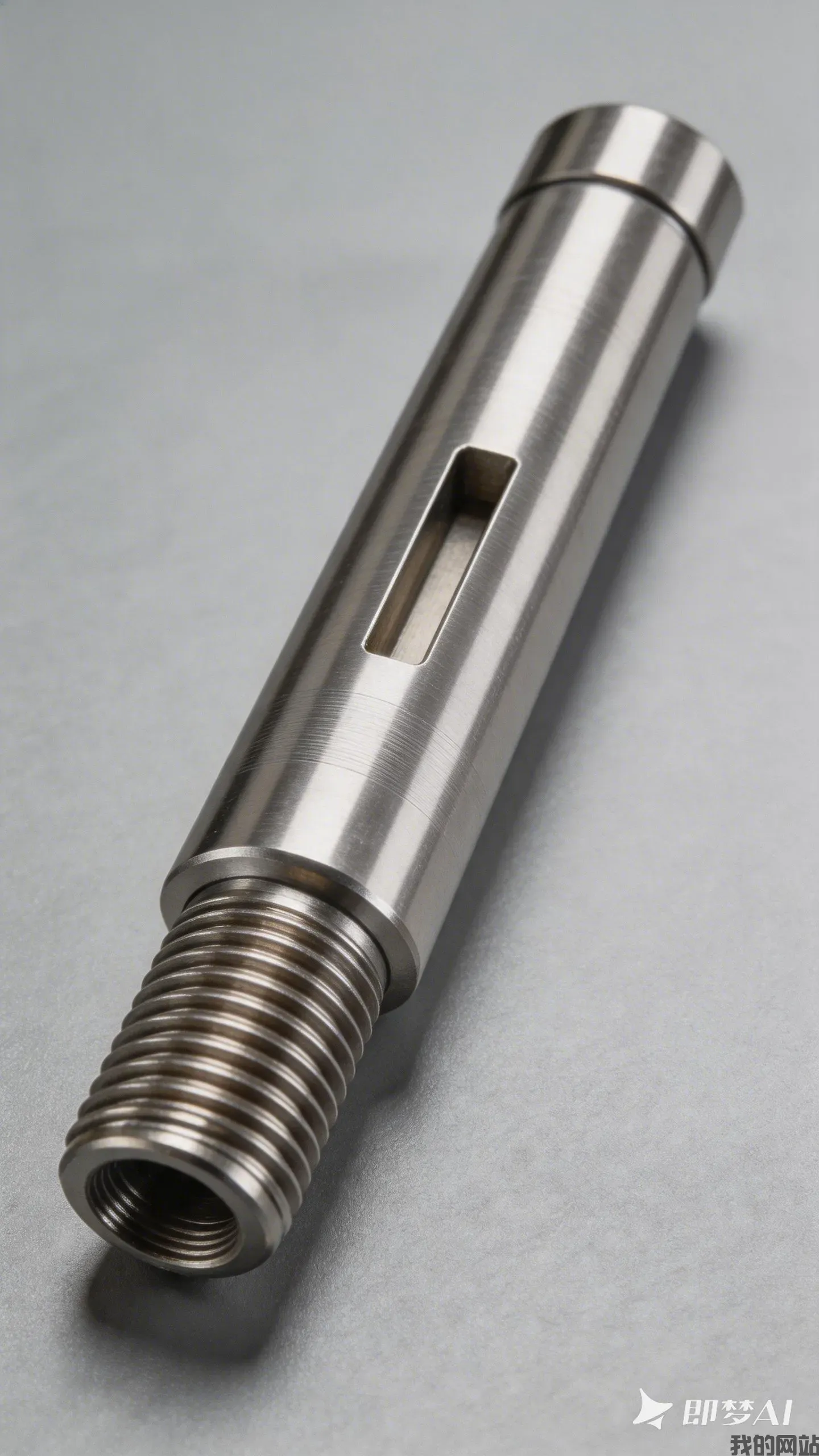
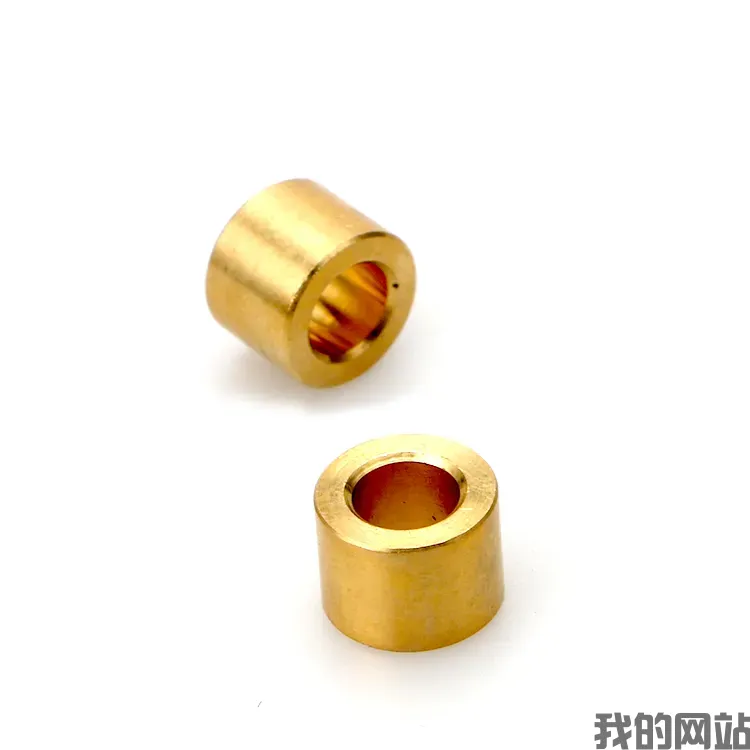
CNC turning is a subtractive manufacturing process where a stainless steel bar is rotated at high speeds while a cutting tool removes material to shape the part. The process is ideal for cylindrical or symmetrical components such as shafts, pins, bushings, and fittings. CNC lathes can achieve tight tolerances (e.g., ±0.005 mm) and excellent surface finishes (Ra 0.8 µm or better). The primary advantage of turned parts is their concentricity and repeatability, making them perfect for high-volume production.
What Are Stainless Steel Machined Parts?
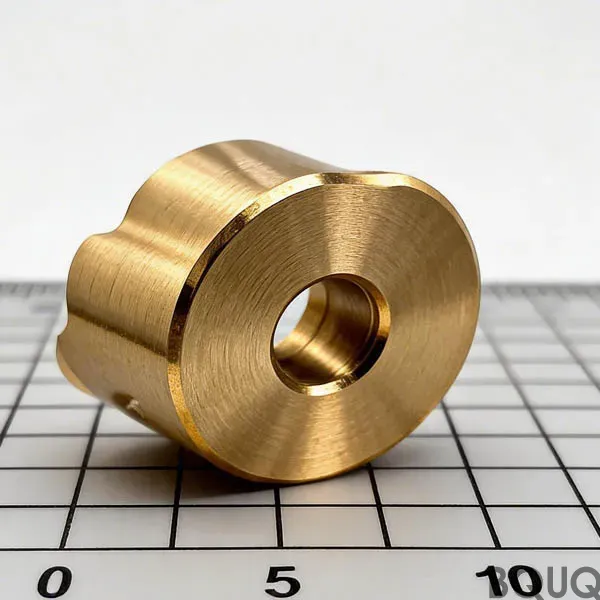
Machining is a broad term encompassing various operations including milling, drilling, tapping, and grinding. In CNC machining, the cutting tool moves in multiple axes to remove material from a stationary or rotating workpiece. This allows for complex geometries, flat surfaces, slots, holes, and intricate features. Machined parts can be non-cylindrical and are often used for brackets, housings, and custom components. Modern 5-axis CNC machines can produce highly complex shapes with tolerances as tight as ±0.01 mm.
Key Differences Between Turned and Machined Parts
To clarify the distinctions, we've compiled a comparison table highlighting the critical aspects of each process:
| Feature | CNC Turned Parts | CNC Machined Parts |
|---|---|---|
| Process Type | Rotating workpiece, stationary tool | Rotating or moving tool, stationary workpiece |
| Material Removal | Continuous chips from outer diameter | Variable chips from multiple directions |
| Typical Geometry | Cylindrical, symmetrical | Complex, prismatic, asymmetrical |
| Precision | Very high (≤ ±0.005 mm) | High (≤ ±0.01 mm) |
| Surface Finish | Excellent (Ra 0.4–0.8 µm) | Good (Ra 0.8–1.6 µm) |
| Tooling Cost | Lower (simpler tools) | Higher (multiple tools, fixtures) |
| Setup Time | Faster | Slower (complex setups) |
| Production Speed | High for cylindrical parts | Moderate for complex parts |
| Part Complexity | Limited to rotational symmetry | Unlimited (with multi-axis) |
| Common Applications | Shafts, bushings, valves, connectors | Brackets, housings, gears, custom parts |
When to Choose CNC Turned Parts?
CNC turning excels when your design requires cylindrical symmetry, such as shafts, pins, or threaded components. If your part has a high length-to-diameter ratio and demands concentricity, turning is the cost-effective choice. For example, stainless steel turned parts used in hydraulic systems or medical instruments benefit from the superior surface finish and tight tolerances achievable on a lathe. Additionally, for medium to high volume runs, turning reduces cycle times and tool wear.
When to Choose Machined Parts?
Machining is preferable when your part features flat surfaces, pockets, slots, or complex contours that cannot be produced by turning alone. If you need a multifunctional component like a housing with mounting holes, threads, and a cavity, a CNC machining center (mill-turn or 5-axis) is the right option. Although setup costs are higher, machining offers unmatched flexibility for prototypes or low-volume custom parts. For stainless steel components requiring high precision in multiple axes, machining ensures consistent results.
Cost Considerations
Cost is a major factor. For simple cylindrical stainless steel parts, turning is generally cheaper per unit due to faster cycle times and lower tooling costs. However, for complex geometries, machining may be the only viable option. Consider total cost: if your part can be made by turning alone, it will likely be more economical. But if it requires secondary operations (e.g., drilling cross holes), the cost may increase. Use a hybrid approach: turn the main profile and then machine features in a second operation.
Recommendation
For most stainless steel components, we recommend starting with CNC turning when the design permits. It offers superior surface finish, better concentricity, and lower cost for round parts. If your part has non-cylindrical features, consider CNC machining or a combination of both. For high precision and volume, invest in multi-axis turning centers with live tooling, which can perform milling operations on rotated parts. Ultimately, consult with an experienced manufacturer to evaluate your specific requirements and optimize the process.
Conclusion
Understanding the differences between stainless steel CNC turned parts and machined parts is crucial for selecting the right manufacturing process. Turned parts are ideal for cylindrical, high-precision applications, while machined parts excel in complexity and versatility. By matching the process to your design, you can achieve better quality, lower costs, and shorter lead times. Whether you need turned components for a medical device or machined brackets for an automotive assembly, our team can deliver custom stainless steel solutions tailored to your needs.
Contact us today to discuss your project and get a free quote for stainless steel CNC turned parts or machined parts.
Frequently Asked Questions
What is the main difference between CNC turned parts and CNC machined parts?
CNC turning rotates the stainless steel workpiece against a stationary cutting tool on a lathe, ideal for cylindrical shapes like shafts and bushings. CNC machining involves moving tools in multiple axes to create complex, prismatic geometries like brackets and housings. Turned parts excel at concentricity, while machined parts handle intricate features.
What tolerances can I expect for stainless steel turned vs machined parts?
CNC turned parts can achieve very high precision with tolerances as tight as ±0.005 mm. CNC machined parts, including 5-axis operations, offer high precision with tolerances up to ±0.01 mm. For surface finish, turned parts reach Ra 0.4–0.8 µm, while machined parts typically achieve Ra 0.8–1.6 µm.
Which process is more cost-effective for high-volume production?
CNC turning is more cost-effective for high-volume cylindrical parts due to lower tooling costs, faster setup times, and higher production speed. CNC machining has higher tooling and setup costs because it requires multiple tools and fixtures, making it better suited for complex geometries where turning isn't feasible.
Can CNC machining produce non-cylindrical parts that turning cannot?
Yes, CNC machining can produce non-cylindrical, asymmetrical parts with flat surfaces, slots, holes, and intricate features using operations like milling, drilling, and grinding. Modern 5-axis CNC machines handle highly complex shapes, whereas turning is limited to cylindrical or symmetrical components like pins and fittings.