Stainless Steel vs Aluminum Stamping: Which Is Better?
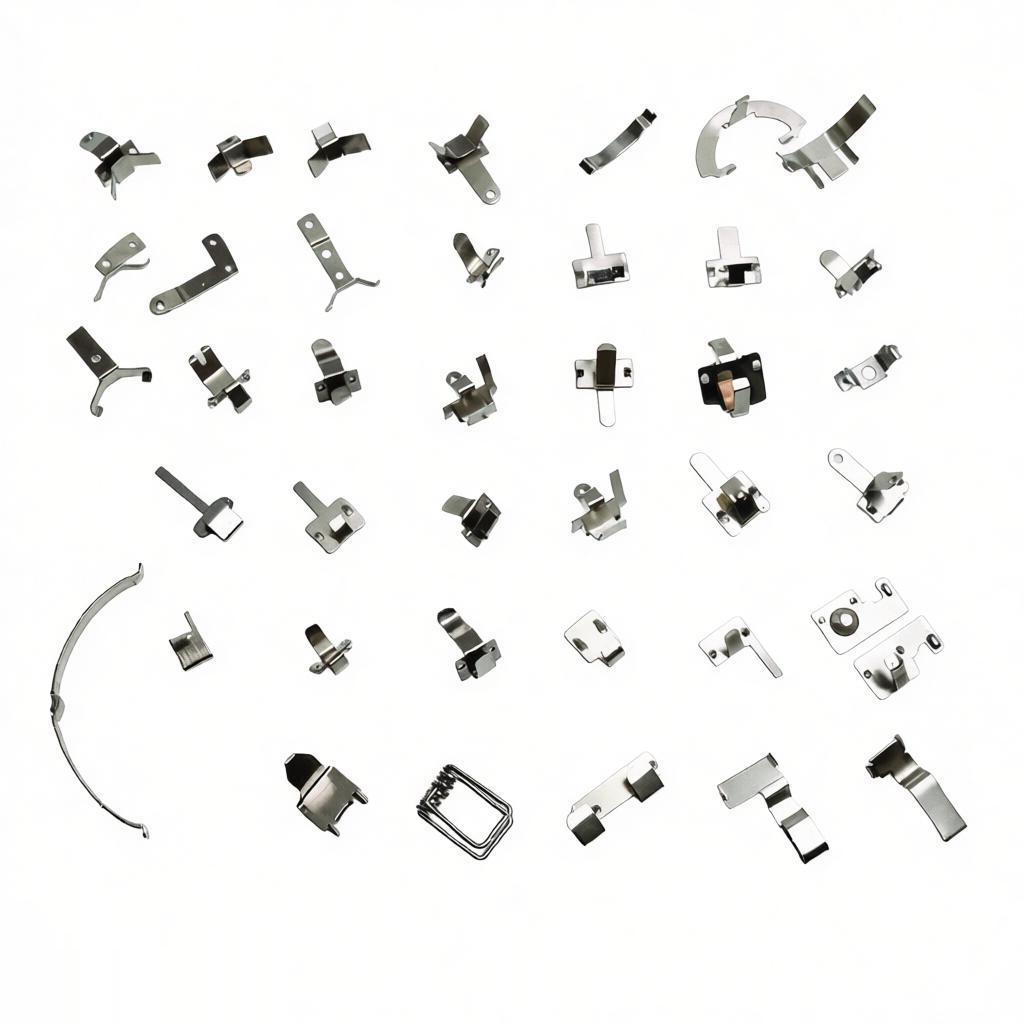
Introduction to Metal Stamping: Choosing the Right Material
Metal stamping is a versatile manufacturing process used to create complex parts for industries ranging from automotive to electronics. The choice between stainless steel and aluminum stamping can significantly impact product performance, cost, and longevity. Both materials offer unique advantages and trade-offs. In this article, we compare stainless steel and aluminum stamping across key factors to help you make an informed decision.
Stainless Steel Stamping: Strength and Durability
Stainless steel is an alloy of iron with a minimum of 10.5% chromium, which gives it exceptional corrosion resistance. It is known for its high strength, hardness, and ability to withstand harsh environments.
Advantages of Stainless Steel Stamping
Superior Corrosion Resistance: Ideal for applications exposed to moisture, chemicals, or salt.
High Strength and Hardness: Can withstand heavy loads and resist deformation.
Temperature Resistance: Performs well in high-temperature environments.
Aesthetic Appeal: Offers a sleek, polished finish suitable for visible parts.
Longevity: Parts last longer, reducing replacement costs.
Disadvantages of Stainless Steel Stamping
Higher Cost: Material and tooling costs are significantly higher than aluminum.
Heavier Weight: Approximately 2.5 times denser than aluminum, which may be a drawback for weight-sensitive applications.
Harder to Form: Requires more force and specialized tooling, leading to increased production time and wear on dies.
Work Hardening: Can become brittle during forming, requiring careful process control.
Common Applications of Stainless Steel Stampings
Typical uses include automotive exhaust systems, kitchen equipment, medical instruments, structural components, and marine hardware.
Aluminum Stamping: Lightweight and Versatile
Aluminum is a lightweight, non-ferrous metal with excellent malleability and conductivity. Its natural oxide layer provides good corrosion resistance.
Advantages of Aluminum Stamping
Lightweight: About one-third the density of steel, critical for aerospace and automotive weight reduction.
Excellent Formability: Easy to stamp into complex shapes with less force, extending die life.
Good Corrosion Resistance: Forms a protective oxide layer, though less robust than stainless steel.
High Thermal and Electrical Conductivity: Ideal for heat sinks and electrical components.
Lower Cost: Material costs are generally lower, and tooling wears less.
Disadvantages of Aluminum Stamping
Lower Strength: Not suitable for high-stress applications without alloying and heat treatment.
Less Wear Resistance: Softer surface can be prone to scratches and dents.
Galvanic Corrosion Risk: When in contact with dissimilar metals, can corrode faster.
Weldability Issues: Some aluminum alloys require specialized welding techniques.
Common Applications of Aluminum Stampings
Found in electronics housings, automotive body panels, heat sinks, lighting fixtures, and consumer goods.
Comparison Table: Stainless Steel vs Aluminum Stamping
| Feature | Stainless Steel | Aluminum |
|---|---|---|
| Density | ~8 g/cm³ | ~2.7 g/cm³ |
| Tensile Strength | High (500-1000 MPa) | Moderate (100-300 MPa) |
| Corrosion Resistance | Excellent (chromium oxide) | Good (aluminum oxide) |
| Formability | Moderate (requires more force) | Excellent (easy to stamp) |
| Cost (material) | Higher | Lower |
| Tooling Wear | Higher | Lower |
| Weight | Heavy | Lightweight |
| Temperature Tolerance | Up to 800°C+ | Up to 200-300°C |
| Electrical Conductivity | Low | High |
| Recyclability | 100% recyclable | 100% recyclable |
Key Factors to Consider When Choosing Between Stainless Steel and Aluminum
Application Requirements
Determine the mechanical demands. If the part must support heavy loads or operate in corrosive environments, stainless steel is preferable. For lightweight, high-thermal conductivity needs, aluminum wins.
Budget Constraints
Cost is a major driver. Aluminum is generally cheaper per part due to lower material costs and longer die life. However, if the part fails prematurely due to corrosion or wear, stainless steel may prove more cost-effective long-term.
Production Volume
High volumes favor aluminum because tooling costs are lower and stamping speeds can be faster. Low volumes may still lean aluminum unless strength/corrosion requirements dictate stainless steel.
Environmental Exposure
Parts used outdoors, in marine, or chemical environments need stainless steel's superior corrosion resistance. For indoor, controlled environments, aluminum often suffices.
Weight Sensitivity
For aerospace, automotive, or portable electronics, aluminum's weight advantage is critical. Stainless steel adds durability but at a weight penalty.
Recommendation: Which Is Better?
There is no universal answer. For maximum strength, corrosion resistance, and durability, choose stainless steel stamping. It excels in harsh conditions and high-stress applications. For lightweight, cost-effective, and easily formable parts, choose aluminum stamping. It is ideal for heat sinks, electronic enclosures, and automotive body panels.
When weight is critical and loads are moderate, aluminum is the clear winner. When long-term reliability in corrosive environments is paramount, stainless steel is worth the investment. In many cases, a hybrid approach using stainless steel for structural components and aluminum for non-structural parts can optimize performance and cost.
Conclusion
Both stainless steel and aluminum stamping have their place in metal fabrication. At our facility, we specialize in both materials, offering expert guidance to match your project's needs. Contact us today to discuss your stamping requirements and get a quote for custom parts in stainless steel or aluminum.
Frequently Asked Questions
What are the main advantages of stainless steel stamping?
Stainless steel stamping offers superior corrosion resistance due to its minimum 10.5% chromium content, high strength and hardness, temperature resistance, aesthetic appeal, and longevity. These properties make it ideal for harsh environments and heavy-load applications, reducing replacement costs over time.
Why is aluminum stamping preferred for weight-sensitive applications?
Aluminum is about one-third the density of steel, making it approximately 2.5 times lighter than stainless steel. This lightweight property is critical for aerospace and automotive weight reduction. Additionally, aluminum has excellent formability, requiring less force to stamp complex shapes and extending die life.
What are the disadvantages of using stainless steel for stamping?
Stainless steel stamping has higher material and tooling costs, is heavier (about 2.5 times denser than aluminum), and is harder to form, requiring more force and specialized tooling. It also work hardens, which can cause brittleness during forming and demands careful process control.
What are common applications for stainless steel stampings?
Typical applications for stainless steel stampings include automotive exhaust systems, kitchen equipment, medical instruments, structural components, and marine hardware. These uses benefit from stainless steel's corrosion resistance, strength, and ability to withstand high temperatures and harsh environments.