Tight Tolerance CNC Machining for Electronics Enclosures Guide
In the world of electronics manufacturing, the enclosure is more than just a protective shell—it’s a critical component that ensures performance, reliability, and safety. Tight tolerance CNC machining has become indispensable for producing electronics enclosures that meet the stringent demands of modern devices, from consumer electronics to aerospace systems. This guide delves into the nuances of achieving micron-level precision, exploring processes, materials, design strategies, and quality assurance methods.
The Critical Role of Tight Tolerances in Electronics Enclosures
Electronics enclosures must shield sensitive components from electromagnetic interference, dissipate heat, and withstand mechanical stress. When tolerances are off by even a few microns, issues like poor sealing, vibration, and misalignment can arise, leading to device failure. Tight tolerances ensure:
Electromagnetic Compatibility (EMC): Precise gaps and overlaps prevent RF leakage.
Thermal Management: Accurate mating surfaces optimize heat transfer in heat sinks or vents.
Durability: Consistent wall thickness reduces stress concentrations.
Assembly Efficiency: Interchangeable parts fit without rework.
CNC Machining Processes for Precision Enclosures
Several CNC techniques are employed to achieve tight tolerances on electronics enclosures, each suited to specific geometries and materials:
3-Axis vs. 5-Axis CNC Milling
3-axis machines are cost-effective for simple box-like enclosures, but 5-axis machining allows complex undercuts and angled features with a single setup, reducing tolerance stack-up. For enclosures with intricate internal cavities or mounting bosses, 5-axis is preferred.
CNC Turning for Cylindrical Components
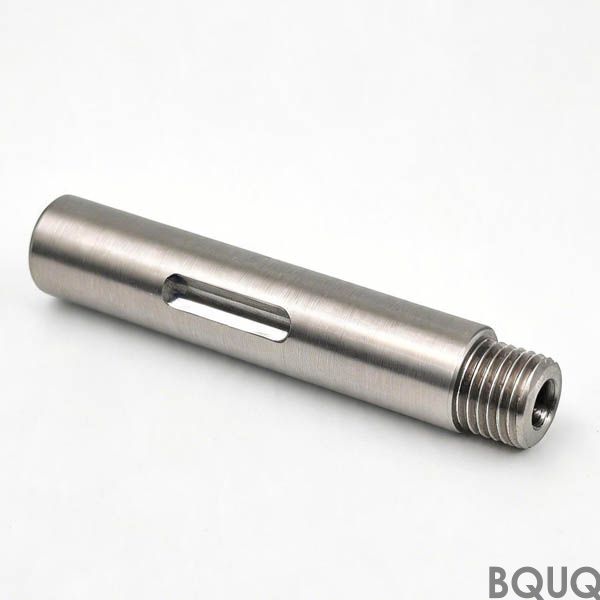
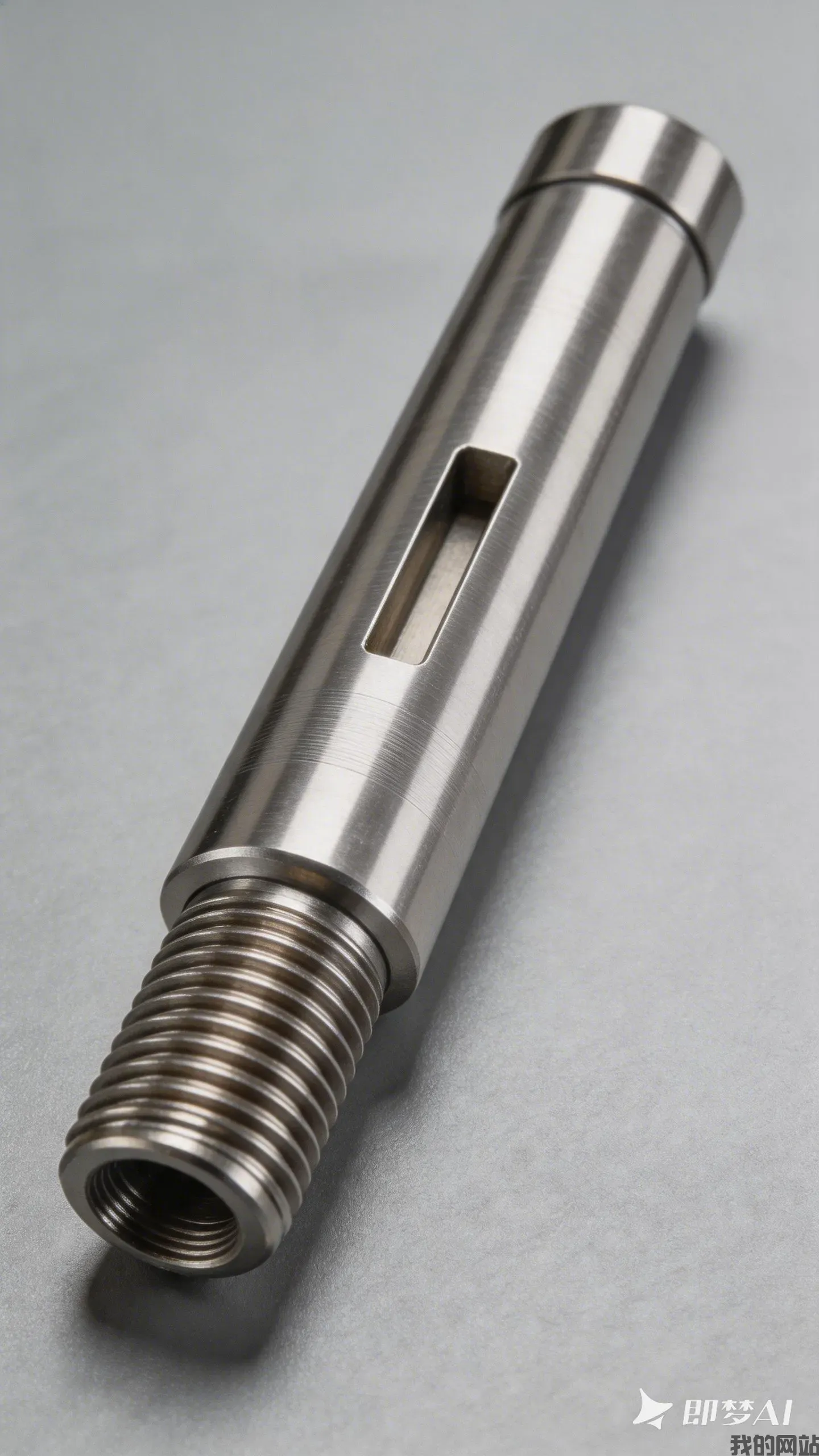
For round enclosures or connectors, CNC lathes achieve sub-10 micron roundness. Dual-spindle lathes enable backside machining without re-chucking, maintaining concentricity.
Electrical Discharge Machining (EDM) for Micro-Features
When needing extremely tight tolerances (under ±5 µm) for small features like ventilation slots or micro-connectors, wire or sinker EDM provides burr-free results.
| Process | Typical Tolerance | Best For |
|---|---|---|
| 3-Axis Milling | ±25 µm | Simple box enclosures |
| 5-Axis Milling | ±10 µm | Complex geometries |
| CNC Turning | ±5 µm | Cylindrical enclosures |
| EDM | ±2 µm | Micro-features |
Material Selection for High-Precision Enclosures
The choice of material directly impacts machinability and achievable tolerance. Common materials include:
Aluminum 6061-T6: Excellent strength-to-weight ratio, easy to machine, and stable for tight tolerances. Widely used for handheld electronic enclosures.
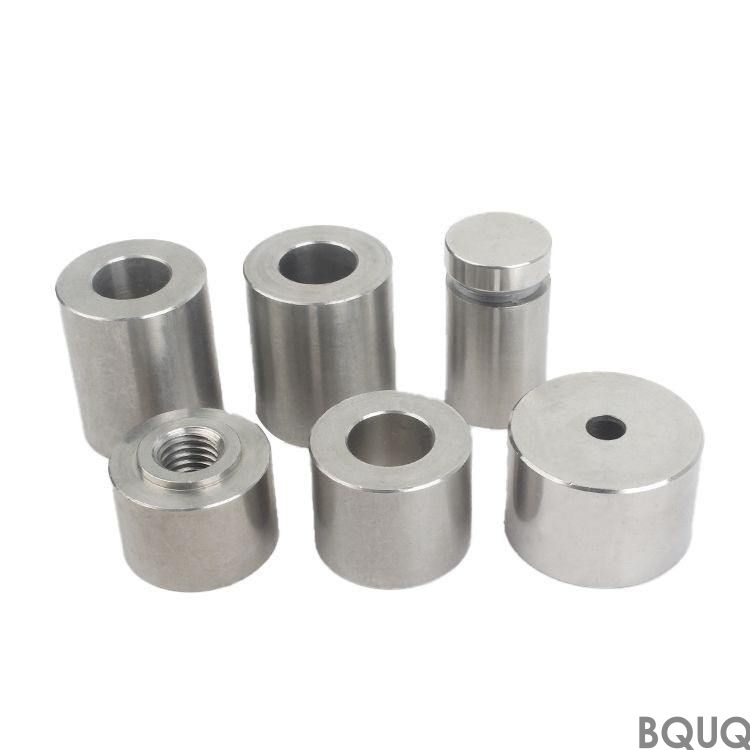
Stainless Steel 304: High corrosion resistance and strength, but work-hardens. Requires rigid setups and sharp tools for precision.
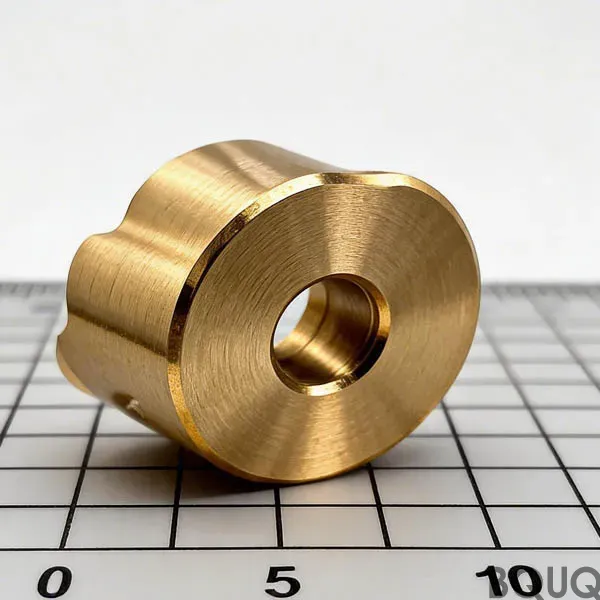
Brass: Ideal for RF enclosures due to EMI shielding properties. Good machinability with tight tolerances.
Plastics (ABS, PC): Lightweight and insulating, but thermal expansion must be accounted for. CNC machining offers better tolerances than injection molding.
Design Considerations for Tight Tolerance Machining
Designing for manufacturability (DFM) is crucial. Key principles include:
Radius Internal Corners: Sharp internal corners cause tool deflection and stress risers. A minimum radius of 0.5 mm improves tool life and accuracy.
Avoid Deep Pockets: Deep cavities require long tools that vibrate, reducing precision. If needed, use stepped walls or ribs.
Uniform Wall Thickness: Variations cause differential cooling and warpage. Maintain ±0.1 mm uniformity.
Datum Features: Reference points for machining and inspection ensure consistent alignment.
Thread Inserts: For plastic enclosures, insert metal threads to maintain tolerance under repeated assembly.
Quality Control and Inspection Methods
Verifying tight tolerances requires advanced metrology:
CMM (Coordinate Measuring Machine): Contact probing for critical dimensions with sub-micron accuracy.
Laser Scanners: Non-contact inspection for complex surfaces, generating point clouds for comparison to CAD.
Surface Roughness Testers: Ra values of 0.4 µm or less ensure proper sealing and aesthetic finish.
Go/No-Go Gauges: Quick checks for hole diameters and slot widths.
Surface Finishing and Post-Processing
After machining, surface treatments can affect tolerances. Consider:
Anodizing: Adds a thin oxide layer (typically 5-25 µm) that must be accounted for in tolerances.
Powder Coating: Thicker coating (50-150 µm) requires masking or pre-machining with underclearance.
Passivation: For stainless steel, this chemical process does not change dimensions.
Vibratory Deburring: Removes sharp edges while maintaining tight tolerances on critical surfaces.
Practical Tips for Achieving Tight Tolerances
Use High-Quality Tooling: Carbide tools with micro-grain carbide and TiAlN coatings reduce wear and maintain sharpness.
Optimize Cutting Parameters: Light cuts (0.1-0.3 mm depth) at high speeds reduce cutting forces and deflection.
Temperature Control: Use coolant to stabilize workpiece and machine temperature; thermal growth can shift dimensions by several microns.
Fixture Design: Custom fixtures with vacuum or pneumatic clamps prevent part movement during machining.
In-Process Probing: Touch probes on CNC machines allow real-time adjustments to compensate for tool wear.
First Article Inspection: Always inspect the first part thoroughly before running full production.
Achieving tight tolerances in CNC machining for electronics enclosures is a systematic process requiring attention to every detail—from design and material selection to machining strategy and quality control. By partnering with experienced precision manufacturers who invest in advanced equipment and rigorous inspection, you can ensure your enclosures meet the highest standards of performance and reliability. For your next electronics enclosure project, consider tight tolerance CNC machining to deliver robust, precise, and long-lasting products.
Frequently Asked Questions
What CNC machining processes can achieve the tightest tolerances for electronics enclosures?
Wire or sinker EDM achieves the tightest tolerances at ±2 µm, ideal for micro-features like ventilation slots or micro-connectors. CNC turning offers ±5 µm for cylindrical components, while 5-axis milling provides ±10 µm for complex geometries. 3-axis milling is less precise at ±25 µm, suited for simple box enclosures.
Why are tight tolerances critical for electronics enclosures?
Tight tolerances ensure electromagnetic compatibility by preventing RF leakage through precise gaps, optimize thermal management with accurate mating surfaces for heat sinks, enhance durability by reducing stress concentrations from consistent wall thickness, and improve assembly efficiency so parts fit without rework.
What materials are recommended for high-precision enclosures?
Aluminum 6061-T6 is a common choice due to its excellent strength-to-weight ratio and ease of machining, which helps maintain tight tolerances. The article highlights this material as suitable for precision enclosures, though other materials may be used depending on specific requirements.
When should I choose 5-axis CNC milling over 3-axis for an enclosure?
Choose 5-axis milling for enclosures with complex geometries, such as intricate internal cavities or mounting bosses, because it allows undercuts and angled features in a single setup, reducing tolerance stack-up. 3-axis is more cost-effective for simple box-like enclosures where ±25 µm tolerance is acceptable.