
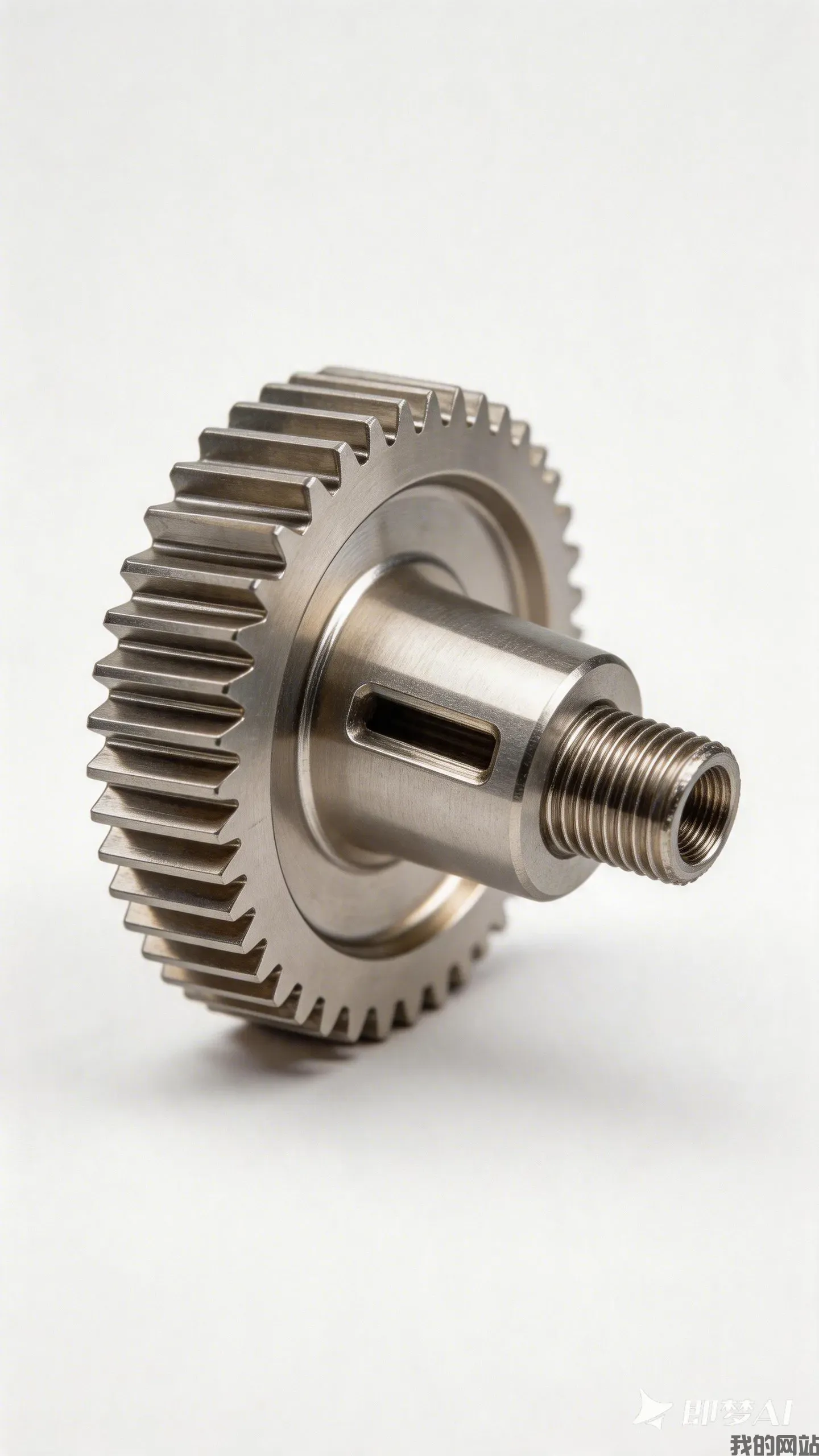
Top 5 Cost Reduction Strategies for CNC Machining
Jul 04,2026

Top 5 Cost Reduction Strategies for CNC Machining

1. Design for Manufacturability (DFM) Optimization

One of the most effective ways to reduce CNC machining costs is to optimize the design for manufacturability. By simplifying part geometries, reducing tight tolerances where possible, and minimizing the number of setups, you can significantly cut machining time and tool wear. For example, designing parts with standard hole sizes, avoiding deep cavities, and using uniform wall thicknesses can streamline the production process.

Collaborating closely with your CNC machining provider during the design phase allows you to identify potential cost drivers early. They can suggest modifications that reduce complexity without compromising functionality. Implementing DFM principles often leads to 20-30% cost savings on each part.

2. Material Selection and Standardization

Choosing the right material is crucial for cost control. While high-performance alloys may be necessary for certain applications, using standard grades like 6061 aluminum or 12L14 steel can lower material costs and improve machinability. Standardizing materials across different parts also enables bulk purchasing discounts and reduces inventory complexity.

Consider material waste as well. Near-net-shape blanks or extrusions can minimize scrap. Additionally, opting for materials that are easier to machine (e.g., free-machining steels) reduces cycle times and tool wear. These small changes can accumulate to substantial savings over large production runs.

3. Process Optimization and Automation

Lean manufacturing techniques such as reducing setup times, implementing cellular manufacturing, and using multi-axis machines can dramatically improve efficiency. For high-volume orders, investing in robotic loading/unloading and pallet changers keeps machines running longer with minimal downtime.

Automation doesn't have to be expensive. Even simple automation like bar feeders for lathes or automated tool measurement can reduce labor costs and human error. Process simulation software also helps optimize toolpaths, resulting in faster machining cycles and extended tool life.

4. Tooling and Fixture Efficiency

High-quality, purpose-built fixtures and tooling reduce cycle times and improve accuracy. Modular fixturing systems allow quick changeovers, while custom soft jaws or vacuum fixtures can securely hold complex parts. Using advanced cutting tools with optimized geometries and coatings (e.g., TiAlN) can increase feed rates and reduce tool changes.

Regular tool maintenance and monitoring (e.g., tool wear sensors) prevent unexpected failures and ensure consistent quality. By implementing a tooling management program, you can extend tool life by up to 50% and reduce per-part costs.

5. Quality Control and Inspection Integration

In-process inspection and statistical process control (SPC) help detect issues early, reducing scrap and rework. Automated probing during machining cycles can verify critical dimensions without removing the part. This not only ensures quality but also eliminates costly final inspection steps.

Integrating quality control into the CNC process reduces the need for expensive post-machining operations. Real-time data collection allows for adjustments before defects occur. Over time, this approach lowers overall costs by improving first-pass yield and reducing waste.

Frequently Asked Questions

How much can DFM optimization reduce CNC machining costs?

Implementing Design for Manufacturability (DFM) principles can lead to 20-30% cost savings on each part. This is achieved by simplifying geometries, reducing tight tolerances, minimizing setups, and collaborating with your provider early to identify cost drivers.

What materials are recommended for lowering CNC machining costs?

Standard grades like 6061 aluminum or 12L14 steel are recommended as they lower material costs and improve machinability. Standardizing materials across parts enables bulk purchasing discounts, and using free-machining steels reduces cycle times and tool wear.

How does automation help reduce CNC machining expenses?

Automation, such as robotic loading/unloading, pallet changers, and bar feeders, keeps machines running longer with minimal downtime. Even simple automation like automated tool measurement reduces labor costs and human error, while process simulation software optimizes toolpaths for faster cycles.

What is the potential tool life extension from a tooling management program?

A tooling management program, including regular maintenance and tool wear sensors, can extend tool life by up to 50%. Using advanced cutting tools with coatings like TiAlN also increases feed rates and reduces tool changes, lowering per-part costs.
Contact Us Quote
Get A Quote
We use cookie to improve your online experience. By continuing to browse this website, you agree to our use of cookie.

Cookies

Please read our Terms and Conditions and this Policy before accessing or using our Services. If you cannot agree with this Policy or the Terms and Conditions, please do not access or use our Services. If you are located in a jurisdiction outside the European Economic Area, by using our Services, you accept the Terms and Conditions and accept our privacy practices described in this Policy.
We may modify this Policy at any time, without prior notice, and changes may apply to any Personal Information we already hold about you, as well as any new Personal Information collected after the Policy is modified. If we make changes, we will notify you by revising the date at the top of this Policy. We will provide you with advanced notice if we make any material changes to how we collect, use or disclose your Personal Information that impact your rights under this Policy. If you are located in a jurisdiction other than the European Economic Area, the United Kingdom or Switzerland (collectively “European Countries”), your continued access or use of our Services after receiving the notice of changes, constitutes your acknowledgement that you accept the updated Policy. In addition, we may provide you with real time disclosures or additional information about the Personal Information handling practices of specific parts of our Services. Such notices may supplement this Policy or provide you with additional choices about how we process your Personal Information.


Cookies

Cookies are small text files stored on your device when you access most Websites on the internet or open certain emails. Among other things, Cookies allow a Website to recognize your device and remember if you've been to the Website before. Examples of information collected by Cookies include your browser type and the address of the Website from which you arrived at our Website as well as IP address and clickstream behavior (that is the pages you view and the links you click).We use the term cookie to refer to Cookies and technologies that perform a similar function to Cookies (e.g., tags, pixels, web beacons, etc.). Cookies can be read by the originating Website on each subsequent visit and by any other Website that recognizes the cookie. The Website uses Cookies in order to make the Website easier to use, to support a better user experience, including the provision of information and functionality to you, as well as to provide us with information about how the Website is used so that we can make sure it is as up to date, relevant, and error free as we can. Cookies on the Website We use Cookies to personalize your experience when you visit the Site, uniquely identify your computer for security purposes, and enable us and our third-party service providers to serve ads on our behalf across the internet.

We classify Cookies in the following categories:
 ●  Strictly Necessary Cookies
 ●  Performance Cookies
 ●  Functional Cookies
 ●  Targeting Cookies


Cookie List
A cookie is a small piece of data (text file) that a website – when visited by a user – asks your browser to store on your device in order to remember information about you, such as your language preference or login information. Those cookies are set by us and called first-party cookies. We also use third-party cookies – which are cookies from a domain different than the domain of the website you are visiting – for our advertising and marketing efforts. More specifically, we use cookies and other tracking technologies for the following purposes:

Strictly Necessary Cookies
These cookies are necessary for the website to function and cannot be switched off in our systems. They are usually only set in response to actions made by you which amount to a request for services, such as setting your privacy preferences, logging in or filling in forms. You can set your browser to block or alert you about these cookies, but some parts of the site will not then work. These cookies do not store any personally identifiable information.

Functional Cookies
These cookies enable the website to provide enhanced functionality and personalisation. They may be set by us or by third party providers whose services we have added to our pages. If you do not allow these cookies then some or all of these services may not function properly.

Performance Cookies
These cookies allow us to count visits and traffic sources so we can measure and improve the performance of our site. They help us to know which pages are the most and least popular and see how visitors move around the site. All information these cookies collect is aggregated and therefore anonymous. If you do not allow these cookies we will not know when you have visited our site, and will not be able to monitor its performance.

Targeting Cookies
These cookies may be set through our site by our advertising partners. They may be used by those companies to build a profile of your interests and show you relevant adverts on other sites. They do not store directly personal information, but are based on uniquely identifying your browser and internet device. If you do not allow these cookies, you will experience less targeted advertising.

How To Turn Off Cookies
You can choose to restrict or block Cookies through your browser settings at any time. Please note that certain Cookies may be set as soon as you visit the Website, but you can remove them using your browser settings. However, please be aware that restricting or blocking Cookies set on the Website may impact the functionality or performance of the Website or prevent you from using certain services provided through the Website. It will also affect our ability to update the Website to cater for user preferences and improve performance. Cookies within Mobile Applications

We only use Strictly Necessary Cookies on our mobile applications. These Cookies are critical to the functionality of our applications, so if you block or delete these Cookies you may not be able to use the application. These Cookies are not shared with any other application on your mobile device. We never use the Cookies from the mobile application to store personal information about you.

If you have questions or concerns regarding any information in this Privacy Policy, please contact us by email at . You can also contact us via our customer service at our Site.