7 Top Benefits of Custom Heat Sink Stamping Services
Custom heat sink stamping services offer a unique combination of precision, efficiency, and cost-effectiveness for thermal management solutions. By utilizing advanced metal stamping techniques, manufacturers can produce high-quality heat sinks that meet specific design requirements while optimizing performance. Whether you are in electronics, automotive, or industrial sectors, understanding the benefits of custom heat sink stamping can help you make informed decisions for your thermal management needs. Below are the top 7 benefits of choosing custom heat sink stamping services.
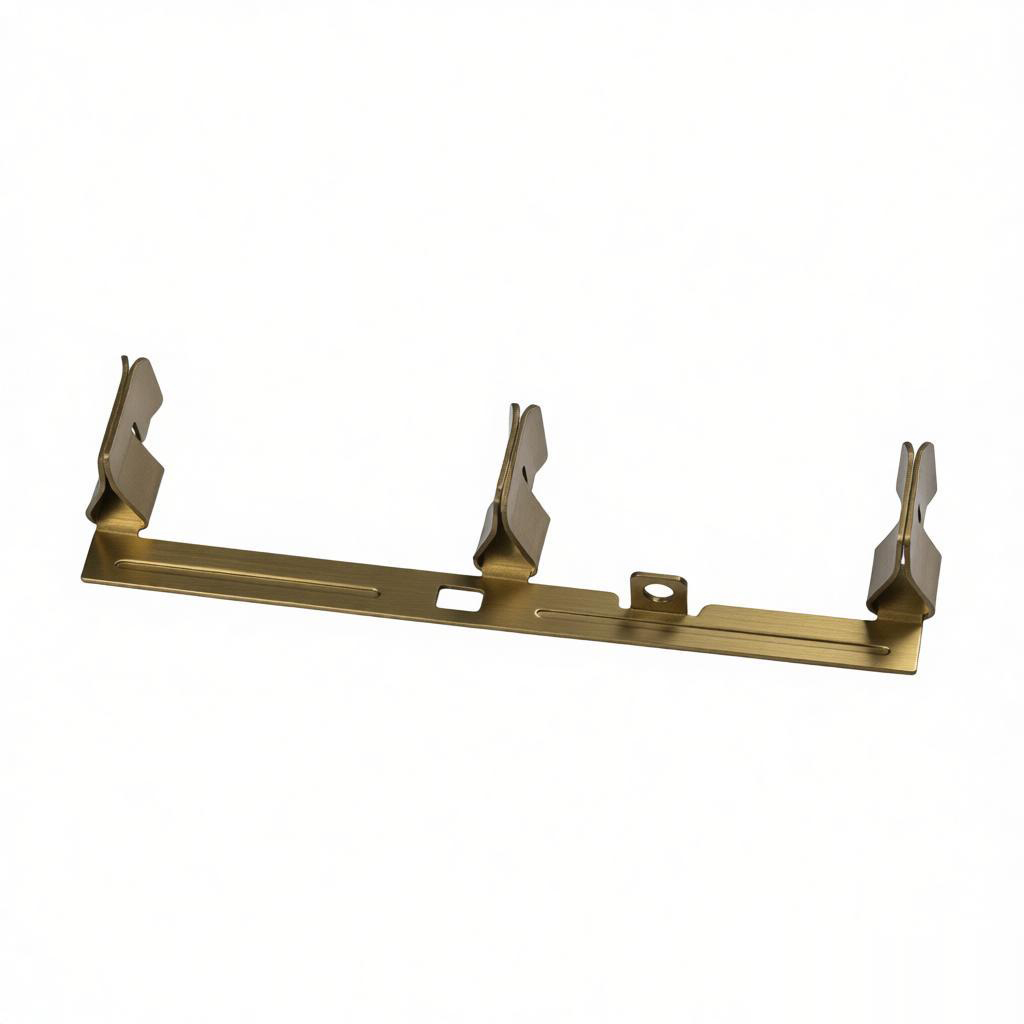
1. Cost-Effective Production
Custom heat sink stamping significantly reduces production costs compared to traditional machining methods. The stamping process allows for high-speed manufacturing with minimal material waste, as the dies are designed to maximize material utilization. This efficiency translates into lower per-unit costs, especially for medium to high volume runs.
Additionally, the tooling costs for stamping are amortized over large production quantities, making it an economical choice for long-term projects. The reduced need for secondary operations, such as cutting or drilling, further lowers expenses. For businesses looking to balance quality with budget, custom heat sink stamping offers a compelling cost advantage.
2. Design Flexibility
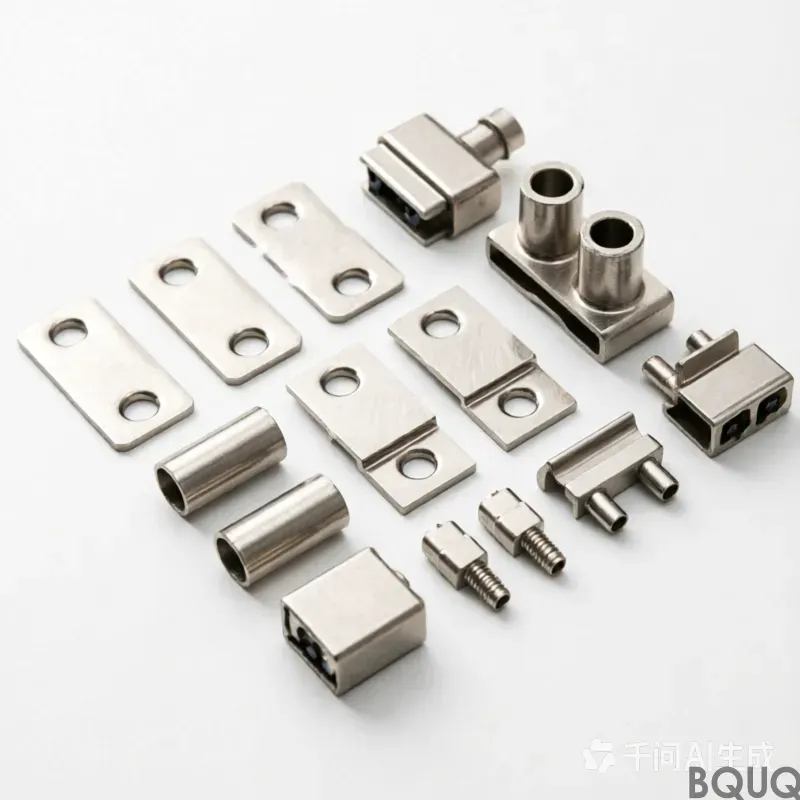
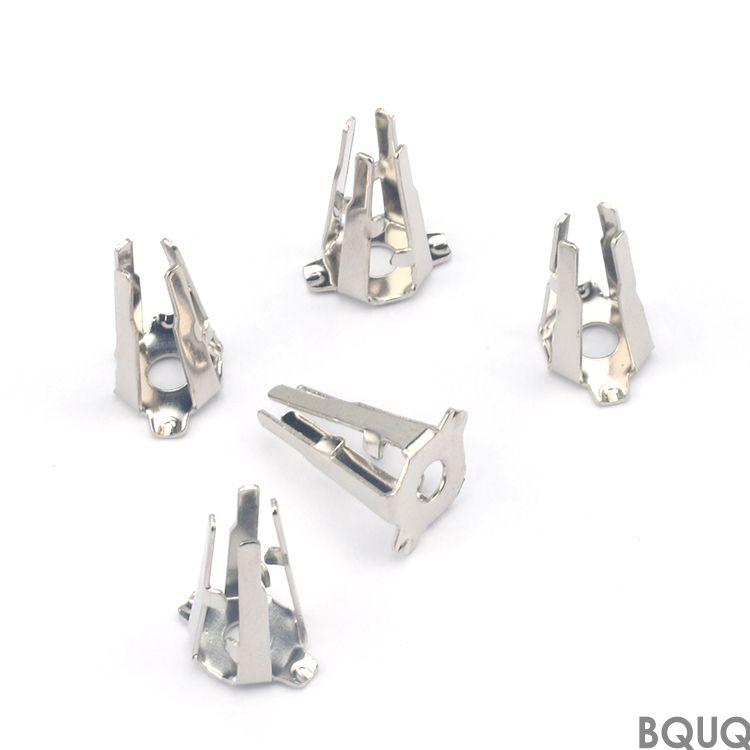
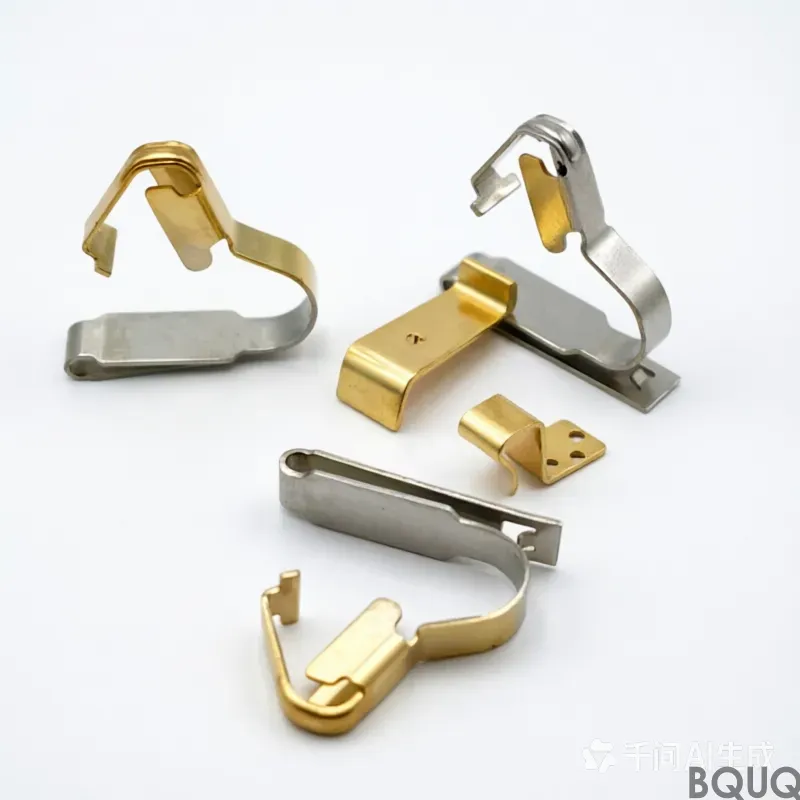
Stamping technology accommodates a wide range of heat sink designs, from simple flat shapes to complex geometries with fins, pins, or custom mounting holes. Engineers can create intricate patterns that enhance heat dissipation without compromising structural integrity. The flexibility in design allows for optimized thermal performance tailored to specific applications.
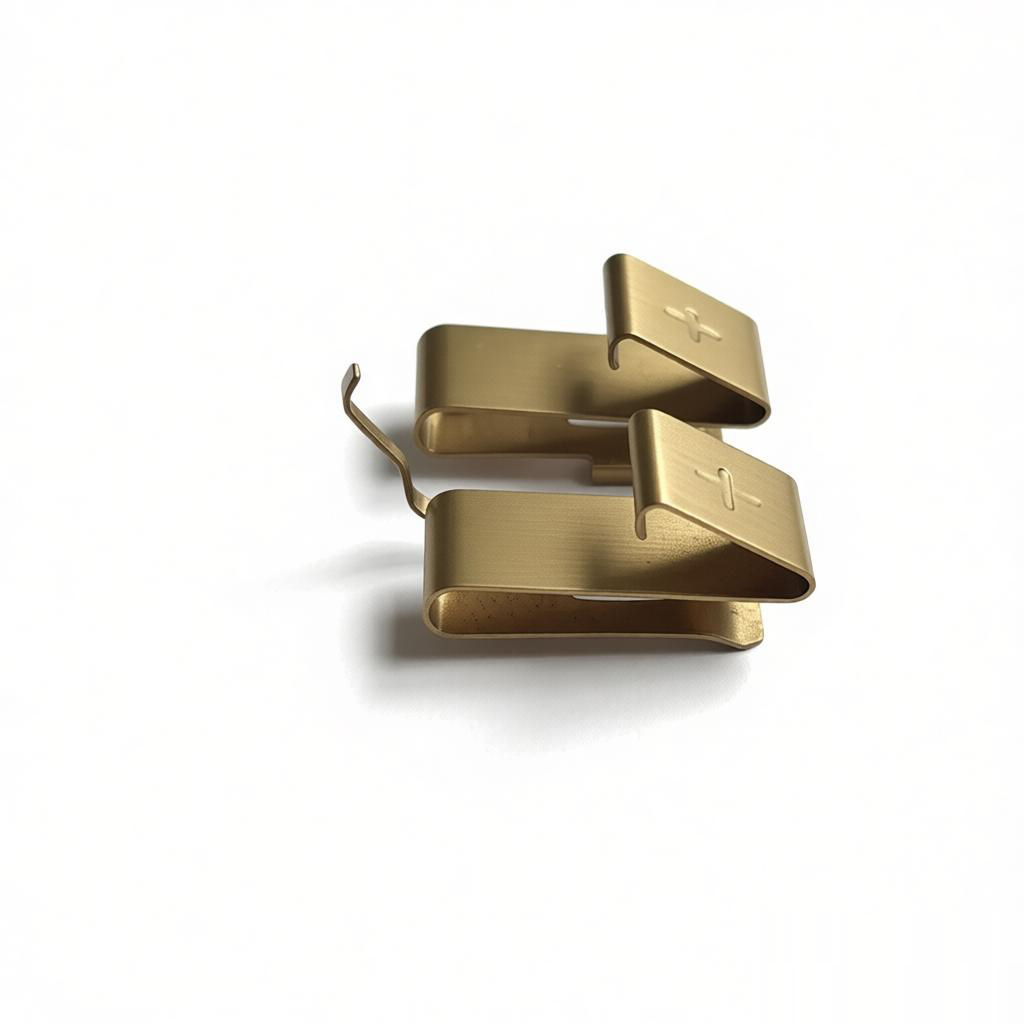
Moreover, custom stamping can integrate features like embossed logos, alignment tabs, or attachment points directly into the heat sink. This reduces assembly steps and improves product functionality. With advanced CAD and simulation tools, designers can refine geometries before production, ensuring the final product meets exact specifications.
3. High Precision and Consistency
Custom heat sink stamping delivers exceptional precision, with tolerances as tight as ±0.1 mm. The use of progressive dies ensures that each part is identical, maintaining consistent thickness, flatness, and feature placement across large batches. This repeatability is critical for applications where heat sinks must fit precisely into electronic assemblies.
Automated stamping processes minimize human error and variability. In-line inspection systems can monitor quality in real time, detecting defects early. High precision also contributes to better thermal contact between the heat sink and the heat source, improving overall cooling efficiency.
4. Fast Turnaround Times
Once the stamping dies are designed and manufactured, production speeds are remarkably fast. Stamping presses can produce hundreds of parts per minute, enabling rapid fulfillment of large orders. This agility is beneficial for industries with tight deadlines or fluctuating demand.
Furthermore, custom heat sink stamping services often offer streamlined prototyping capabilities. Using soft tooling or laser cutting for initial samples, manufacturers can quickly iterate designs before committing to hard dies. This reduces time to market and allows for faster product development cycles.
5. Material Optimization
Stamping allows for efficient use of a variety of metals, including aluminum, copper, brass, and steel alloys. Each material can be selected based on thermal conductivity, weight, and cost requirements. For instance, aluminum is lightweight and cost-effective, while copper offers superior heat transfer.
The stamping process can also incorporate material thickness variations within a single part, such as thinner fins for weight reduction and thicker bases for heat absorption. Additionally, scrap metal from stamping can be recycled, supporting sustainability goals. Material optimization leads to better performance and lower environmental impact.
6. Enhanced Thermal Performance
Custom stamping techniques can produce heat sinks with superior surface finishes and intricate fin geometries that maximize surface area for heat dissipation. The ability to form sharp edges and tight fin spacing without burrs improves airflow and thermal transfer. This results in more efficient cooling for high-power electronic components.
Moreover, stamping can create features like pin fins or staggered arrays that outperform conventional extruded heat sinks in natural convection scenarios. The combination of optimized geometry and material selection ensures that custom stamped heat sinks meet or exceed thermal performance targets, even in constrained spaces.
7. Scalability for Mass Production
Custom heat sink stamping is inherently scalable. Once tooling is developed, production volumes can be ramped up quickly without significant lead time increases. This scalability makes it an ideal solution for mass production runs, from thousands to millions of units per year.
Manufacturers can also adapt to changing demand by adjusting press speeds or running multiple shifts. The process lends itself to automation, including automatic feeding, stacking, and packaging. For OEMs and contract manufacturers, the ability to scale production efficiently ensures consistent supply chain reliability.
In conclusion, custom heat sink stamping services offer a multitude of benefits that make them a top choice for thermal management solutions. From cost savings and design flexibility to high precision and scalability, the advantages are clear. By partnering with an experienced metal stamping provider, you can leverage these benefits to create high-performance heat sinks that meet your exact requirements.
Frequently Asked Questions
What tolerances can I expect with custom heat sink stamping?
Custom heat sink stamping delivers exceptional precision with tolerances as tight as ±0.1 mm. Progressive dies ensure identical parts with consistent thickness, flatness, and feature placement across large batches, which is critical for precise fitting in electronic assemblies.
How does custom heat sink stamping reduce production costs?
Stamping reduces costs through high-speed manufacturing and minimal material waste, as dies maximize material utilization. Tooling costs are amortized over large quantities, and fewer secondary operations like cutting or drilling are needed, lowering per-unit expenses for medium to high volume runs.
Can custom heat sink stamping handle complex designs?
Yes, stamping accommodates a wide range of designs, from simple flat shapes to complex geometries with fins, pins, or custom mounting holes. It can integrate features like embossed logos, alignment tabs, or attachment points directly, reducing assembly steps and improving functionality.
What industries benefit from custom heat sink stamping?
Industries such as electronics, automotive, and industrial sectors benefit from custom heat sink stamping. The process offers design flexibility and high precision, enabling optimized thermal performance tailored to specific applications in these fields.