2J collet guide: sizes, capacity, precision, step chucks and how 2J collets serve second-operation machining on CNC lathes and grinders.
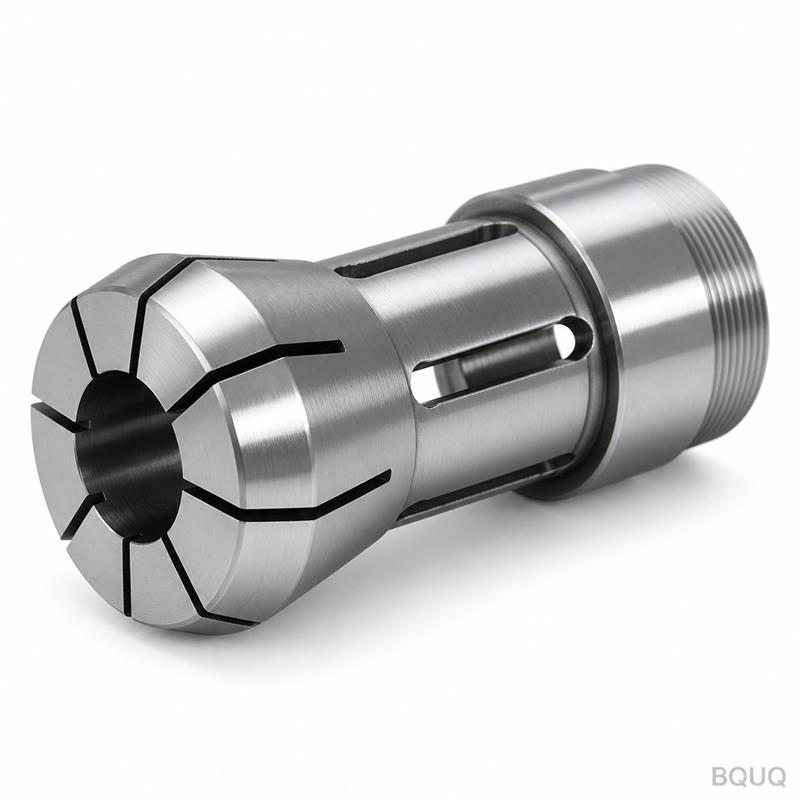
2J Collets: The Workhorse of Second-Op Machining
Short answer: the 2J collet is a round, threaded-nose collet system (2 inches body diameter) that became the default workholding for second-operation lathe work — gripping machined parts for facing, back-drilling, threading and finishing. It covers stock roughly 3–150 mm through interchangeable pads and step chucks, repeats within microns on a clean setup, and switches in seconds. If your shop does second ops on parts that already have a machined diameter, 2J is the system the tooling catalogs assume you own.
Second-operation machining — taking a part that was turned, stamped or cast and adding the features that finish it — lives on workholding flexibility. The part arrives with an existing diameter you must grip without damaging, and the next part may be a different size entirely. The 2J collet system solves that with a family of pads and step chucks around one collet body. This guide covers what 2J means, what fits it, and how to pick the configuration.
What 2J Means
The "2J" designation comes from the collet body size: a 2-inch (50.8 mm) body with a threaded nose, standardized by the original hardinge-style system and now manufactured by many makers to the same interface. The collet body screws into the spindle or drawbar, and the gripping element inside is interchangeable. Because the interface is standardized, a shop can own one collet body and a drawer of pads covering many diameters — which is why 2J shows up on second-op lathes, toolroom lathes, CNC lathes and cylindrical grinders across the industry.
Pads, Step Chucks and the Capacity Range
| Configuration | What it grips | Typical range |
|---|---|---|
| Round pads | Round stock, diameters | ~3–25 mm (sets) |
| Hex / square pads | Hex and square stock | Per pad size |
| Step chucks (soft) | Machined diameters, irregular parts | Up to ~150 mm capacity |
| Emergency collets | One-off diameters (machined to size) | As machined |
Step chucks are the reason 2J dominates second ops: a soft, machinable chuck you bore to the exact diameter of the finished part, giving full-circumference grip on a delicate surface without marks. For round bar, hardened round pads give fast, repeatable gripping. The pad system means changing from 12 mm to 16 mm is a pad swap, not a collet swap — seconds on a well-set machine.
Precision and Grip
A clean 2J setup with hardened pads and matched stock repeats to a few microns at the gripping diameter; step chucks bored in place give the same class of concentricity on the part diameter they were cut to. The draw-in action seats the part against a stop or shoulder, holding length repeatably for facing and threading ops. Grip force comes from the draw tube or handwheel pulling the collet into its taper — on CNC machines the drawbar force is adjustable, letting you protect thin-wall parts from distortion. The practical rule: for second ops where the previous diameter is the datum, bore a step chuck or use a pad matched to that diameter; gripping on a different surface invites runout no collet can cure.
When 2J Is the Wrong Tool
| Situation | Better choice |
|---|---|
| First-op bar work on a Swiss or auto lathe | Spring collet / guide bushing system |
| Huge chucking force for roughing heavy stock | Power chuck |
| Long run, one dedicated diameter | Fixed collet, no pad system needed |
| Very large diameters (>150 mm) | Standard chuck with soft jaws |
| Simultaneous front/back working | Sub-spindle with dedicated collet |
2J shines at short-run, multi-diameter second ops. Dedicated high-volume first-op work belongs on spring collets sized to the bar; heavy roughing belongs on power chucks. Many CNC lathes run both: a spring collet or chuck on the main spindle for first op, a 2J-equipped sub-spindle or second machine for the finish ops.
Buying 2J: What to Specify
When ordering 2J tooling, specify the body thread/taper matching your machine (the standard 2J taper is 1-1/2° included on the body; check your spindle's drawbar interface), the pad or step chuck type and the exact diameter range, and whether you need an emergency collet for odd sizes. Confirm pad material — hardened steel for production, aluminum or brass for marked surfaces. And buy spares for the diameters you run constantly; 2J pads are inexpensive, and a worn pad shows up as runout long before it looks worn.
Frequently Asked Questions
Q: What is a 2J collet?
A: A 2J collet is a 2-inch-body collet system with a standardized tapered and threaded interface, using interchangeable pads and step chucks to grip many diameters with one collet body. It is the standard workholding for second-operation lathe work.
Q: What is the capacity of a 2J collet?
A: Round pads typically cover roughly 3-25 mm per set, while step chucks extend capacity to about 150 mm by boring the soft chuck to the part diameter. Hex and square pads grip shaped stock. The exact range depends on the maker and configuration.
Q: How accurate is a 2J collet setup?
A: A clean setup with hardened pads repeats within a few microns at the gripping diameter, and a step chuck bored in place gives similar concentricity on the part diameter it was cut to. Grip on the part's datum diameter is the key to holding that accuracy.
Q: What is a 2J step chuck?
A: A soft, machinable chuck in the 2J format that you bore to the exact diameter of a finished part. It gives full-circumference, mark-free grip on machined surfaces — the standard answer for second ops on parts with an existing precision diameter.
Q: When should I use a 2J collet instead of a power chuck?
A: Use 2J for short-run, multi-diameter second-op work where quick pad changes and gentle grip matter. Use a power chuck for heavy roughing or large diameters, and spring collets for dedicated first-op bar work. Many shops use all three in the same production flow.
Authored by the BQUQ Engineering Team. BQUQ is an ISO9001-certified source factory in Dongguan, China, running CNC machining, metal stamping, custom springs, heat sink and collet lines under one roof. Send drawings to sc@bquq.com or WhatsApp +86 13713157787 for a quote within 12 working hours. www.bquq.com