China manufacturing regions compared for sourcing: Dongguan, Shenzhen, Suzhou, Ningbo and more — strengths, tolerances, industries and how region choice affects quality.
China Manufacturing Regions: Where Your Part Should Be Made
Short answer: choose the region by what your part is and how you buy it — Shenzhen for fast electronics-heavy prototyping and coordination, Dongguan for high-volume precision hardware and stamping (the densest cluster of tooling shops in the world), Suzhou/Shanghai for medical and high-end precision, Ningbo for castings and large metal parts, and the Shandong/Chongqing belts for very large quantities of simpler parts. For a precision metal buyer, Dongguan and the Pearl River Delta remain the default because the entire supply chain — machines, tool steel, heat treat, plating, inspection — sits within an hour's drive.
China is not one factory market; it is several regional clusters that grew around different industries, and a part sourced from the wrong cluster pays for the mistake in lead time, quality and coordination. This guide maps the clusters that matter for precision metal buyers and how to route your RFQ to the right one.
The Pearl River Delta: Shenzhen and Dongguan
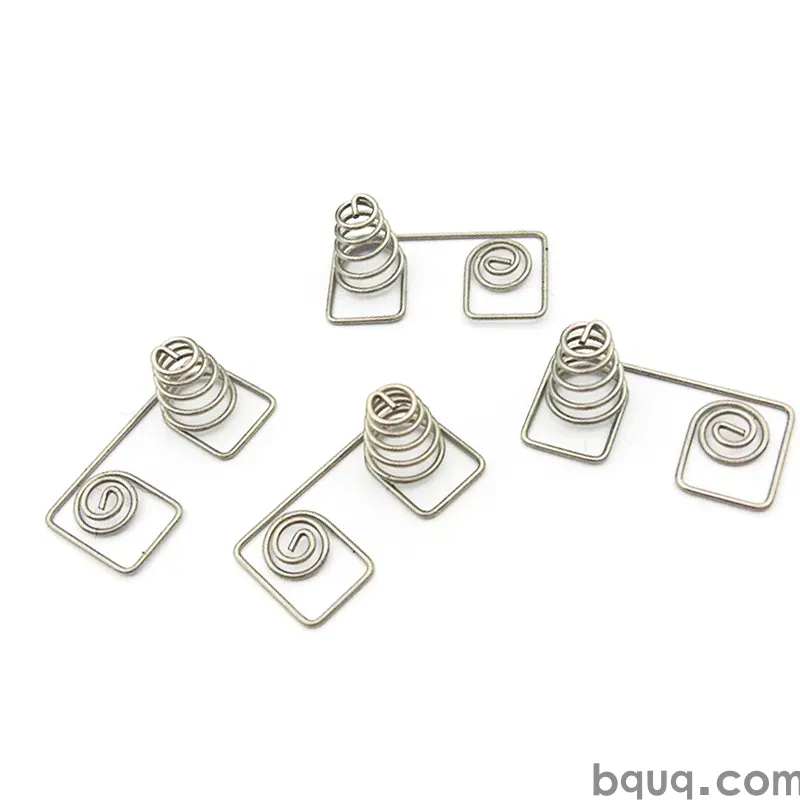
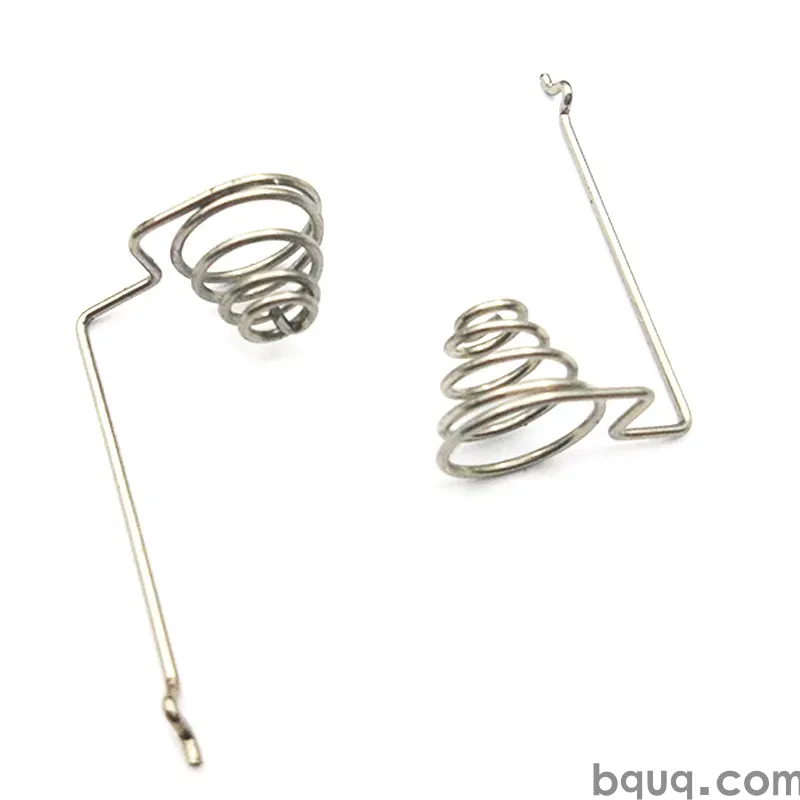
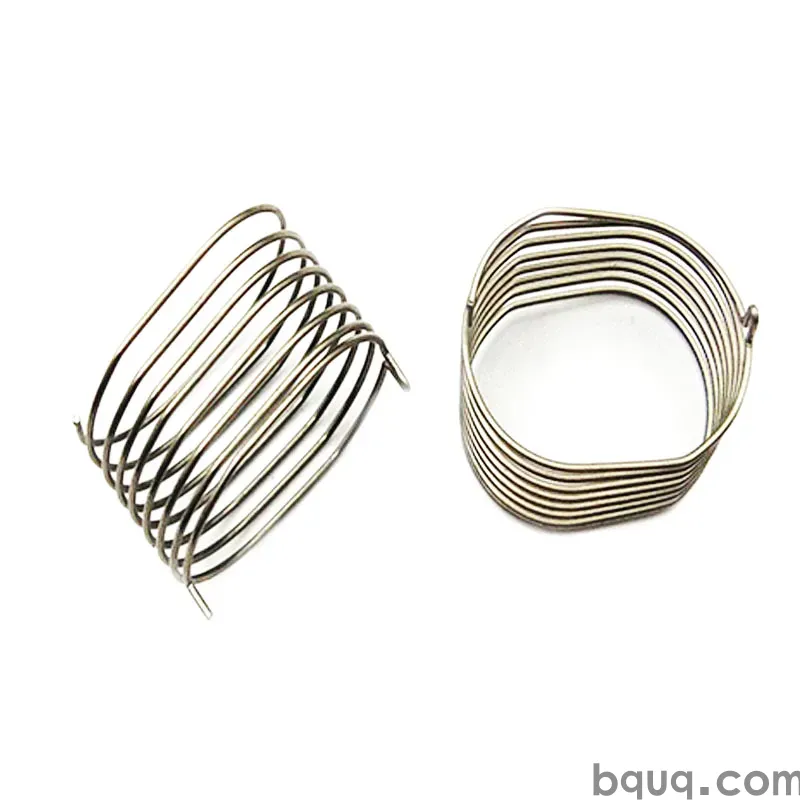
The PRD is the electronics and precision-hardware heartland. Shenzhen built itself on electronics — fast prototyping, PCBA, consumer devices — and its shops are geared to speed and iteration; that makes it strong for prototypes, small series and product development, and weak on the cost curve for huge volumes. Dongguan, Shenzhen's manufacturing neighbor, is the world's densest concentration of precision metal work: CNC machining, stamping dies, springs, molds, connectors. A Dongguan factory can walk a die design next door for tool steel, send a batch across town for heat treatment, and plate it five kilometers away — vertical integration by geography. For precision metal parts at scale, Dongguan is where the RFQ should land. The ecosystem also includes Huizhou (lower-cost overflow), Foshan and Zhongshan (appliances and sheet metal).
The Yangtze River Delta: Suzhou, Shanghai, Ningbo
The YRD grew on automotive, medical and semiconductor supply chains. Suzhou and its surroundings host foreign-owned and joint-venture precision shops serving medical devices, semiconductors and automation — strong documentation culture, higher costs, excellent for regulated industries. Shanghai adds R&D and headquarters functions. Ningbo, further south in Zhejiang, is the casting and die-casting capital — aluminum and zinc die casting, sand casting, plus a deep fastener and hardware base. If your part is a casting, Ningbo clusters answer fastest; if it is a medical instrument requiring tight process control, Suzhou-area shops carry the certifications.
Other Clusters Worth Knowing
| Region | Strength | Best for |
|---|---|---|
| Qingdao / Shandong | Large-volume machining, appliances | Big runs of simpler precision parts |
| Changzhou / Wuxi | Gears, transmission parts | Drivetrain and mechanical parts |
| Chongqing / Chengdu | Automotive, large castings | Heavy automotive supply |
| Hebei (Cangzhou) | Sheet metal, heavy fabrication | Enclosures and structural metal |
| Xiamen | Precision machining, medical | Mid-size regulated precision work |
These secondary clusters are usually cost-competitive with the deltas but thinner on supporting services — a specialist plating or heat-treat step may require shipping to a nearby city, adding a week and a coordination point. For most precision metal buyers, the delta clusters remain the risk-minimizing choice.
How Region Choice Affects Your RFQ
The practical differences show up in four RFQ dimensions. Lead time: Shenzhen and Dongguan prototype fastest (days), and Dongguan production runs fast because dies, tools and finishing are local. Quality systems: the YRD carries more IATF/ISO 13485-certified shops per square kilometer; the PRD has them but you must verify per factory. Cost: PRD secondary cities and Shandong undercut the delta core by 10-30% on labor-heavy work, at some coordination cost. And specialization: a stamped connector with gold plating belongs in Dongguan, a cast aluminum housing in Ningbo, a medical titanium instrument in Suzhou — routing to the specialty cluster beats routing to the cheap cluster every time.
Dongguan as the Source-Factory Default
For a buyer consolidating CNC, stamping, springs and heat sinks, Dongguan offers something no other cluster matches: one factory running multiple processes under one roof, with the whole auxiliary chain minutes away. A source factory in Dongguan can take a drawing that mixes machined brackets, stamped contacts and a custom spring, produce all three, and ship them as one assembly — which collapses the coordination cost of splitting the job across Shenzhen (prototype), Ningbo (casting) and Suzhou (precision). When you are qualifying a supplier, ask where their sub-suppliers sit: a "factory" whose heat treat and plating are three provinces away is really a trader with machines.
Frequently Asked Questions
Q: Which Chinese city is best for precision manufacturing?
A: Dongguan in the Pearl River Delta is the default for precision metal parts — the densest cluster of CNC, stamping, mold and finishing shops anywhere, with the entire supply chain within an hour. Suzhou suits medical/high-end regulated precision, Shenzhen suits fast electronics prototyping, and Ningbo suits castings.
Q: What is the difference between Shenzhen and Dongguan manufacturing?
A: Shenzhen is electronics-centric — fast prototyping, PCBA and product development. Dongguan is precision hardware-centric — CNC machining, stamping dies, springs and molds at volume. Many companies prototype in Shenzhen and move production to Dongguan for scale.
Q: Where should I source castings from China?
A: The Ningbo/Zhejiang cluster is China's casting capital — aluminum and zinc die casting, sand casting and fasteners. For castings that then need precision machining, pairing a Ningbo foundry with a machining partner is common, or use a factory that runs both.
Q: Is it cheaper to manufacture outside the main deltas?
A: Often 10-30% cheaper on labor-heavy work in secondary clusters like Shandong, Chongqing or Cangzhou. The trade-off is thinner supporting services — plating, heat treat or specialty inspection may be farther away, adding lead time and coordination risk. For precision work, the delta clusters usually win on total cost.
Q: How do I choose a manufacturing region for my RFQ?
A: Match the region to the part: stamped connectors and precision hardware to Dongguan, fast electronics prototypes to Shenzhen, medical/regulated precision to Suzhou, castings to Ningbo, and large simple volumes to secondary clusters. Then verify the factory's own processes — a supplier whose subcontractors are far away carries hidden coordination risk.
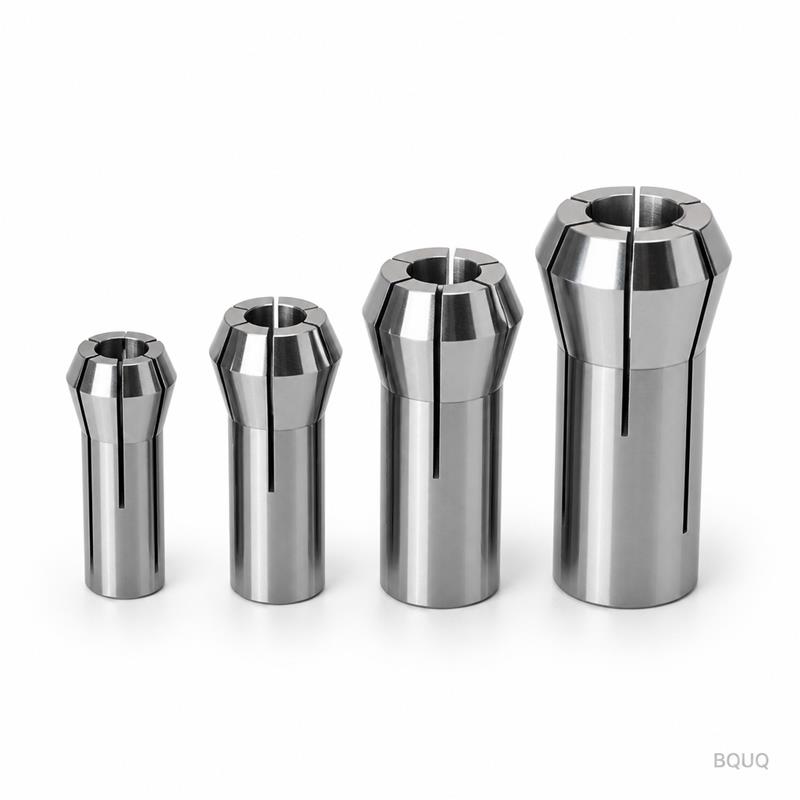
Authored by the BQUQ Engineering Team. BQUQ is an ISO9001-certified source factory in Dongguan, China, running CNC machining, metal stamping, custom springs, heat sink and collet lines under one roof. Send drawings to sc@bquq.com or WhatsApp +86 13713157787 for a quote within 12 working hours. www.bquq.com