Compare Dongguan, Shenzhen, Ningbo as sourcing bases: specialization, cost, logistics, engineering depth. Why Dongguan factory BQUQ suits precision parts.
Dongguan vs Shenzhen vs Ningbo: China's Precision Manufacturing Hubs
Dongguan, Shenzhen and Ningbo are three different answers to the same question — where should I source precision parts in China? Shenzhen wins on engineering ecosystems and speed to prototype, Dongguan wins on dense, lower-cost precision manufacturing across CNC, stamping, springs and molds, and Ningbo wins on die casting, fasteners and port logistics. Match the hub to your part's process, volume and cost structure, not to a city's reputation.
All three cities are excellent by global standards. The differences are in emphasis, cost level and supply-chain shape, and those differences change which factory you should talk to first. This comparison uses ranges and qualitative rankings because factory-level reality varies more than city-level averages — a bad factory exists in every city, and a world-class one does too.
What Each Hub Is Known For
The three cities grew different industrial muscles for historical reasons, and the specialization is still visible today. Shenzhen rode electronics assembly and innovation policy; Dongguan absorbed the mass-production hardware and tooling base that Shenzhen's rising costs pushed out; Ningbo built its industry around heavy hardware, die casting and one of the world's busiest container ports.
| Factor | Shenzhen | Dongguan | Ningbo |
|---|---|---|---|
| Core strength | Electronics, R&D, rapid prototyping, HQ/engineering | Precision machining, stamping, molds/tooling, springs, mid-volume hardware | Die casting, fasteners, hardware, heavy industry, valves |
| Typical cost level | Highest of the three | Middle — lower than Shenzhen | Competitive; low land and labor historically |
| Engineering ecosystem | Deep: design houses, PCB, firmware, software nearby | Deep manufacturing engineering: tooling, process, QC | Process-heavy: foundry, forging, casting expertise |
| Logistics | Air freight via Shenzhen Bao'an; sea via Yantian/Shekou | Close to Shenzhen ports; strong express networks | Home of Ningbo-Zhoushan port (one of the world's largest by cargo tonnage) |
| Best match | Prototypes, electronics-enclosure programs, innovation cycles | CNC parts, stamped parts, springs, assemblies at moderate-to-high volume | Castings, large hardware, fasteners, export-heavy programs |
Industry shorthand: Shenzhen is where products are invented, Dongguan is where they are made in precision metal, and Ningbo is where heavy hardware is cast and shipped. That is a generalization — each city has all three capabilities — but it is a useful first filter.
Cost Comparison in Ranges
Factory cost differences between the hubs are real but narrower than most buyers assume. The biggest line items — raw material, steel and aluminum — are priced nationally and barely differ between cities. The differences sit in labor, land, energy and the density of the local supply chain, which affects subcontract turnaround.
| Cost factor | Shenzhen | Dongguan | Ningbo |
|---|---|---|---|
| Production worker cost (monthly, typical) | Highest — roughly 10–20% above Dongguan | Middle — baseline for comparison | Similar to Dongguan, historically slightly lower |
| Industrial land/rent | Highest, tightest supply | Moderate, abundant industrial parks | Moderate, more greenfield space |
| Subcontract services (plating, anodizing, heat treat) | Available but pricier and farther | Dense — short distances, fast turnarounds | Available, oriented to casting/finishing chains |
| Freight cost effect | Air-freight friendly | Air via Shenzhen, sea via Shenzhen ports | Sea-freight strongest: port in the city |
| Typical effect on part price | +5–15% vs Dongguan for the same machined part | Baseline | Comparable to Dongguan for cast/hardware; machining similar |
The takeaway for buyers: for precision machined and stamped parts, Dongguan generally gives the best balance of engineering depth and cost, while Shenzhen adds a premium you are paying for ecosystem speed. Ningbo looks cheapest on paper only if your part is actually a casting or a fastener — shipping a CNC aluminum part from Ningbo to save a fraction of labor cost rarely makes sense.
Logistics and Lead Time Reality
Freight is where the cities differ most sharply. Air freight from Shenzhen and Dongguan to the US or EU runs roughly 5–7 days door to door including customs; from Ningbo, air cargo usually trucks to Shanghai or Ningbo's own airfreight connections, adding a day. Sea freight from Shenzhen's Yantian/Shekou or Ningbo-Zhoushan to the US West Coast typically runs 14–20 days sailing, plus 5–10 days for loading and customs — call it 20–30 days total to a US warehouse. To Europe, sea transit is roughly 25–35 days.
Ningbo-Zhoushan is the world's largest port by cargo tonnage and a genuine advantage for full-container hardware programs. Dongguan's advantage is different: factories sit 30–90 minutes from Shenzhen's airports and ports, so mixed shipments — air a few prototype pieces, send the balance by sea — are operationally easy. That split-ship pattern is common for the prototype-to-production workflow we describe elsewhere.
Engineering Depth: The Hidden Differentiator
Price and logistics get compared first; engineering depth decides delivery. Shenzhen's density of design houses means a factory there routinely works with customers who iterate weekly — the strength is speed of communication and ecosystem services. Dongguan's strength is older and less glamorous: decades of mold-making and mass-production know-how, which shows up as realistic DFM feedback, stable tooling and process discipline on stamping, CNC and spring work. Ningbo's engineering depth is in heavy process: die casting, forging, heat treatment and large-part machining.
For a precision hardware buyer, the practical question is which kind of engineer you need in the loop. A stamped contact or precision spring benefits from Dongguan-style tooling and process depth. A magnesium or aluminum die casting belongs in Ningbo. An electronics enclosure with frequent design changes benefits from Shenzhen proximity to your design team. The factory matters more than the city — which is exactly why our guide to vetting precision hardware manufacturers and our factory audit checklist are built around supplier evidence, not city stereotypes.
A Decision Framework for Buyers
| Your situation | First choice | Why |
|---|---|---|
| CNC machined parts, moderate volume, cost-sensitive | Dongguan | Dense machining base, lower cost than Shenzhen, fast subcontract turnaround |
| Stamped parts, springs, tooling-heavy programs | Dongguan | Mold/tooling depth and process maturity |
| Die castings, heavy hardware, fasteners, container loads | Ningbo | Foundry expertise and the port on site |
| Rapid iteration, electronics integration, design nearby | Shenzhen | Ecosystem speed, prototyping services, engineering density |
| Mixed processes in one part (machined + stamped + spring) | Dongguan single factory | One roof removes inter-supplier logistics — see multi-process sourcing |
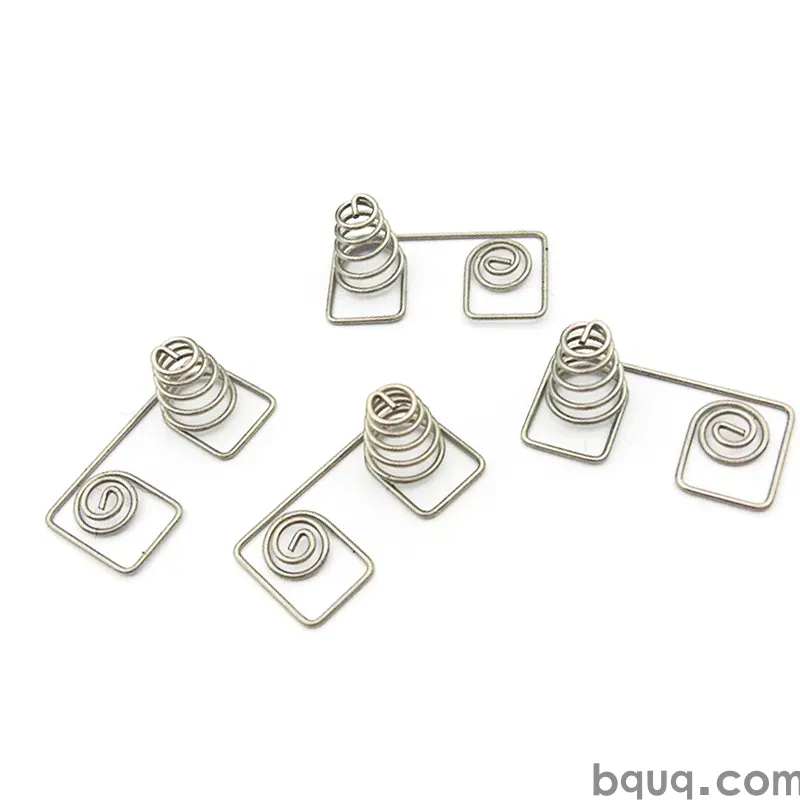
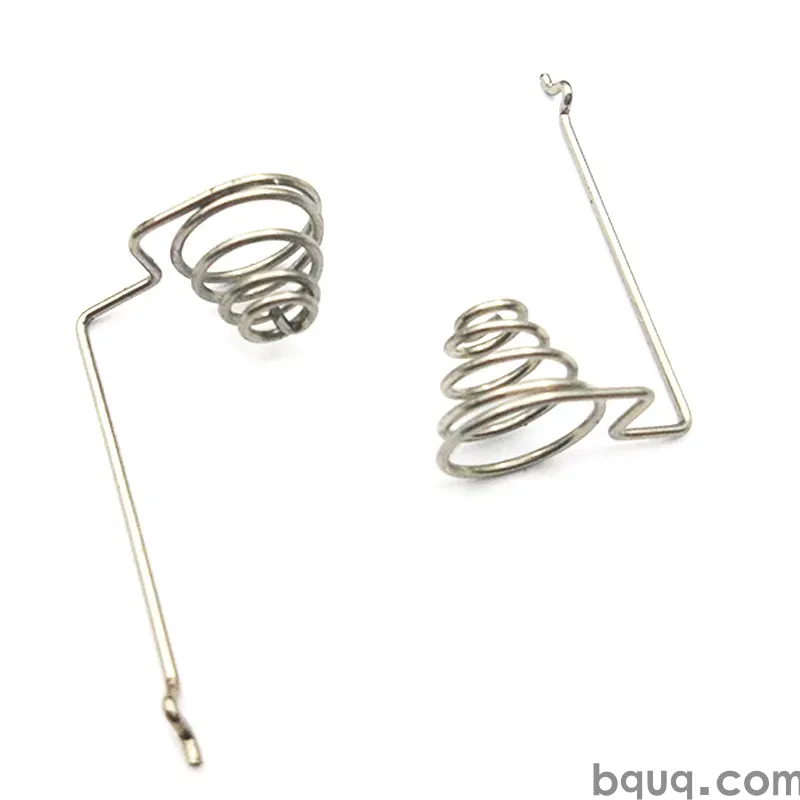
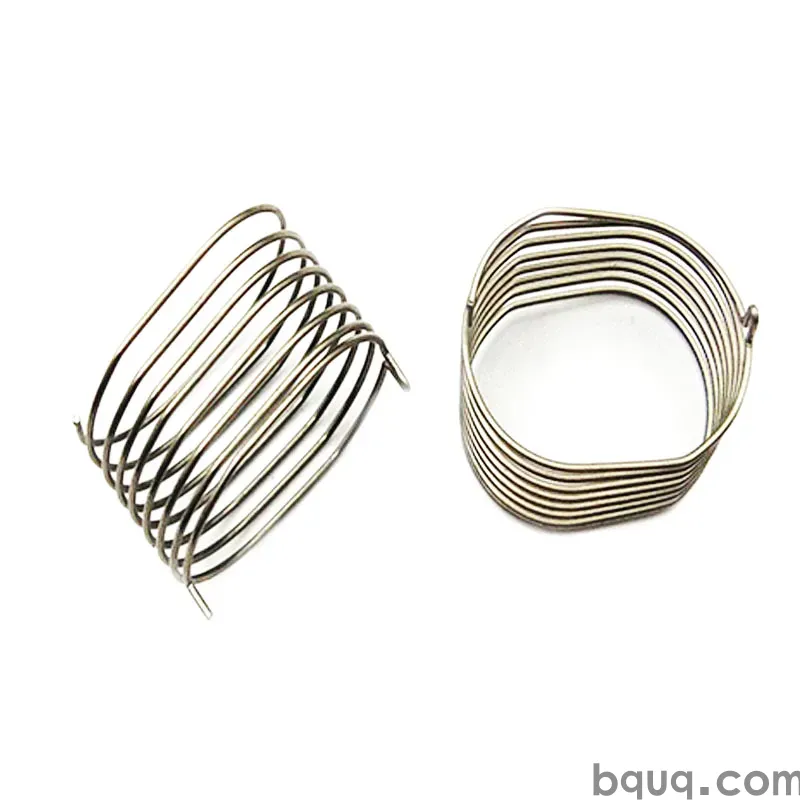
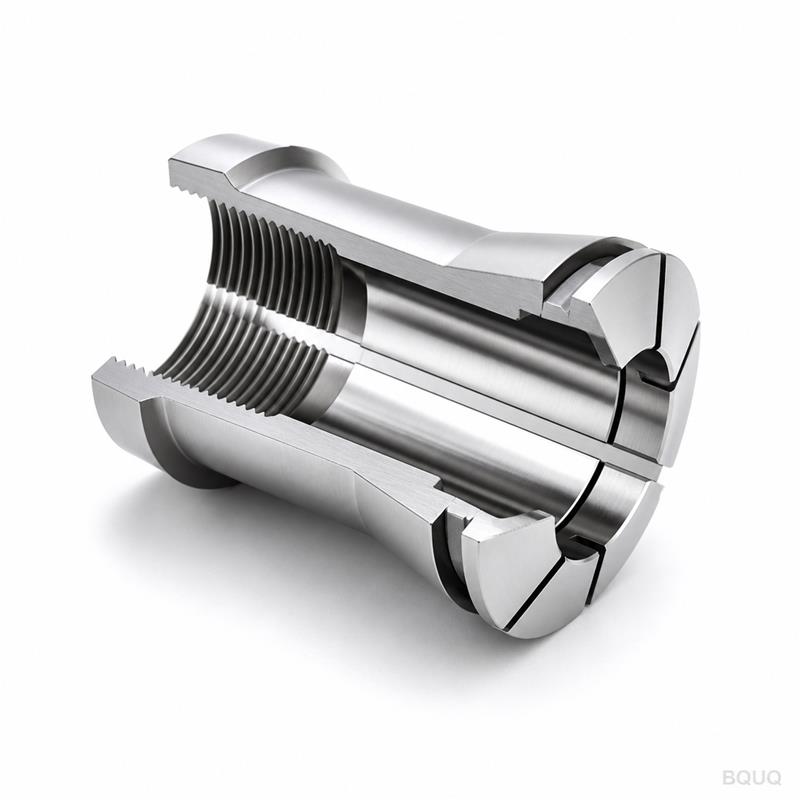
The framework applies city first, factory second. BQUQ sits in Dongguan by design: we run CNC machining (±0.005 mm production tolerance on critical features), metal stamping, custom springs, heat sinks and collets under one roof, 30–90 minutes from Shenzhen's air and sea ports. Being in Dongguan means we get Shenzhen's logistics without Shenzhen's cost base, and Ningbo's port economics matter less for the air-freighted, mid-volume precision parts we typically make. Our machine and capability overview and spring line show the actual process scope — check them against the framework above before you shortlist anyone, including us.
Email sc@bquq.com or WhatsApp +86 137 1315 7787 with your PDF/DXF/STEP file. An engineer reviews it and replies with price, lead time and DFM notes on working days.
Frequently Asked Questions
Q: Is Shenzhen always more expensive than Dongguan for manufacturing?
Not uniformly — material costs are national and some specialty services are comparable. But labor, land and rent run higher, adding roughly 5–15% to many precision machined part quotes. You are paying for ecosystem speed and engineering density.
Q: Is Ningbo good for CNC machining, or only casting?
Ningbo has capable CNC shops, but its signature strength is die casting, fasteners and heavy hardware. For typical precision CNC or stamped parts, Dongguan's machining density usually gives better options and faster subcontract turnarounds.
Q: Which city has the best port access for exports?
Ningbo-Zhoushan is the largest port by tonnage and excellent for full-container heavy programs. Shenzhen's Yantian/Shekou ports plus Bao'an airport serve air-freight-heavy electronics and prototype work. Dongguan factories sit close to both Shenzhen air and sea options.
Q: Do I need to visit the city, or can I audit remotely?
You can qualify a factory remotely with documents, video audits and trial orders. The city matters for supply-chain context; the factory matters for delivery. Use the audit checklist and a documented trial batch before committing.
Q: Why would a factory in Dongguan be better for multi-process parts?
Dongguan's density means a single factory can realistically run CNC, stamping and spring lines under one roof — BQUQ does, for example. Fewer handoffs mean fewer tolerance-stacking surprises and one quality system instead of three. Compare that against specialist pricing before deciding.
Authored by the BQUQ Engineering Team. BQUQ is an ISO9001-certified source factory in Dongguan, China, running CNC machining, metal stamping, custom springs, heat sink and collet lines under one roof. Send drawings to sc@bquq.com or WhatsApp +86 13713157787 for a quote within 12 working hours. www.bquq.com