How to standardize your spring inventory: preferred sizes, fewer part numbers, shared materials and how standardization cuts cost, lead time and stockouts.
Spring Inventory: Standardizing Before You Order
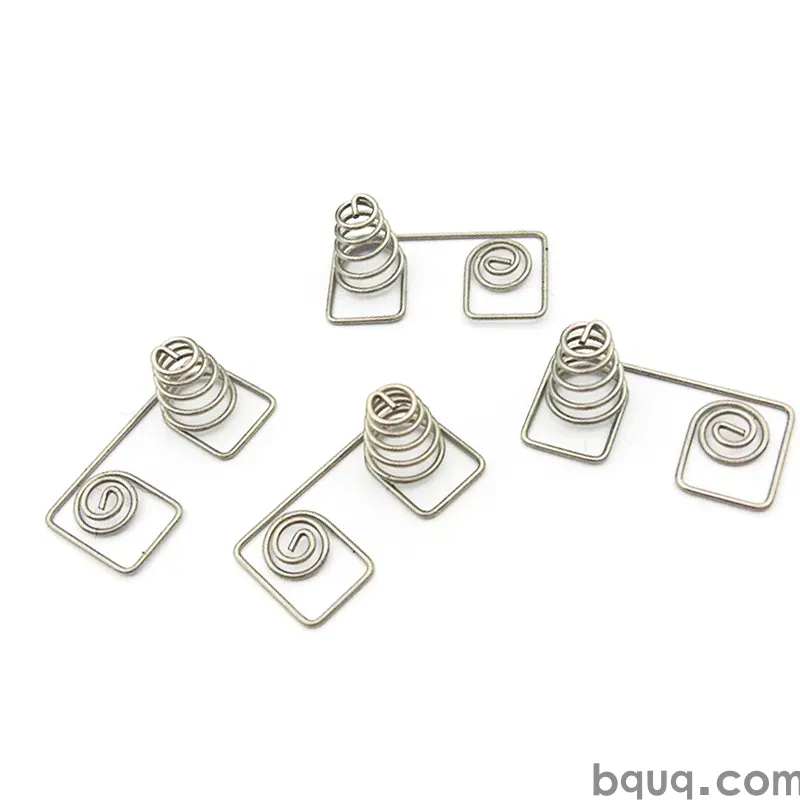
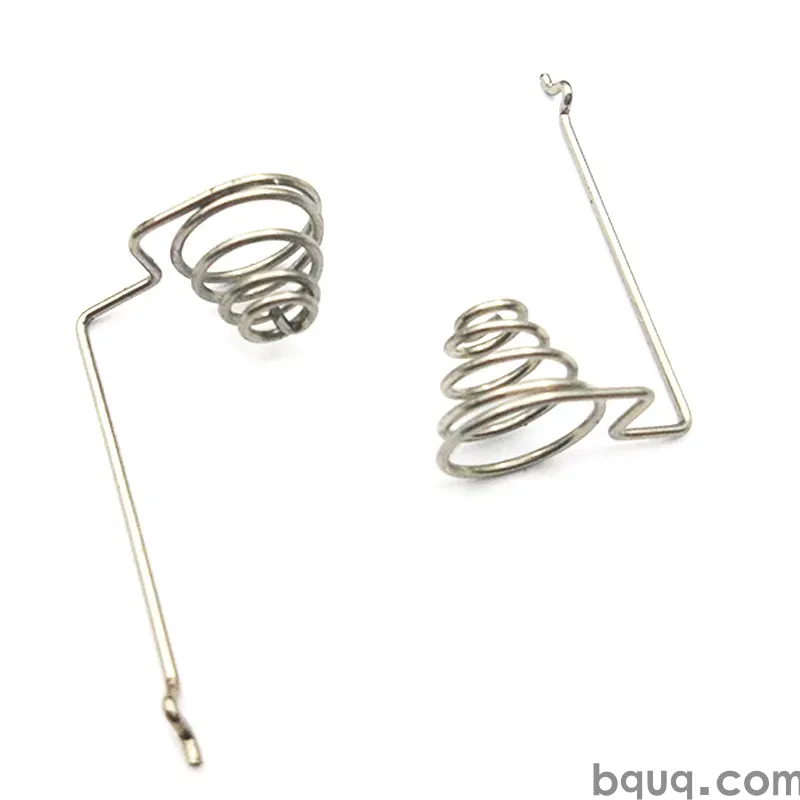
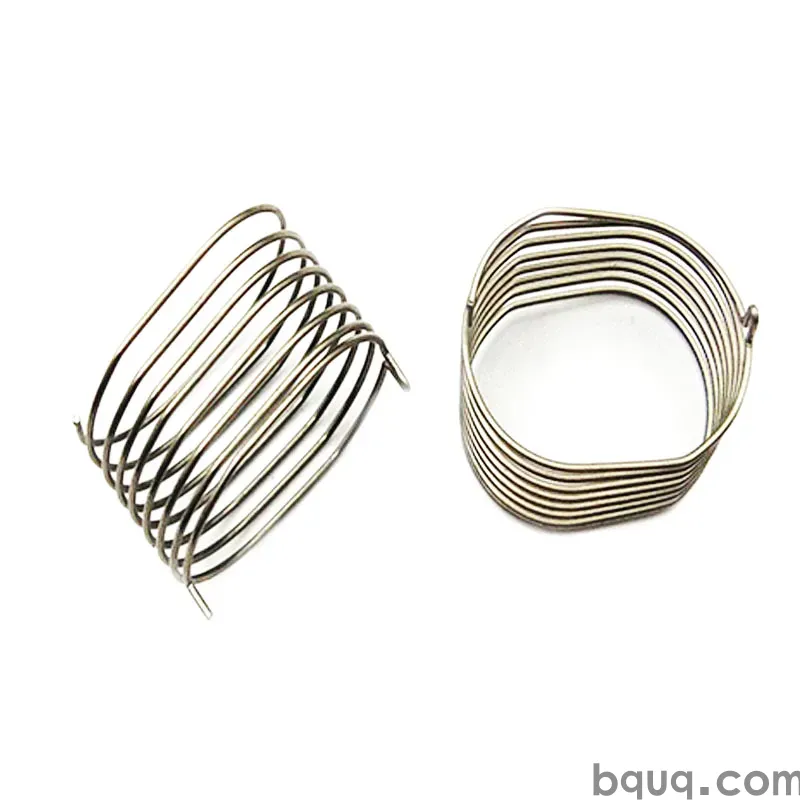
Short answer: most companies carry three to five times more spring part numbers than they need. Standardizing on a short list of preferred wire diameters, outer diameters and free-length steps — typically 40-60% fewer part numbers — cuts unit cost, lead time and stockouts at once, because the springs you actually use move to volume pricing and off-the-shelf availability. The rule: design new products around existing springs first, and create a custom spring only when the function genuinely requires it.
Springs look cheap until you count the cost of managing them: dozens of part numbers, half-used minimum orders, stock that sits for years, and a "small custom spring" that costs 10 times the standard equivalent because it needs a new setup for 200 pieces. Standardization is the highest-leverage supply-chain move for any company that uses springs across multiple products. This guide explains how to rationalize a spring portfolio without constraining design.
Why Spring Inventories Explode
Springs get designed in isolation. Product team A specifies a 1.2 mm wire compression spring at 48 N; product team B, six months later, specifies 1.2 mm wire at 52 N with a slightly different free length — and nobody checks that one spring could cover both. Multiplied across a few products and a few years, a company ends up with hundreds of near-identical springs, each with its own tooling setup, minimum order and stock line. The waste is not the spring price; it is the multiplicity: each extra part number carries ordering, stocking, inspection and obsolescence cost whether it is used or not.
The Standardization Process in Four Steps
First, list every spring in use with its functional parameters: wire diameter, outer or inner diameter, free length, rate, load at working height, material, and direction. Second, cluster them: group springs within the same envelope and load band regardless of product origin. Third, pick a preferred grid: standardize on a small set of wire diameters (say 0.5, 0.8, 1.0, 1.2, 1.6, 2.0 mm), a small set of outer diameters, and free lengths in fixed steps. Fourth, map every existing spring to the nearest grid point and verify the load at working height is acceptable (springs tolerate small geometry changes; load usually adjusts via free length). The result is typically a 40-60% reduction in part numbers with zero functional compromise, because most "unique" springs were never truly unique.
The Numbers That Justify Standardization
| Metric | Fragmented portfolio | Standardized portfolio |
|---|---|---|
| Part numbers | 120 springs | 55 springs |
| Minimum order waste | Frequent 200-pc customs | Volume orders on grid sizes |
| Unit cost (typical 1.2 mm spring) | $0.08-0.25 custom qty | $0.03-0.08 volume qty |
| Lead time | 2-4 weeks custom | Days to 1 week from stock or fast production |
| Stockout risk | High (each line tiny) | Low (consolidated demand) |
| Inspection burden | Every line sampled | Few lines, tighter control |
Consolidation also improves quality: the springs you actually use get the attention of a real production run instead of a tiny custom batch, and the supplier can hold buffer stock for you because demand is predictable.
When a Custom Spring Is Still Right
Standardization has limits, and a competent supplier will say so. Custom springs remain correct when: the envelope is fixed and no standard fits (a specific OD/ID/free-length combination); the load at working height must hit a tight target that grid points miss; the material must be special (17-7PH, Inconel, beryllium copper for conductivity); the environment demands a specific finish; or the application is high-volume enough that a dedicated spring pays for itself through rate optimization. The discipline is to require a short justification for every new custom part number — if the answer is "the standard one is 6% too strong," the standard one probably works with a design tweak.
Working With Your Spring Supplier on Standardization
Ask your spring maker for their standard range list — reputable manufacturers have preferred grids for wire diameter, OD and free length that run without special tooling and at better prices. Share your full spring list and let them propose consolidation; a factory that sees your whole portfolio will find overlaps you cannot see product by product. Ask for tiered pricing on the consolidated volumes and for buffer-stock agreements on your top 10 part numbers. And standardize the documentation: one drawing format, one material spec (music wire, 302 stainless, chrome silicon), one finish default (zinc or plain oiled), one tolerance class. Documentation standardization alone removes most of the quoting back-and-forth on every reorder.
Frequently Asked Questions
Q: How many spring part numbers should a company have?
A: Far fewer than most carry. A company using springs across a few product families typically needs 40-60% fewer part numbers after clustering and grid standardization. There is no fixed number, but if every product introduces several "unique" springs, the portfolio is over-fragmented.
Q: How do I consolidate my spring inventory?
A: List all springs with wire diameter, OD/ID, free length, rate and load at working height. Cluster by envelope and load band, choose preferred wire diameter and free-length grids, map each spring to the nearest grid point, and verify load acceptability with the supplier before switching part numbers.
Q: Does standardization limit my design?
A: Not meaningfully in most cases. Springs are forgiving: small geometry changes adjust load predictably, and free length can usually tune a standard spring to hit a target load. Reserve custom springs for fixed envelopes, tight load targets, special materials, or high volumes that justify a dedicated design.
Q: How much can standardization save on springs?
A: Typical savings come from three directions: 30-70% lower unit cost from volume pricing, weeks of lead time reduction (stock or fast production instead of custom runs), and lower administrative cost from fewer part numbers. The spring itself is cheap; the multiplicity is what costs.
Q: What should I ask my spring supplier to help standardize?
A: Ask for their preferred standard range (wire diameters, OD, free length grid), request consolidation proposals on your full spring list, and set up tiered pricing plus buffer stock on your top part numbers. Standardize material, finish and tolerance callouts across all your spring drawings.
Authored by the BQUQ Engineering Team. BQUQ is an ISO9001-certified source factory in Dongguan, China, running CNC machining, metal stamping, custom springs, heat sink and collet lines under one roof. Send drawings to sc@bquq.com or WhatsApp +86 13713157787 for a quote within 12 working hours. www.bquq.com