Stamping in China vs Local: Total Cost Comparison
Short answer: For most progressive-die stamped parts, sourcing in China lands 25–45% cheaper than a local Western supplier once tooling amortization, piece price, freight, duty and inventory carrying cost are all counted. The gap is largest on medium-to-high volume parts (roughly 50,000+ pieces per year) with simple material specs, and smallest on low-volume, high-mix runs where tooling dominates. BQUQ quotes custom metal stamping in 12 working hours from one ISO9001 factory in Dongguan, with flexible MOQ, so you can compare a real landed number instead of a rule of thumb.
Why the "China vs Local" question is usually asked wrong
Most buyers compare one number: the piece price. That is the wrong comparison, and it is the reason sourcing decisions flip-flop between regions every couple of years.
The number that actually hits your P&L is landed cost per good part, which includes:
- Tooling cost, amortized over the real production quantity (not the forecast)
- Piece price at the actual annual volume, including setup and minimum run charges
- Freight, insurance, and customs duty
- Incoming inspection, sorting, and scrap cost
- Inventory carrying cost from longer transit and larger safety stock
- Engineering change cost when the design moves
- The cost of a supply interruption
Local suppliers win on the last three items. Chinese suppliers win on the first two, usually by a wide margin. The honest answer depends on which side of the ledger is bigger for your part.
The two cost curves that decide everything
There are two curves in every stamping program:
1. Tooling curve — a fixed cost that falls sharply per unit as volume rises.
2. Piece price curve — a variable cost that is roughly flat, but whose absolute level is set by labor, material buying power, and overhead.
Local stamping shops have higher labor and overhead, so their piece price curve sits higher. Chinese shops have higher freight and duty, so their landed curve sits higher by a fixed adder. Where the two curves cross is your break-even volume. For most progressive-die parts, that crossing sits somewhere between 20,000 and 60,000 pieces per year.
What actually drives the cost difference
Labor and overhead
Stamping is capital-intensive, so labor is a smaller share of cost than people assume — typically 10–20% of piece price in a Western shop and 4–9% in a Dongguan shop. That difference alone rarely justifies a move. What justifies it is the overhead attached to that labor: floor space cost, tool room staffing, compliance administration, and the margin structure of a small domestic shop.
Tooling build cost
This is the single biggest line item in the comparison, and the one most often misquoted. A progressive die for a simple flat contact or bracket might be quoted at USD 6,000–12,000 locally and USD 2,500–6,000 from a Chinese tool room. For a multi-station die with cam piercing, in-die tapping, or tight flatness control, local quotes of USD 25,000–60,000 against Chinese quotes of USD 10,000–25,000 are common.
Typical/indicative ranges only — the real number depends on station count, material thickness, tolerance, and whether the die needs carbide inserts or a hardened stainless retainer.
Material buying power
Copper alloys, brass, phosphor bronze, and electrical steel are globally traded, so the base metal price is similar everywhere. The difference is in the buy side: a Chinese stamper running four production lines buys coil in larger aggregate tonnage and often gets better mill terms, plus lower slitting and scrap-return costs. Expect 5–15% advantage on material, not 40%.
Freight, duty, and the invisible costs
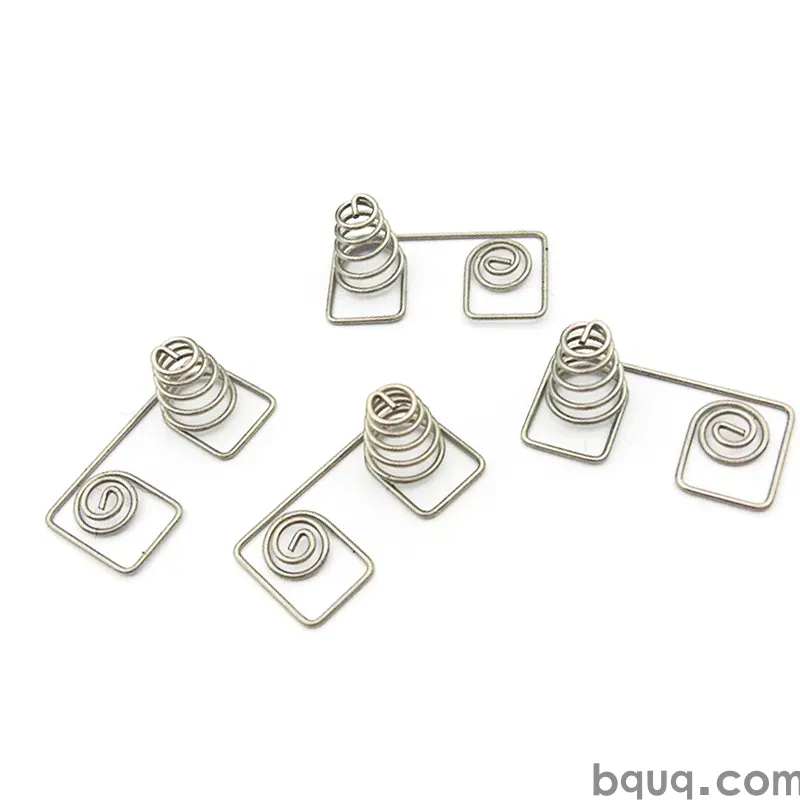
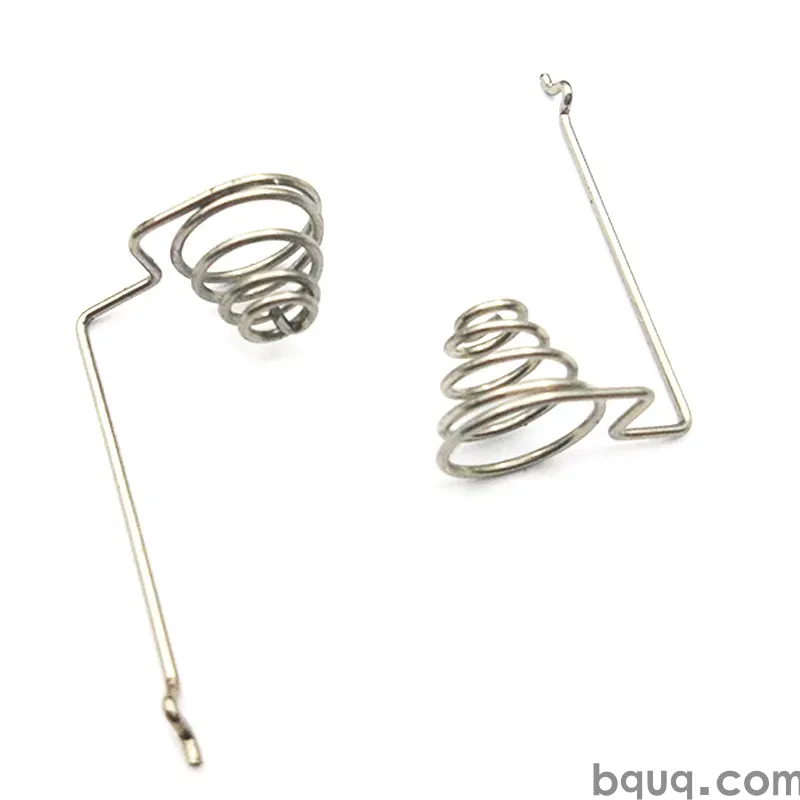
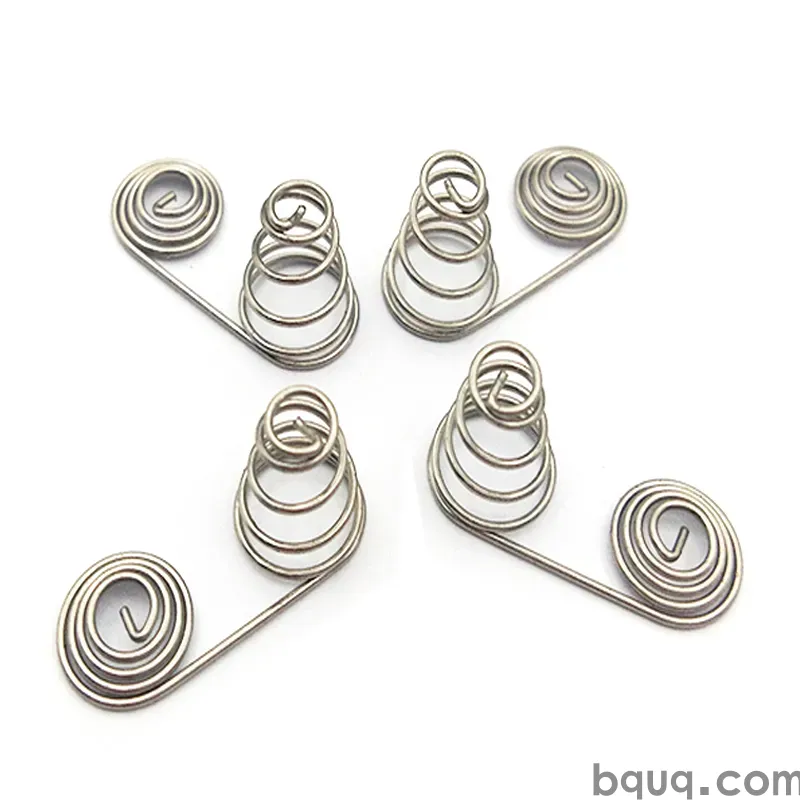
Ocean freight on a pallet of stamped parts is cheap per kilogram but not free, and it comes with 25–40 days of transit. Add duty, brokerage, and the working capital tied up in a 6–8 week pipeline. For bulky, low-value parts — stamped sheet metal enclosures, fan guards, cable clamps — freight can erase the entire piece-price advantage. For small, dense, high-value parts — precision stamped connector pins, terminals, contact springs — freight is negligible.
A worked landed-cost comparison
Assume 100,000 pieces per year, a simple progressive-die brass terminal, 0.4 mm thick, tin-plated, packed in reels.
| Cost element | Local supplier | China supplier (BQUQ-type) |
|---|---|---|
| Tooling (one-time) | USD 9,500 | USD 4,200 |
| Piece price | USD 0.062 | USD 0.034 |
| Annual piece cost (100k) | USD 6,200 | USD 3,400 |
| Freight + insurance | USD 120 | USD 780 |
| Duty (assumed 5%) | included | USD 170 |
| Incoming inspection / sorting | USD 250 | USD 450 |
| Extra safety stock carrying cost | USD 60 | USD 320 |
| Year-1 total | USD 16,130 | USD 9,320 |
| Year-2 total (no tooling) | USD 6,630 | USD 5,120 |
Year-1 saving: about 42%. Year-2 saving: about 23%. The tooling is where the first-year gap comes from; the piece price is where the recurring gap lives.
Now run the same table at 8,000 pieces per year.
| Cost element | Local supplier | China supplier |
|---|---|---|
| Tooling | USD 9,500 | USD 4,200 |
| Piece price | USD 0.078 | USD 0.041 |
| Annual piece cost (8k) | USD 624 | USD 328 |
| Freight + duty + inspection | USD 180 | USD 620 |
| Year-1 total | USD 10,304 | USD 5,148 |
| Year-2 total | USD 804 | USD 948 |
At 8,000 pieces per year, China still wins in year one because of tooling, but by year two the local supplier is cheaper. This is the break-even effect in plain numbers — and it is why "China is always cheaper" and "local is always safer" are both wrong.
When local stamping genuinely wins
Be honest about these cases; they are real.
- Very low annual volume with an existing die. If the tool already exists locally, you are only comparing piece price plus freight, and freight usually loses.
- Same-day or next-day replenishment. Kanban lines, service parts, and MRO demand cannot wait 30 days.
- Heavy or bulky parts. Stamped sheet metal enclosures, large mounting plates, and wire fan guards ship poorly.
- Design still moving. If the part will change three times in the next six months, tooling modification across an ocean is expensive and slow.
- Regulatory or customer-mandated domestic content. Some programs simply require it.
When China stamping wins clearly
- Annual volume above roughly 50,000 pieces with a stable design.
- New tooling required. The tooling delta alone often pays for the first two years of freight.
- Small, dense, high-value parts. Terminals, contacts, pins, shells, shims, EMI shielding.
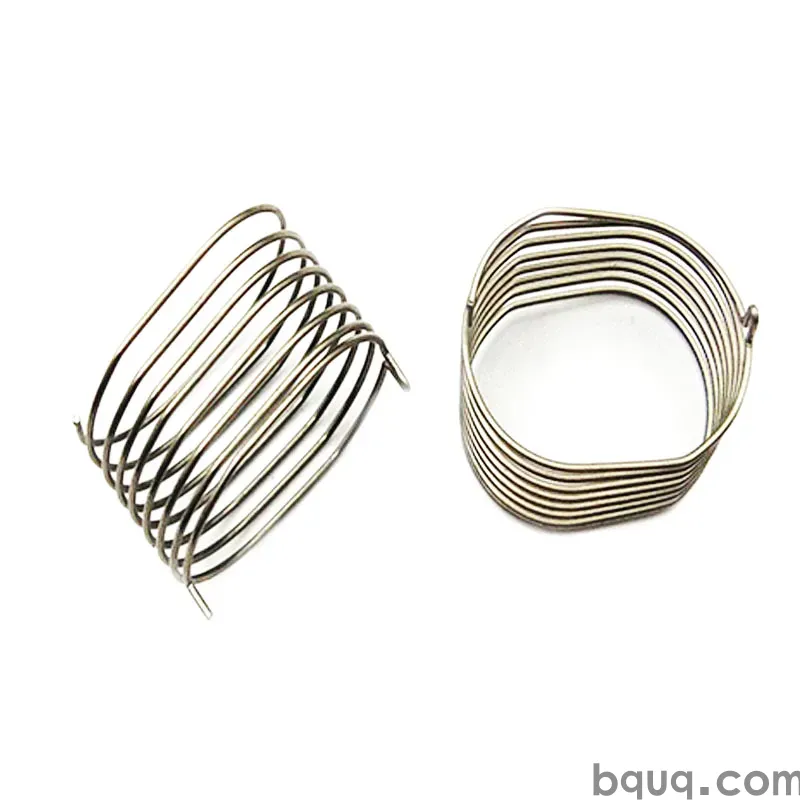
- Multi-part programs. One factory running CNC machining, stamping, springs, and heat sinks can consolidate several suppliers into one shipment, one inspection report, one contact.
- Cost-down pressure you cannot meet locally. If your customer demands 8% annual piece-price reduction, a local shop at 12% overhead has nowhere to go.
The hidden costs people forget on both sides
On the China side
- Travel and qualification. One or two trips for die approval and first article, typically USD 2,000–5,000 all-in.
- Communication lag. A 12-hour time difference means one decision per day unless your supplier runs overlapping hours.
- Tooling ownership. Confirm in writing that the die is your property and can be shipped out.
- IP protection. Use NDAs, split the part across operations if needed, and avoid sending complete assembly drawings when a single-part drawing will do.
On the local side
- Tooling maintenance invoices. Local shops often bill die maintenance separately at USD 80–150/hour.
- Minimum run charges. A local press running a 45-ton job for 3,000 pieces may add a setup charge that doubles the effective piece price.
- Price escalation. Domestic labor and energy costs rise; a three-year local quote is rarely a three-year fixed price.
How to run a fair comparison in practice
1. Fix the specification. Material grade, temper, thickness tolerance, plating thickness, flatness, burr height, and packaging. Vague specs produce meaningless quotes.
2. Ask for the tooling separately. Tooling and piece price must be quoted as separate lines so you can amortize honestly.
3. Quote at your real annual volume, plus a 2x upside scenario.
4. Request a landed-cost breakdown, not just FOB. Ask for HS code, packed weight, and carton dimensions so you can calculate freight yourself.
5. Ask about the die's expected life and who pays for maintenance.
6. Run a first article. A cheap quote with a bad first article is the most expensive option available.
For a deeper look at how volume and press speed interact with piece price, see stamping run rate economics. For the qualification sequence that prevents surprises, read metal stamping first article.
Where BQUQ fits
BQUQ (Dongguan) runs four production lines in one ISO9001 factory: CNC machining to ±0.005 mm, metal stamping, custom springs, and heat sink production. That matters for cost comparison because multi-process parts — a stamped bracket with a machined boss, a stamped contact with a formed spring leg — do not need to be split across three suppliers with three freight bills and three inspection reports.
We quote in 12 working hours and work with flexible MOQ, so a 10,000-piece trial run is a real option before you commit to a 500,000-piece program. If plating is part of your cost, stamped terminal plating thickness explains where the money actually goes.
Frequently Asked Questions
Q: Is stamping in China really cheaper than a local supplier?
A: Usually yes, but not always. On a 100,000-piece-per-year progressive-die part, typical landed cost runs 25–45% below a Western quote in year one and 15–25% in later years. At volumes under roughly 10,000 pieces per year with an existing local die, freight and duty can erase the advantage entirely. Always compare landed cost per good part, not piece price.
Q: How much does stamping tooling cost in China versus locally?
A: Indicative ranges only: a simple progressive die might be USD 2,500–6,000 from a Dongguan tool room versus USD 6,000–12,000 locally, and a complex multi-station die with cam piercing or in-die tapping USD 10,000–25,000 versus USD 25,000–60,000. Station count, material thickness, tolerance, and carbide content drive the real number.
Q: What is the break-even volume between China and local stamping?
A: For most progressive-die parts, the break-even sits between 20,000 and 60,000 pieces per year. Below that, the fixed freight, duty, and safety-stock costs outweigh the piece-price saving after tooling is paid off. Above it, the Chinese piece price compounds into a large recurring advantage.
Q: Does a longer lead time make China stamping more expensive overall?
A: It adds carrying cost, not usually enough to flip the decision. A 30–40 day ocean transit plus 6–8 weeks of safety stock might cost 3–6% of annual spend in working capital. That is real, but it is smaller than the typical 20–40% piece-price gap. Air freight for urgent replenishment is available but can cost more than the parts.
Q: How do I protect tooling ownership and IP when stamping in China?
A: Put tooling ownership, die marking, and the right to remove the die in the purchase contract. Use an NDA, send single-part drawings rather than full assembly files, and consider splitting critical geometry across two operations. Ask for the die's location and maintenance records annually. BQUQ builds and maintains customer-owned dies under written ownership terms.
Related Resources
- About BQUQ and our Dongguan factory: /about/
- Custom metal stamping capabilities: /custom-metal-stamping/
- Stamped terminals and contacts: /stamping-terminals-contacts/
- Stamped brackets and mounts: /stamping-brackets-mounts/
- Industry trends and sourcing shifts: /industry-dynamics/
- Technical articles library: /bquq-blog/
- Frequently asked questions: /faq/
- Case studies: /case/
- Contact engineering for a 12-hour quote: /contact/
Authored by the BQUQ Engineering Team. BQUQ (Dongguan) runs CNC machining (±0.005 mm), metal stamping, custom springs, and heat sink production in one ISO9001 factory. Source-direct from Dongguan, China — quote in 12 hours: sc@bquq.com | WhatsApp +86 13713157787 | www.bquq.com