How Does Heat Sink Base Thickness Affect Heat Spreading Performance?
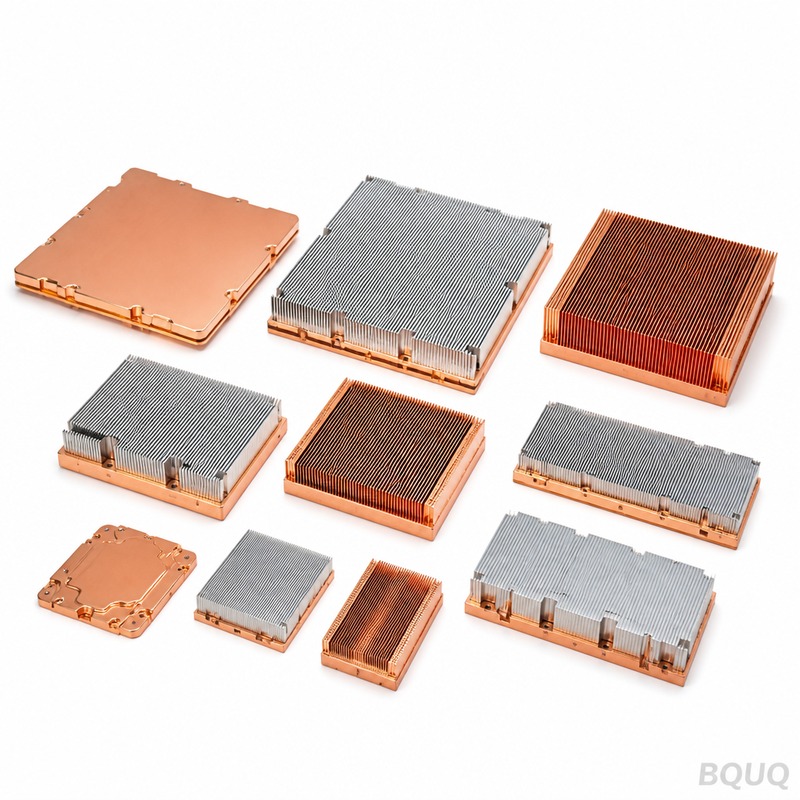
The thickness of a heat sink base directly dictates the efficiency of lateral heat spreading, with an optimal range typically falling between 3 mm and 8 mm for most forced-convecti
The thickness of a heat sink base directly dictates the efficiency of lateral heat spreading, with an optimal range typically falling between 3 mm and 8 mm for most forced-convecti
Designing a heat sink for a 100W power supply requires a calculated thermal resistance of 0.83°C/W or lower, assuming a 70°C junction temperature limit and a 50°C ambient. The proc
Thermal paste, also known as thermal interface material (TIM), is a thermally conductive compound that fills microscopic air gaps between a CPU/GPU die and its heatsink. It is prim
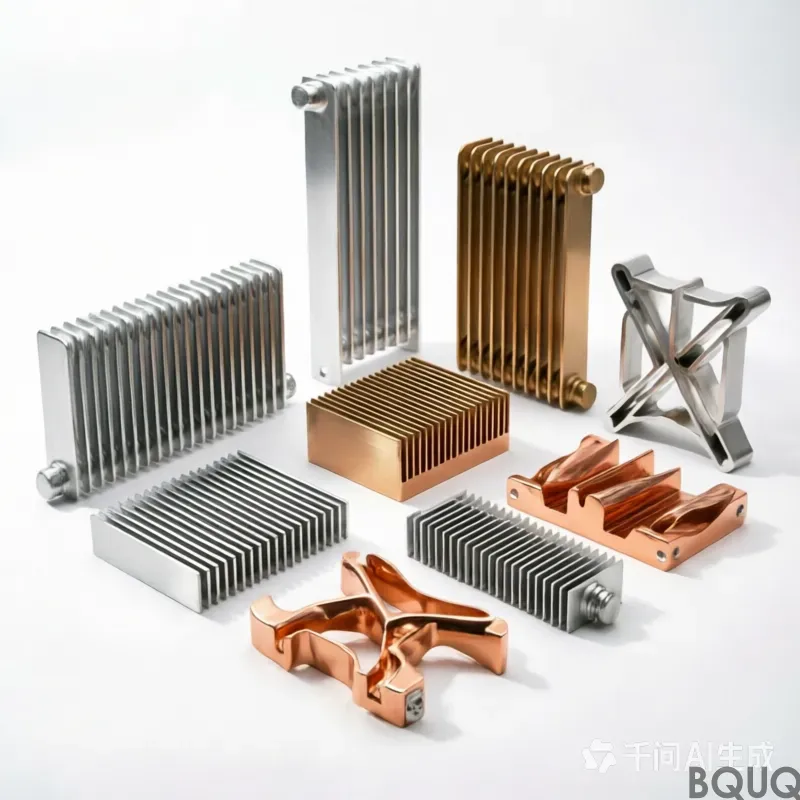
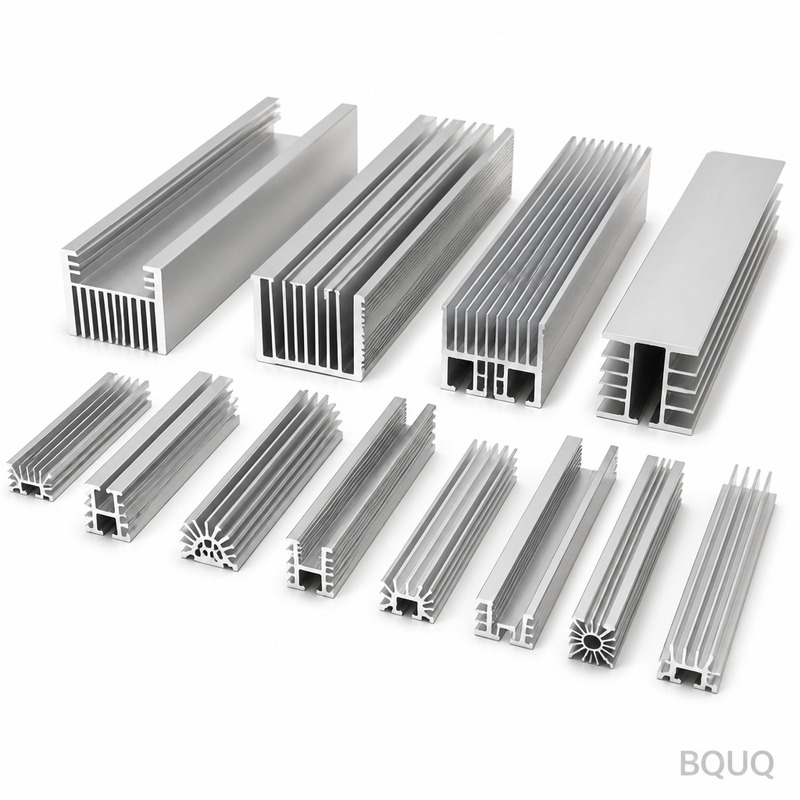
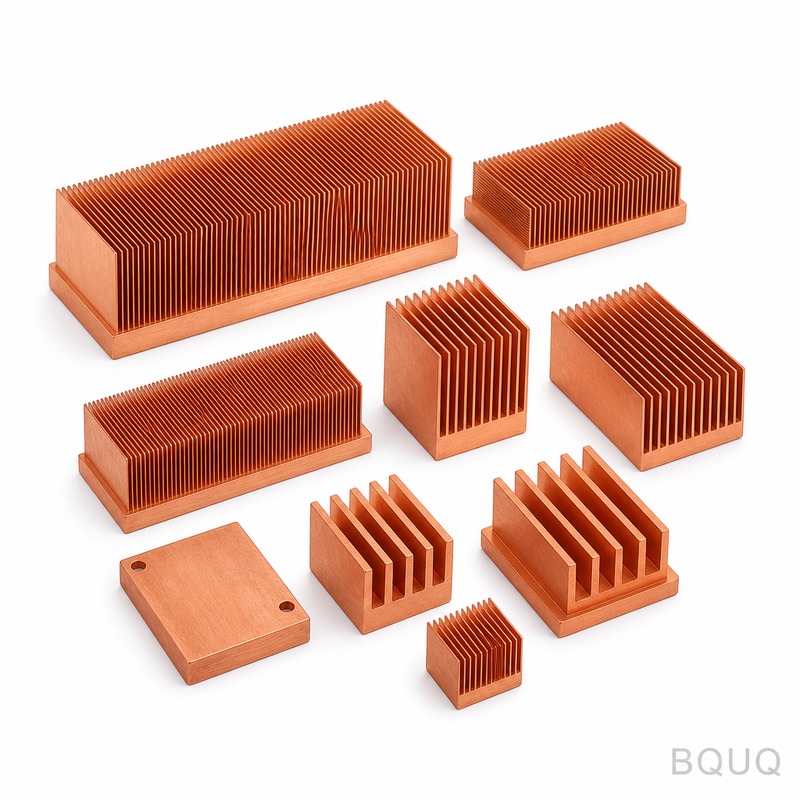
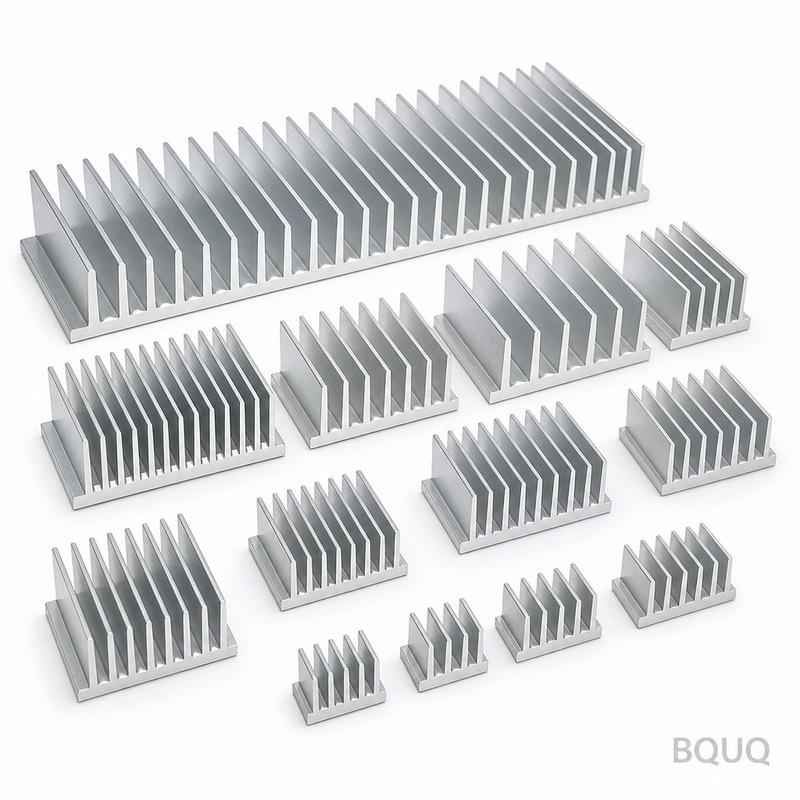
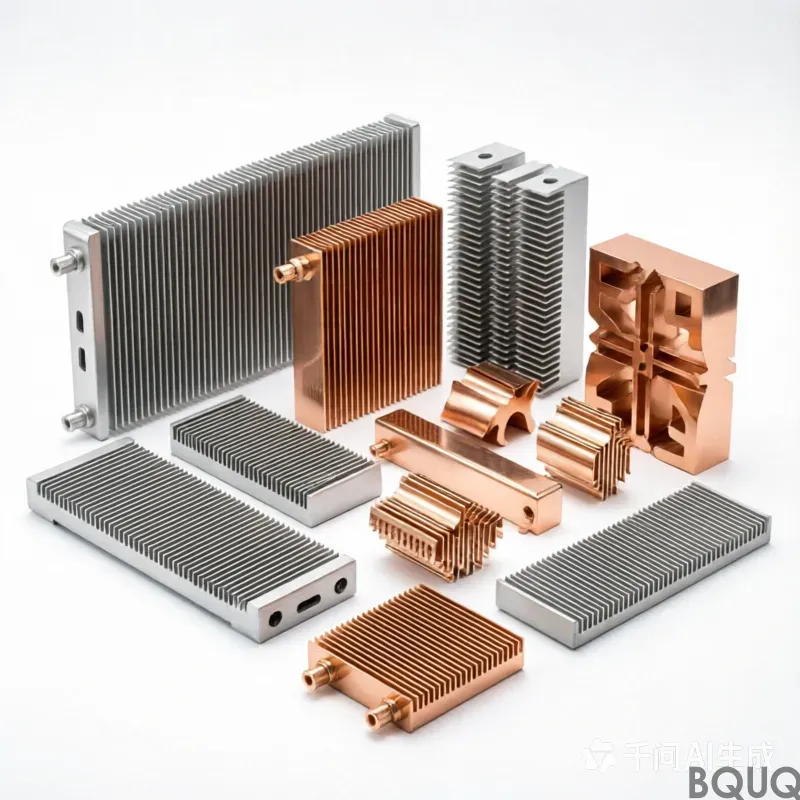
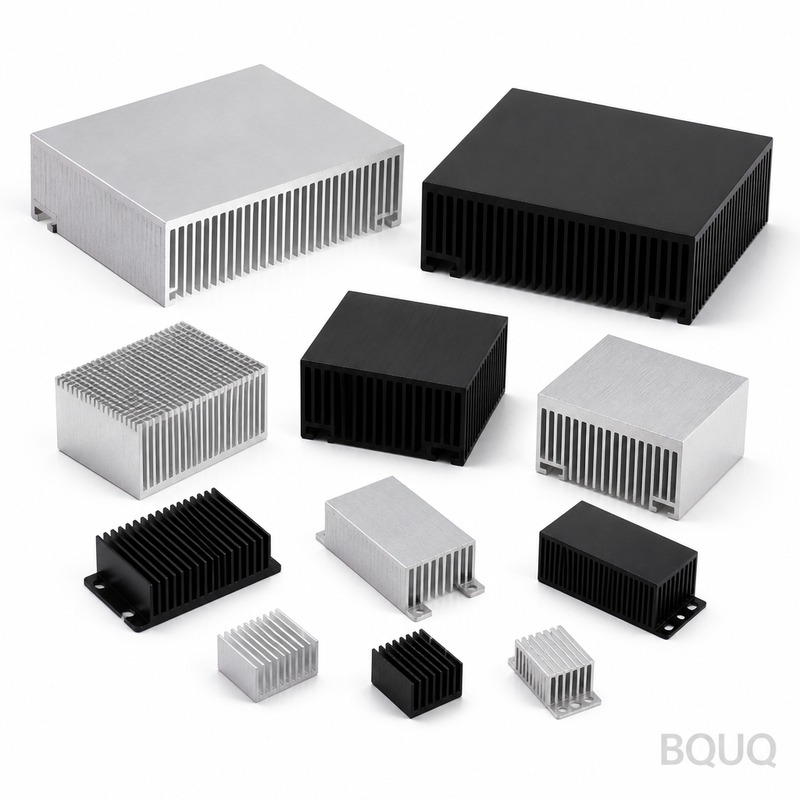
For most applications, aluminum heat sinks are the correct choice due to their superior weight-to-thermal-performance ratio, lower material cost, and compatibility with extrusion a
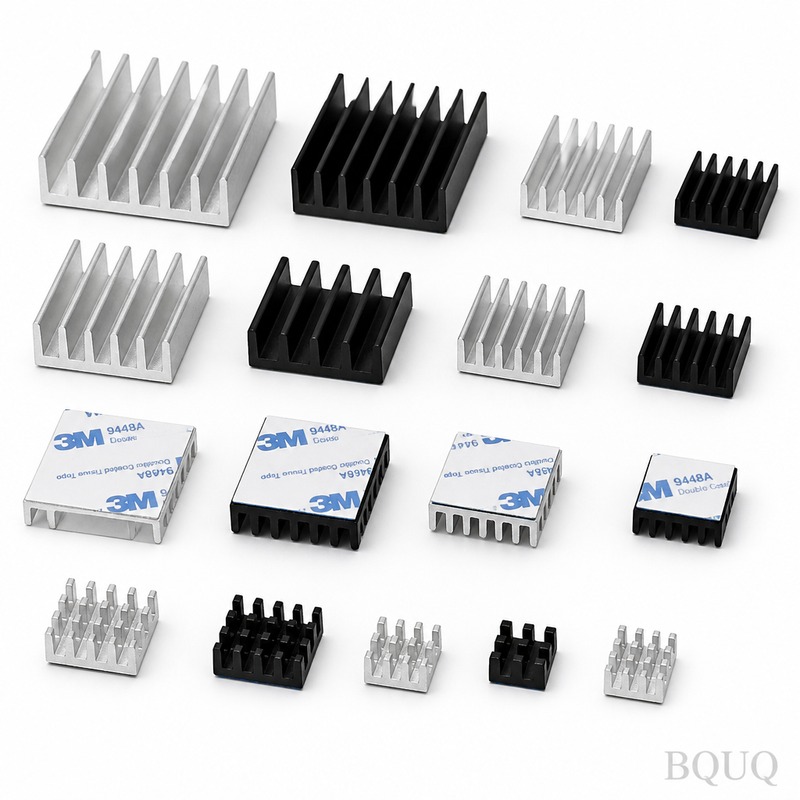
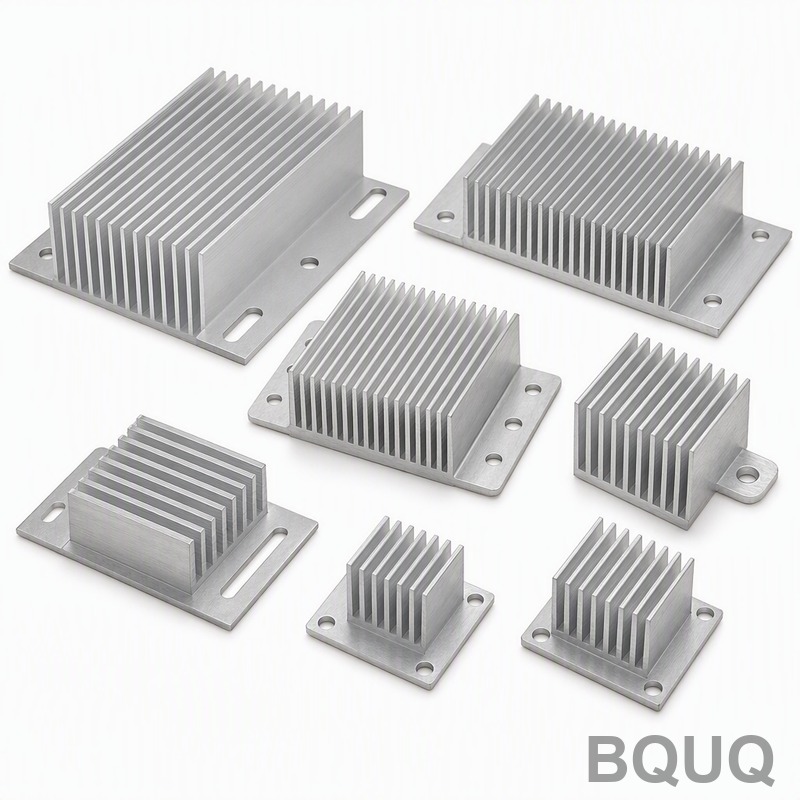
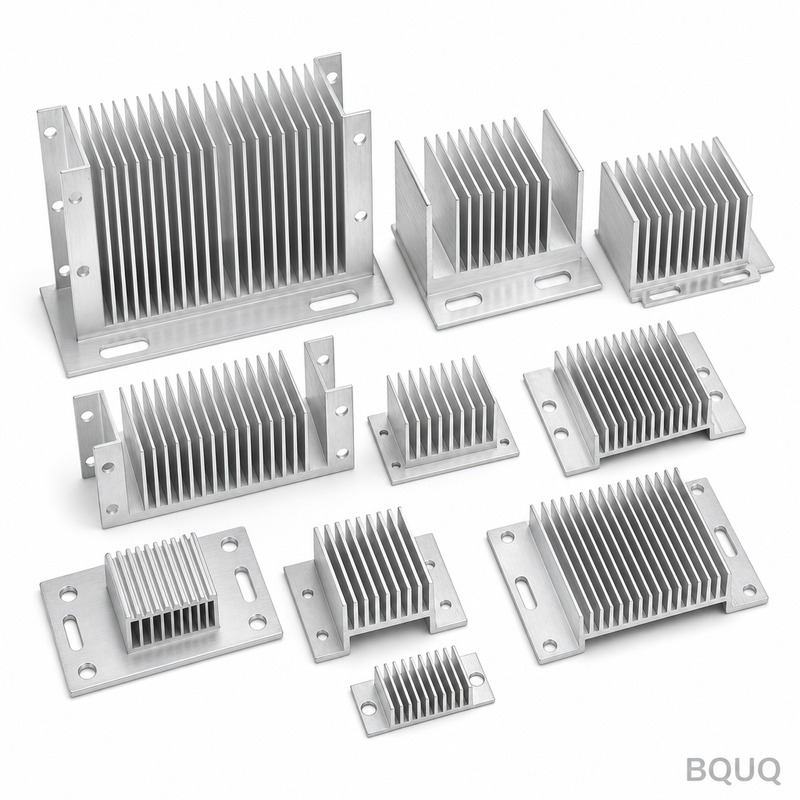
In electronics cooling, a heat sink is a passive component that transfers heat from a specific device, such as a CPU or power transistor, to the surrounding air via conduction and