Why Do Heat Sinks Have Fins? The Physics of Fin Cooling Explained
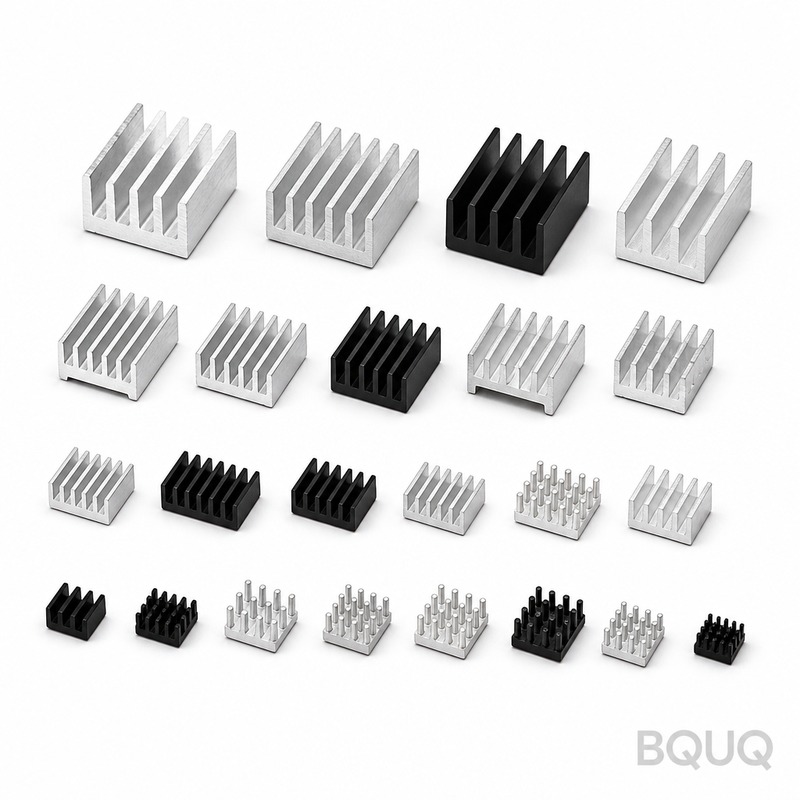
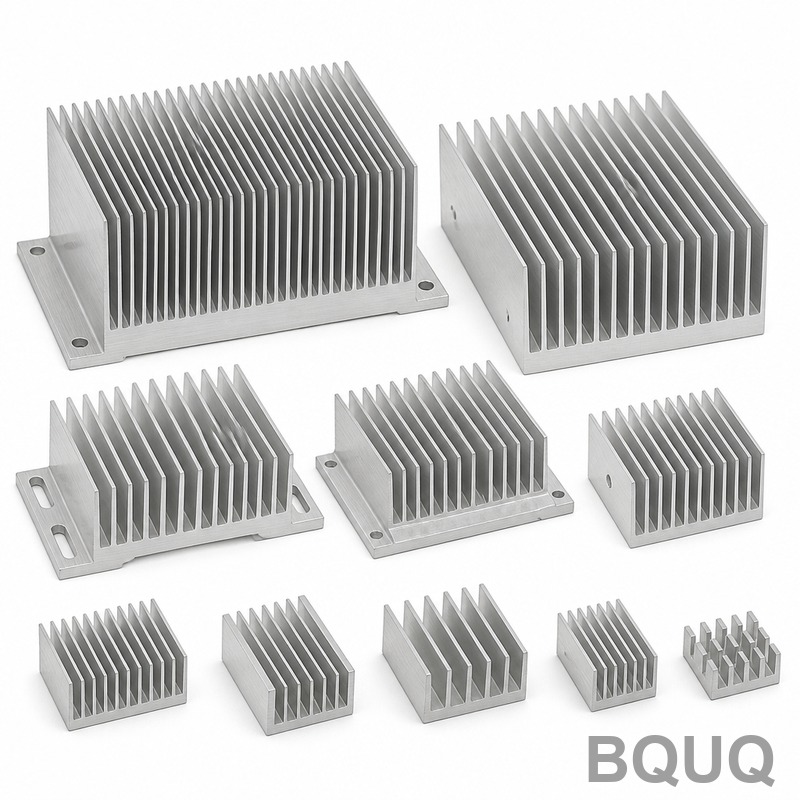
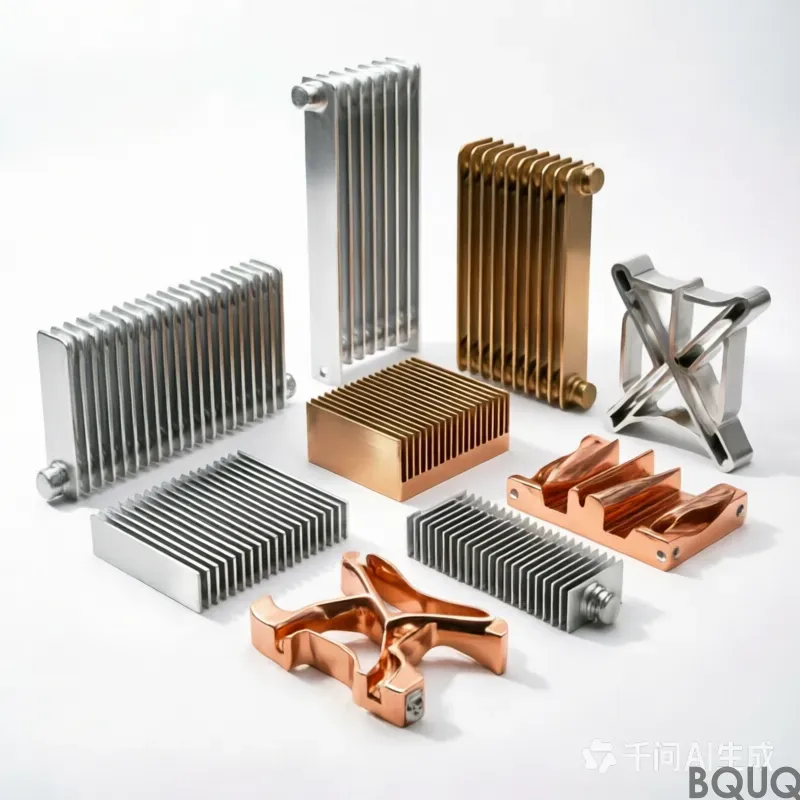
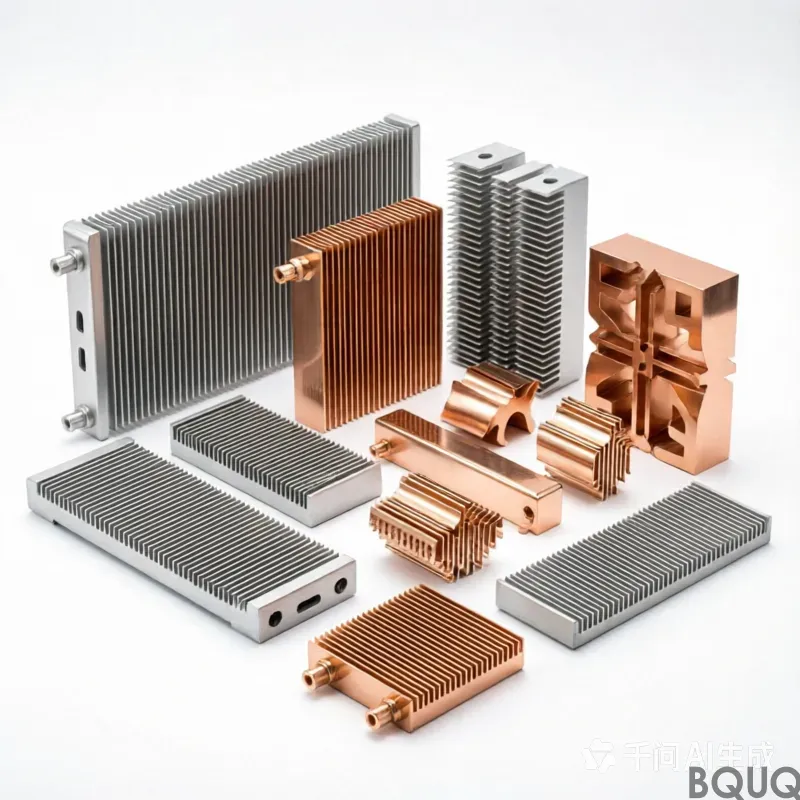
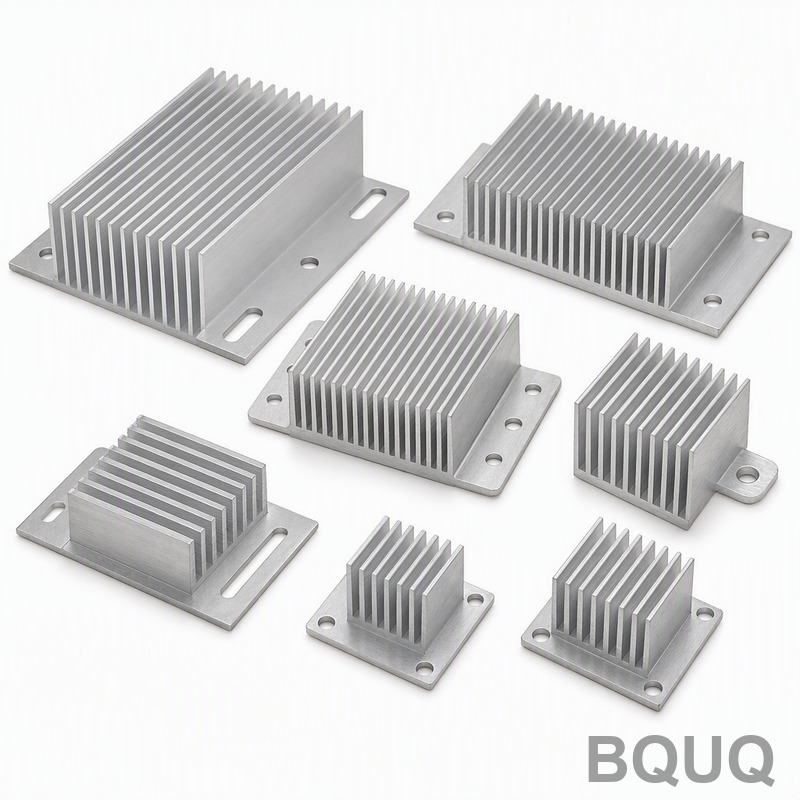
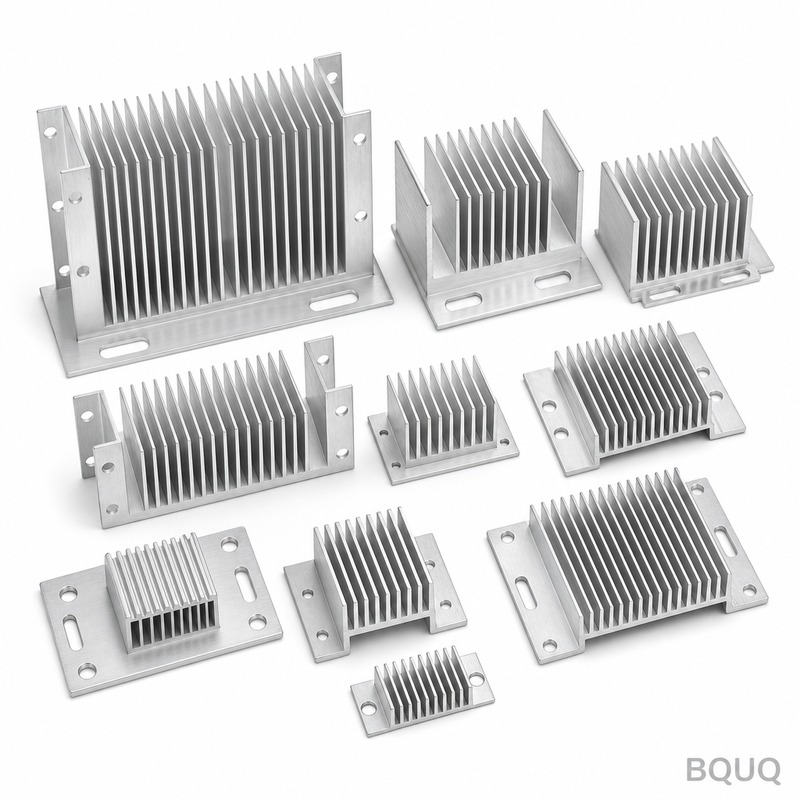
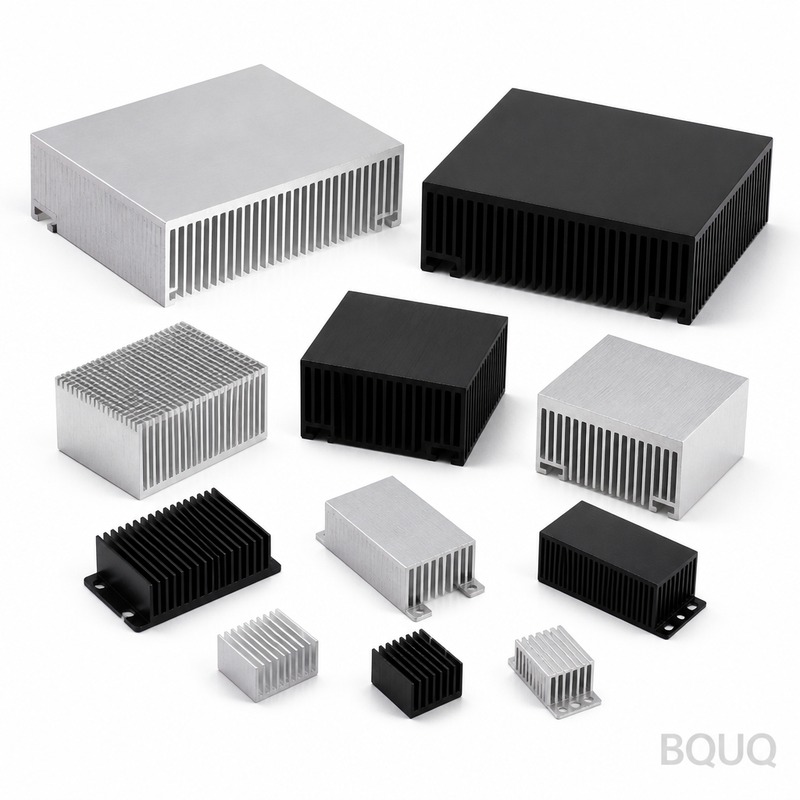
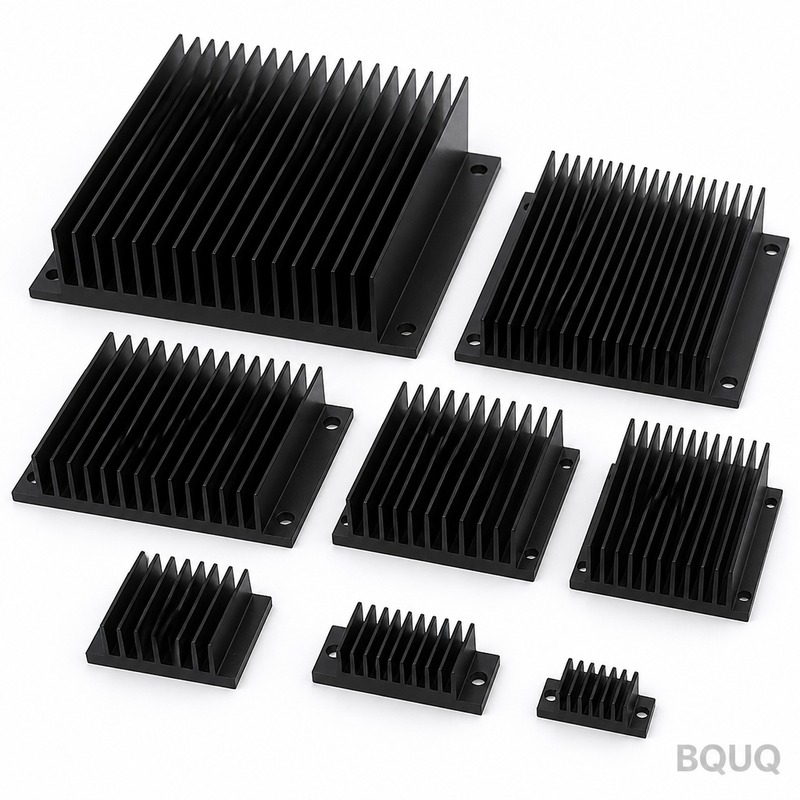
The Direct Answer: Fins Multiply Surface Area to Overcome Air's Poor Thermal ConductivityHeat sinks have fins because convection heat transfer to ambient air is inherently ineffici
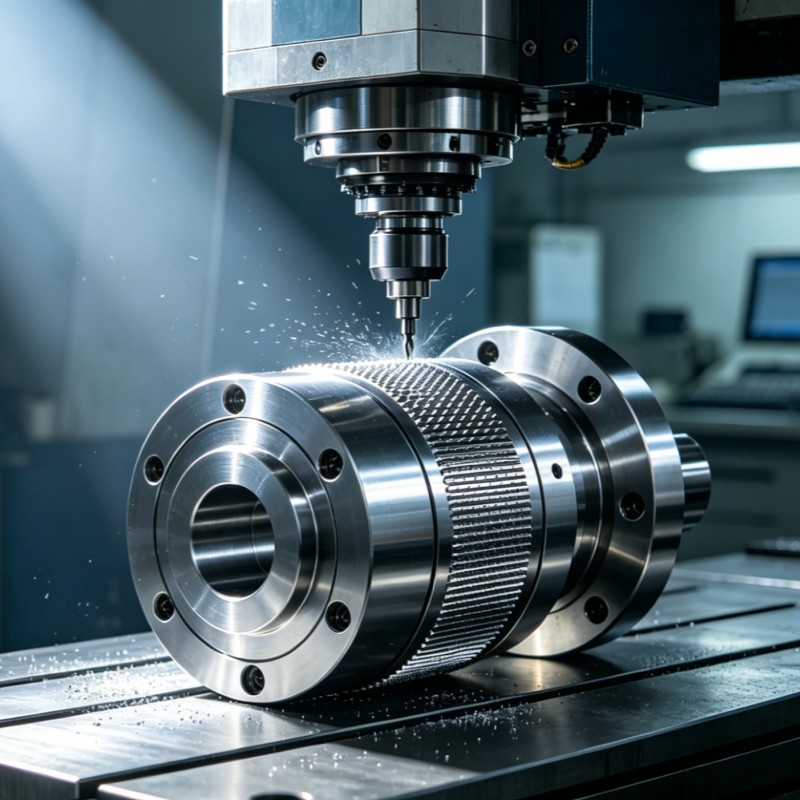
The heat sink manufacturing process transforms raw aluminum billet into a precision cooling component through six core stages: extrusion, cutting, machining, surface treatment, ass
The direct answer is that LED lifespan is fundamentally a function of junction temperature (Tj). For every 10°C increase above the rated maximum junction temperature, the LED’s use
The direct answer to optimizing heat sink thermal performance is to maximize surface area while minimizing thermal resistance from the heat source to the ambient air, achieved thro
Heat pipes are passive two-phase heat transfer devices that move thermal energy with effective thermal conductivity 100 to 1000 times greater than solid copper, achieving a range o