How Thin Can Extruded Heat Sink Fins Be?
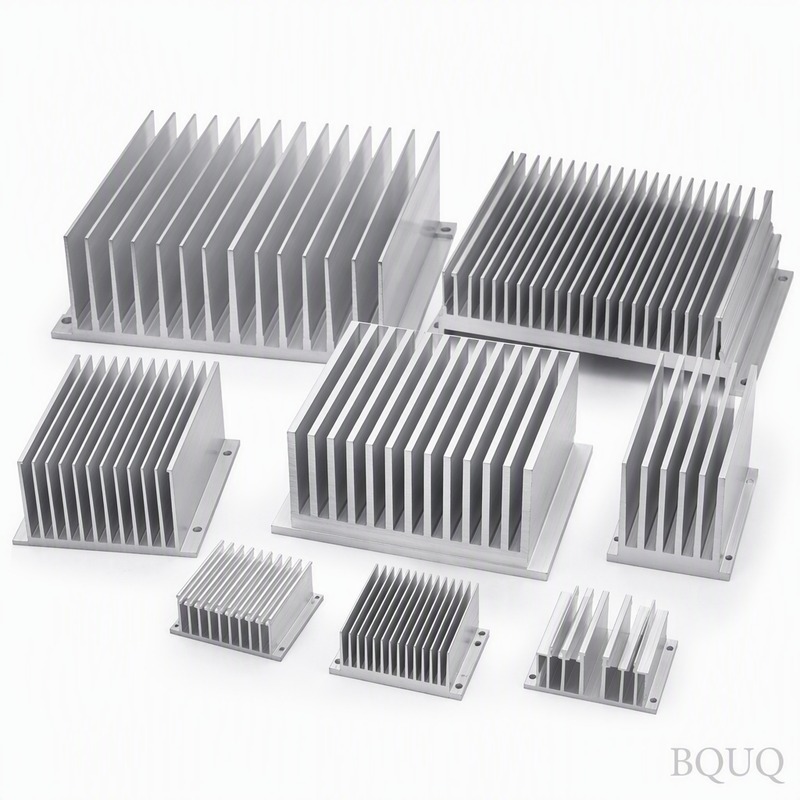
The absolute minimum fin thickness for conventional aluminum extrusion is 0.8 mm (0.031 in), though 1.0 mm (0.039 in) is the recommended production limit for consistent quality and
The absolute minimum fin thickness for conventional aluminum extrusion is 0.8 mm (0.031 in), though 1.0 mm (0.039 in) is the recommended production limit for consistent quality and
The most direct method to test a heat sink is to measure its thermal resistance (Rth) in °C/W by applying a known power load to a heated die, mounting the heat sink under controlle
The most direct answer is that you select a heat sink for LED lighting by first calculating the total thermal resistance budget (from LED junction to ambient air) and then matching
For high-volume production runs exceeding 50,000 parts annually, metal stamping is the most cost-effective manufacturing method for heat sinks, delivering per-unit costs 60-80% low
The thermal design of a heat sink for IGBT and power modules is governed by a single non-negotiable requirement: maintaining the junction temperature (Tj) below the manufacturer’s