Why Do Stamped Parts Have Tooling Marks and Is That Normal?
Stamped parts have tooling marks because the die physically contacts the sheet metal under high pressure to shear, form, and bend it, leaving microscopic or visible impressions fro
Stamped parts have tooling marks because the die physically contacts the sheet metal under high pressure to shear, form, and bend it, leaving microscopic or visible impressions fro
A typical stamping die for a production part requires 4 to 12 weeks to manufacture, with the average simple die taking 4 to 6 weeks and a complex progressive die taking 8 to 12 wee
Stamping burr is the raised, sharp edge or lip of deformed material that forms on a stamped part where the punch shears through the sheet metal, typically measuring between 0.05 mm
For most stamped metal parts, choose Stainless Steel 304 when you need maximum corrosion resistance, weldability, and formability, and choose Stainless Steel 430 when you need lowe
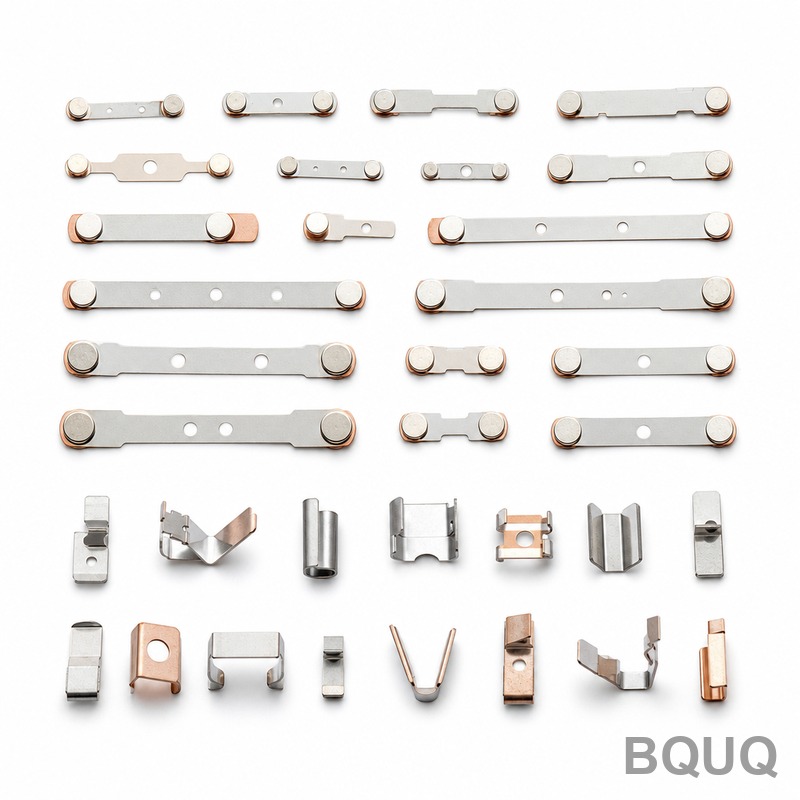
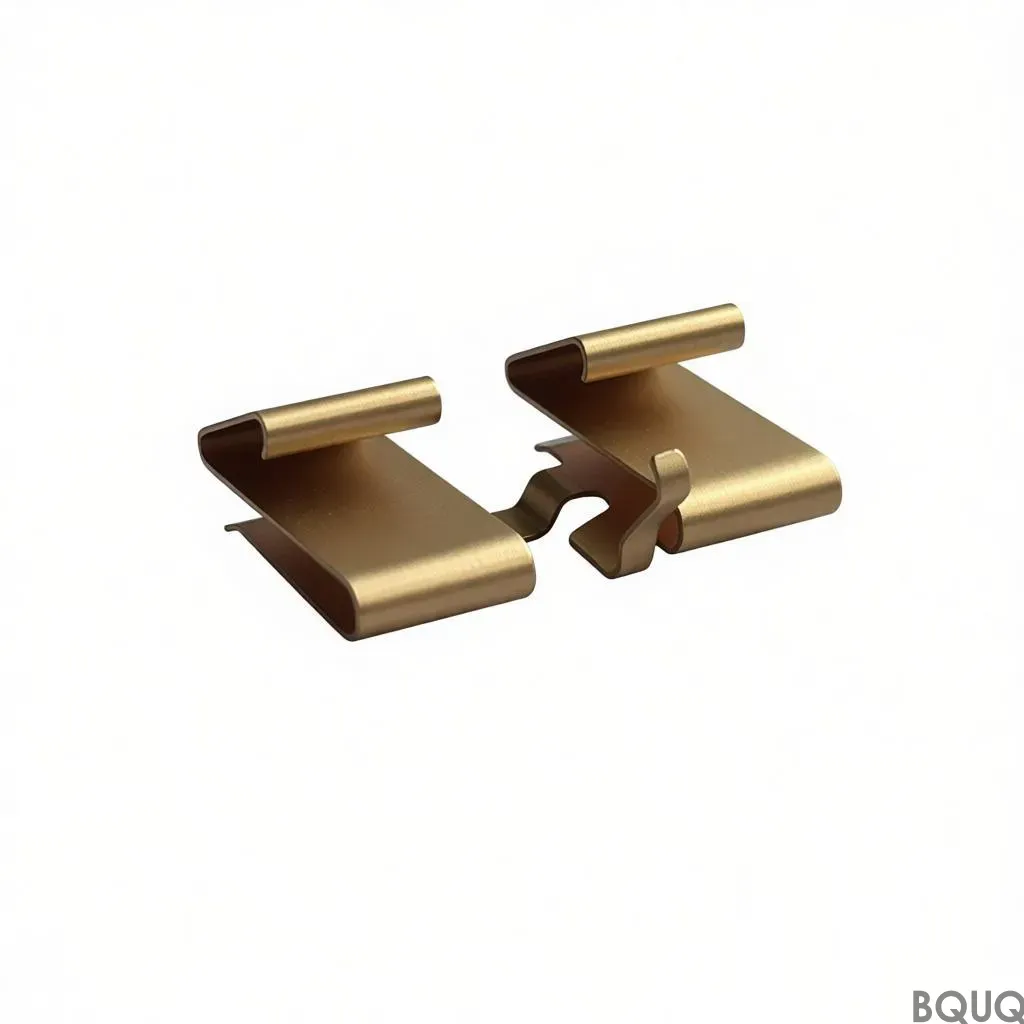
Precision stamping ensures reliable electrical contacts and terminals by delivering micron-level dimensional consistency, superior surface finishes, and repeatable material propert