What This Collection Contains and Why It Matters for Your Rack Build This is a pre-engineered set of stamped brackets, standoffs, slide rails, and EMI finger clips sized specific
Ai Server Chassis Mounting Parts Collection | BQUQ Precision Stamping
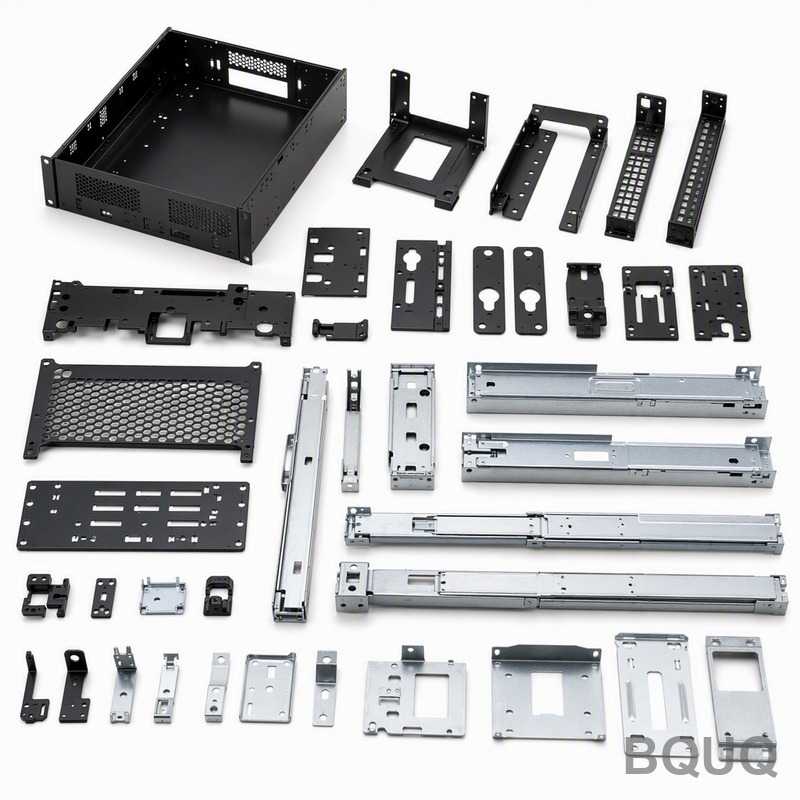
What This Collection Contains and Why It Matters for Your Rack Build This is a pre-engineered set of stamped brackets, standoffs, slide rails, and EMI finger clips sized specifically for 1U to 4U AI
Get a Fast Quote for This Part
Send us your drawing / quantity / material — reply within 24h.
What This Collection Contains and Why It Matters for Your Rack Build
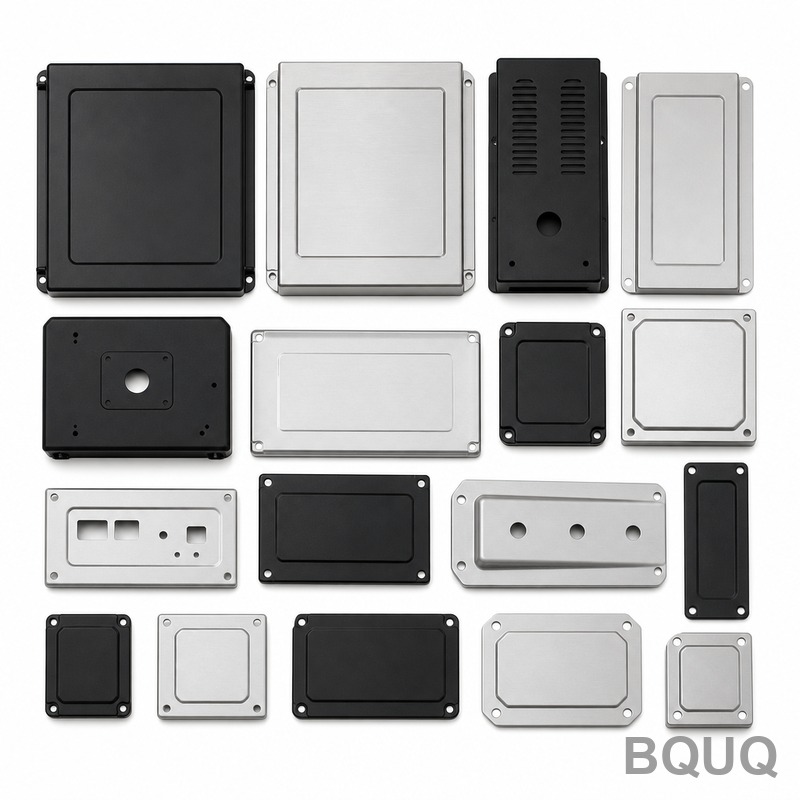
This is a pre-engineered set of stamped brackets, standoffs, slide rails, and EMI finger clips sized specifically for 1U to 4U AI server chassis. You get flatness within 0.05 mm across the entire part, hole-to-hole tolerance of ±0.02 mm, and surface finish Ra 0.8 µm on all mounting faces. Hardness runs 45–52 HRC on carbon steel versions, so these parts hold their geometry under repeated torque and vibration. If you are assembling GPU nodes or high-density storage servers, this collection cuts your fit-up time by roughly 30% because every hole aligns with standard 19-inch rack patterns and common chassis rail spacing.
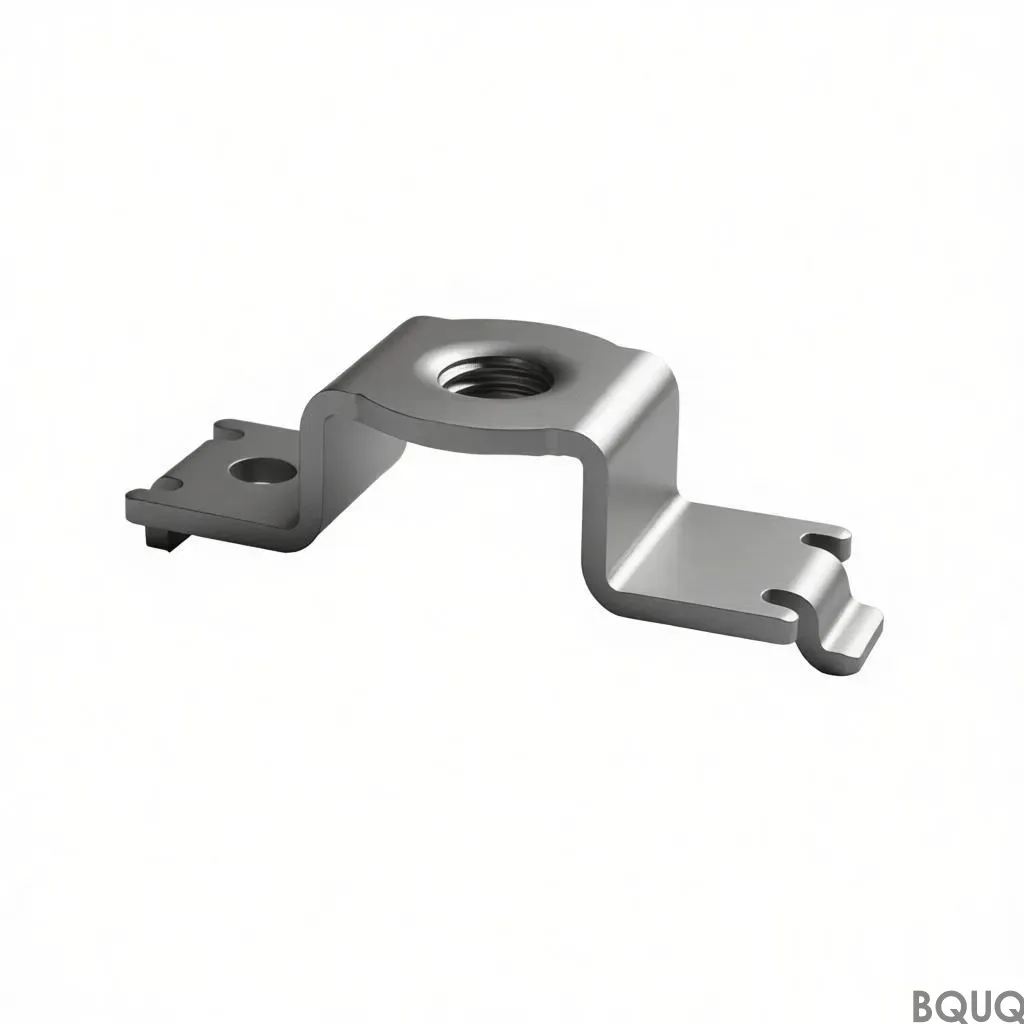
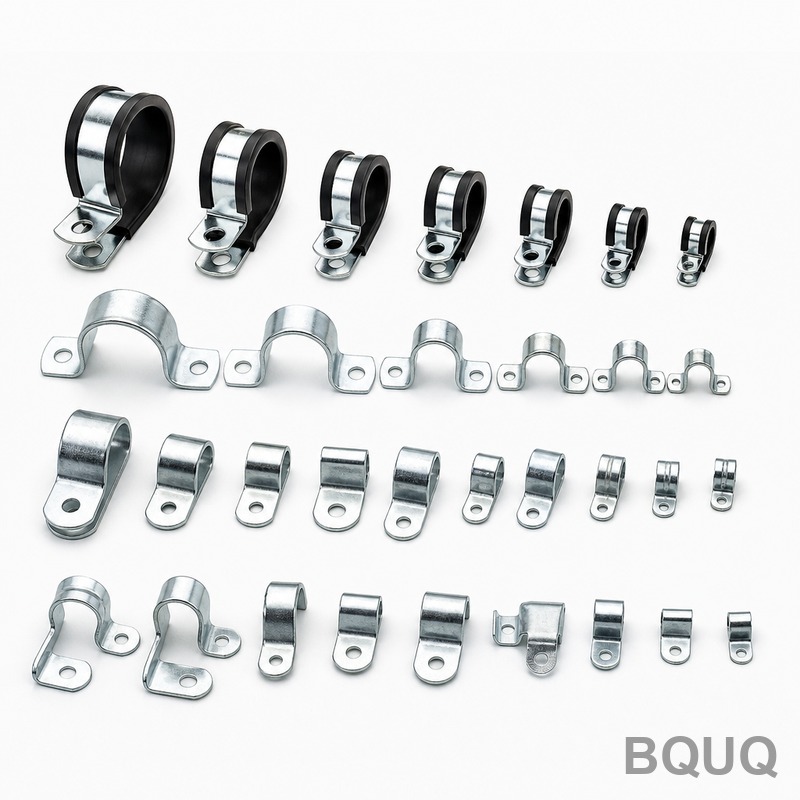
We stamp these parts in our Dongguan factory on 25-ton to 160-ton presses, using progressive dies that hold repeatability across 100,000+ hits. The collection covers the six most requested mounting geometries we see in AI server orders: L-brackets for PSU retention, flat plates for PCIe card support, U-channels for drive bays, Z-brackets for fan trays, sliding rails with ball-bearing inserts, and grounding clips. Each part is deburred and passivated, ready for immediate installation.
Die Design and Material Flow for Zero Warpage in Thin Gauges
AI server chassis parts are typically 0.8 mm to 2.0 mm thick, and thin material warps easily during stamping. We counter the problem with a three-step die sequence: pre-form, coining, and restrike. Coining flattens the grain structure, and restrike sets the final angle to ±0.5 degrees. For the slide rails, we use a cam-driven side-action die that forms the ball-bearing groove in one hit, holding runout to 0.05 mm across a 600 mm length. This is not standard stamping practice; it requires die steel of D2 or M2 grade, ground and polished to a mirror finish before every production run.
We also control strip feed speed at 2.5 meters per minute for these parts. Slower than typical stamping, but it lets the material cool evenly between stations. The result is parts that sit flat on a granite surface plate without shims—something you can verify on your own incoming inspection table. If you need a custom mounting hole pattern, we adjust the die insert rather than re-cutting the whole die, which keeps your tooling cost lower and your revision cycle to under five days.
Materials and Heat Treatment We Use for AI Server Mounts
You have three standard material options, all sourced from domestic Chinese mills with mill certificates on file. SPCC cold-rolled steel, 0.8–2.0 mm thick, is the baseline for brackets and clips. For load-bearing rails and PSU mounts, we use SECC electro-galvanized steel, which adds corrosion resistance without post-plating. Stainless steel SUS304, 1.0–1.5 mm, is available for outdoor or high-humidity environments. All carbon steel parts go through a batch austempering process at 350°C for 90 minutes, reaching 45–52 HRC while keeping ductility above 8% elongation so the parts do not crack when you torque them.
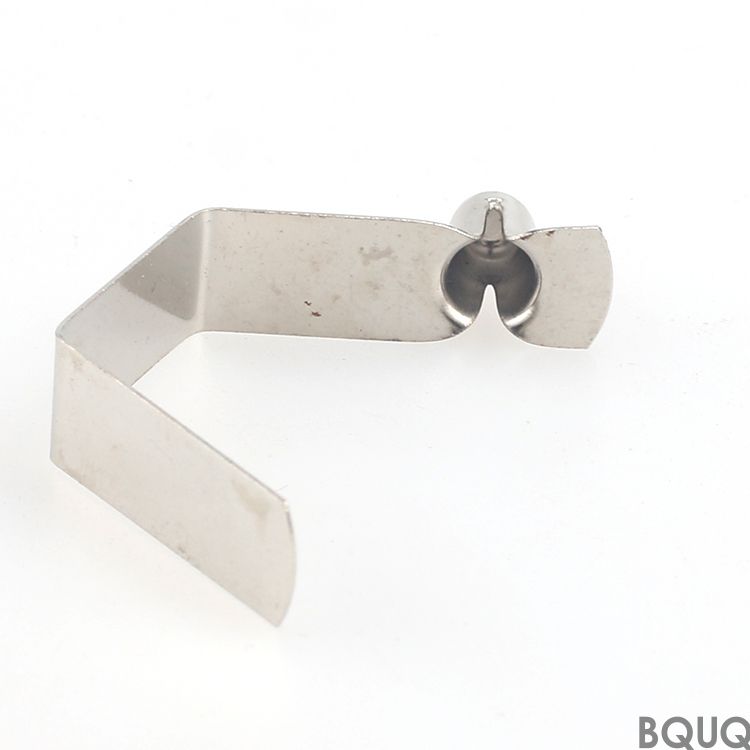
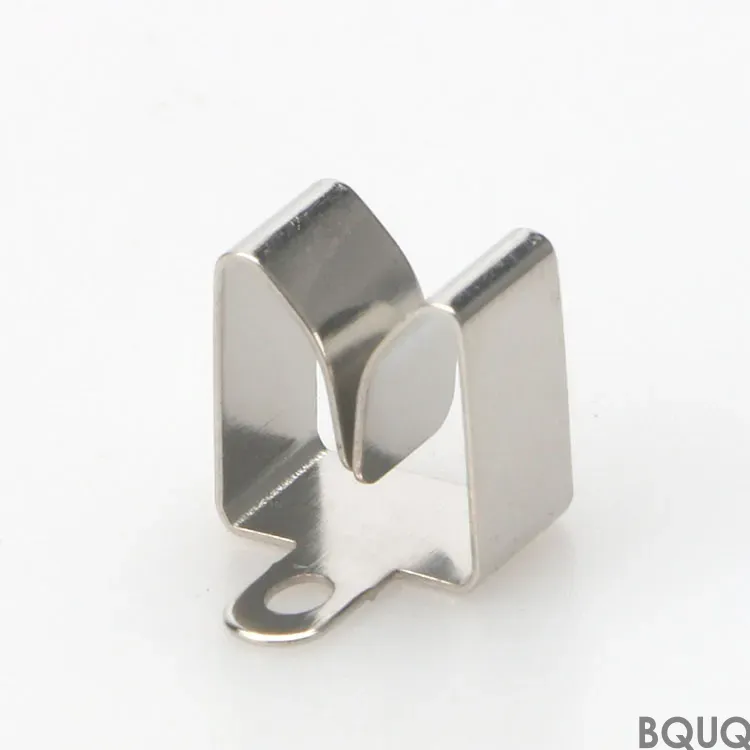
Surface treatment is where we differ from low-cost shops. We offer trivalent chromate passivation on zinc-plated parts, which passes the 72-hour neutral salt spray test per ASTM B117. For EMI shielding, we add a nickel-plated copper finger clip that compresses at 0.3 N/mm and recovers fully after 10,000 cycles. This is critical for AI servers that generate high-frequency noise; the clips keep your chassis grounded and compliant with FCC Part 15. We do not outsource heat treatment or plating—both are done in-house, so the process control is fully traceable.
Inspection Before Every Shipment: CMM and Hardness Reports
Every lot of the Ai Server Chassis Mounting Parts Collection goes through a CMM (coordinate measuring machine) check on 10% of the pieces, with a minimum of 5 pieces per batch. We measure hole positions, edge distances, and angularity against the drawing GD&T per ISO 2768-mK. The CMM data is compiled into a PDF report you receive with the packing list. Hardness is verified on a Rockwell tester, three spots per part, and we reject the lot if any single reading falls outside the 45–52 HRC range. Surface roughness is checked with a profilometer on the mounting faces, holding Ra 0.8 µm or better.
We also do a 100% visual inspection for burrs and scratches under a 4x magnifier lamp. Burr height is controlled to under 0.03 mm; any part with a burr above that goes back to the deburring barrel. For slide rails, we test one assembled pair per batch for travel force, verifying it pulls smoothly with a 3 kg load and does not exceed 5 N of sliding resistance. This level of inspection is why our customers in the AI server industry report a field failure rate below 0.1% over the last two years. You get a copy of the inspection report in your email within 24 hours of shipment.
Lead Time and MOQ: Why We Say No MOQ for Standard Parts
For the standard collection, we keep 5,000 pieces of each geometry in stock at our Dongguan warehouse. This means you can order one piece for prototyping or 10,000 pieces for production—there is no minimum order quantity. Lead time for standard parts is 48 hours from order confirmation to dispatch, delivered by DHL or FedEx. For custom stamped parts, we need 7–10 days for die modification and sampling. The first article inspection (FAI) report is sent within 48 hours of sampling, so you can approve before we start production.
Our no MOQ policy is not a marketing trick. It works because the progressive dies are already built and paid for. You pay only for the metal and machine time. If you need a small batch of a custom part, we quote the die modification cost separately, but that cost is waived if you order more than 2,000 pieces of that part within 90 days. We have done this for five years, and it has allowed startups and large OEMs alike to test new chassis designs without inventory risk.
Fitting into Your Existing AI Server Assembly Line
These parts are designed to drop into your current assembly process without rework. The hole patterns match the standard 5.25-inch drive bay spacing and the 1.75-inch rack unit height. Slide rails come pre-drilled for both square-hole and threaded-hole racks, so you do not need adapters. The grounding clips snap onto the chassis edge with a hand press, no screws. We also provide a kitting option: we can package the entire collection for one server chassis in a single box, labeled by assembly step. This reduces your line-side inventory complexity and eliminates the risk of missing parts during a build.
For designers, the CAD files for these parts are available on request in STEP or IGES format. We recommend you cross-check your hole tolerances against the CNC machining tolerances guide before finalizing your drawing. Our stamping process holds ±0.02 mm, which is tighter than most CNC milling on thin sheet metal, but the guide explains where you might need to relax tolerance for cost savings. If you are selecting cutting tools for post-stamping operations, see the CNC cutting tool selection guide for recommended speeds and feeds on these hardened surfaces.
Table: Specs for the Standard Ai Server Chassis Mounting Parts Collection
Parameter
Value
Material Options
SPCC, SECC, SUS304
Thickness Range
0.8 mm – 2.0 mm
Hardness (Carbon Steel)
45–52 HRC
Hole Tolerance
±0.02 mm
Flatness
0.05 mm over 300 mm length
Runout (Slide Rails)
0.05 mm per 600 mm
Surface Finish (Ra)
0.8 µm on mounting faces
Burr Height Max
0.03 mm
Salt Spray Test (Zinc Plated)
72 hours per ASTM B117
Lead Time (Standard Parts)
48 hours from order confirmation
MOQ
No MOQ for standard collection
FAQ for Engineers Ordering This Collection
What is the minimum order quantity for the Ai Server Chassis Mounting Parts Collection?
No MOQ for standard parts—order one piece for a prototype or 10,000 pieces for production.
Can you customize hole patterns or dimensions on these stamped parts?
Yes, we modify die inserts for custom geometries, typically within 5 days including sampling.
How do you ensure quality on a large batch shipment?
We run CMM inspection on 10% of pieces per lot plus 100% visual burr check, and send the full report with your shipment.
What is the lead time for a custom version of this collection?
Custom parts ship in 7–10 days after die modification, with the first article report sent within 48 hours of sampling.
Request Your Quote and Drawing Review Today
Send us your drawing or a list of the standard parts you need. We respond with a firm quote within 12 hours, including unit price, tooling cost (if any), and confirmed lead time. Our precision manufacturing is done entirely in-house, made in China, and backed by a 100% inspection report on every lot. No MOQ, no hidden fees. Email your files to sc@bquq.com or message us on WhatsApp at +86 13713157787. If you already have a 3D model, send it in STEP or IGES; if you only have a sketch, we can help you convert it into a stamping-friendly drawing.