What This Collection Gives You: One Source for BT, HSK, and SK Chucks This is a complete range of CNC collet chucks covering all three common shank standards—BT, HSK, and SK—mach
What This Collection Gives You: One Source for BT, HSK, and SK Chucks This is a complete range of CNC collet chucks covering all three common shank standards—BT, HSK, and SK—machined from a single b
Get a Fast Quote for This Part
Send us your drawing / quantity / material — reply within 24h.
What This Collection Gives You: One Source for BT, HSK, and SK Chucks
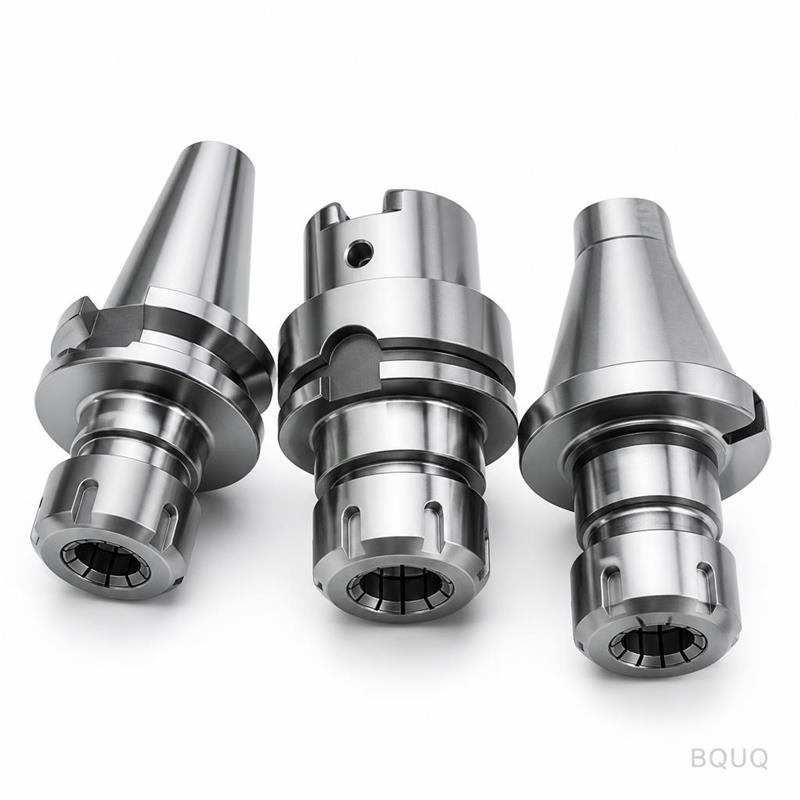
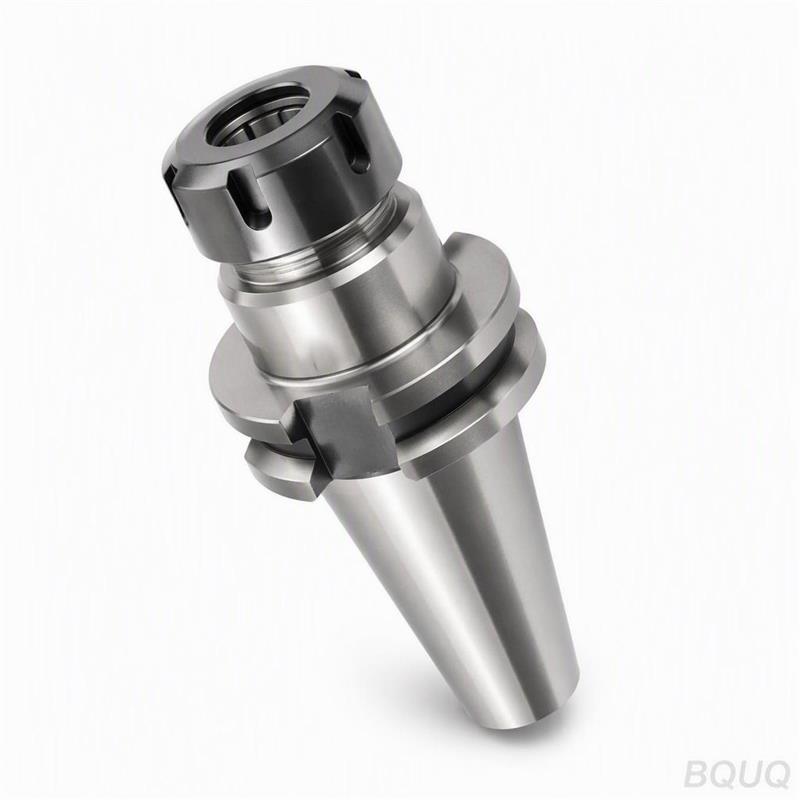
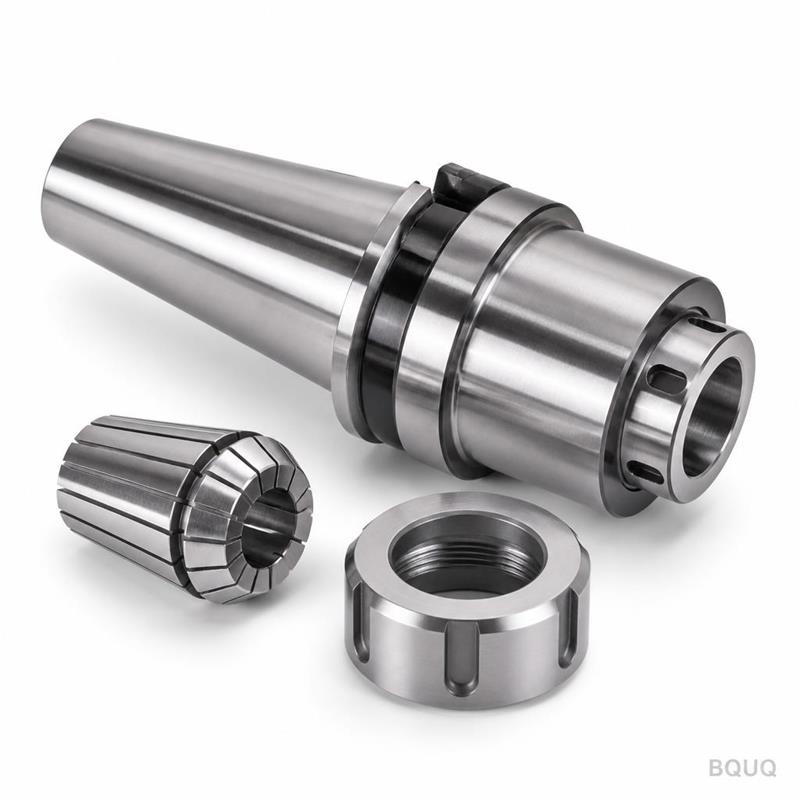
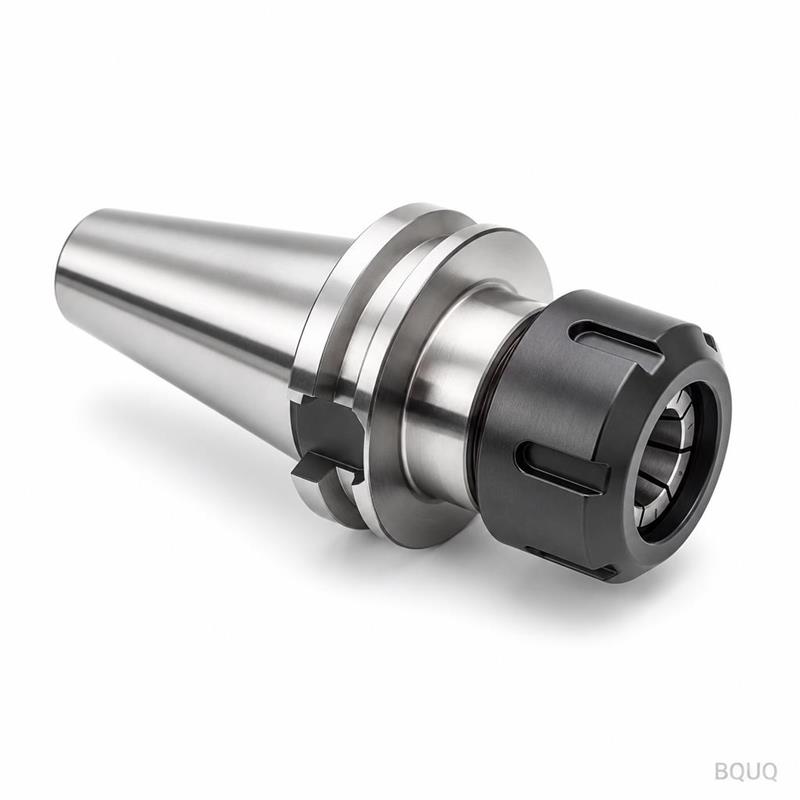
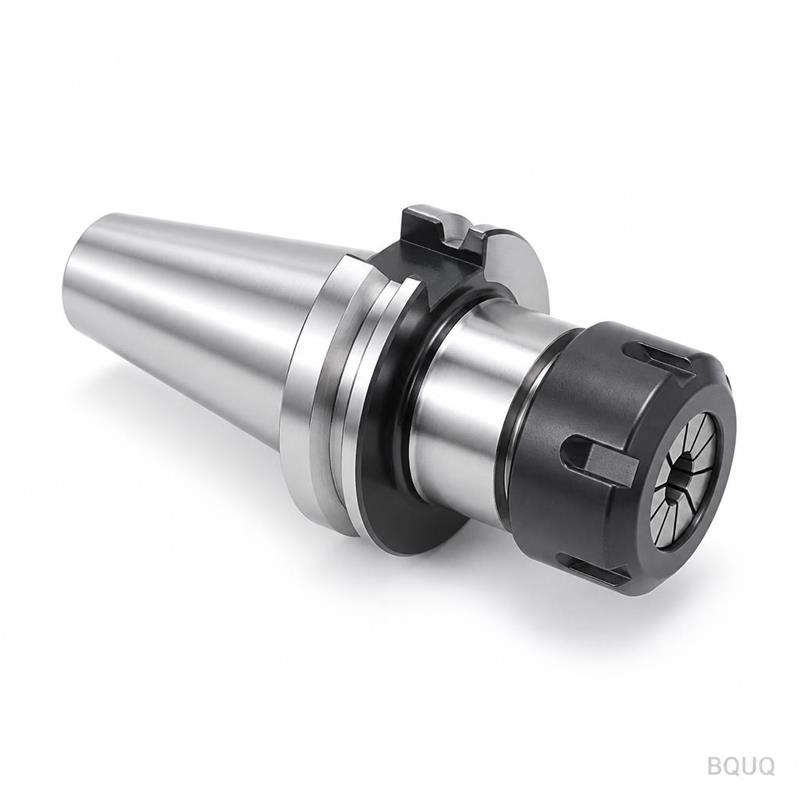
This is a complete range of CNC collet chucks covering all three common shank standards—BT, HSK, and SK—machined from a single billet of 20CrMnTi or 42CrMo steel. You get a guaranteed runout of 0.005 mm TIR (tool shank to taper) and a hardness of 58–60 HRC after carburizing, which means longer tool life and fewer rejected parts. Lead time is 15 days for standard sizes, and because we run our own CNC lathes and grinding machines in-house, we can mix batch sizes without penalizing your cost per unit.
How ER Collet Chucks Grip Tooling Without Runout
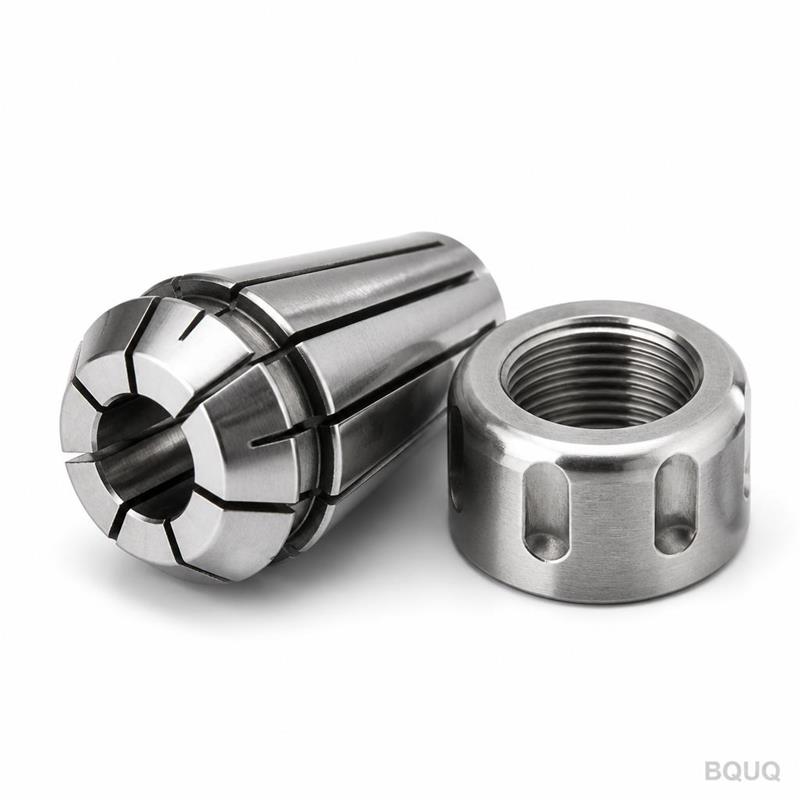
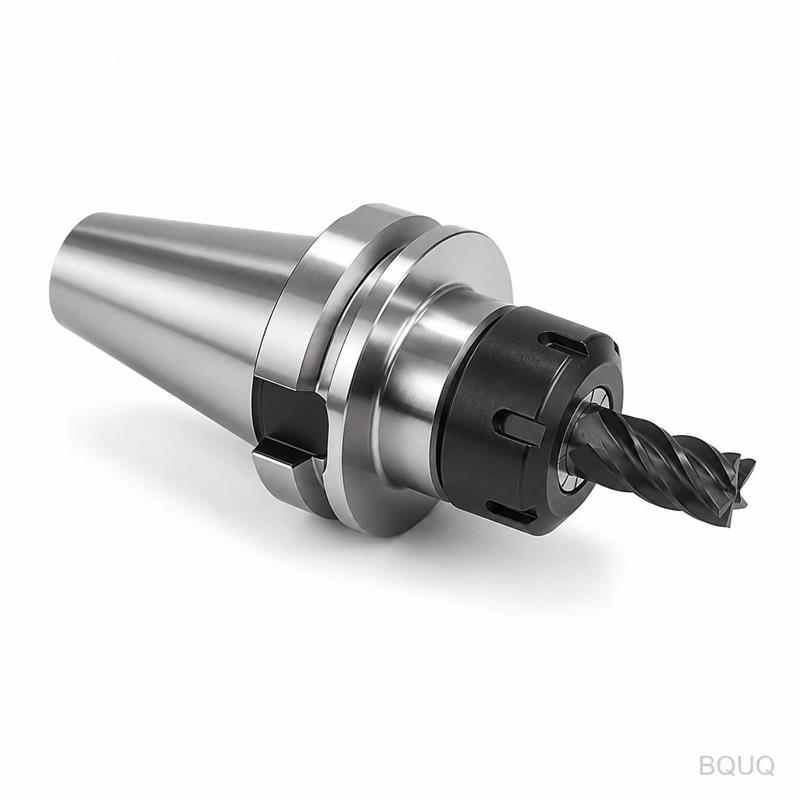
Each chuck uses an ER collet system—ER16, ER20, ER25, or ER32—where the collet is compressed radially by a lock nut. The key is the taper angle inside the chuck body: we machine it to AT3 tolerance, then grind it on a jig grinder to a surface finish of Ra 0.2 µm. That taper is what centers the collet, not the nut’s threads. We also grind the outer diameter of the chuck body to 0.003 mm concentricity with the taper, so when you tighten the nut, the tool shank sits dead center. For HSK versions, we use a hollow taper shank with two contact points—face and taper—which gives you even more rigidity at high RPM.
Materials and Heat Treatment We Use
We start with two material options depending on your application. For general milling and drilling, we use 20CrMnTi, carburized to a depth of 0.8–1.2 mm, then hardened to 58–60 HRC. For heavy roughing or interrupted cuts, we switch to 42CrMo, quenched and tempered to 42–46 HRC core hardness, then nitrided on the surface to 65 HRC. Every chuck body goes through a stress-relief cycle before final grinding to prevent distortion. The lock nuts are made from 40Cr, hardened to 45 HRC, with a fine-pitch thread (ISO metric) ground to class 6H tolerance. We do not use castings or forgings with hidden porosity—everything is machined from solid bar stock.
Inspection Before Every Shipment: Not Just a Paper Certificate
Every chuck is inspected on a Zeiss CMM for taper angle and concentricity, plus a runout test with a real ER collet and a calibrated test bar. We record the actual runout value on the inspection report—not a “pass/fail” stamp. Taper contact is checked with blueing against a master gauge: we require 90% contact for BT and SK, and 95% for HSK. Surface finish is measured with a profilometer on the taper and the collet seat. We also test the lock nut torque: it must be repeatable within ±5% over 100 cycles. If any chuck fails, it goes back to the grinding station, not into a box.
Size Range and Shank Options: What You Can Order Today
If your spindle runs above 10,000 RPM, a standard chuck will vibrate and wear your tool edges fast. We offer two balancing options: G6.3 at 15,000 RPM (standard) and G2.5 at 25,000 RPM (optional). For G2.5, we dynamically balance each chuck on a Schenck machine and mark the light spot on the flange. You can also order pre-balanced collets and nuts as a set—we match them by weight to within 0.5 g. This is critical for HSK-A63 chucks used in die and mold finishing, where a 0.01 mm difference in surface finish depends on spindle stability.
How to Choose Between BT, HSK, and SK for Your Machine
BT (Japanese standard) is a steep taper with a flange—it’s the most common on older machining centers with pull studs. HSK (hollow shank) is a dual-contact system that’s better for high RPM and automatic tool changers because it’s lighter and stiffer. SK (German standard) is similar to BT but uses a different flange angle—check your spindle’s drawbar design before ordering. If you’re unsure, send us your spindle model or a photo of the pull stud. We’ll match the correct shank and recommend the right collet size for your tool diameter. For a deeper look at matching tool holders to cutting tools, read our CNC cutting tool selection guide.
What is your MOQ for this CNC machined tool holder collection?
No MOQ—you can order a single BT40 chuck for testing, and the price per unit stays the same as a 100-piece order. This is part of our precision manufacturing service from our Dongguan factory, made in China.
Can you customize the shank length or flange design?
Yes, we can modify the flange diameter, shank length, or add coolant holes through the center, but we need a drawing or a sample to confirm the dimensions—custom lead time is 25 days.
How do you guarantee the 0.005 mm runout on every chuck?
We measure each chuck with a CMM and a test bar, and the actual runout value is printed on the inspection report—if it’s above 0.005 mm, we regrind it before shipping.
What is the standard lead time for a mixed order of BT, HSK, and SK chucks?
Standard sizes ship in 15 days from drawing approval, and mixed orders don’t add extra time because we run all three types on the same production line.
Get a Firm Quote Within 12 Hours—Send Your Drawing Today
Send your drawing or a list of sizes to sc@bquq.com, and we’ll reply with a firm price, lead time, and a suggested collet configuration. For urgent needs, WhatsApp us at +86 13713157787. If you’re still defining your tolerance requirements, our CNC machining tolerances guide explains what’s achievable and what adds cost. We’re a 20-year-old precision manufacturing factory in Dongguan, China—no middlemen, no inflated quotes, just machined parts that fit your spindle the first time.