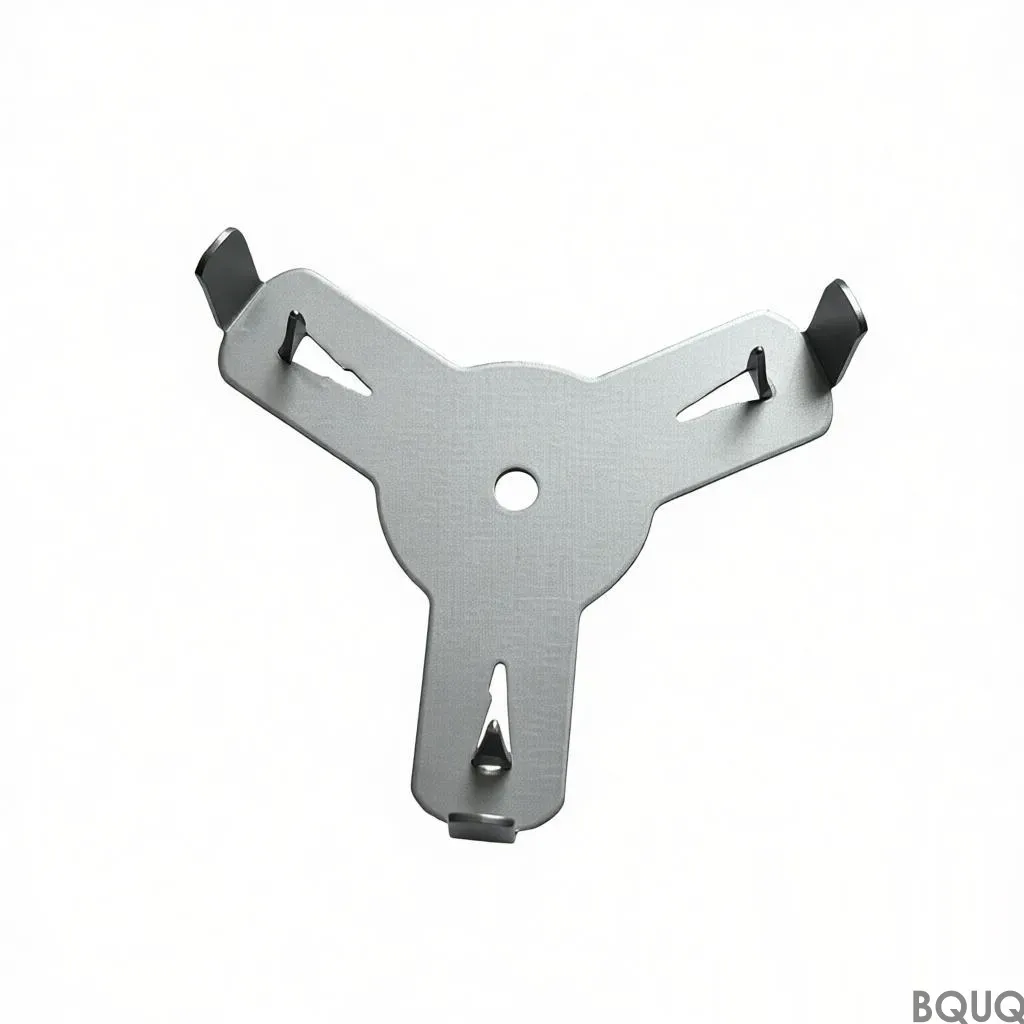
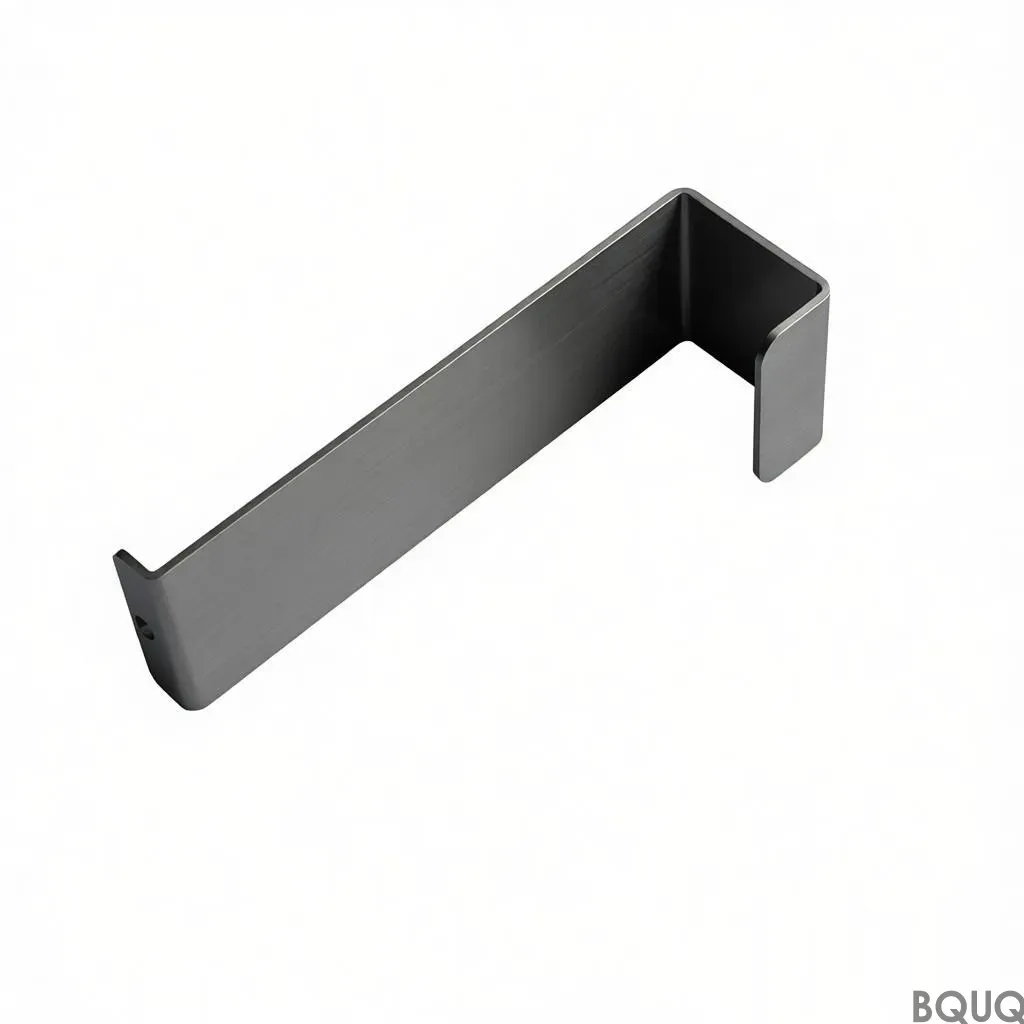
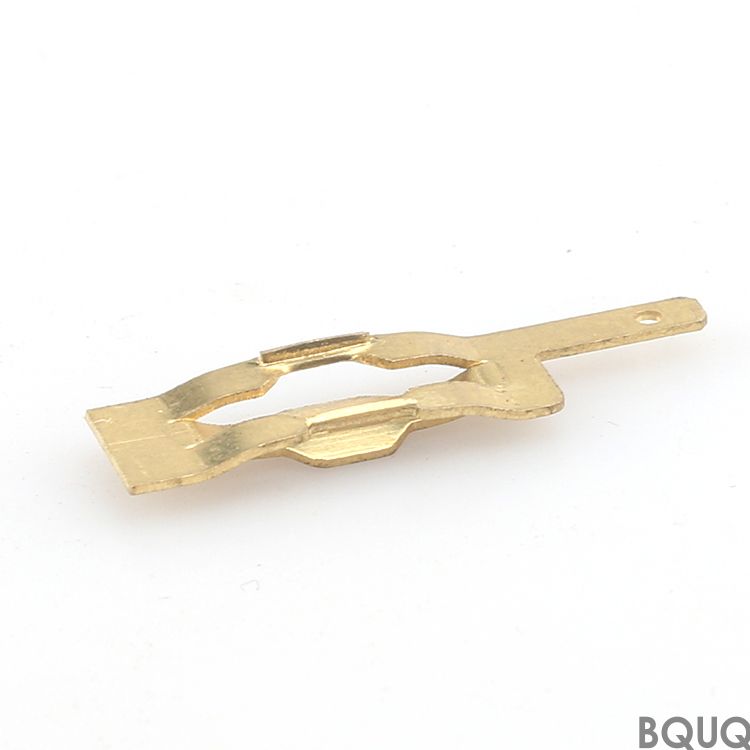
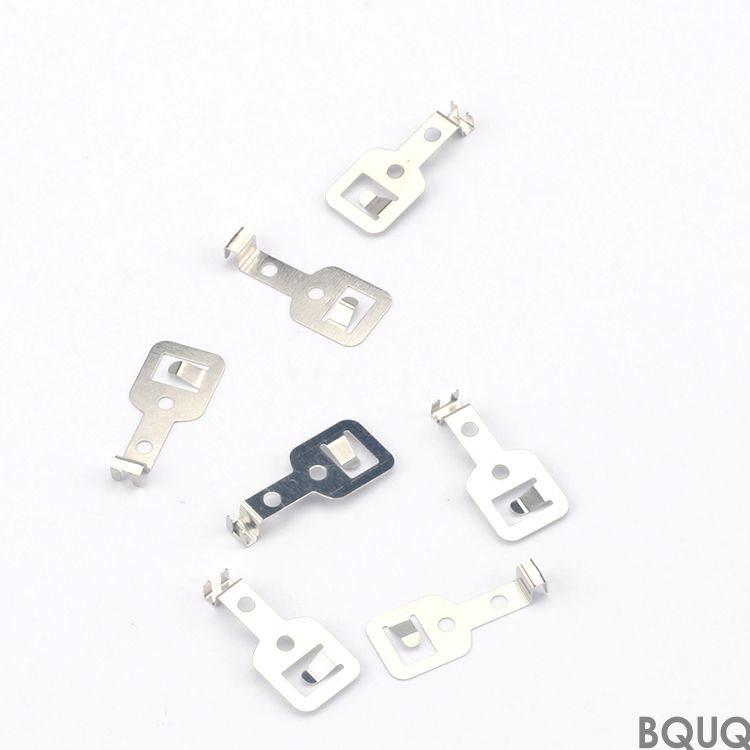
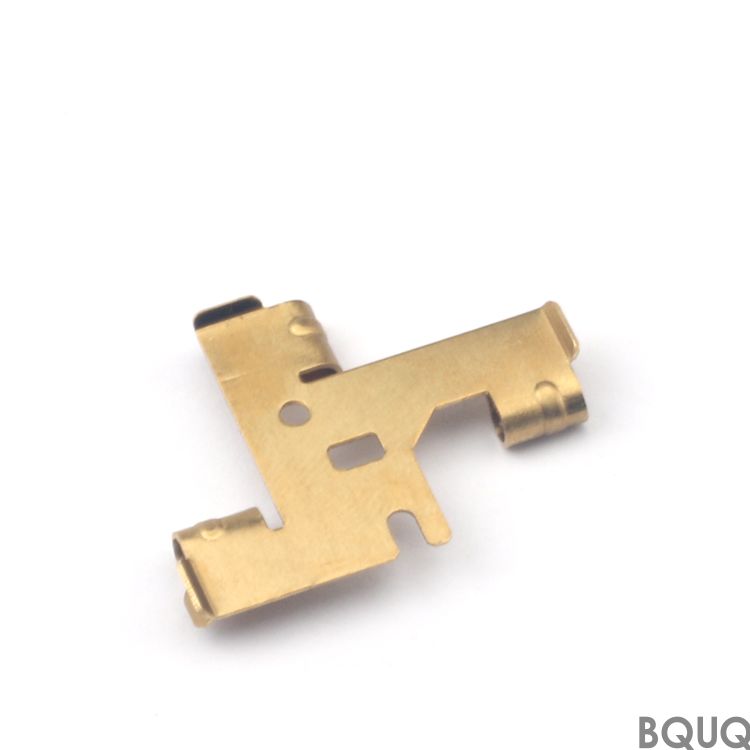
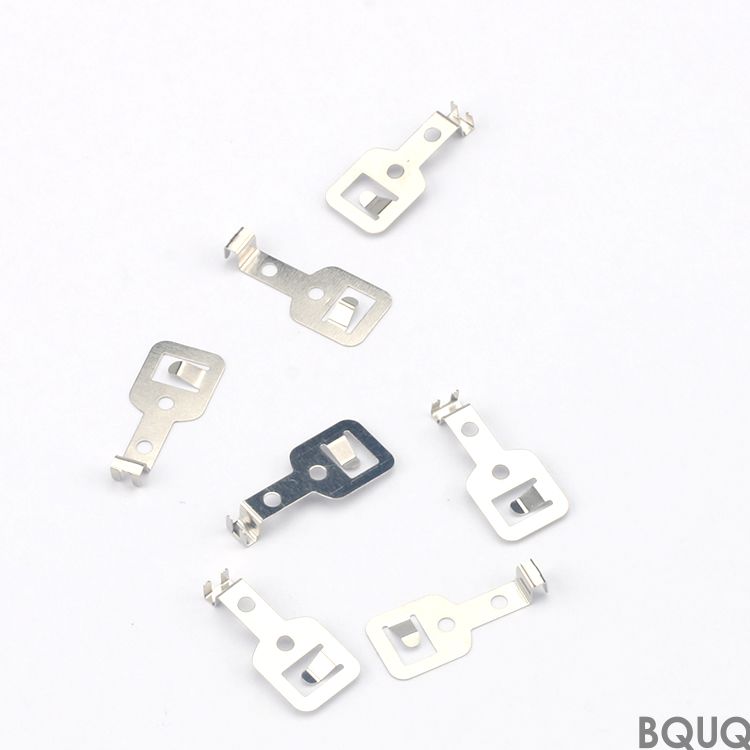
What This Stamped Contact Spring Does Inside Your Toy This is a metal stamped battery contact spring and power terminal, produced with custom mold tooling built in our Dongguan fa
Toy Battery Contact Spring Power Terminal Custom Mold Making | BQUQ
What This Stamped Contact Spring Does Inside Your Toy This is a metal stamped battery contact spring and power terminal, produced with custom mold tooling built in our Dongguan factory. The concrete
Get a Fast Quote for This Part
Send us your drawing / quantity / material — reply within 24h.
What This Stamped Contact Spring Does Inside Your Toy
This is a metal stamped battery contact spring and power terminal, produced with custom mold tooling built in our Dongguan factory. The concrete benefit: you get a spring contact with ±0.02 mm positional tolerance, 0.05 mm total runout on the coil face, and surface finish Ra 0.8 µm — all from a single progressive die that runs at 300 strokes per minute. Typical lead time for a new custom mold is 15 working days, and first article inspection reports are sent with every batch.
Why a Stamped Spring Beats a Wound Spring for Toy Battery Contacts
Wound springs have loose pitch and inconsistent end flatness, which causes intermittent battery contact in toys that get dropped. Our stamped contact spring is formed from a flat strip, then bent into a multi-turn coil shape with a coined flat landing pad. The result: end flatness within 0.03 mm, no sharp edges that cut battery wrappers, and a spring rate repeatability of ±3% across 100,000 cycles. We use this process for power terminals in remote controls, plush toys, and handheld game devices.
Mold Steel Selection and Heat Treatment for 1 Million Strokes
Your custom mold is built from either SKD11 or DC53 tool steel, depending on the strip thickness and bend radius. For strip below 0.3 mm thick, we use SKD11 hardened to 58–60 HRC. For thicker strip up to 1.2 mm, DC53 at 60–62 HRC gives better wear resistance. Every mold cavity is wire-cut, then hand-polished to a mirror finish of Ra 0.2 µm on the forming surfaces. We guarantee 1 million strokes before the first tool maintenance, and we include a spare punch and die insert with every mold set.
Materials We Stock for Toy Battery Contacts and Power Terminals
We stock five materials that cover 90% of toy battery contact applications: C7521 nickel silver (best for corrosion resistance), C5210 phosphor bronze (best for spring back consistency), SUS301 stainless steel (for high-temperature environments), SPCC cold-rolled steel (lowest cost), and tin-plated brass (for solderability). All materials come with mill certificates. If you need a specific alloy, we can source it in 3 days and still hit the 15-day mold lead time.
Specification
Value / Range
Material options
C7521, C5210, SUS301, SPCC, tin-plated brass
Strip thickness
0.08 mm – 1.20 mm
Spring coil outer diameter
2.0 mm – 15.0 mm
Terminal pin width
1.0 mm – 8.0 mm
Hardness (as formed)
HV 150 – HV 480 (depends on material)
Mold steel hardness
58 – 62 HRC
Positional tolerance
±0.02 mm
Runout on coil face
≤ 0.05 mm
Surface finish
Ra 0.8 µm (standard), Ra 0.2 µm (polished)
Lead time (new mold + samples)
15 working days
MOQ
No MOQ for samples; 10,000 pcs for production
How We Hold ±0.02 mm Tolerance Across a 300-Stroke Progressive Die
The tolerance is not luck — it comes from a 6-station progressive die with a fixed pilot pin in every station. Strip is fed at 300 strokes per minute through a servo press with a tonnage sensor. Each station has a separate micro-adjustable cam for bend angle correction, and we run in-process dimensional checks every 500 parts using a laser micrometer. For your reference, our complete tolerance strategy is documented in our CNC machining tolerances guide, which is based on the same measuring principles we apply to stamped parts.
Inspection Before Every Shipment: 5-Point Contact Test
Every batch of toy battery contact springs goes through a 5-point inspection before packing. First, we measure the spring force at 1.0 mm compression using a digital force gauge — the acceptable window is your nominal value ±5%. Second, we check the contact resistance against a standard battery terminal using a 4-wire micro-ohm meter, target below 20 mΩ. Third, we verify the coil outer diameter with a go/no-go gauge. Fourth, we run a 50-cycle insertion/withdrawal test on a standard AA or AAA battery fixture. Fifth, we check surface finish with a profilometer on three random parts per 1,000 pieces. The full report is emailed to you within 24 hours of shipment.
Tool Maintenance Checklist That Extends Mold Life to 3 Million Strokes
We do not just hand you a mold and say goodbye. Every custom mold comes with a printed maintenance checklist, and we also publish the same protocol online — see our CNC cutting tool selection guide for the equipment-side view. In short: wipe the die surfaces with anti-rust oil every 5,000 strokes, inspect the pilot pins for wear every 50,000 strokes, and replace the punch nose after 500,000 strokes. If you send the mold back to us, we re-condition it for half the cost of a new mold and return it in 7 days.
Do you have a minimum order quantity for the custom stamping mold?
No MOQ for the mold itself — you pay the mold engineering fee once, and you can order just 1 prototype sample after mold completion, then scale up to 10,000 pieces per batch when you are ready.
Can you make a spring contact that fits a CR2032 coin cell battery?
Yes, we make coin cell contacts with a 0.10 mm thick C5210 phosphor bronze strip, formed to a 6.5 mm outer diameter coil with a 0.3 mm coined dimple for the battery edge, and we hold the overall height to 1.5 mm ±0.05 mm.
How do you guarantee the spring does not lose force after 100,000 compressions?
We pre-set every spring with 3 full compressions to 80% of solid height after stamping, which removes residual stress — our tested samples show force loss under 5% after 100,000 cycles, and we include the cycle test data with your first article report.
What is your lead time for a custom power terminal with a specific plating?
If the material is in stock, mold making takes 15 working days, and the first production batch with selective gold plating or full tin plating adds 3 more working days — total 18 working days to your door.
Send Your Drawing for a Firm Quote Within 12 Hours
We are a precision manufacturing vendor made in China, and we work directly with toy design engineers and procurement teams. Send your 2D drawing (PDF or DXF) or a 3D STEP file to sc@bquq.com, and our engineers will reply within 12 hours with a firm mold quote, piece price, and a DFM feedback list if we see any potential forming issues. For urgent questions, reach us on WhatsApp at +86 13713157787. No MOQ pressure, no design fees for the first review.