Conical vs Cylindrical Springs: When to Use Each Design?
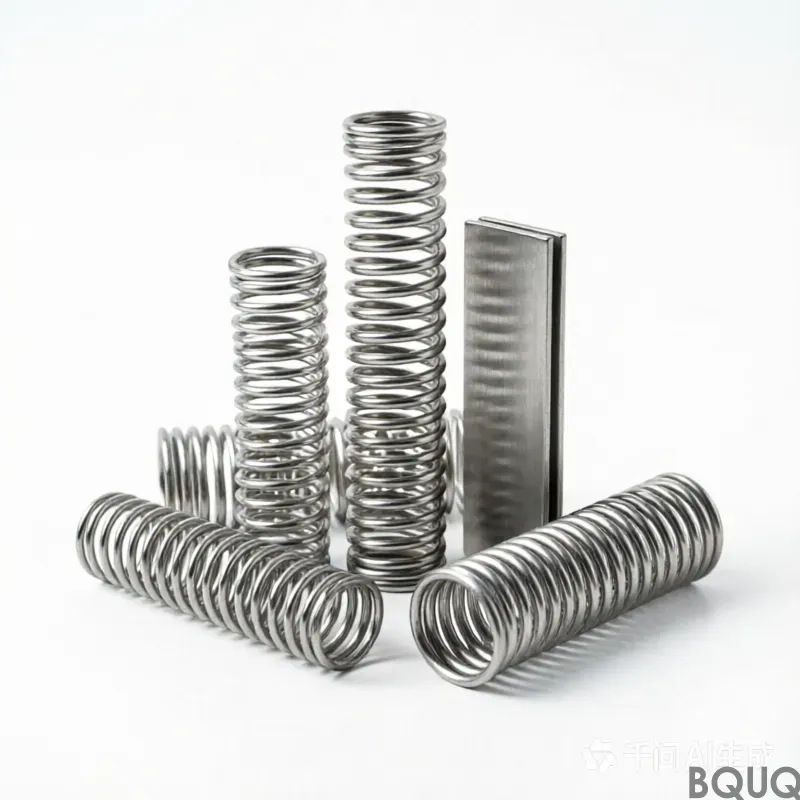
The direct answer is that cylindrical springs are the default choice for standard axial loading applications due to their predictable linear rate and lower manufacturing cost, whil
The direct answer is that cylindrical springs are the default choice for standard axial loading applications due to their predictable linear rate and lower manufacturing cost, whil
Springs are heat treated through two distinct processes: stress relief, performed after cold coiling or forming at temperatures between 260°C and 430°C (500°F to 800°F) to remove r
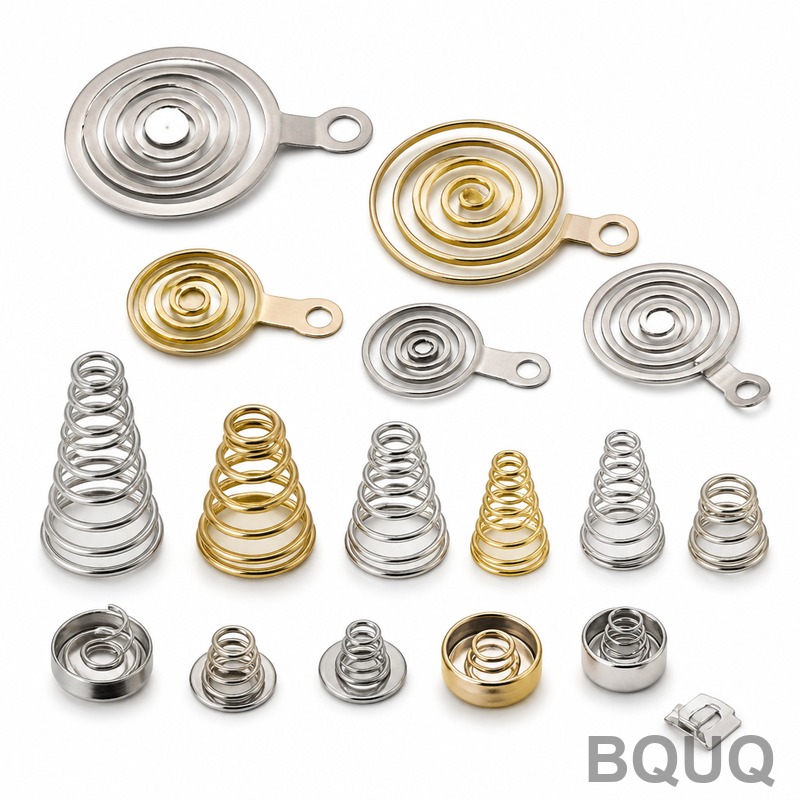
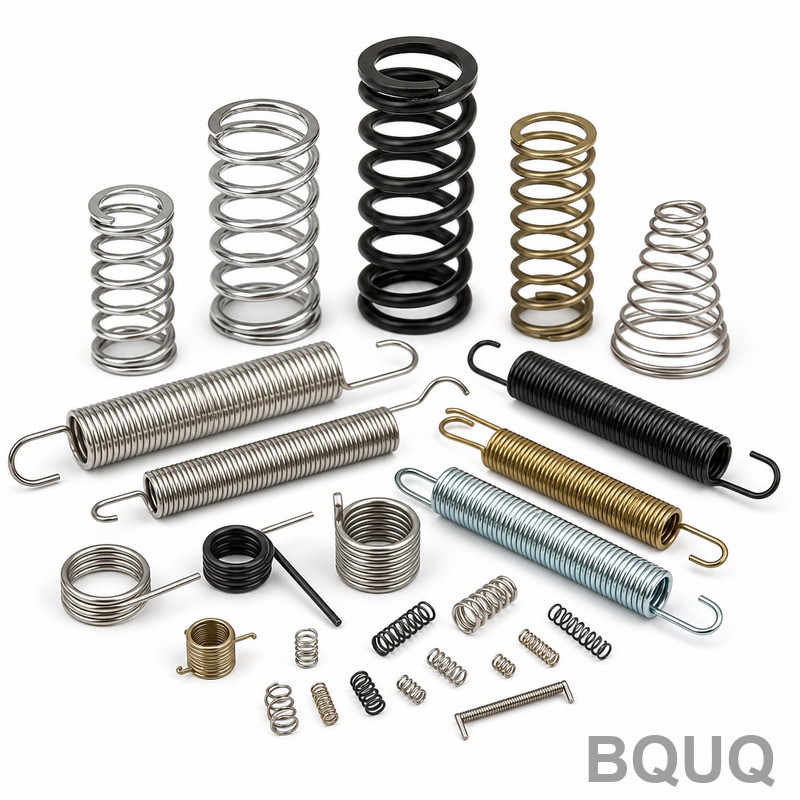
A conical spring is a coil spring wound with a progressively decreasing or increasing diameter along its length, resembling a cone shape. Unlike cylindrical springs, its coils nest
Choosing a spring manufacturer requires evaluating metallurgical traceability, dimensional capability, and process control, not just comparing unit prices. A qualified supplier mus
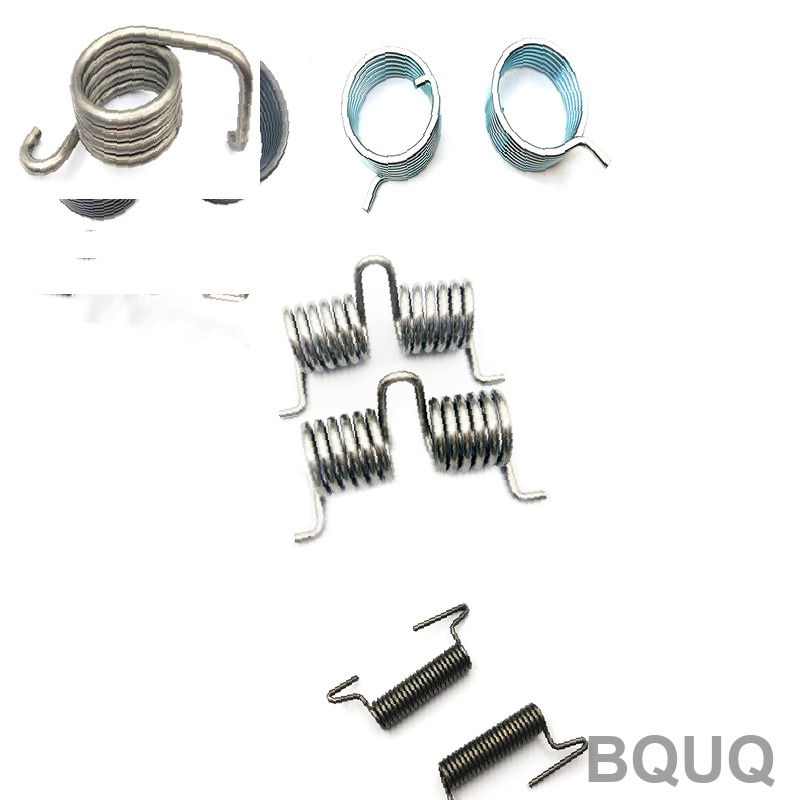
The fundamental difference lies in how each spring absorbs and releases mechanical energy: compression springs resist axial pushing forces and shorten under load, extension springs