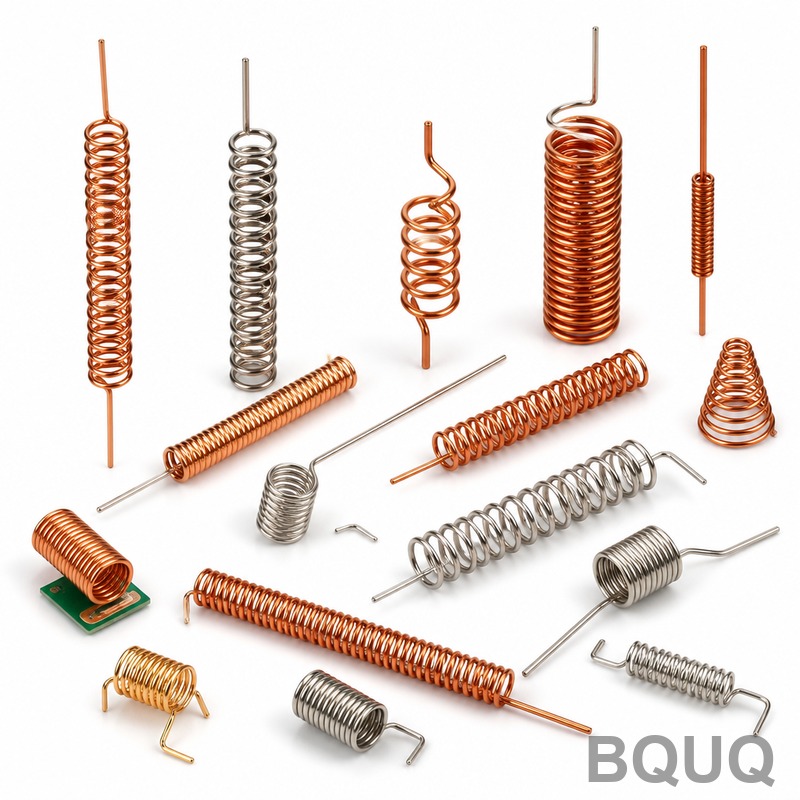
Conical vs Cylindrical Springs: When to Use Each Design?
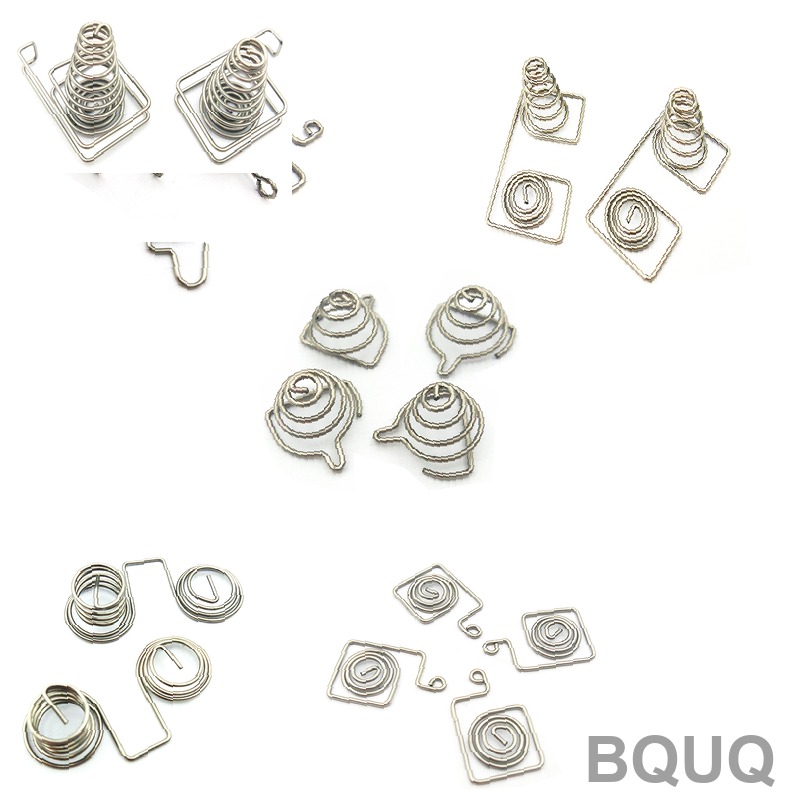
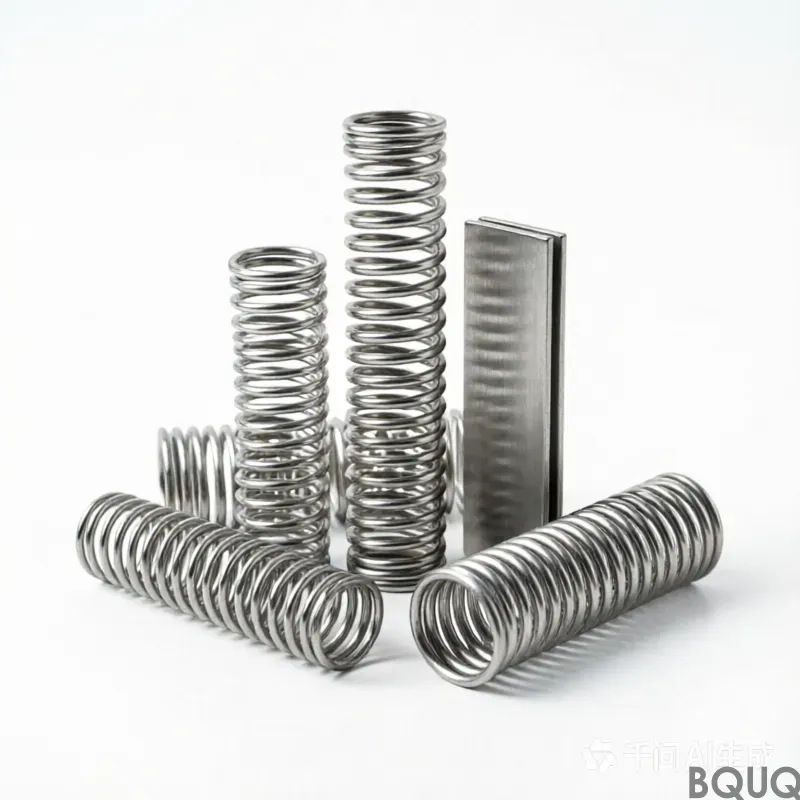
For applications requiring a progressive spring rate, compact solid height, or resistance to surging at high frequencies, a conical spring is the superior choice; for applications
For applications requiring a progressive spring rate, compact solid height, or resistance to surging at high frequencies, a conical spring is the superior choice; for applications
The torque of a torsion spring is calculated using the formula M = (E × d⁴ × θ) / (3667 × D × N), where E is the elastic modulus of the material, d is wire diameter in millimeters,
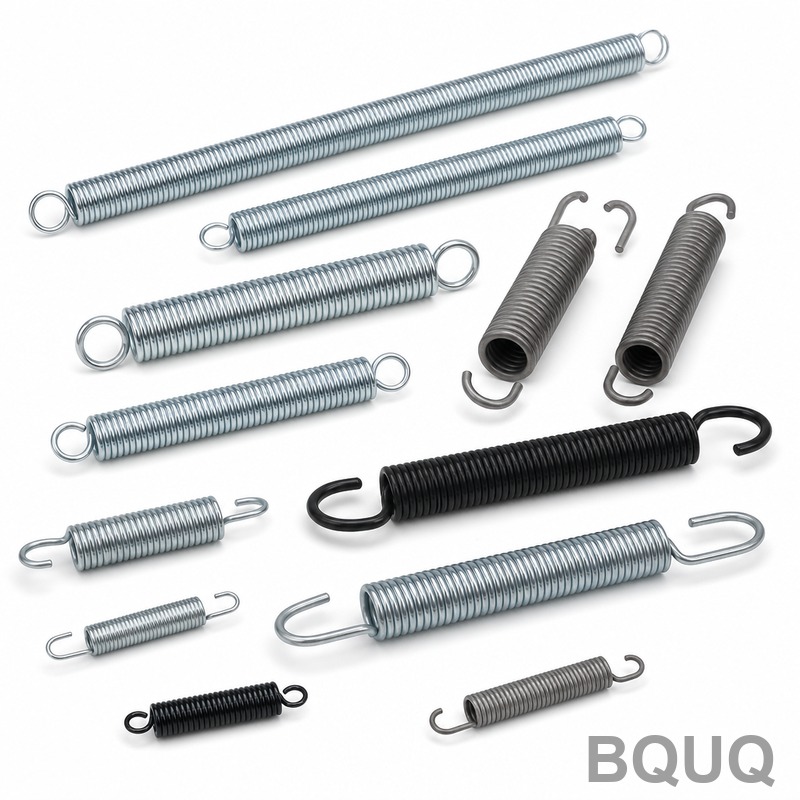
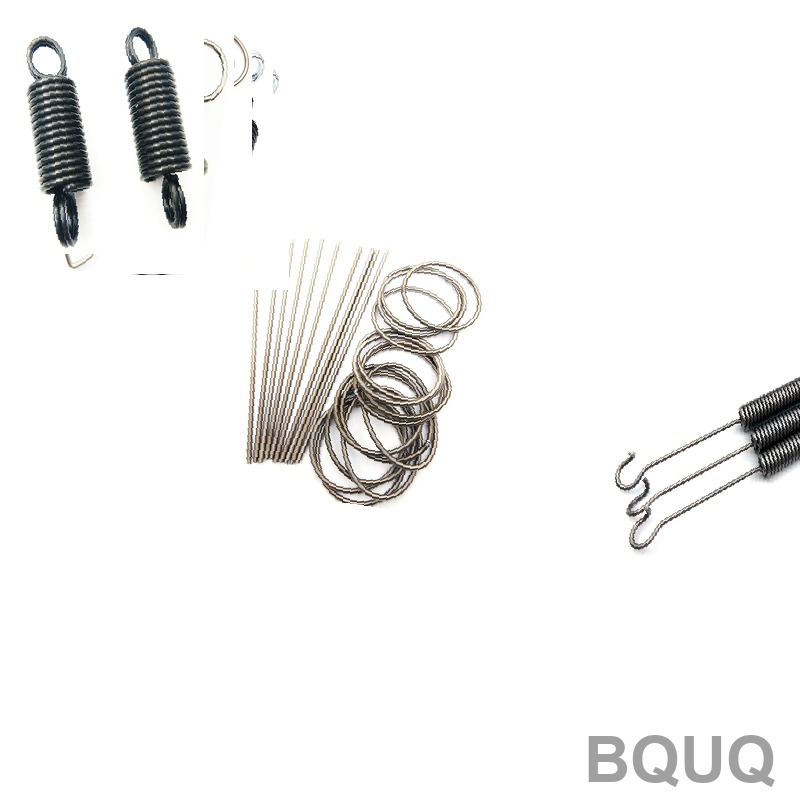
The fundamental difference lies in how each spring absorbs and releases mechanical energy: compression springs resist axial pushing forces and shorten under load, extension springs
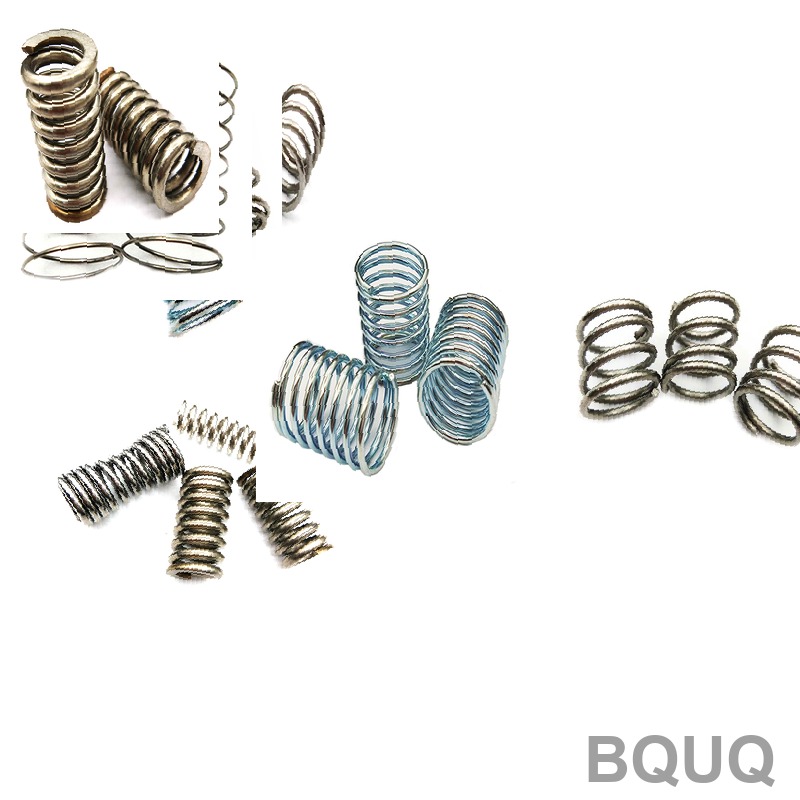
To measure a compression spring accurately, you must record four critical dimensions: wire diameter (d), outside diameter (OD), free length (L₀), and total number of coils (Nt). Th
To specify springs correctly on engineering drawings, you must define the wire diameter, coil dimensions, free length, solid height, spring rate, and material, and then apply GD&am