Why Do Heat Sinks Have Fins? Fin Spacing Explained for Engineers
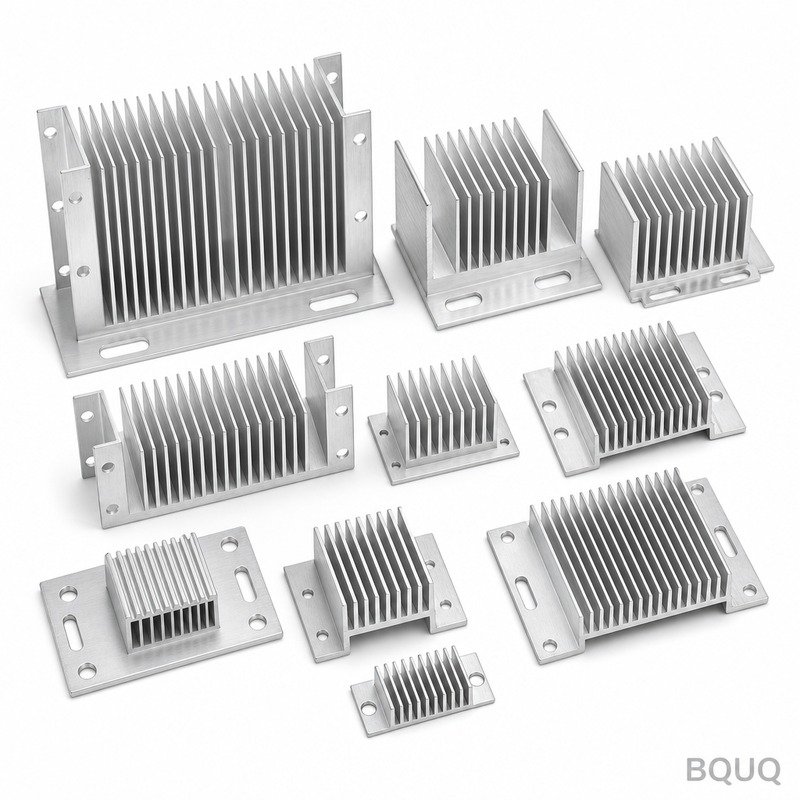
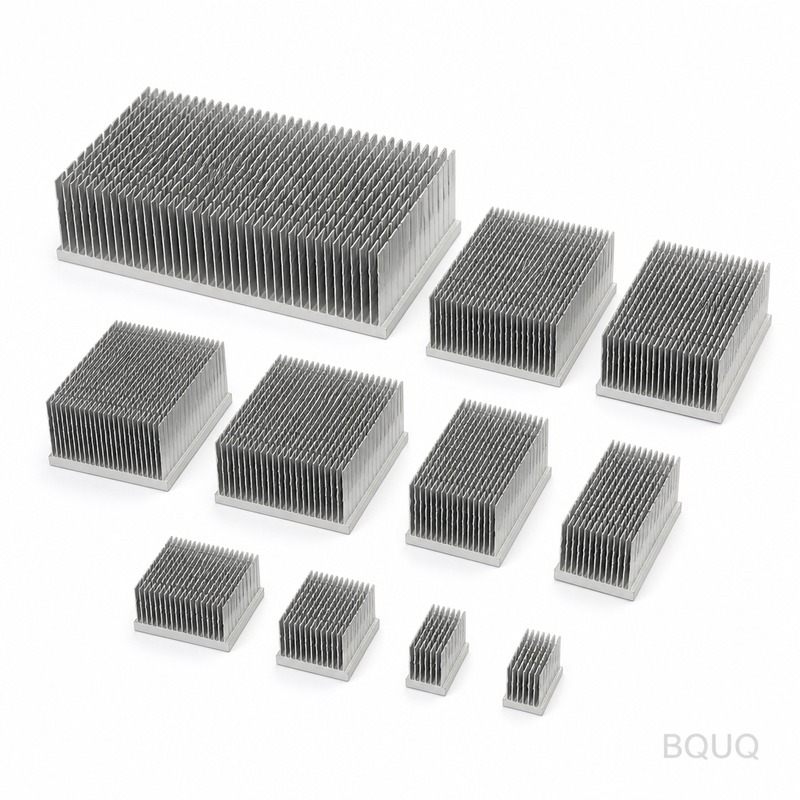
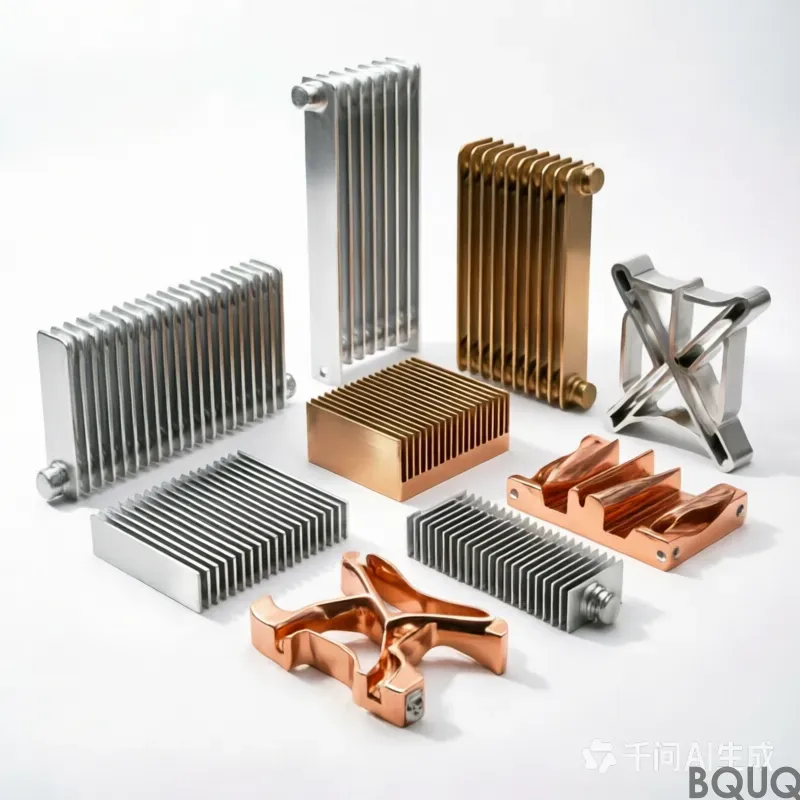
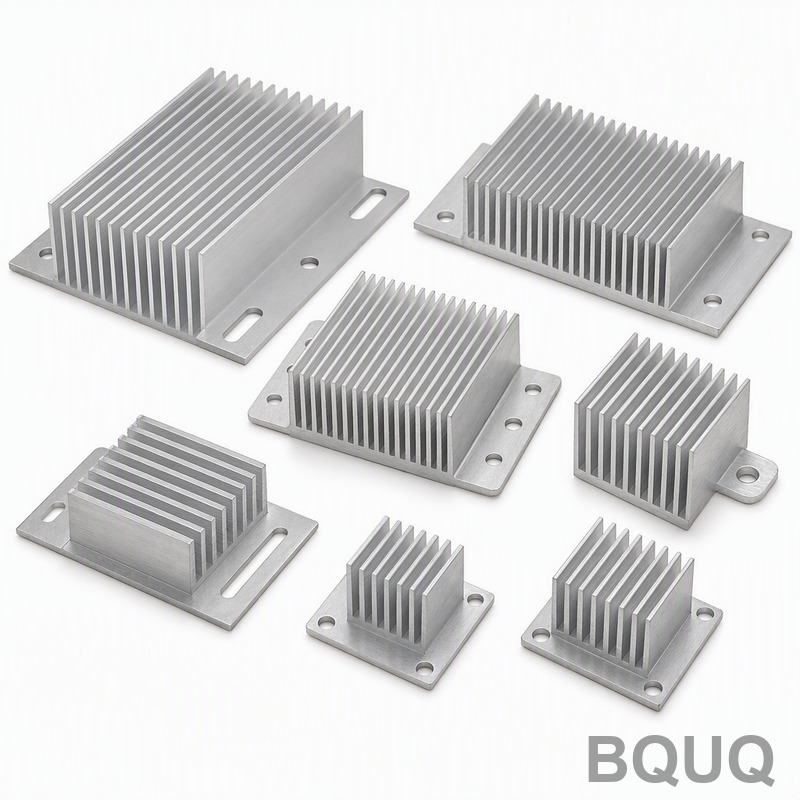
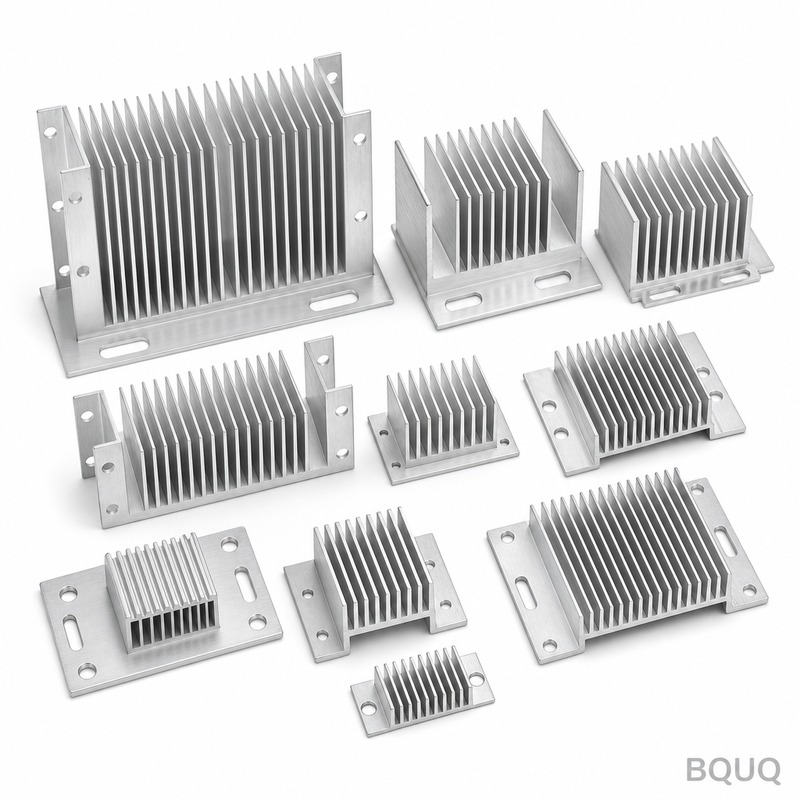
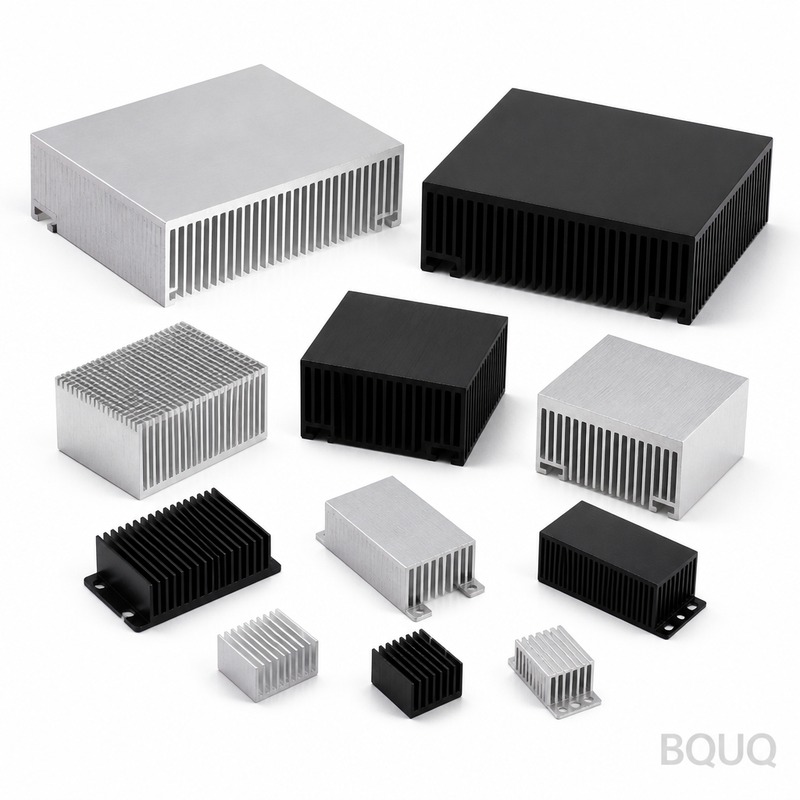
Heat sinks have fins to exponentially increase the surface area available for convective heat transfer, allowing a compact aluminum or copper body to dissipate wattage that would o
Progressive die stamping and deep draw stamping are both high-volume metal forming processes, but they serve fundamentally different purposes. Progressive die stamping cuts and for
Direct Answer: Thermal Grease vs Thermal PadFor most precision electronics applications, thermal grease (paste) delivers superior thermal conductivity (5-8 W/mK vs 1-6 W/mK for pad
The Direct Answer: Fins Multiply Surface Area to Overcome Air's Poor Thermal ConductivityHeat sinks have fins because convection heat transfer to ambient air is inherently ineffici
Coil springs are precision components, and the difference between a reliable spring and a field failure often lies in the coiling process. Modern CNC spring machines, using either