What Is Die Maintenance and Why Does It Matter for Stamping Quality?
Die maintenance is the systematic process of inspecting, cleaning, repairing, and refurbishing stamping tools to restore them to their original geometric accuracy and surface condi
Die maintenance is the systematic process of inspecting, cleaning, repairing, and refurbishing stamping tools to restore them to their original geometric accuracy and surface condi
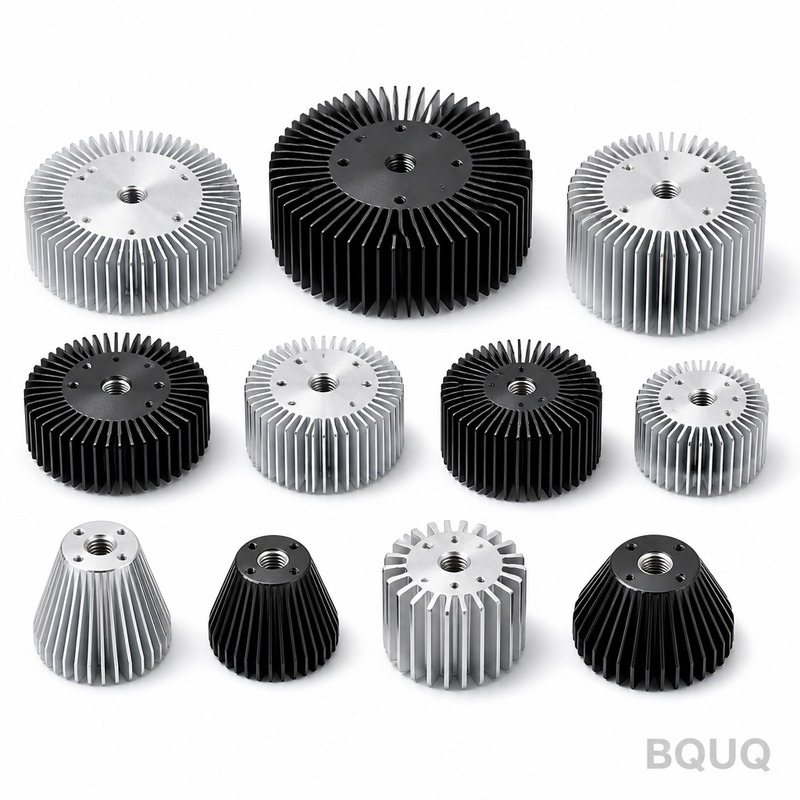
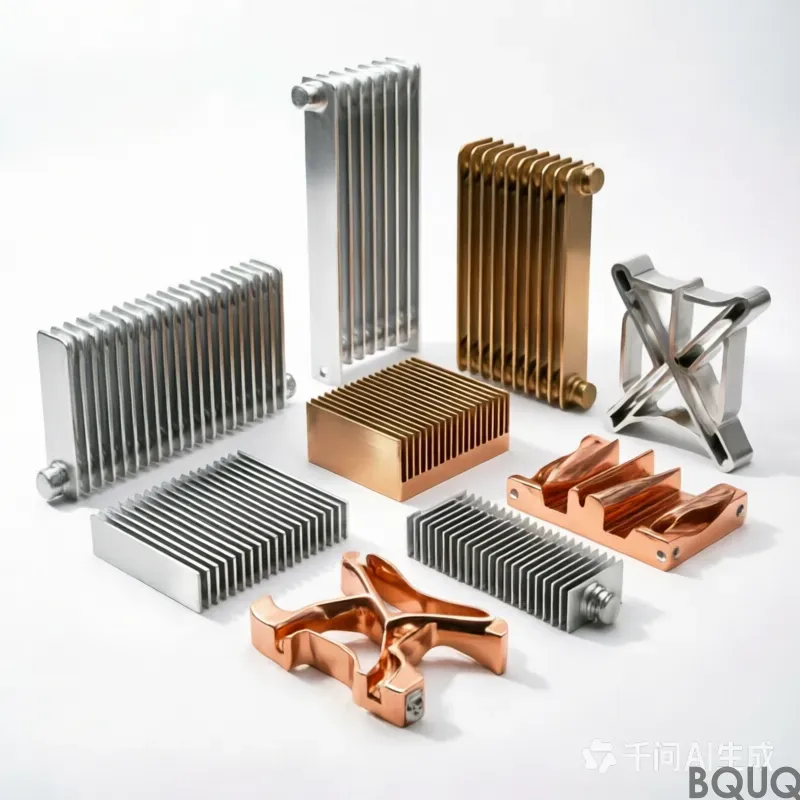
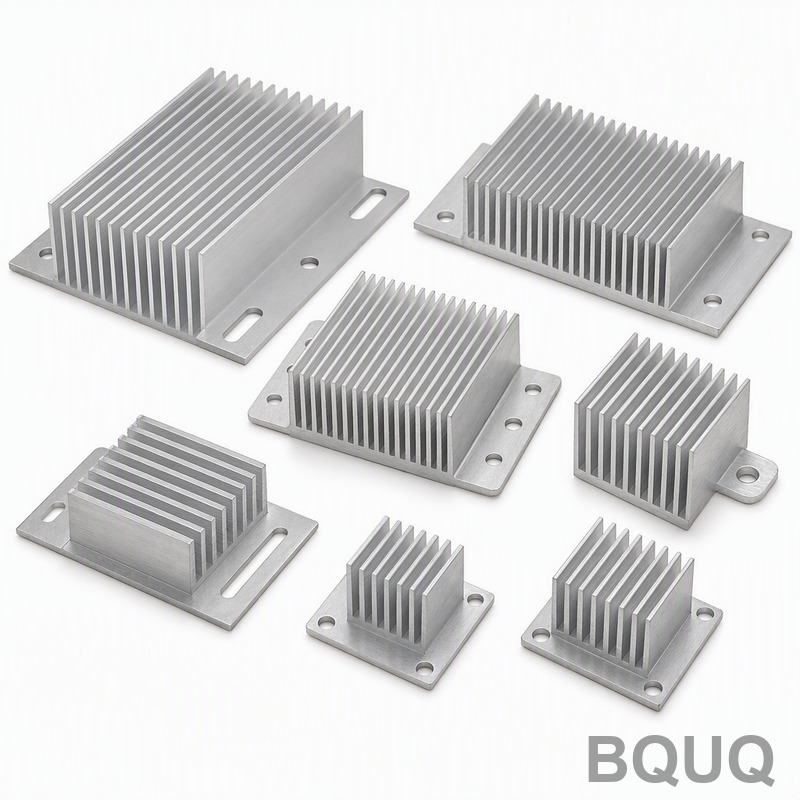
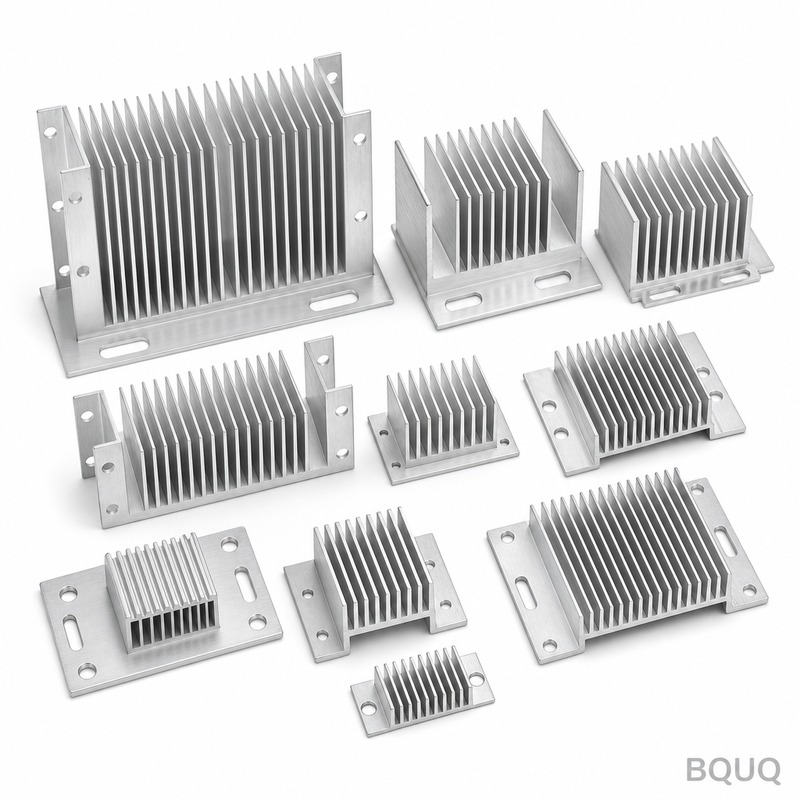
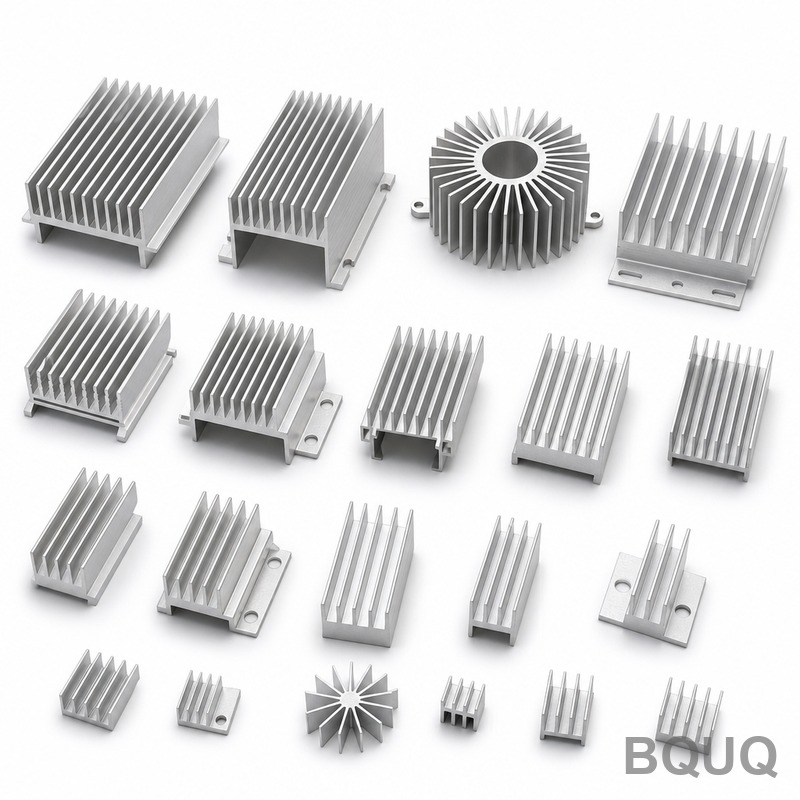
The most direct method to test a heat sink is to measure its thermal resistance (Rth) in °C/W by applying a known power load to a heated die, mounting the heat sink under controlle
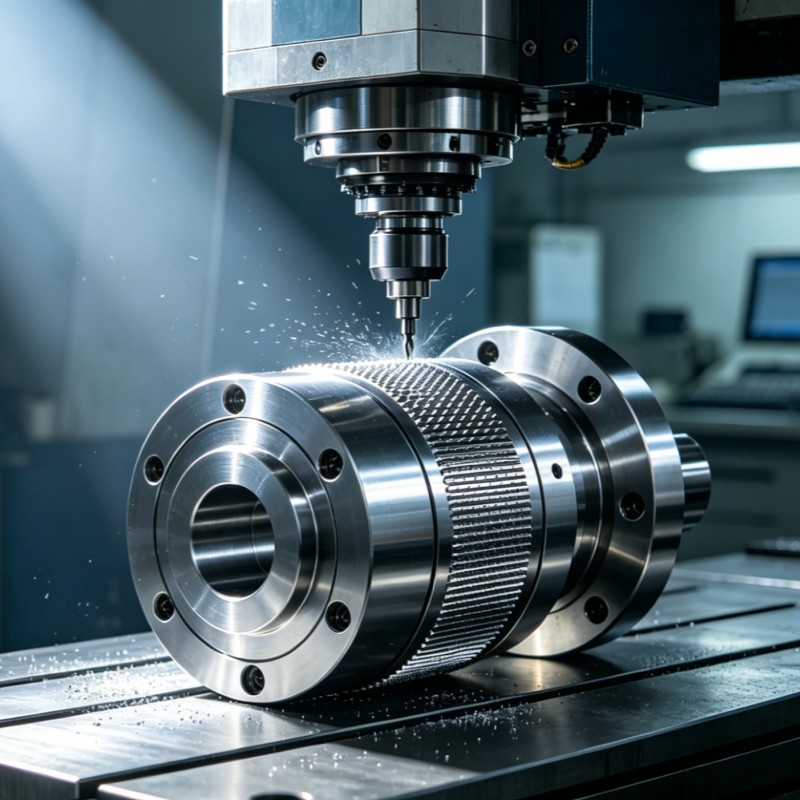
For CNC machined parts, aluminum is the right choice for applications requiring rapid production, lightweight components, high thermal conductivity, and cost efficiency, while stai
Designing parts for metal stamping requires following specific Design for Manufacturing (DFM) rules that prioritize uniform wall thickness, generous bend radii, and standard hole s
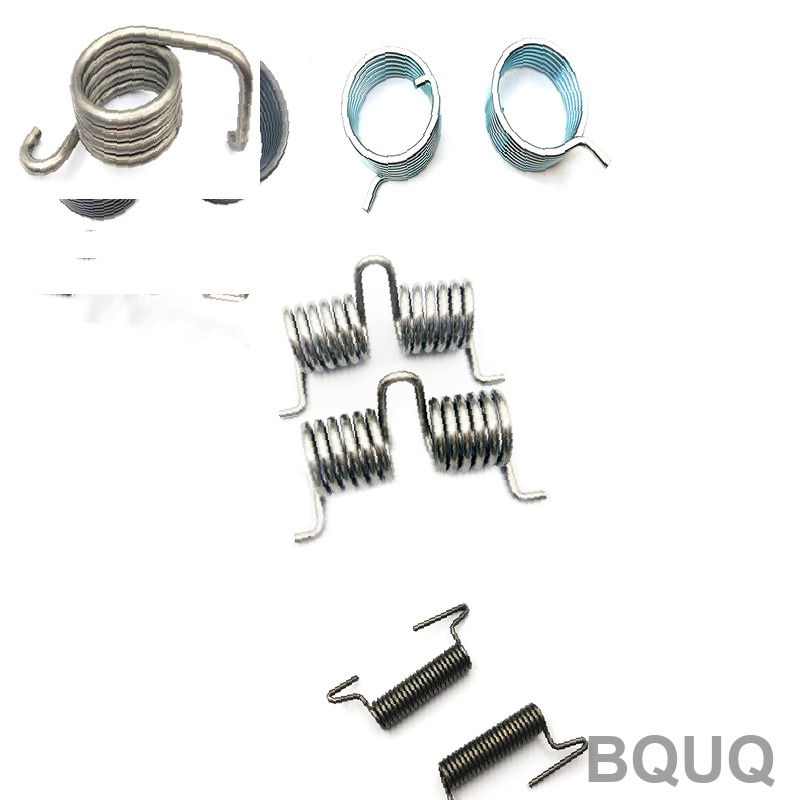
A conical spring is a coil spring wound with a progressively decreasing or increasing diameter along its length, resembling a cone shape. Unlike cylindrical springs, its coils nest