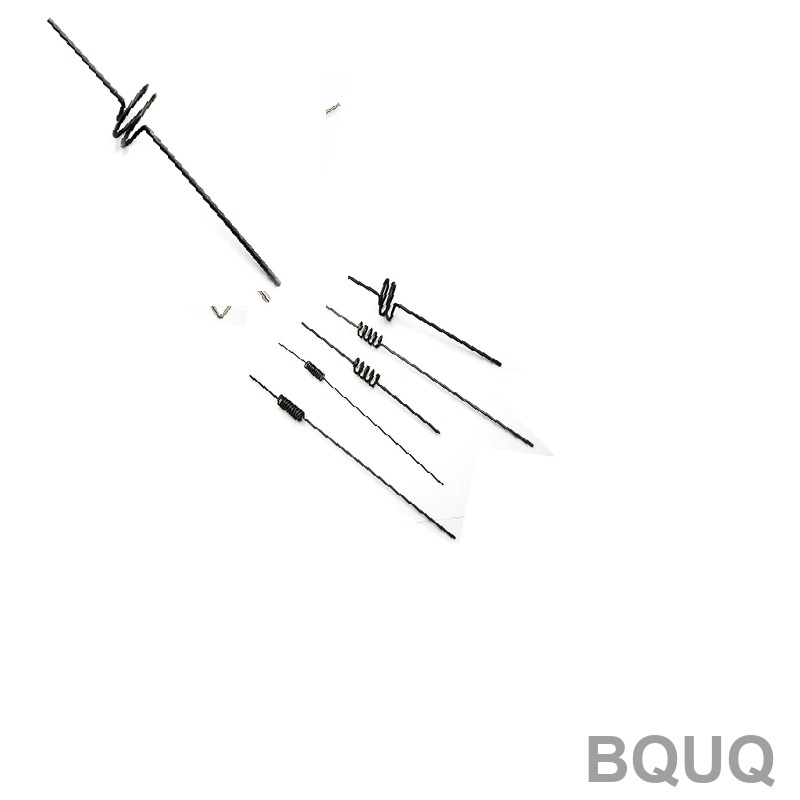
How to Specify a Spring on an Engineering Drawing: GD&T for Springs
The direct answer is that you must specify a spring using a combination of dimensional coordinates, material callouts, and Geometric Dimensioning and Tolerancing (GD&T) datums,
The direct answer is that you must specify a spring using a combination of dimensional coordinates, material callouts, and Geometric Dimensioning and Tolerancing (GD&T) datums,
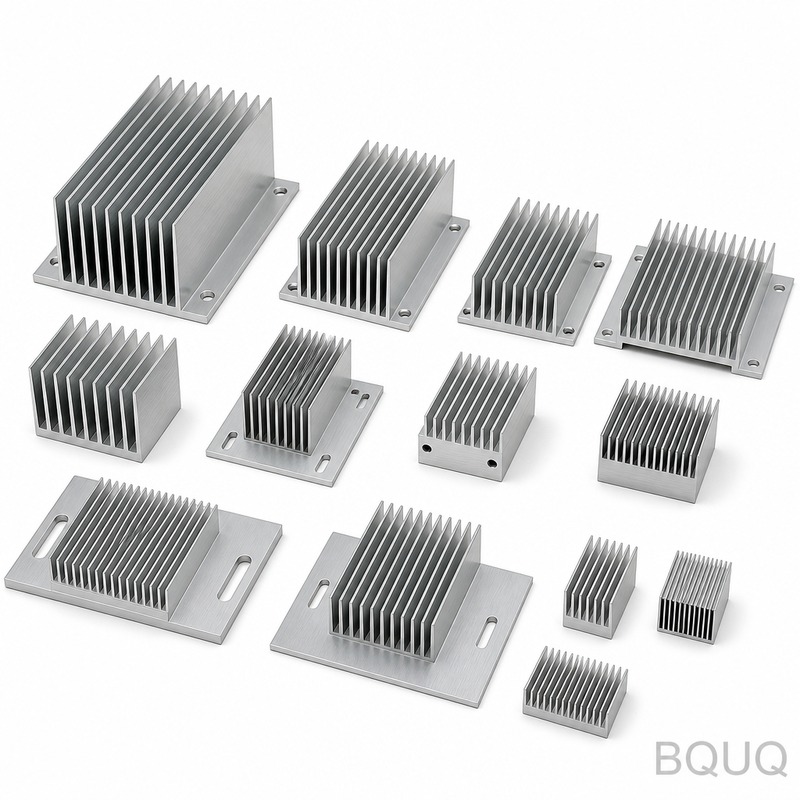
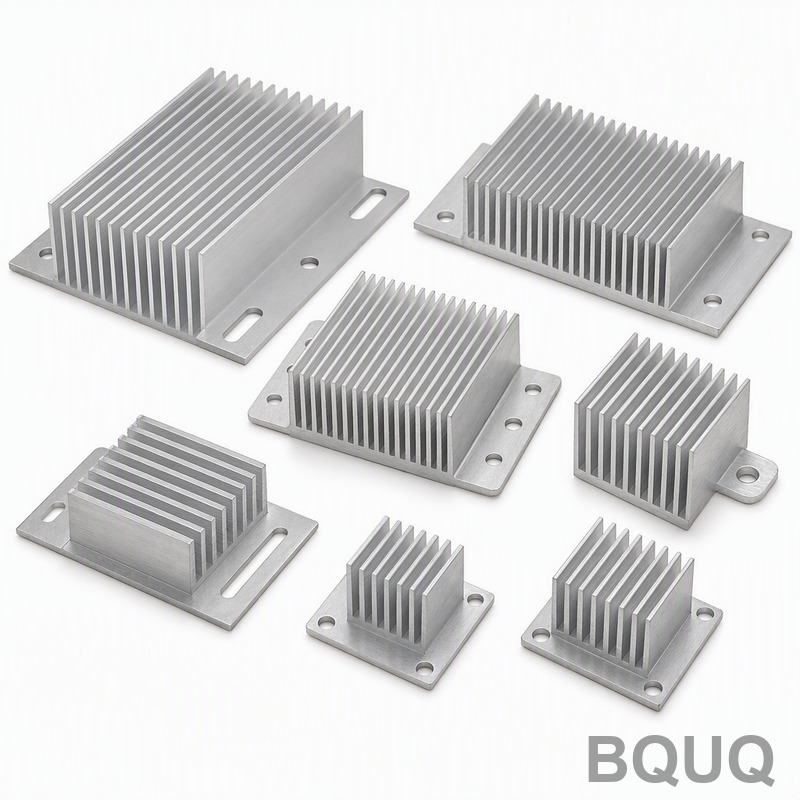
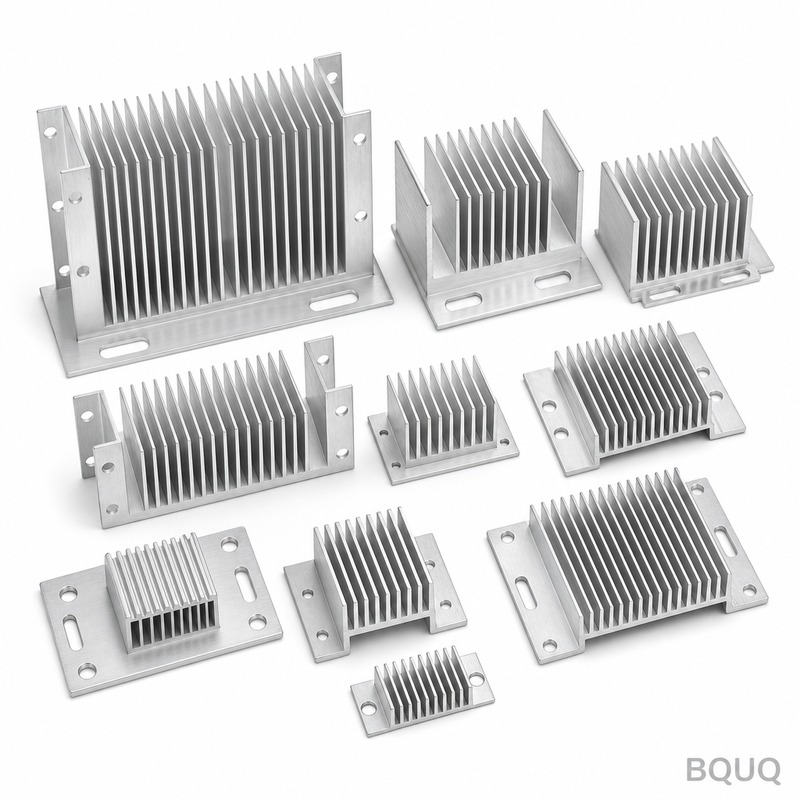
Forged heat sinks offer superior structural integrity and thermal performance compared to machined or extruded alternatives, achieving densities up to 99.9% of theoretical values a
The single most effective way to ensure your CNC machined parts arrive on time, within tolerance, and at the lowest possible cost is to prepare your CAD files according to a strict
The direct answer is that you select a thermal interface material (TIM) based on the required thermal impedance, the gap thickness between surfaces, the operating temperature range
Stamping press tonnage is the maximum force, measured in US tons (short tons) or metric tons, that a press can exert to cut, form, or draw sheet metal in a single stroke. You calcu