What Is Stamping Lubrication and Which Oil Should You Use?
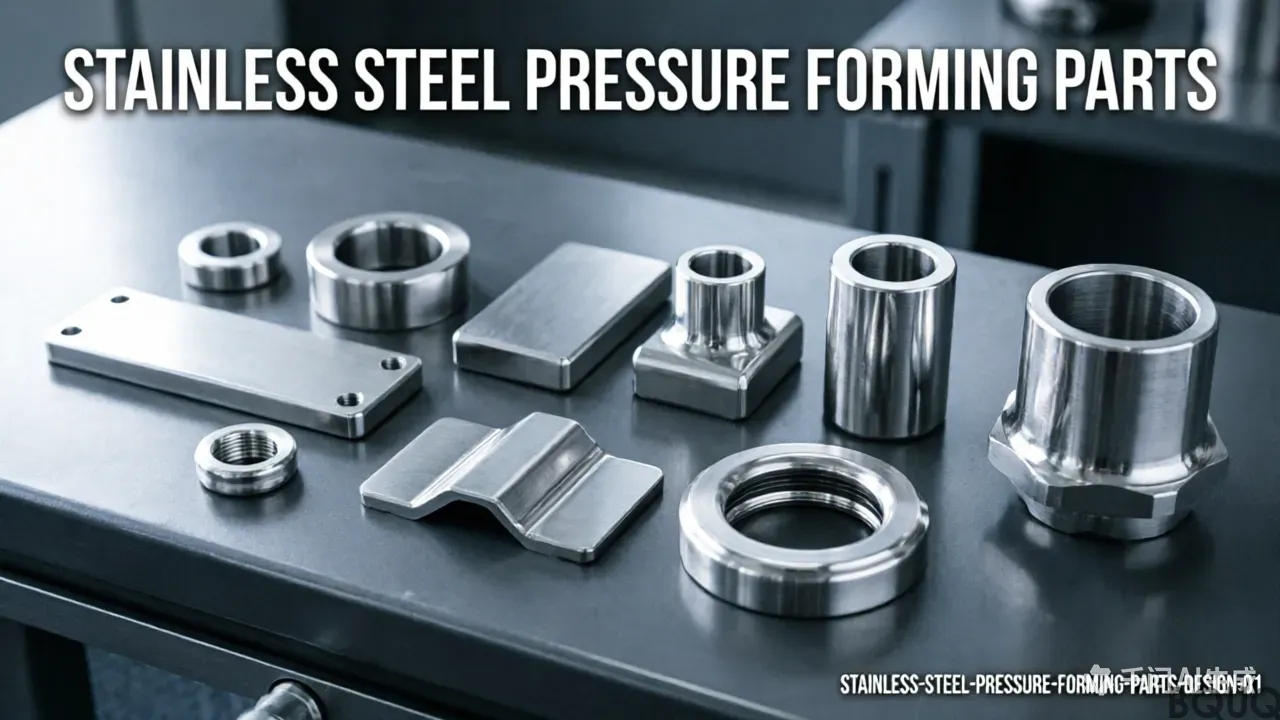
Stamping lubrication is the application of a specially formulated oil or fluid to sheet metal and tooling before or during a stamping operation to control friction, reduce heat, an
Stamping lubrication is the application of a specially formulated oil or fluid to sheet metal and tooling before or during a stamping operation to control friction, reduce heat, an
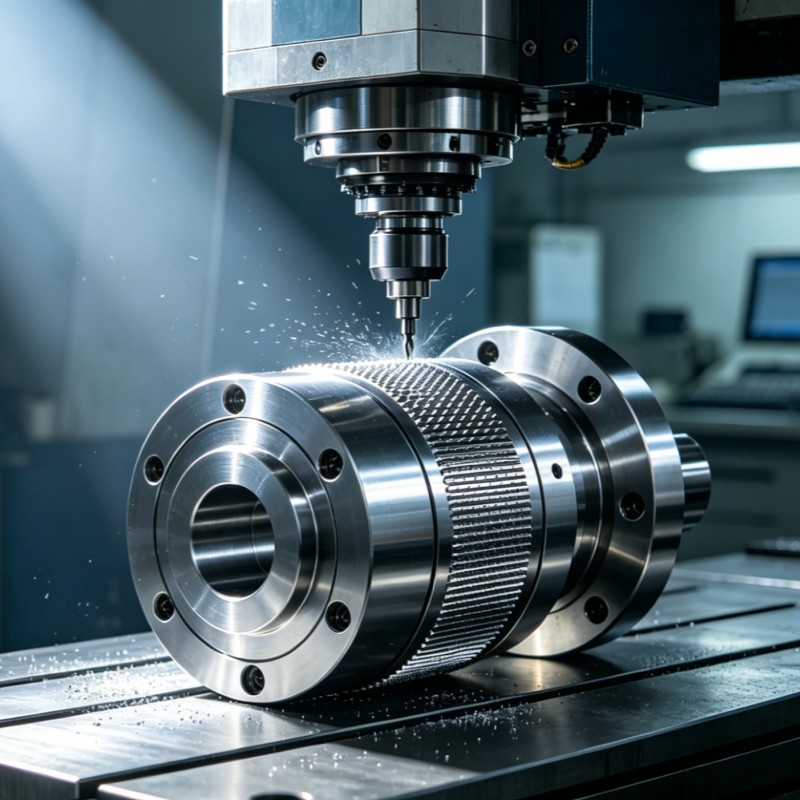
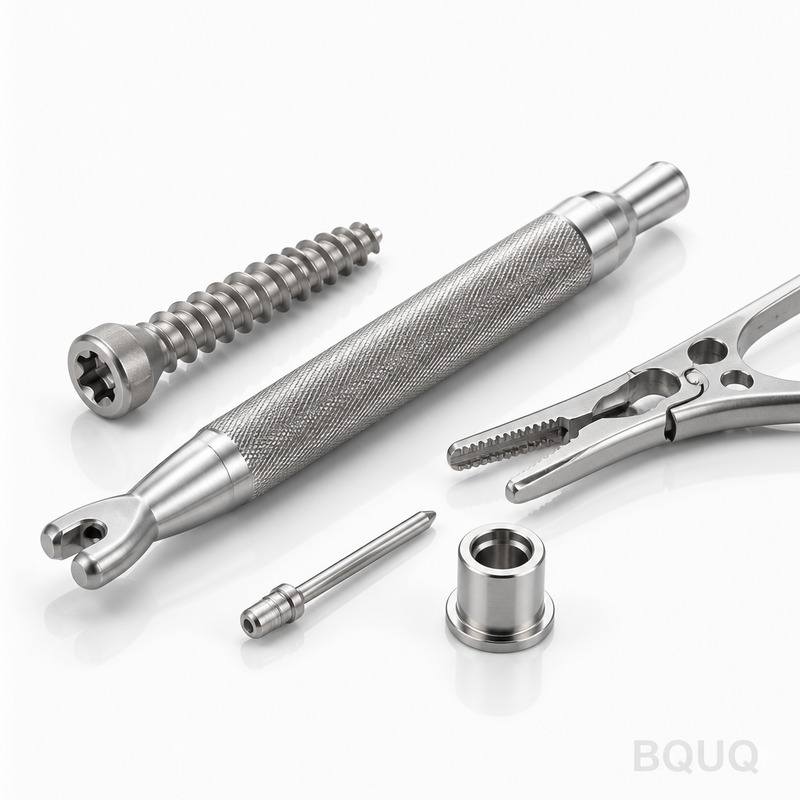
Precision machining for medical devices demands tolerances of ±0.005 mm (0.0002 inches) on critical features, surface finishes of Ra 0.4 µm or better, and certification to ISO 1348
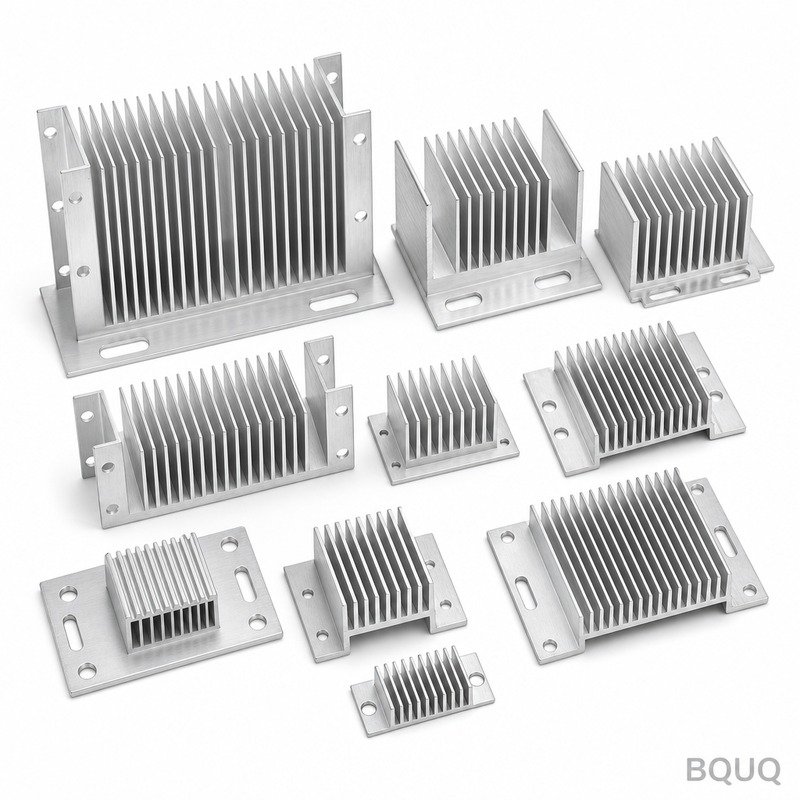
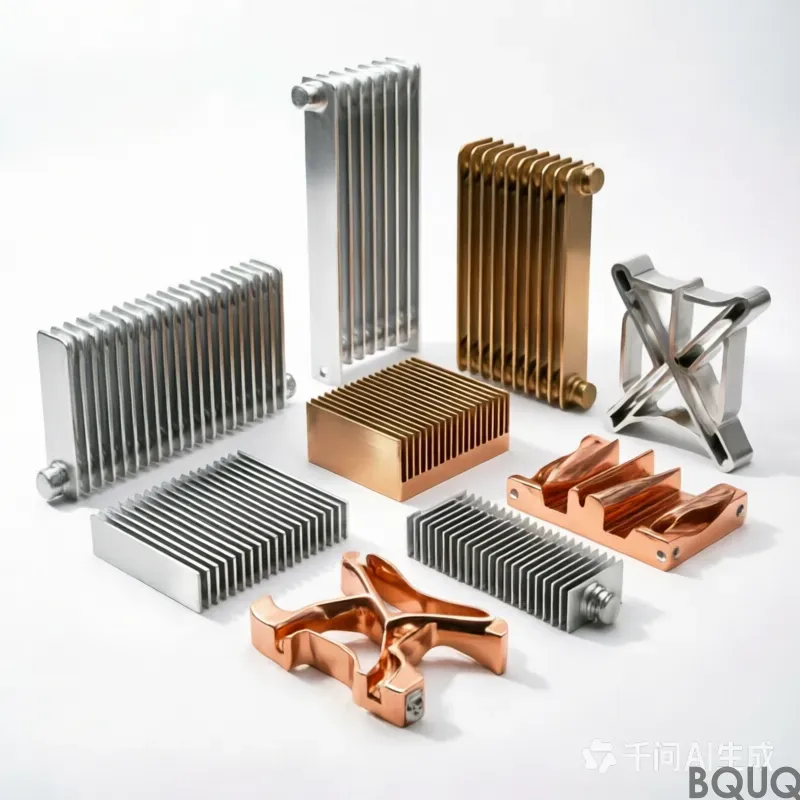
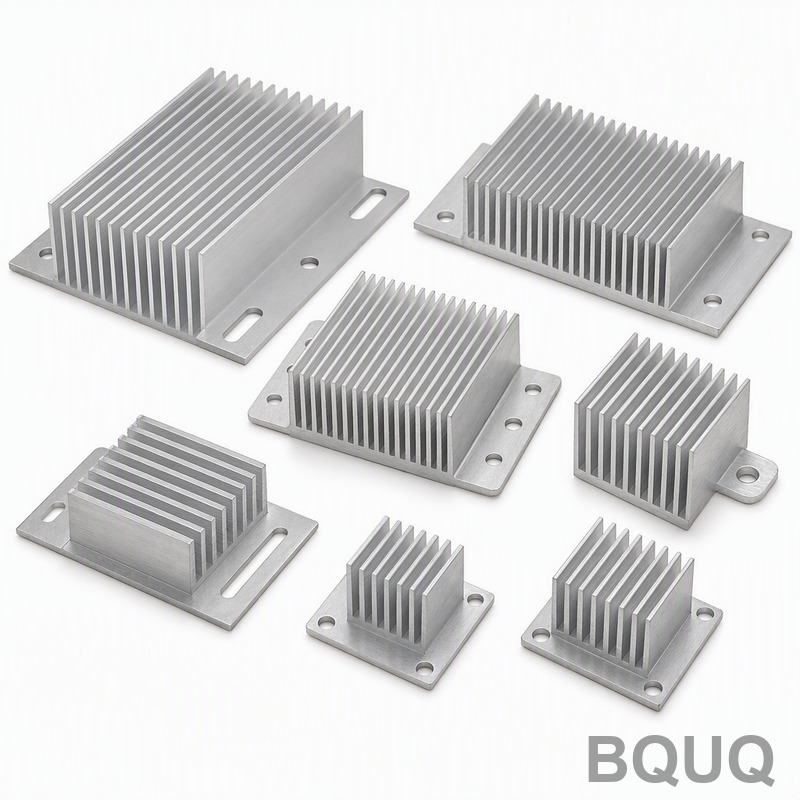
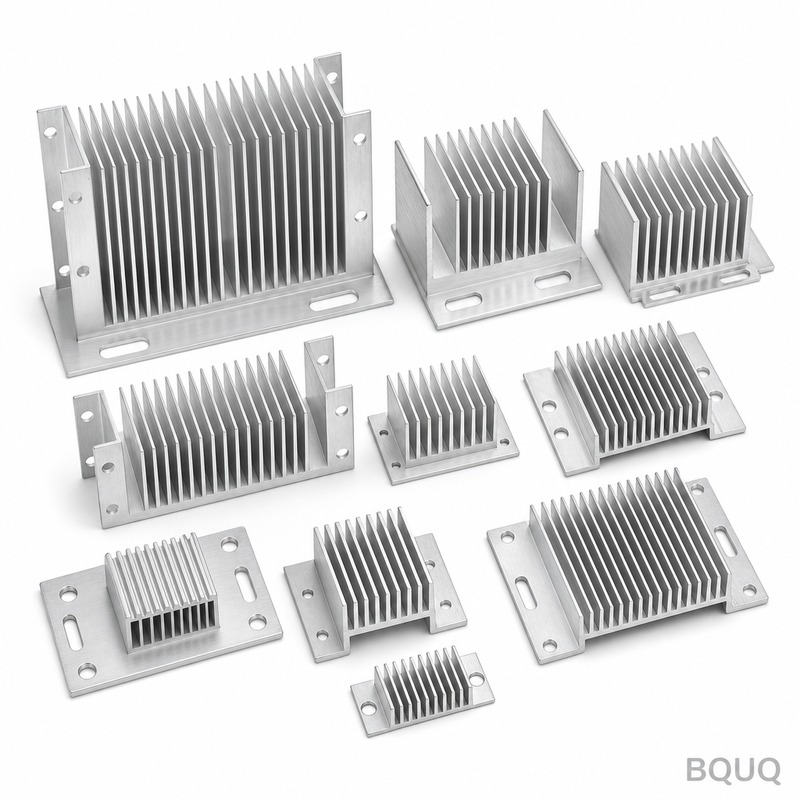
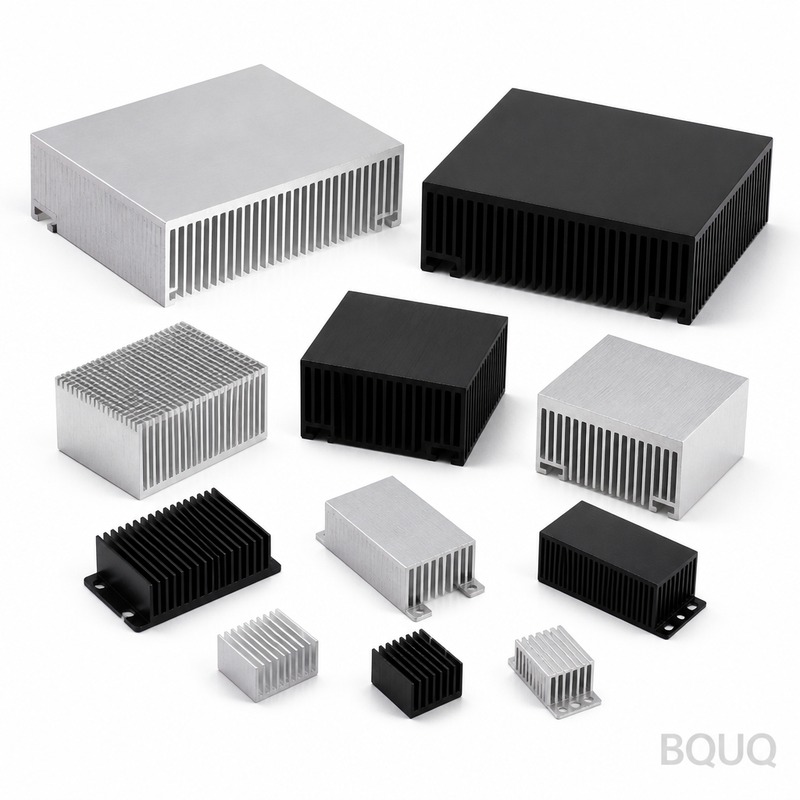
Extrusion heat sink profiles are primarily categorized into standard shapes—flat plate, single-fin, double-fin, and pin-fin—and fully custom geometries, with the choice depending o
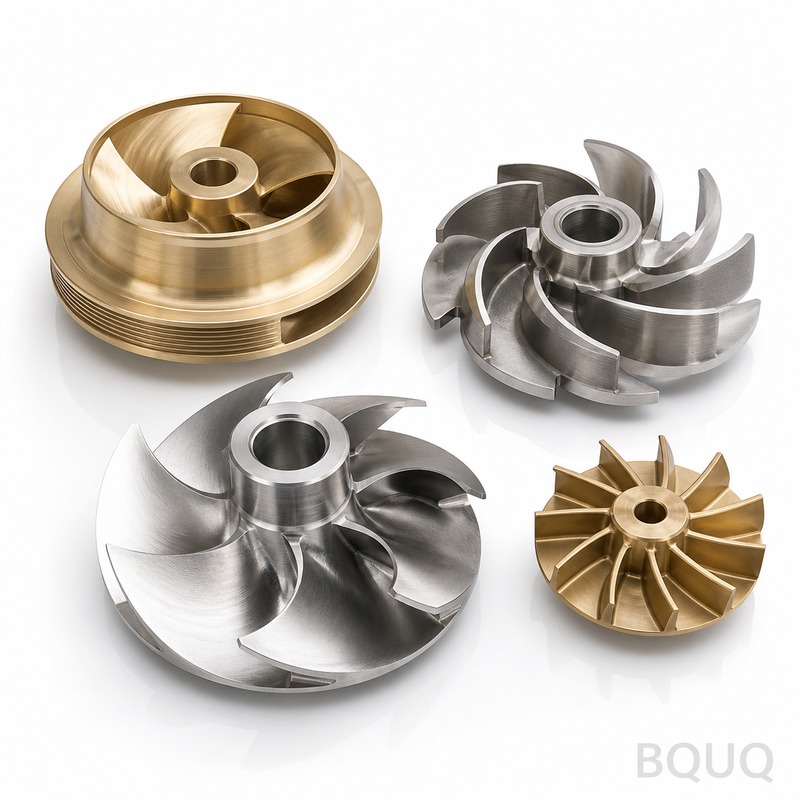
CNC machined components deliver the tight tolerances, material traceability, and production repeatability that modern automotive engineering demands, with standard machining tolera
The biggest cybersecurity threats in smart manufacturing are ransomware attacks, supply chain compromise, and unpatched legacy system vulnerabilities, with the manufacturing sector