Metal Stamping Cost Reduction: 10 Proven Strategies
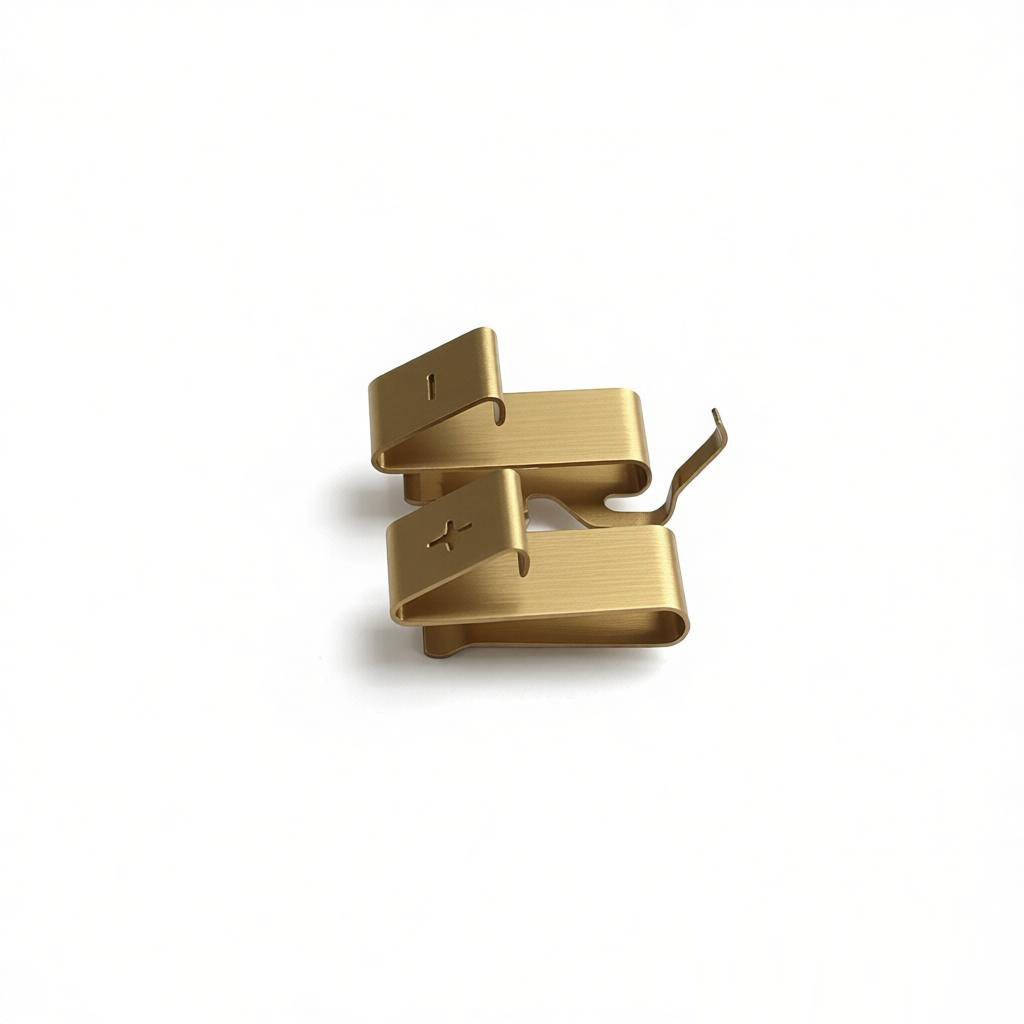
1. Optimize Die Design for Maximum Efficiency
Die design is the cornerstone of cost-effective metal stamping. By investing in precision die design, manufacturers can significantly reduce material waste and cycle times. Advanced design techniques, such as using finite element analysis (FEA), allow engineers to predict stress points and optimize die geometry for minimal scrap generation. Additionally, incorporating features like pilot holes and ledges can streamline the stamping process, reducing the need for secondary operations.
Modern CAD software enables iterative testing without physical prototypes, slashing development costs. Partnering with die designers who specialize in lean manufacturing principles ensures that every element of the die contributes to throughput and material savings. Regular design reviews and updates based on production data further refine efficiency over time.
Ultimately, a well-optimized die not only lowers per-part costs but also extends die life, reducing long-term capital expenditures. This strategy yields immediate payback through reduced scrap rates and faster production cycles.
2. Embrace Progressive Die Stamping
Progressive die stamping is a high-speed method that combines multiple operations—such as blanking, punching, and bending—into a single pass. By feeding a coil through a series of stations, parts are produced continuously without manual intervention. This eliminates the need for multiple presses and reduces labor costs dramatically. The process also minimizes material handling errors and improves consistency.
Although initial tooling costs can be higher, the per-piece cost plummets at high volumes. Progressive dies are ideal for complex geometries that would otherwise require separate setups. Companies that switch from single-station to progressive stamping often report 30-50% reductions in unit costs. Moreover, automated coil feeding eliminates start-stop waste, further enhancing material utilization.
To maximize benefits, invest in precision die stages and use sensors to monitor strip alignment. Regular maintenance of progressive dies ensures uninterrupted production and prevents costly downtime. For high-volume runs, this strategy is non-negotiable for cost leaders.
3. Improve Material Selection and Utilization
Material costs account for a significant portion of metal stamping expenses. Choosing the right material grade and thickness can yield immediate savings. Specify raw materials that are readily available and avoid exotic alloys unless absolutely necessary. Work closely with suppliers to negotiate volume discounts and explore alternative materials that meet performance requirements at lower cost.
Nesting software optimizes blank layout on coils to maximize utilization. By arranging parts intelligently, you can increase material yield from 60% to over 85%. Even small improvements in nesting efficiency translate to substantial annual savings. Additionally, consider using thinner gauges with strengthening ribs to maintain structural integrity while using less material.
Implement strict inventory management to reduce waste from obsolete stock. Just-in-time (JIT) delivery agreements with suppliers minimize storage costs and material degradation. Continuous monitoring of scrap rates and root-cause analysis helps identify opportunities for further material optimization.
4. Reduce Setup and Changeover Time
Frequent die changes disrupt production flow and incur significant downtime. Adopting Single-Minute Exchange of Die (SMED) principles can slash changeover times from hours to minutes. Standardize die heights, use quick-clamping mechanisms, and pre-stage tools to expedite transitions. Train operators in parallel operations—preparing the next die while the press is still running—to eliminate idle time.
Digitizing setup procedures with checklists and sensors reduces human error. Real-time monitoring systems alert teams when changeover milestones are achieved, ensuring smooth handoffs. Even reducing changeover by 10 minutes per shift can recover hundreds of productive hours annually.
For low-volume, high-mix production, consider using flexible die systems that allow quick adjustments. The goal is to make batch sizes economically viable at smaller quantities, reducing inventory carrying costs. Short setup times enable more frequent runs, improving responsiveness to customer demand.
5. Implement Preventive Maintenance Programs
Unplanned downtime is a major cost driver in metal stamping. A robust preventive maintenance (PM) schedule keeps presses and dies in peak condition. Regular lubrication, alignment checks, and wear inspections prevent catastrophic failures. Use condition monitoring tools like vibration analysis and thermal imaging to detect issues before they cause stoppages.
Document maintenance activities and track key performance indicators (KPIs) such as mean time between failures (MTBF). Analyze data to identify recurring problems and adjust PM intervals accordingly. Spare parts management—keeping critical components in stock—reduces repair lead times.
Extending tool life through proper maintenance directly lowers per-part costs. For example, regrinding punches at scheduled intervals maintains sharpness and prevents tearing. Operators should be trained to perform daily checks and report anomalies immediately. A proactive approach reduces emergency repairs, which can cost up to three times more than planned maintenance.
6. Automate Where Possible
Automation reduces labor costs and improves consistency. Robotic arms for part transfer, automated blank feeding, and vision inspection systems can replace manual tasks. Collaborative robots (cobots) are affordable and easy to program, making them suitable for small and medium operations. Automating secondary operations like deburring or tapping eliminates separate workstations.
Integrated press lines with programmable logic controllers (PLCs) synchronize material flow, reducing cycle times. Real-time data analytics help optimize speeds and feed rates. Although automation requires capital investment, the payback period is often less than two years through reduced direct labor and defect rates.
Start by automating high-volume, repetitive tasks with high injury risks. Gradually extend automation to assembly, packaging, and quality control. The result is a leaner workforce focused on value-added activities, with lower overhead costs per part.
7. Minimize Scrap and Rework through Quality Control
Scrap and rework directly inflate material and labor costs. Implementing statistical process control (SPC) identifies trends before parts fall out of specification. Use in-line gauging and automated inspections to catch defects immediately, preventing further processing of faulty parts. Establish clear quality standards at each station and empower operators to stop the line when issues arise.
Root cause analysis (RCA) for recurring defects helps eliminate systemic problems. For example, die misalignment or material thickness variations can be addressed proactively. Training programs that emphasize first-pass yield and defect prevention reduce waste significantly. Aim for zero-defect manufacturing—every part produced is correct the first time.
Tracking scrap cost per part provides a clear metric for improvement. Incentivize teams to find and eliminate waste sources. Over time, reducing scrap from 3% to 0.5% can save thousands of dollars monthly, directly boosting profit margins.
8. Consolidate and Simplify Part Designs
Complex part designs often require multiple dies and additional operations. Work with product engineers to redesign parts for manufacturability (DFM). Eliminate unnecessary features, use standard radii, and maintain uniform wall thickness. Consolidated parts that combine functions reduce the number of stamping steps and assembly costs.
For example, replacing several small brackets with a single stamped piece eliminates welding or fasteners. This not only lowers material usage but also speeds up production. Conduct value analysis/value engineering (VA/VE) workshops to challenge design assumptions and identify cost-saving opportunities.
Simplifying part geometry also extends die life and reduces setup complexity. Even modest changes, like adjusting bend angles or hole diameters to match tooling standards, can yield significant savings. Collaborative DFM with customers early in the design phase prevents costly rework later.
9. Use Simulation Software for Process Optimization
Before committing to physical dies, simulate the stamping process using specialized software like AutoForm or PAM-STAMP. These tools predict material flow, stress distribution, and potential defects such as cracking or wrinkling. By iterating virtually, engineers can optimize forming parameters efficiently, reducing trial-and-error costs.
Simulation also helps determine the optimal blank shape to maximize material utilization. It can model progressive die sequences to ensure smooth transitions between stations. The cost of software licenses is far lower than the expense of building and testing multiple die prototypes.
Additionally, simulation aids in process improvement for existing parts. By simulating new lubrication strategies or press speeds, you can fine-tune production without halting operations. This data-driven approach shortens launch times and ensures consistent quality from the first production run.
10. Strengthen Supplier Partnerships and Negotiations
Your suppliers play a vital role in cost control. Develop long-term relationships with reliable raw material and tooling suppliers. Share production forecasts to secure better pricing and prioritize your orders. Negotiate contracts that include volume discounts, consignment inventory, or just-in-time delivery to minimize your holding costs.
Collaborate on value-added services like material slitting or just-in-time coating to outsource non-core activities. Consider dual sourcing to create competitive tension while ensuring supply security. Regularly benchmark supplier prices against market rates and performance metrics.
Invest in supplier development programs to help them improve their efficiency, which often leads to lower costs passed on to you. Jointly explore alternative materials or processing methods. A strong partnership fosters innovation that benefits both parties, ultimately reducing your total cost of ownership.
Frequently Asked Questions
How does progressive die stamping reduce unit costs for high-volume production?
Progressive die stamping combines operations like blanking, punching, and bending into a single pass, eliminating multiple presses and manual handling. This reduces labor and material handling errors. Companies switching from single-station to progressive stamping often report 30-50% reductions in unit costs, with automated coil feeding further enhancing material utilization.
What design techniques help minimize material waste in metal stamping?
Precision die design using finite element analysis (FEA) predicts stress points and optimizes die geometry for minimal scrap. Features like pilot holes and ledges streamline the process, reducing secondary operations. Modern CAD software enables iterative testing without physical prototypes, slashing development costs and lowering per-part costs while extending die life.
How can I reduce material costs when sourcing metal stamping parts?
Choose readily available material grades and thicknesses, avoiding exotic alloys unless necessary. Work with suppliers to negotiate volume discounts and explore alternative materials meeting performance requirements. Nesting software optimizes blank layout on coils to maximize utilization, reducing waste and overall material expenses.
What maintenance is required for progressive dies to ensure uninterrupted production?
Regular maintenance of progressive dies is essential to prevent costly downtime. Invest in precision die stages and use sensors to monitor strip alignment. Routine checks and upkeep ensure uninterrupted production, while design reviews based on production data refine efficiency over time, extending die life and reducing long-term capital expenditures.