7 Benefits of High-Speed Stamping Press for Mass Production
1. Increased Production Efficiency
High-speed stamping presses operate at significantly higher strokes per minute compared to standard presses. This rapid cycle time directly translates to more parts produced per hour, making them ideal for mass production environments. For example, a high-speed press can achieve up to 1,000 strokes per minute, whereas conventional presses typically run at 100-200 strokes per minute. This exponential increase in output reduces lead times and allows manufacturers to meet high-volume demands without sacrificing quality.
Moreover, the automated feeding and ejection systems integrated into high-speed presses minimize downtime between cycles. Continuous operation without manual intervention ensures that production runs smoothly, even for complex parts. This efficiency also reduces energy consumption per part, as the press spends less time idle. Manufacturers can thus optimize their production schedules and maximize throughput, ultimately lowering overall production costs.
2. Improved Precision and Consistency
High-speed stamping presses are engineered with advanced servo drive technology and rigid frames that maintain tight tolerances even at high speeds. This ensures that each stamped part is identical, meeting strict specifications required in industries like automotive, electronics, and aerospace. The precision is achieved through real-time monitoring and feedback systems that adjust parameters instantly, preventing deviations.
Consistency in mass production is critical for quality control. With high-speed presses, the repeatability of dimensions and surface finishes eliminates the need for secondary operations. This not only saves time but also reduces scrap rates. For instance, a high-speed press can hold tolerances within ±0.01 mm consistently across thousands of parts, which is essential for components like connectors or heat sinks where exact fit is mandatory.
3. Reduced Labor Costs
Automation is a key feature of high-speed stamping presses. They often come with robotic loaders, automatic lubricators, and integrated inspection systems that require minimal human oversight. One operator can manage multiple machines, significantly lowering labor expenses. In traditional stamping, each press may need a dedicated operator for feeding and part removal, but high-speed presses streamline this process.
Additionally, the reduced manual handling minimizes the risk of errors and workplace injuries. Automated systems ensure consistent part orientation and stacking, further enhancing efficiency. Over time, the savings in labor costs can offset the initial investment in high-speed stamping equipment, making it a cost-effective choice for mass production. Companies can reallocate skilled workers to more complex tasks, improving overall productivity.
4. Enhanced Material Utilization
High-speed stamping presses are designed to optimize material usage through precise control of the stamping process. Advanced feed mechanisms and progressive die designs reduce scrap by enabling tight nesting of parts on the strip. This is particularly beneficial for expensive materials like copper alloys or stainless steel, where even a small reduction in waste leads to significant cost savings.
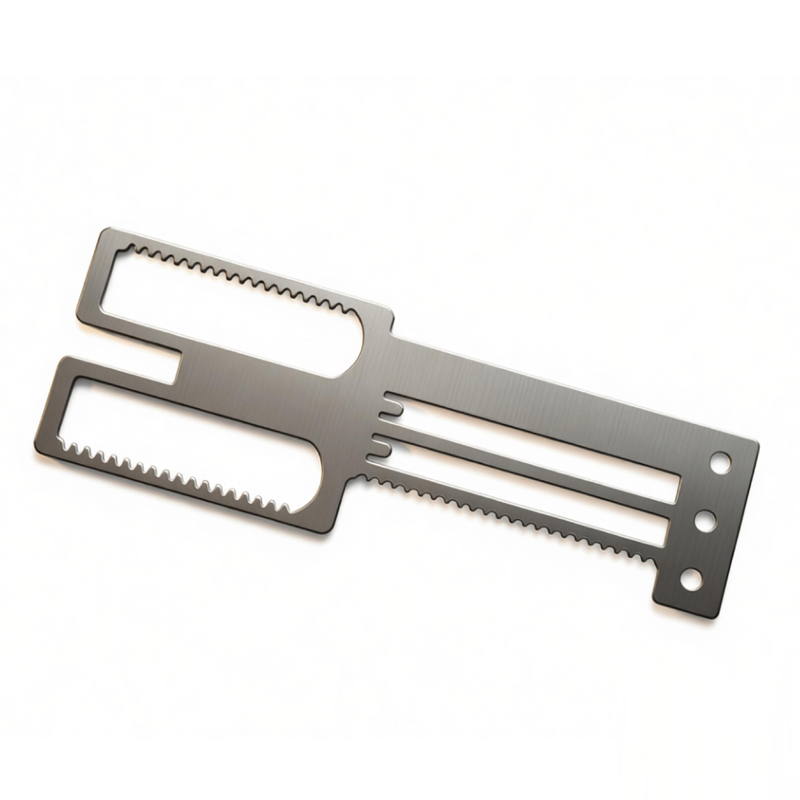
Furthermore, the high speed allows for thinner gauges to be stamped without distortion, opening up possibilities for lightweight design. For example, in heat sink manufacturing, high-speed presses can create intricate fin patterns with minimal material waste. The ability to run coiled stock continuously also reduces setup scrap compared to sheet-based processes. Overall, material yield can improve by up to 20% with high-speed stamping.
5. Versatility in Applications
Despite their speed, modern high-speed stamping presses are highly versatile. They can handle a wide range of materials, from soft aluminum to hardened steels, and can produce parts with complex geometries. Progressive dies allow multiple operations (cutting, bending, forming) to be performed in a single pass, expanding the scope of parts that can be manufactured efficiently.
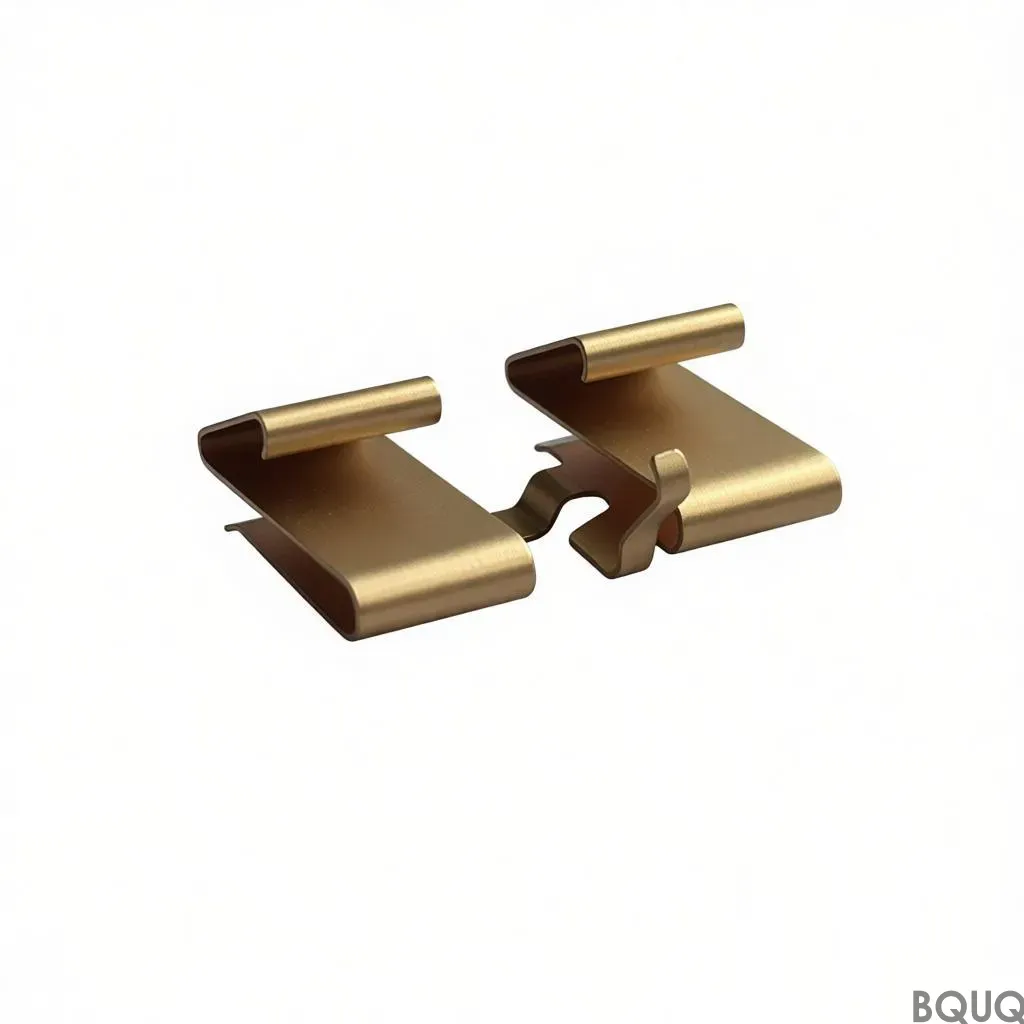
This versatility makes high-speed presses suitable for diverse industries. In electronics, they produce tiny spring contacts and EMI shrapnel. In automotive, they create brackets, clips, and heat sink assemblies. The ability to quickly change dies and adjust parameters means manufacturers can switch between different part runs with minimal downtime, accommodating both long-run mass production and shorter-run custom orders.
6. Longer Tool Life
High-speed stamping presses are built with robust construction that reduces vibration and shock, minimizing wear on dies and tooling. Premium materials and precise alignment ensure that the tooling experiences less stress compared to slower presses. As a result, die life is extended, reducing the frequency of tool changes and maintenance.
Additionally, the consistent operating conditions (temperature, speed, and pressure) prevent thermal and mechanical fatigue. Many high-speed presses include automatic lubrication systems that keep tooling surfaces properly lubricated, further enhancing longevity. Longer tool life translates to lower tooling costs per part and less downtime for replacements, making mass production more economical and predictable.
7. Competitive Edge in the Market
Adopting high-speed stamping technology gives manufacturers a distinct advantage. Faster production times allow for quicker delivery to customers, which is a key differentiator in today's fast-paced market. The ability to produce high volumes with consistent quality builds trust and opens opportunities for large contracts.
Moreover, the cost savings from efficiency, labor, and material utilization enable more competitive pricing while maintaining margins. Companies can take on more projects, expand their product lines, and respond rapidly to market changes. As a result, investing in high-speed stamping presses positions manufacturers as leaders in the metal stamping industry, ready to meet the demands of mass production.
Frequently Asked Questions
How many parts per hour can a high-speed stamping press produce compared to a conventional press?
A high-speed stamping press can achieve up to 1,000 strokes per minute, while conventional presses typically run at 100-200 strokes per minute. This exponential increase in output reduces lead times and supports high-volume mass production without sacrificing quality.
What tolerance can a high-speed stamping press consistently hold?
A high-speed press can hold tolerances within ±0.01 mm consistently across thousands of parts. This precision is maintained through advanced servo drive technology, rigid frames, and real-time monitoring systems, ensuring identical parts for industries like automotive, electronics, and aerospace.
How does high-speed stamping reduce labor costs?
High-speed stamping presses feature automation like robotic loaders, automatic lubricators, and integrated inspection systems, allowing one operator to manage multiple machines. This minimizes manual handling, reduces labor expenses, and lowers the risk of errors and workplace injuries, offsetting initial equipment investment over time.
What secondary operations are eliminated by high-speed stamping?
High-speed stamping eliminates the need for secondary operations due to the repeatability of dimensions and surface finishes. This saves time and reduces scrap rates, as parts like connectors or heat sinks meet exact fit requirements directly from the press, enhancing overall production efficiency.