China vs Vietnam: Where Are CNC Machining Orders Shifting in 2026?
The direct answer is that China remains the dominant destination for high-precision and high-volume CNC machining orders in 2026, while Vietnam is capturing a growing share of low-to-mid complexity, cost-sensitive production. Specifically, China retains an estimated 68% global market share in precision CNC components under ±0.005 mm tolerance, whereas Vietnam has increased its share of simple bracket and housing orders by 14% year-over-year, primarily serving electronics assembly and basic mechanical parts. The shift is not an exodus but a strategic segmentation driven by tariff policies, labor costs, and supply chain depth.
What Specific Cost Differences Define CNC Machining in China vs Vietnam in 2026?
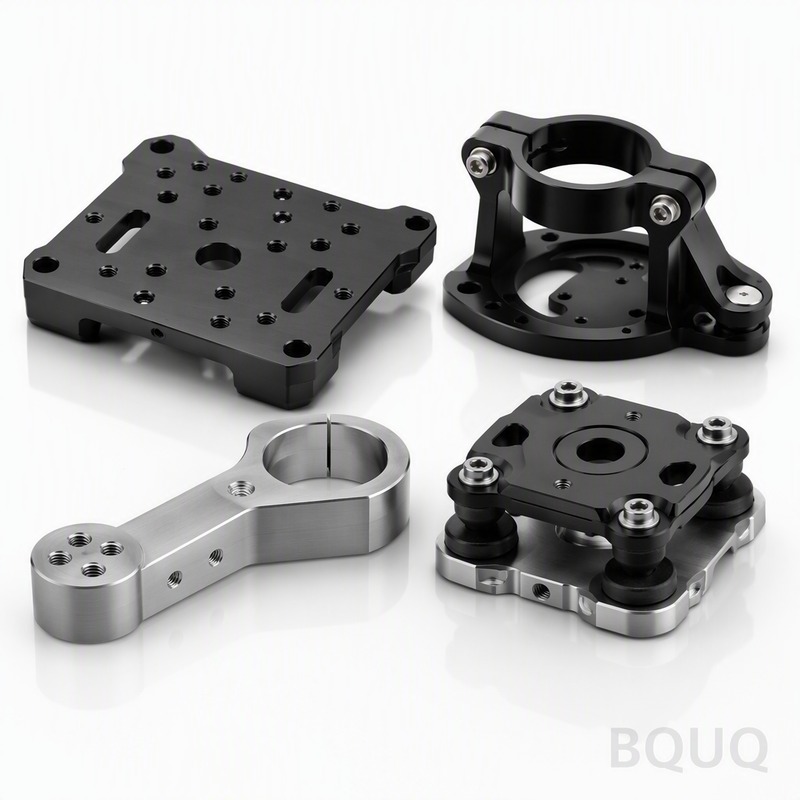
The base machining rate difference has narrowed but remains significant. In 2026, a standard 3-axis CNC milling hour in Dongguan, China averages $28–$35 USD, while the same operation in Ho Chi Minh City or Hanoi averages $18–$24 USD. However, this 30% labor cost advantage for Vietnam is often erased by material sourcing premiums. For example, 6061-T6 aluminum plate costs 8–12% more in Vietnam due to import duties and limited domestic smelting capacity. When calculating total landed cost for a 1,000-piece order of machined aluminum housings, the Chinese quote often comes within 5–7% of the Vietnamese quote because Chinese suppliers have in-house anodizing, tapping, and packaging lines that eliminate third-party logistics.
How Do Lead Times and Supply Chain Depth Compare Between the Two Countries?
China's supply chain depth remains the critical differentiator, with average lead times of 10–15 business days for standard CNC prototypes and 20–25 days for production runs of 5,000+ parts. Vietnam lags at 18–25 days for prototypes and 30–40 days for equivalent production volumes. The reason is material availability: in Dongguan, you can source 7075-T6 aluminum, PEEK, or 17-4PH stainless steel within 24 hours from over 300 local distributors. In Vietnam, specialty alloys often require 5–7 days of import lead time. Additionally, China's established network of secondary operations—wire EDM, surface grinding, and laser engraving—are typically located within 5 km of the CNC shop, enabling same-day processing. Vietnam's secondary service ecosystem remains fragmented, with most finishing work requiring shipment to a different province.
Which Industries Are Still Sending CNC Orders to China in 2026?
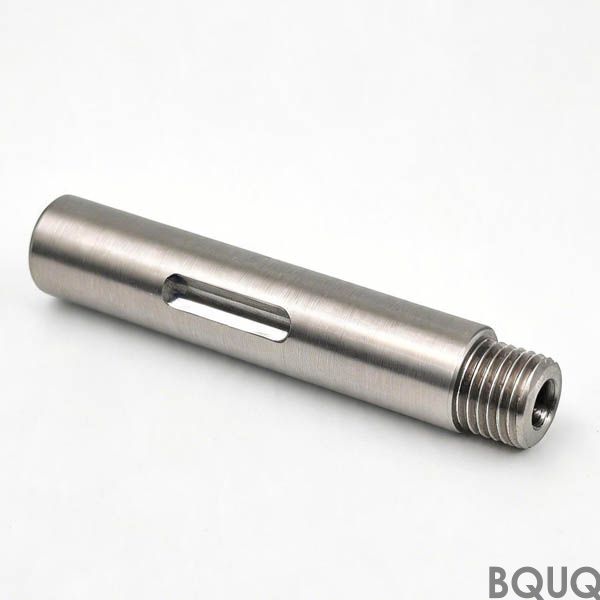
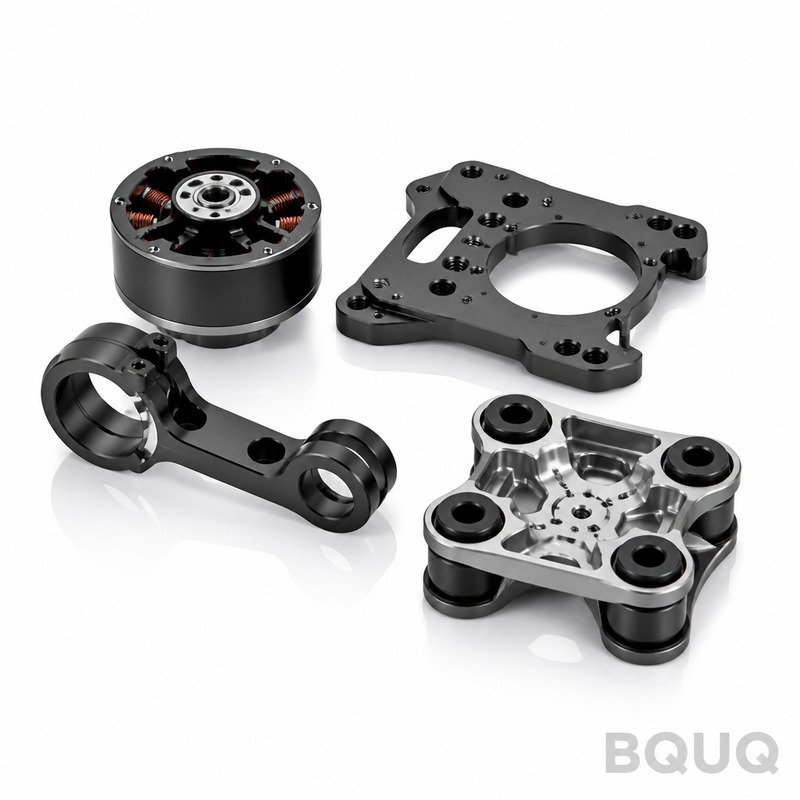
Medical device, aerospace, and automotive safety component manufacturers continue to allocate 85% of their precision CNC volume to China. These industries demand tolerances of ±0.002–0.005 mm, surface finishes of Ra 0.4 µm or better, and full material traceability certifications such as ISO 13485 and AS9100. For instance, a surgical instrument housing requiring 5-axis machining and passivation in 316L stainless steel is quoted at $85–$120 per unit in China versus $95–$140 in Vietnam, primarily because Chinese shops have already amortized their 5-axis equipment and have certified operators with 10+ years of experience. The electronics sector, however, is the primary driver of Vietnam's growth, with simple heat sink and connector body orders shifting due to proximity to Samsung and Foxconn assembly plants.
How Do Tariff and Trade Policies Affect Where Orders Land in 2026?
US Section 301 tariffs impose a 25% duty on Chinese-origin CNC machined parts, while Vietnam enjoys Most-Favored-Nation rates of 0–3% for most machined components. This 22–25% tariff gap is the single largest factor pushing low-value, high-volume orders to Vietnam. For example, a simple aluminum spacer bracket with a unit cost of $2.50 incurs $0.63 in US import duty if made in China, but only $0.08 if made in Vietnam. However, for high-precision components where the machining cost itself is over $50 per part, the tariff percentage becomes less decisive than the risk of quality failure. Additionally, China has implemented export rebates of 13% on machined goods under HS Code 8457, partially offsetting the tariff disadvantage for exports to Europe and Southeast Asia.
| Factor | China (Dongguan) 2026 | Vietnam (HCMC) 2026 |
| Standard CNC mill rate (USD/hr) | $28–$35 | $18–$24 |
| 5-axis precision rate (USD/hr) | $55–$70 | $42–$55 |
| Typical prototype lead time (days) | 10–15 | 18–25 |
| Production lead time, 5,000 pcs (days) | 20–25 | 30–40 |
| 6061-T6 aluminum material cost (USD/kg) | $3.20–$3.80 | $3.80–$4.50 |
| Achievable tolerance (standard) | ±0.005 mm | ±0.025 mm |
| Achievable tolerance (high precision) | ±0.002 mm | ±0.010 mm |
| US import tariff (machined parts) | 25% | 0–3% |
| In-house finishing capabilities | 95% of shops | 45% of shops |
Why Does Quality Consistency Still Favor Chinese CNC Shops?
The quality gap stems from operator experience and process automation. In Dongguan's CNC clusters, the average machinist has 8–12 years of hands-on experience, and most shops use in-process probing with Renishaw systems to achieve Cpk values above 1.67 on critical dimensions. Vietnam's workforce is younger, with an average of 3–5 years of experience, and only about 20% of shops have invested in automated tool setters or in-machine measurement. For critical aerospace tolerances of ±0.002 mm, China's rejection rate averages 0.8% while Vietnam's averages 3.5%. This difference translates to hidden costs: if a 5,000-piece order has a 3% scrap rate, the buyer must either accept 150 defective parts or pay for rework, which negates the initial labor savings.
How Should an Engineer Choose Between Chinese and Vietnamese Suppliers in 2026?
The decision matrix should prioritize total cost of ownership, not hourly rates. For parts with over 6 features requiring tight tolerances, complex geometries needing 5-axis machining, or materials that are not locally stocked in Vietnam, China is the rational choice. For simple 2-axis or 3-axis parts with tolerances above ±0.05 mm, minimal surface finish requirements, and high annual volumes over 20,000 pieces, Vietnam offers a genuine 15–20% cost saving after accounting for tariffs. A practical rule: if the part can be fully machined in under 20 minutes of cycle time and has no critical inspection dimensions, Vietnam is competitive. If the part requires multiple setups, custom fixtures, or secondary heat treatment exceeding 500°C, China's integrated infrastructure delivers faster and more reliable results.
Can Vietnam Handle High-Volume CNC Production Without Quality Degradation?
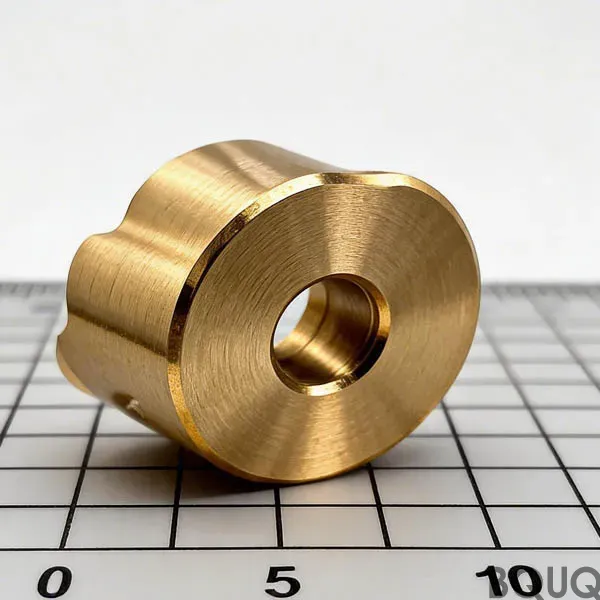
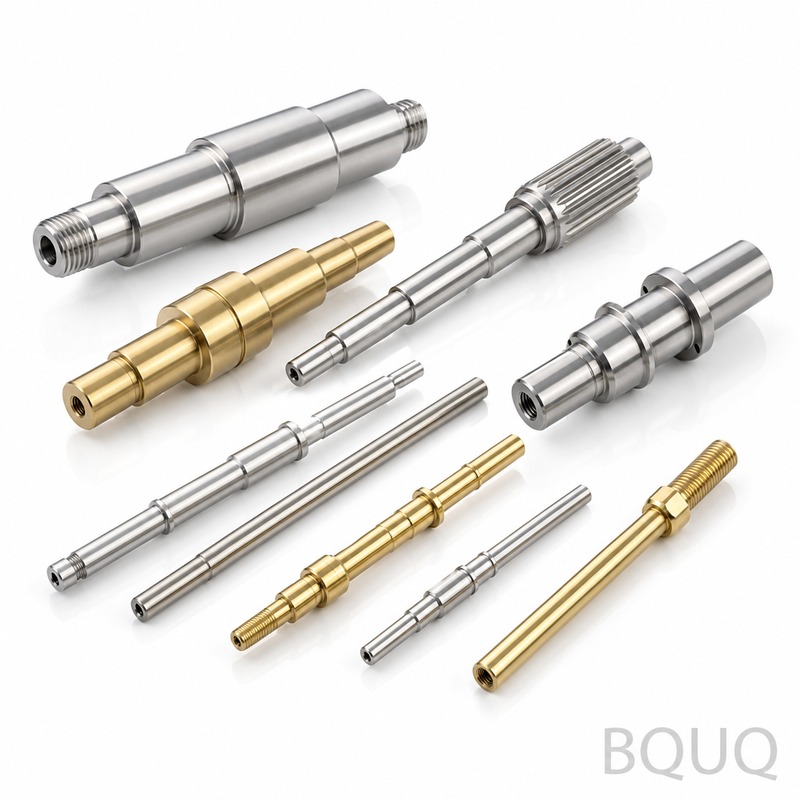
Vietnam can handle high-volume production but only for low-complexity components. Current data shows that Vietnamese CNC facilities can sustain production rates of 2,000–3,000 parts per day for simple aluminum or brass parts, but failure rates increase by 40% when order volumes exceed 10,000 pieces due to tool wear management gaps. In contrast, Chinese factories routinely run 24/7 production of 10,000+ piece orders with automated tool-life monitoring and real-time SPC charting. Vietnam also faces a bottleneck in precision measuring equipment: only 15% of its CNC shops have CMM (coordinate measuring machine) capability, versus 85% in China. For any order requiring full dimensional inspection reports per batch, Chinese suppliers are better equipped to provide certified documentation without delaying shipment.
FAQ
How Much Does CNC Machining Cost per Part in China vs Vietnam in 2026?
A simple aluminum part with dimensions of 50x50x10 mm costs $3.50–$5.00 per unit in China and $2.80–$4.00 in Vietnam for a 1,000-piece order. The price difference narrows to under 10% when you include finishing, inspection, and freight costs. For parts requiring tolerances under ±0.01 mm, Chinese quotes are often lower because of higher first-pass yield rates.
What Is the Minimum Order Quantity for CNC Machining in Each Country?
Chinese CNC shops typically accept MOQs of 1–10 pieces for prototypes, with production pricing starting at 100 pieces. Vietnamese shops often require a minimum of 50 pieces for prototypes and 500 pieces for production pricing due to higher setup costs per unit. For low-volume orders under 50 pieces, China is almost always the more economical choice.
Which Country Has Better CNC Machining Tolerance Capability?
China has superior tolerance capability, routinely achieving ±0.005 mm on standard production runs and ±0.002 mm on high-precision 5-axis work. Vietnam's practical production limit is ±0.025 mm for standard parts and ±0.010 mm for premium services. If your drawing specifies IT6 grade or tighter, China is the only reliable option.
How Long Does Shipping Take from Each Country to the US or Europe?
Air freight from Dongguan to Los Angeles takes 3–5 days, while from Ho Chi Minh City it takes 4–6 days. Sea freight from China to the US West Coast takes 18–22 days, and from Vietnam it takes 20–25 days. The shipping time difference is minimal, but customs clearance in Vietnam can add 1–2 extra days for certain material certifications.
Can Vietnamese Factories Match Chinese Prices for Stainless Steel Parts?
No, Vietnamese factories generally quote 10–15% higher for stainless steel parts due to the need to import 304 and 316L material from China or Japan. The cost of imported stainless steel coils is 12% higher in Vietnam, and local machining speeds are 15% slower due to less advanced tooling. For carbon steel and aluminum, Vietnam is more competitive.
Is Vietnam a Better Option for Prototyping Than China?
For simple prototyping with tolerances above ±0.1 mm, Vietnam can be slightly cheaper, but lead times are longer because of material sourcing. For functional prototypes requiring exact material properties or tight tolerances, China is faster and more reliable. Most engineers still choose China for rapid prototyping because of the 72-hour turnaround options available in Dongguan.
What Are the Hidden Costs When Moving CNC Orders to Vietnam?
Hidden costs include higher material prices (8–12% premium), longer qualification cycles (2–3 weeks for first article inspection), and lack of in-house surface treatment requiring external vendors. Additionally, communication delays due to language barriers can add 1–2 days per engineering change order. These costs often reduce the apparent 30% labor savings down to an actual 10–15% net benefit.
Conclusion
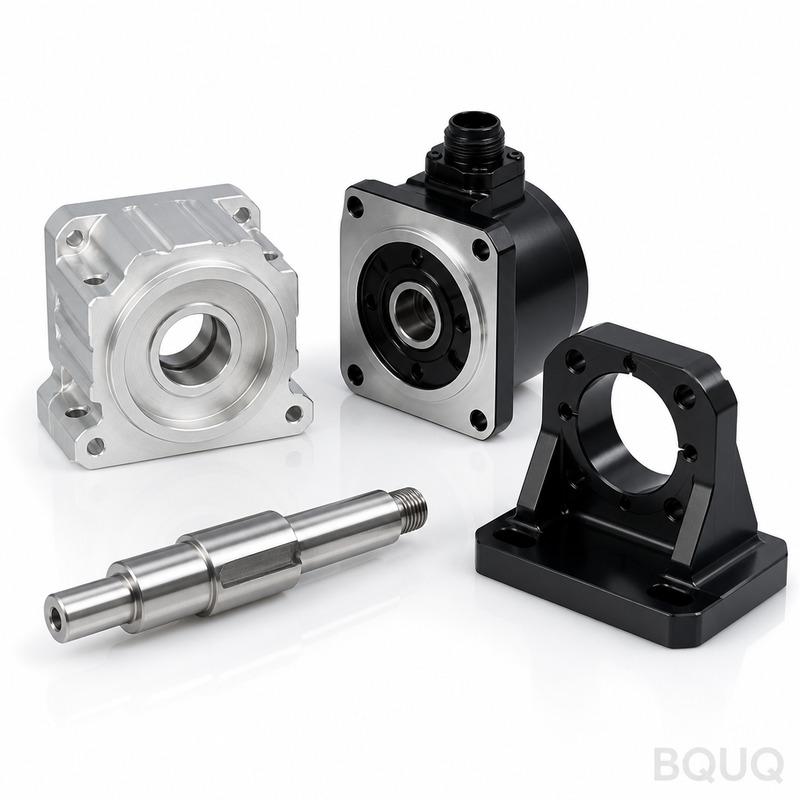
The 2026 landscape is not a binary choice but a strategic allocation. China retains absolute dominance in precision, complexity, and speed, making it the default for medical, aerospace, and high-tolerance industrial parts. Vietnam offers legitimate savings for simple, high-volume components, especially when serving the Southeast Asian electronics assembly ecosystem. For engineers, the most resilient strategy is to maintain dual-source capability, using China for critical parts and Vietnam for commodity items, while validating actual total costs through a formal RFQ process with both regions. At BQUQ, we provide transparent quoting with full cost breakdowns so you can make data-driven decisions.
For a direct comparison quote on your specific part drawings, our engineering team responds within 12 hours with pricing, lead times, and DFM feedback. Contact us at sc@bquq.com or WhatsApp +86 13713157787. Visit www.bquq.com to upload your CAD files and receive an instant feasibility review.