Heat Sink Stamping: Techniques for Efficient Thermal Management
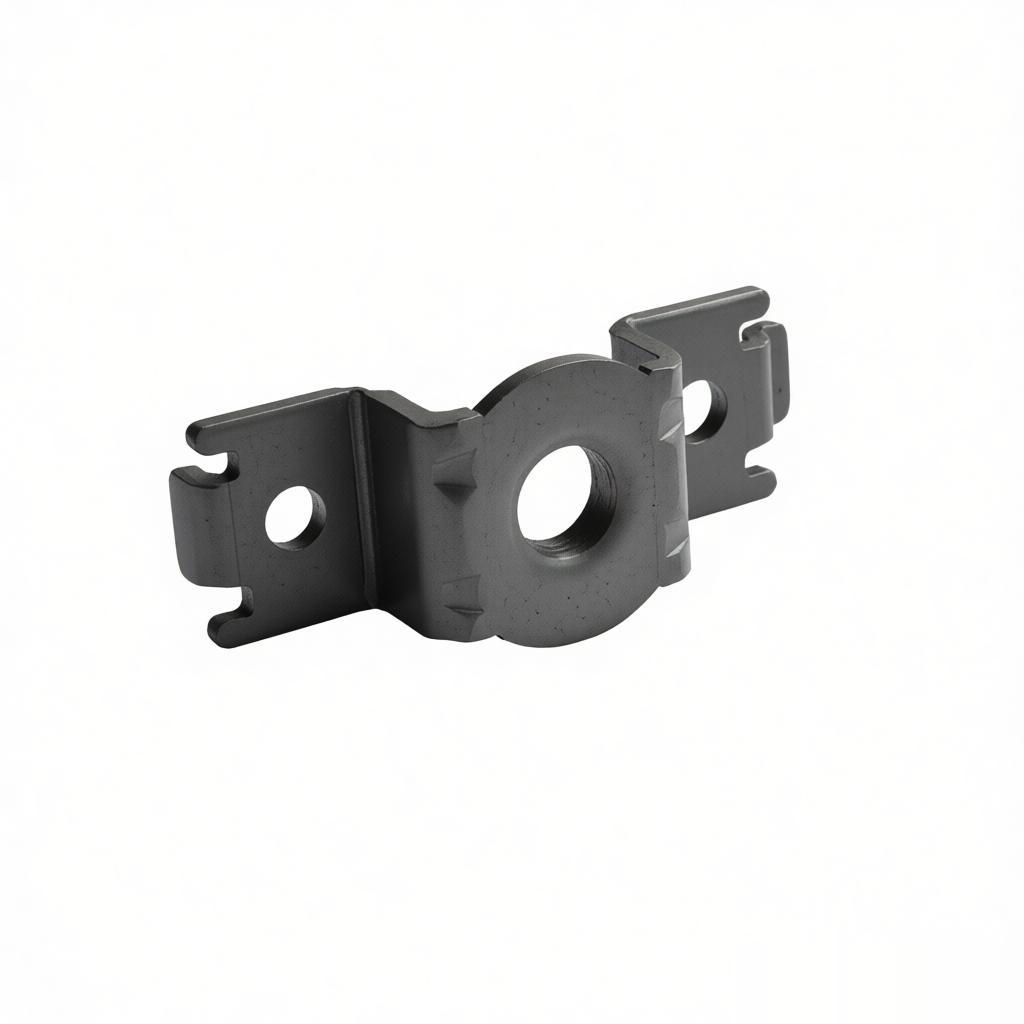
Introduction to Heat Sink Stamping
Heat sinks are critical components in electronic devices, dissipating heat to prevent overheating and ensure reliable operation. Among various manufacturing methods, stamping offers a cost-effective and high-volume solution for producing complex heat sink geometries. This guide explores the techniques and best practices for efficient thermal management through heat sink stamping.
Materials for Stamped Heat Sinks
Aluminum Alloys
Aluminum (e.g., 6061, 6063) is the most common material due to its excellent thermal conductivity (200–240 W/mK), lightweight, and formability. For high-performance applications, copper alloys (thermal conductivity ~400 W/mK) are used but are more expensive and harder to stamp.
Material Selection Criteria
Thermal conductivity: higher is better for heat dissipation.
Ductility: must withstand deep drawing and bending without cracking.
Cost: aluminum offers the best balance for mass production.
Surface finish: affects contact resistance with electronic components.
Stamping Die Design for Heat Sinks
Die design is crucial to achieve the desired fin geometry, thickness distribution, and dimensional accuracy. Progressive dies are commonly used to perform multiple operations (blanking, piercing, forming, and cutting) in a single press stroke.
Key Design Considerations
Fin geometry: tall, thin fins maximize surface area but require careful control of material flow to avoid tearing.
Bend radius: minimum radius should be at least 1.5 times material thickness to prevent stress concentration.
Draft angles: allow easy ejection of the part from the die.
Springback compensation: overbend the material to account for elastic recovery.
Stamping Process Techniques
Blanking and Piercing
First, the blank is cut from the strip. Piercing creates holes for mounting or airflow. Clearance between punch and die should be 5–10% of material thickness for clean edges.
Forming and Bending
Sequential forming operations shape the fins. To avoid wrinkling, use draw beads and proper blank holder force. Lubrication reduces friction and improves material flow.
Cutting and Trimming
After forming, the part is trimmed to final dimensions. Fine blanking can produce smooth edges without secondary operations.
Quality Control in Heat Sink Stamping
| Parameter | Specification | Inspection Method |
|---|---|---|
| Flatness |
Frequently Asked Questions
What materials are commonly used for stamped heat sinks and what are their thermal conductivities?
Aluminum alloys like 6061 and 6063 are most common, offering thermal conductivity of 200–240 W/mK, lightweight, and good formability. Copper alloys provide higher conductivity around 400 W/mK but are more expensive and harder to stamp. Aluminum is generally the best cost-performance balance for mass production.
What is the minimum bend radius recommended for stamped heat sink fins?
The minimum bend radius should be at least 1.5 times the material thickness. This prevents stress concentration and material tearing during forming. Tall, thin fins require careful control of material flow to avoid defects, and springback compensation via overbending is needed to account for elastic recovery.
What clearance is required between punch and die for clean edges in heat sink stamping?
Clearance between the punch and die should be 5–10% of the material thickness for clean edges during blanking and piercing operations. This ensures proper cutting without excessive burrs. Fine blanking can produce smooth edges without secondary operations when tighter tolerances are needed.
What quality control parameters are specified for heat sink stamping?
The article lists flatness as a key quality control parameter, with inspection methods referenced in the table. Other critical factors include dimensional accuracy, fin geometry, and surface finish, which affects contact resistance with electronic components. Draft angles are designed to allow easy ejection from the die.