How Much Does CNC Machining Cost Per Hour and Per Part in 2026?
In 2026, the average CNC machining cost per hour ranges from $45 to $120 for standard 3-axis milling and turning, while the cost per part typically falls between $15 and $250 depending on material, complexity, and quantity. For a precise estimate, a simple aluminum bracket at 100 units costs approximately $8.50 per part, whereas a complex medical-grade titanium component at 10 units can exceed $400 per part. These figures are driven by machine hourly rates, setup labor, tooling wear, and material premiums, which we break down with concrete data below.
What Factors Determine the Hourly Rate of a CNC Machine in 2026?
The hourly rate is a composite of machine depreciation, floor space, energy consumption, maintenance, and operator wages. A standard 3-axis vertical machining center (VMC) with a 10,000 RPM spindle commands $45 to $65 per hour, while a 5-axis machine with full contouring capability and a 15,000 RPM spindle ranges from $90 to $120 per hour. High-precision Swiss-type lathes for micro-components run $70 to $95 per hour, and multi-pallet horizontal machining centers (HMCs) for high-volume production are billed at $80 to $110 per hour. Energy costs in Dongguan add approximately $3 to $5 per hour per machine, and tooling consumption (end mills, inserts, coolant) adds $4 to $8 per hour for standard alloys.
How Does Part Geometry Affect the Cost Per Part in 2026?
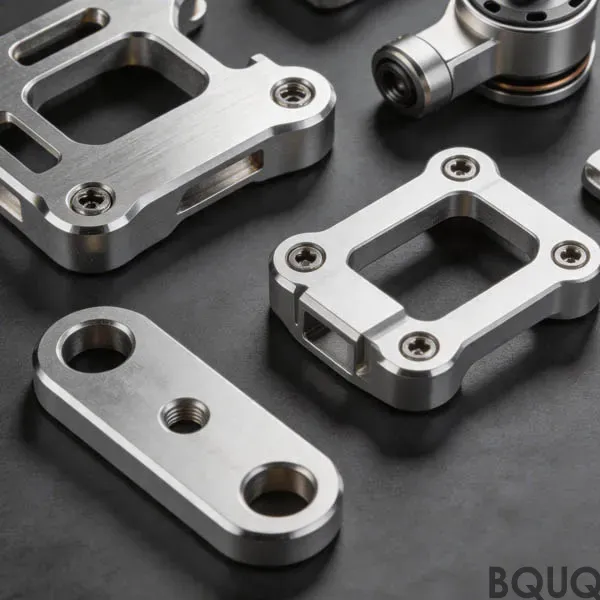
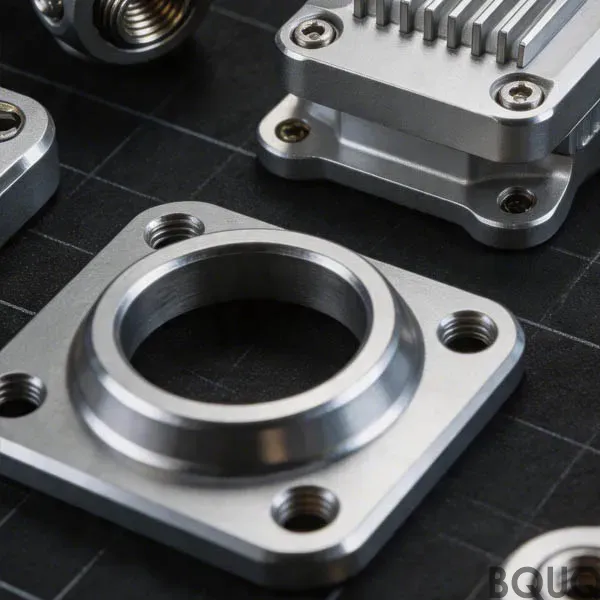
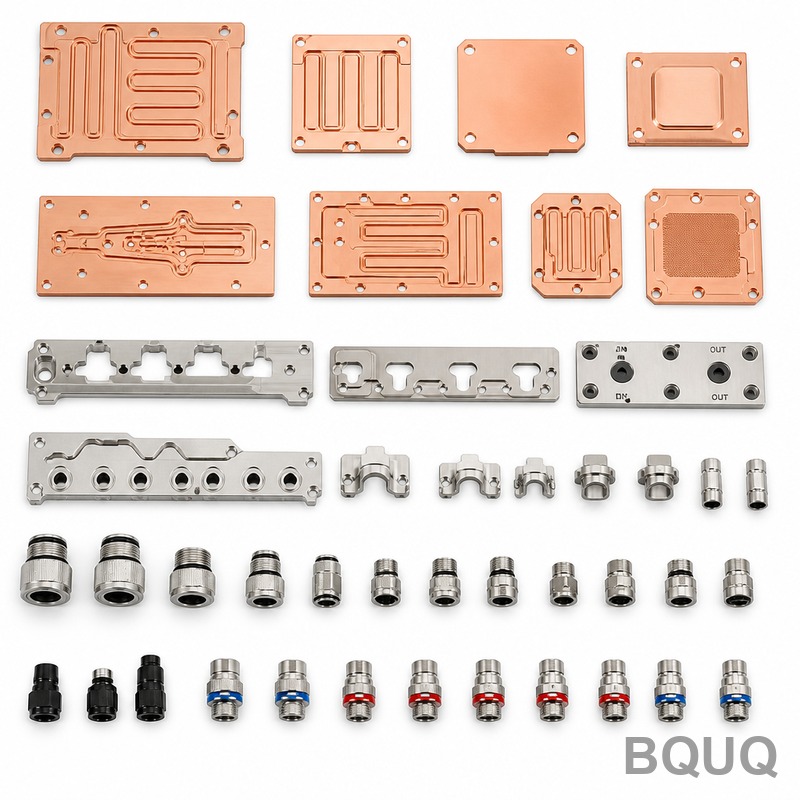
Part geometry is the single largest variable after material. A simple part with 2 to 4 features, such as a flat plate with drilled holes, requires 15 to 25 minutes of programming and 3 to 5 minutes of cycle time, yielding a per-part cost of $5 to $15. A moderately complex part with pockets, threads, and tight tolerances (e.g., +/- 0.02 mm) requires 1 to 3 hours of programming and 12 to 20 minutes of cycle time, costing $25 to $80 per part. A complex 5-axis part with freeform surfaces, undercuts, and thin walls (0.5 mm) requires 4 to 8 hours of CAM programming and 30 to 60 minutes of cycle time, pushing per-part cost to $150 to $400. Every additional setup doubles the handling time and adds $20 to $40 to the total batch cost.
Which Materials Are the Most Cost-Effective for CNC Machining in 2026?
Aluminum 6061-T6 remains the most cost-effective material, priced at $3.50 to $5.00 per kilogram, with excellent machinability that allows cutting speeds of 300 to 500 meters per minute. Brass C36000 costs $8 to $12 per kilogram but machines 30% faster than steel, reducing cycle time and offsetting material cost. Stainless steel 304 costs $5 to $7 per kilogram but requires 50% slower spindle speeds (120 to 180 m/min) and more expensive carbide tooling, increasing per-part cost by 40% compared to aluminum. Engineering plastics like PEEK and PTFE cost $60 to $120 per kilogram but are soft and fast to machine, though they require specialized chip evacuation to prevent melting. Titanium Grade 5 (Ti-6Al-4V) is the most expensive common alloy at $40 to $60 per kilogram, with cutting speeds limited to 40 to 70 m/min, making it 3 to 4 times more costly to machine than steel.
How Much Does Tooling and Setup Cost for a CNC Job in 2026?
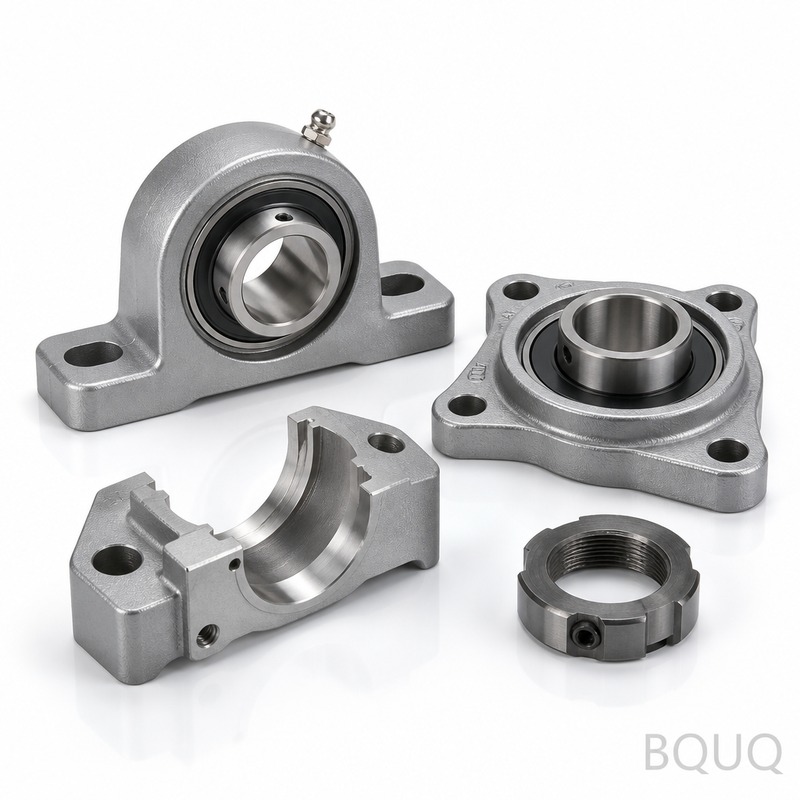
Tooling and setup are fixed costs that amortize over the batch quantity. A standard soft jaw setup for a vise on a 3-axis mill costs $30 to $60 in labor and material, while a custom fixture for a complex casting or forging costs $200 to $800. CNC programming time is billed at $60 to $90 per hour; a simple part requires 0.5 to 1 hour of programming, while a complex 5-axis part requires 4 to 8 hours. For a one-off prototype, setup and programming can represent 60% to 80% of the total quote. For production runs above 500 units, setup cost per part drops below $1.00, making high-volume machining highly economical. Tooling wear for aluminum is minimal (1 set of inserts per 200 parts), but for hardened steel (HRC 45+), tool life drops to 20 to 30 parts per insert, adding $2 to $5 per part in consumables.
What Is the Price Difference Between Prototyping and Production Runs in 2026?
Prototyping (1 to 10 units) carries a price premium of 50% to 200% over production pricing due to setup amortization and manual inspection. A prototype aluminum part costs $80 to $150 per unit, while the same part at 100 units costs $15 to $30 per unit, and at 1,000 units costs $8 to $12 per unit. Production runs above 500 units benefit from automated pallet loading and optimized tool paths, reducing cycle time by 15% to 25%. For quantities between 50 and 200 units, the sweet spot for most custom parts, per-part cost is typically 20% to 35% below prototype pricing. High-volume runs (5,000+ units) can achieve per-part costs that are 50% to 70% lower than prototype costs, but require a $1,000 to $5,000 investment in hard tooling and fixtures.
How Do Tolerances and Surface Finish Impact the Final Price in 2026?
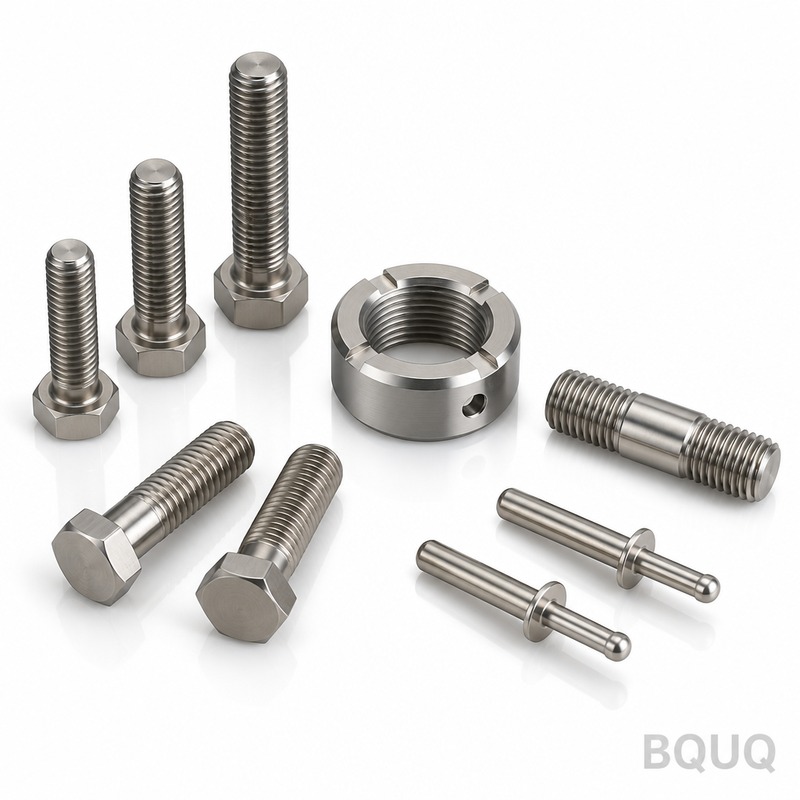
Standard machining tolerances of +/- 0.1 mm are included in base pricing, but tightening to +/- 0.025 mm adds 20% to 30% to the per-part cost. Precision tolerances of +/- 0.005 mm require grinding or jig boring operations, adding $5 to $15 per part and increasing inspection time by 30 to 60 minutes per batch. Surface finish of 3.2 micrometers Ra (standard) is free, but improving to 0.8 micrometers Ra requires additional finishing passes, adding 15% to 20% to cycle time. A mirror polish (0.2 micrometers Ra) on aluminum costs $2 to $5 per part. Anodizing (Type II, black) adds $0.50 to $1.50 per part, while hard anodizing (Type III, 50 micrometers) adds $2 to $4 per part. Each additional inspection report (CMM, OMM) adds $10 to $25 per batch.
What Is the Realistic Lead Time and Rush Fee for CNC Machining in 2026?
Standard lead time for CNC machining in Dongguan is 5 to 10 business days for prototypes and 15 to 20 business days for production runs of 100 to 1,000 parts. Rush lead times of 48 to 72 hours are available at a 30% to 50% surcharge, provided the material is in stock. A 24-hour rush service exists for simple parts (under 10 minutes cycle time) at a 100% surcharge. Material procurement adds 2 to 5 days for standard alloys, but titanium and Inconel can add 7 to 14 days due to limited local stock. The table below summarizes typical 2026 pricing for various part categories at different quantities.
| Part Category | Material | Quantity 10 | Quantity 100 | Quantity 1000 | Lead Time (Days) |
| Simple bracket, 4 holes | Aluminum 6061 | $85 per part | $18 per part | $9 per part | 5 |
| Medium housing, threads | Aluminum 6061 | $140 per part | $35 per part | $15 per part | 7 |
| Complex impeller, 5-axis | Stainless 304 | $320 per part | $95 per part | $45 per part | 12 |
| Precision shaft, ground | Steel 4140 | $110 per part | $28 per part | $12 per part | 8 |
| Medical implant, Ti-6Al-4V | Titanium Grade 5 | $450 per part | $180 per part | $95 per part | 15 |
How Can You Reduce CNC Machining Costs Without Sacrificing Quality in 2026?
Design for manufacturability (DFM) reduces costs by 20% to 40%. Specify tolerances of +/- 0.1 mm instead of +/- 0.025 mm where functionally possible, reducing inspection and cycle time. Avoid deep cavities (depth-to-diameter ratio above 3:1) which require specialized long-reach tooling and slower feed rates. Reduce the number of setups by designing parts that can be machined in one or two operations. Choose aluminum 6061 over stainless steel 304 for structural parts where corrosion resistance is not critical. Increase batch quantity to at least 50 units to amortize setup costs, and consolidate multiple parts into a single multi-axis job to eliminate secondary operations. Finally, provide a 3D model in STEP format with a clear GD&T callout, which reduces quoting time by 50% and eliminates costly misinterpretation errors.
What Are the Hidden Costs in CNC Machining Quotes for 2026?
Hidden costs include deburring and edge breaking ($0.50 to $2 per part), packaging for sensitive surfaces ($0.20 to $1 per part), and export documentation for international shipping ($30 to $80 per shipment). Scrap and rework costs are typically absorbed by the manufacturer, but excessive tolerance requirements (below +/- 0.01 mm) may trigger a 10% to 20% contingency surcharge. Inspection certificates with material traceability (EN 10204 3.1) add $50 to $150 per batch. For parts requiring nickel plating or passivation, a minimum batch charge of $100 to $200 applies. Always request a full breakdown of material cost, machine time, setup, and finishing to avoid surprises.
Which CNC Machining Process Is Cheapest for High Volumes in 2026?
For high volumes (above 5,000 parts), CNC turning on a Swiss-type lathe is the cheapest process at $2 to $6 per part for simple geometries under 20 mm diameter. For prismatic parts, a horizontal machining center with a tombstone fixture reduces cost to $3 to $8 per part by allowing simultaneous machining of multiple parts. For volumes above 50,000 parts, metal stamping or die casting becomes cheaper at $0.50 to $2 per part, but requires $5,000 to $50,000 in tooling investment. CNC machining remains the most flexible process for mid-volume (100 to 5,000 parts) with no tooling amortization beyond standard fixtures.
FAQ
Can I get a CNC machining quote within 24 hours in 2026?
Yes, most reputable Chinese manufacturers, including BQUQ, provide a detailed quote within 12 to 24 hours for parts with complete 3D models and material specifications. A rush quote with preliminary pricing can be delivered in 4 hours if you provide a STEP file and quantity. Full DFM feedback and tolerance analysis typically takes 24 to 48 hours.
What is the minimum order quantity for CNC machining?
There is no minimum order quantity for CNC machining; single-piece prototypes are standard. However, the per-part cost at quantity 1 is 3 to 5 times higher than at quantity 100 due to setup and programming amortization. For best pricing, order at least 20 to 50 units.
Are CNC machining costs lower in China than in the US or Europe in 2026?
Yes, hourly rates in Dongguan, China are 30% to 50% lower than in the US (which averages $80 to $150 per hour). For a simple aluminum part, the total cost including shipping is still 20% to 40% lower than domestic US machining, especially for quantities above 50 units. Shipping adds $50 to $150 for air freight, but this is offset by lower labor and material costs.
How accurate are CNC machining quotes from online calculators?
Online calculators provide estimates within +/- 30% accuracy, as they use generic material and cycle time assumptions. A formal quote from a manufacturer with a DFM review is accurate to +/- 5% for standard materials and geometries. Always request a formal quote before committing to a budget.
Does surface finish like anodizing increase the cost per part?
Yes, anodizing adds $0.50 to $4.00 per part depending on type, color, and thickness. Standard clear anodizing is the cheapest, while hard anodizing with sealing is the most expensive. Powder coating adds $2 to $5 per part, and electroless nickel plating adds $3 to $8 per part.
What is the cost difference between 3-axis and 5-axis CNC machining per hour?
3-axis machining costs $45 to $65 per hour, while 5-axis machining costs $90 to $120 per hour. However, 5-axis can reduce the number of setups from 3 or 4 to 1, reducing total labor and handling time. For complex parts, 5-axis is often 20% cheaper per part despite the higher hourly rate.
How do material prices affect the final part cost in 2026?
Material cost typically represents 20% to 40% of the final part cost for aluminum and steel, and 50% to 70% for titanium and PEEK. Material prices fluctuate with global markets; aluminum is stable at $3.50 to $5.00 per kg, while copper-based alloys have risen 15% in 2026 due to supply constraints. Always confirm material pricing at the time of quoting.
Conclusion
CNC machining costs in 2026 are predictable when broken down into machine hourly rates, material premiums, setup amortization, and tolerance requirements. For a standard aluminum part at 100 units, expect to pay $15 to $35 per part; for high-precision titanium or 5-axis work, budget $100 to $400 per part. The most effective way to reduce costs is to design for manufacturability, choose aluminum where possible, and consolidate quantities above 50 units. At BQUQ, our 20 years of precision manufacturing experience in Dongguan ensures transparent pricing with no hidden fees. We provide free DFM feedback within 4 hours, and a full quote within 12 hours of receiving your 3D model. Contact us today for a cost-effective solution: Email sc@bquq.com, WhatsApp +86 13713157787, or visit www.bquq.com.
Related Articles
- When CNC 'Speaks' — Intelligent Process Planning Driven by Large Models and Knowledge Graphs
- CNC Turn-Mill Composite Machining, Turn-Mill Machine Tools, One-Time Forming, B-Axis Turn-Mill Center, Multi-Process Integration, Complex Rotary Part Machining, Medical Device Precision Machining
- Digital twin-driven CNC machining: from simulation to closed-loop process optimization