Metal Stamping vs Casting: Which is Best for Your Part?
Introduction
When designing a metal part, choosing the right manufacturing process is critical to balancing cost, quality, and lead time. Two of the most common methods are metal stamping and casting. Both have unique advantages and limitations, and the best choice depends on your specific part requirements. In this article, we compare metal stamping and casting across key factors to help you make an informed decision.
Overview of Metal Stamping and Casting
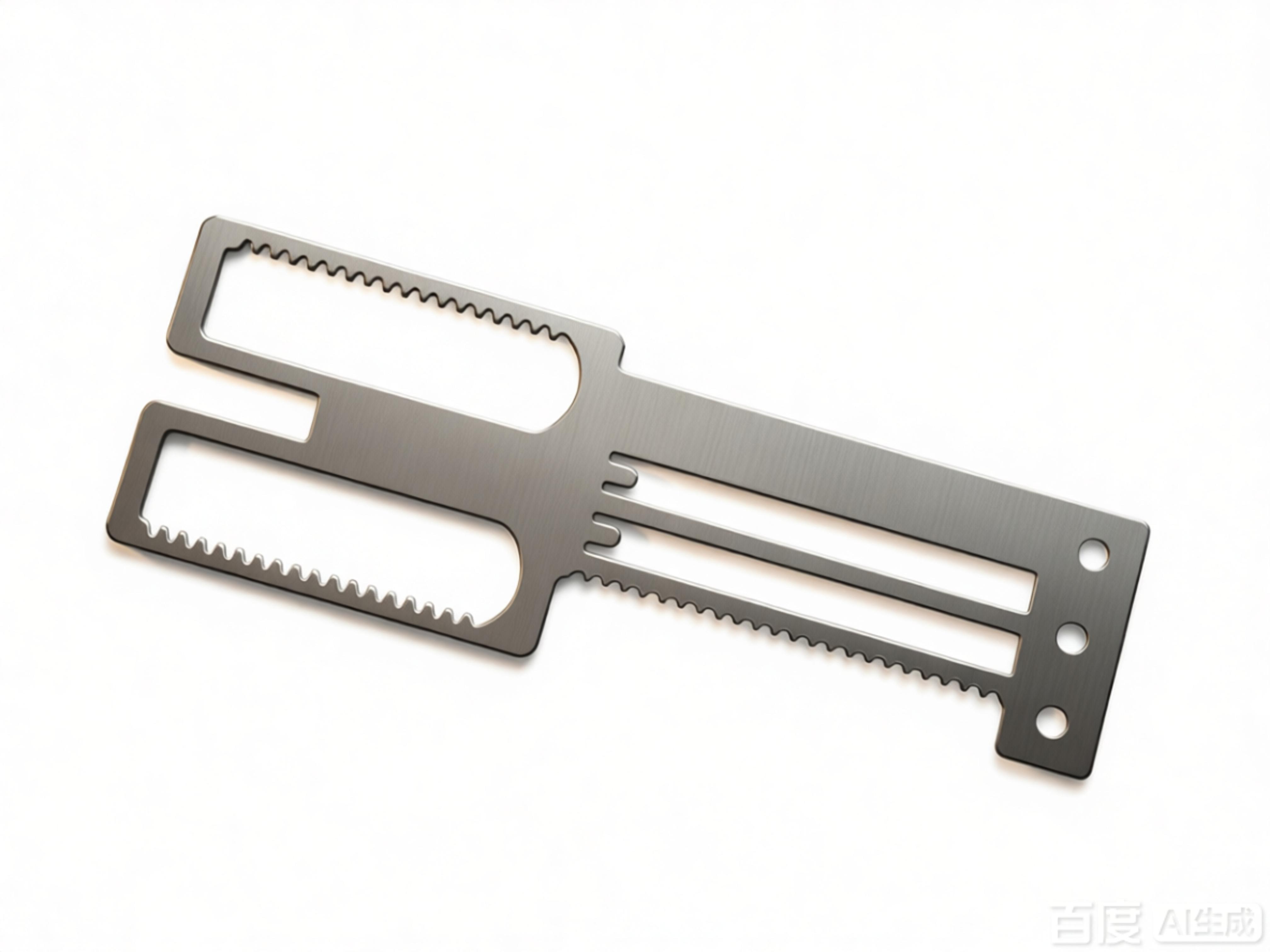
Metal Stamping is a process that uses dies and presses to shape flat metal sheets into desired forms. It includes operations like blanking, bending, drawing, and coining. Stamping is ideal for high-volume production of thin-walled parts with tight tolerances.
Casting involves pouring molten metal into a mold, where it solidifies into the shape of the cavity. Common casting methods include sand casting, die casting, and investment casting. Casting is suitable for complex geometries and thicker sections.
Key Comparison: Metal Stamping vs. Casting
| Factor | Metal Stamping | Casting |
|---|---|---|
| Production Volume | High (1000+ parts) | Low to High (depends on method) |
| Tooling Cost | High initial, low per part | Moderate to high, per part can be high |
| Lead Time | Longer setup, fast production | Shorter setup for sand casting, longer for die casting |
| Material Utilization | Excellent (minimal scrap) | Fair to good (some waste in gates/risers) |
| Part Complexity | Moderate (limited by draw depth) | High (intricate shapes possible) |
| Wall Thickness | Thin (0.1–5 mm typical) | Thin to thick (1–50 mm) |
| Surface Finish | Excellent (smooth, consistent) | Varies (sand casting rough; die casting smooth) |
| Strength | Good (work hardening) | Good (but may have porosity) |
| Tolerances | Tight (±0.05 mm) | Loose (±0.2–1 mm typical) |
| Secondary Operations | Minimal (often final) | Often required (machining, deburring) |
Detailed Analysis
Cost Considerations
For high volumes, stamping has a lower per-piece cost due to fast cycle times and automation. However, die costs are high. For low volumes, casting may be more economical because sand molds are cheap. Die casting has high tooling costs similar to stamping.
Design Flexibility
Casting can produce complex internal geometries, undercuts, and variable wall thicknesses. Stamping is limited to relatively simple shapes with uniform thickness. If your part requires intricate features like threads or deep cavities, casting is better.
Material Options
Both processes work with many metals: steel, aluminum, brass, etc. However, stamping requires ductile materials that can bend without cracking. Casting can handle brittle alloys and metals with high melting points.
Lead Time and Prototyping
Sand casting is quick for prototypes, while stamping requires costly dies and longer setup. For rapid iterations, casting wins. For high-volume production, stamping is faster once tooled.
When to Choose Metal Stamping
High volume (>10,000 parts per year)
Thin walls and consistent thickness
Tight tolerances required
Excellent surface finish needed
Low scrap material cost
When to Choose Casting
Low to medium volume (100–10,000 parts)
Complex geometries with internal cavities
Thick sections or variable wall thickness
Prototype or short-run production
Need for a wide variety of metals
Combining Processes
Some parts use both: stamping for the main body and casting for brackets or details. This hybrid approach can optimize cost and performance.
Real-World Examples
Automotive brackets are often stamped for strength and cost. Engine blocks are cast for complex coolant passages. Heat sinks can be stamped from aluminum for LEDs, but cast for larger power electronics.
Recommendation
For most high-volume, thin parts requiring precision, metal stamping is superior. It offers faster production, tighter tolerances, and lower unit cost. For low-volume, complex, or thick parts, casting is the better choice. Consider your volume, complexity, and budget. At our company, we specialize in metal stamping and can help you determine the optimal process. Contact us for a free consultation.
In summary, neither process is universally better. Evaluate your specific part requirements, and if in doubt, consult an expert.
Frequently Asked Questions
What are the typical tolerances achievable with metal stamping compared to casting?
Metal stamping can achieve tight tolerances of ±0.05 mm, while casting typically has looser tolerances of ±0.2–1 mm. This makes stamping the better choice for parts requiring high precision and consistency.
Which process is more cost-effective for high-volume production?
For high volumes (1000+ parts), metal stamping has a lower per-piece cost due to fast cycle times and automation, despite high initial die costs. Casting may be more economical for low volumes because sand molds are cheaper, but die casting has tooling costs similar to stamping.
Can casting produce more complex part geometries than stamping?
Yes, casting can produce complex internal geometries, undercuts, and variable wall thicknesses, with wall thicknesses ranging from 1–50 mm. Stamping is limited to relatively simple shapes with uniform thickness, typically 0.1–5 mm, and is constrained by draw depth.
What are the differences in surface finish and secondary operations between the two methods?
Stamping provides an excellent, smooth, and consistent surface finish, often requiring minimal secondary operations. Casting surface finish varies—sand casting is rough while die casting is smooth—and often requires additional operations like machining and deburring to meet final specifications.