Progressive Die Stamping Design: Best Practices for Efficiency
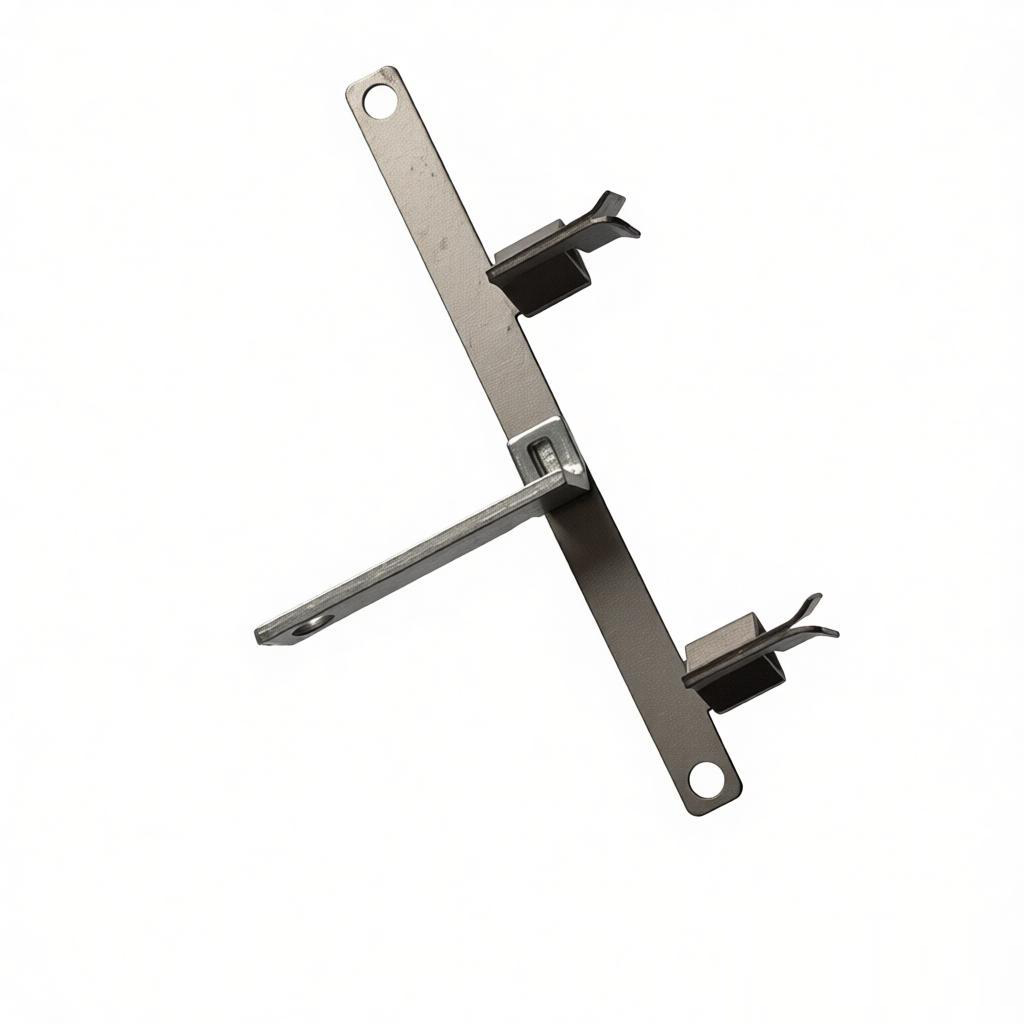
Introduction
Progressive die stamping is a high-volume metal forming process that uses a series of stations to perform multiple operations in a single die. Each station completes a specific task—such as cutting, bending, or drawing—as the strip of metal advances through the die. Efficiency in progressive die stamping design directly impacts production speed, tool life, and part quality. This guide explores best practices to optimize your progressive die stamping design for maximum efficiency.
What is Progressive Die Stamping?
Progressive die stamping involves a coil of metal strip fed through a die set containing multiple stations. At each press stroke, the strip moves forward by one pitch, and each station performs a distinct operation. The final part is typically cut free at the last station. This method is ideal for high-volume production of complex parts with tight tolerances. Key advantages include high speed, repeatability, and minimal manual handling.
Key Design Principles for Efficiency
Material Selection and Strip Layout
Choosing the right material and optimizing strip layout are foundational to efficiency. Select materials with consistent thickness and mechanical properties to reduce variability. Use a strip layout that minimizes scrap by nesting parts closely. Consider grain direction for bending operations to avoid cracking. Advanced nesting software can simulate layouts to maximize material utilization, often achieving over 70% yield.
Die Design and Clearance
Proper die clearance—the gap between punch and die—affects cut quality, tool wear, and energy consumption. For most metals, clearance is typically 5–10% of material thickness per side. Tight clearances produce cleaner cuts but increase wear; wider clearances reduce wear but may leave burrs. Use empirical tables or simulations to determine optimal clearance for your material and press speed. Additionally, design die sections with hardened tool steel (e.g., D2 or M2) to extend life.
Pilot Holes and Alignment
Pilot holes are crucial for ensuring accurate strip advancement. Place pilots in the scrap area or on carrier strips. Pilot diameter should allow for 0.005–0.010 inch clearance to avoid binding. Use tapered pilots to ease entry. For alignment, incorporate guide bushings and stripper plates that maintain strip flatness. Misalignment leads to poor part accuracy and die damage.
Scrap Management
Efficient scrap removal prevents jams and downtime. Design scrap choppers or slides that direct waste away from the die area. For small holes, consider using a scrap ejector pin. Ensure scrap pieces are small enough to be easily removed by compressed air or vacuum systems. Proper scrap management also improves safety.
Advanced Techniques in Progressive Die Design
Using Sensors and In-Die Monitoring
Integrate sensors to detect strip feeding errors, material thickness variations, or tool breakage. Common sensors include proximity switches, load cells, and vision systems. Real-time monitoring allows the press to stop instantly, preventing scrapped parts and die damage. Data collected can also inform predictive maintenance schedules.
Quick-Change Die Systems
Reduce downtime between production runs with quick-change die systems. Use standardized die bases, hydraulic clamps, and automatic shut-height adjustments. A well-designed quick-change system can reduce setup time by 50–80%, significantly increasing overall equipment effectiveness (OEE).
Common Mistakes to Avoid
Overcomplicating the strip layout: Too many stations increase cost and complexity without added value. Keep the layout as simple as possible.
Ignoring press tonnage requirements: Underestimating forces can cause tool deflection or press overload. Perform load analysis for each station.
Poor lubrication: Inadequate lubricant leads to galling and excessive heat. Use appropriate lubricant type and application method (e.g., spray or flood).
Neglecting maintenance access: Design die sections that are easy to remove and replace. Hard-to-reach fasteners increase downtime.
Best Practices for Optimizing Production Cycle
| Practice | Benefit |
|---|---|
| Use progressive die with 10–15% excess capacity | Allows for future part modifications or increased volumes |
| Implement total preventive maintenance (TPM) | Reduces unplanned downtime and extends die life |
| Optimize press speed (strokes per minute) | Balances throughput with tool wear and part quality |
| Employ CNC precision tooling | Ensures high accuracy and repeatability of die components |
Conclusion
Efficient progressive die stamping design is a product of careful material selection, precise tool geometry, intelligent scrap management, and integration of advanced monitoring systems. By following these best practices, manufacturers can reduce scrap, increase uptime, and produce high-quality metal stampings at competitive costs. For expert assistance in designing and manufacturing progressive dies, contact our team of engineers—we specialize in custom metal stamping solutions, including heat sinks, springs, and precision CNC parts.
Frequently Asked Questions
What is progressive die stamping and why is it efficient for high-volume production?
Progressive die stamping feeds a metal coil through a die with multiple stations, each performing a specific operation like cutting, bending, or drawing per press stroke. The final part is cut free at the last station. It is ideal for high-volume production because it offers high speed, repeatability, and minimal manual handling, making it efficient for complex parts with tight tolerances.
How can I optimize material utilization in my progressive die design?
Optimize material utilization by selecting materials with consistent thickness and mechanical properties, and by using a strip layout that nests parts closely to minimize scrap. Consider grain direction for bending to avoid cracking. Advanced nesting software can simulate layouts to maximize yield, often achieving over 70% material utilization.
What is the recommended die clearance for cutting operations in progressive stamping?
For most metals, die clearance—the gap between punch and die—is typically 5–10% of material thickness per side. Tight clearances produce cleaner cuts but increase tool wear, while wider clearances reduce wear but may leave burrs. Use empirical tables or simulations to determine the optimal clearance for your specific material and press speed.
How do pilot holes and alignment affect part accuracy in progressive die stamping?
Pilot holes ensure accurate strip advancement and should be placed in scrap areas or carrier strips. Pilot diameter should allow 0.005–0.010 inch clearance to avoid binding, and tapered pilots ease entry. Guide bushings and stripper plates maintain strip flatness; misalignment leads to poor part accuracy and die damage.