Small Batch Metal Stamping: Cost-Effective Prototype Solutions
Small batch metal stamping is an ideal solution for prototype development, offering cost-effective and efficient ways to test designs before full-scale production. This article explores the key benefits and practical applications of low-volume stamping for prototypes.
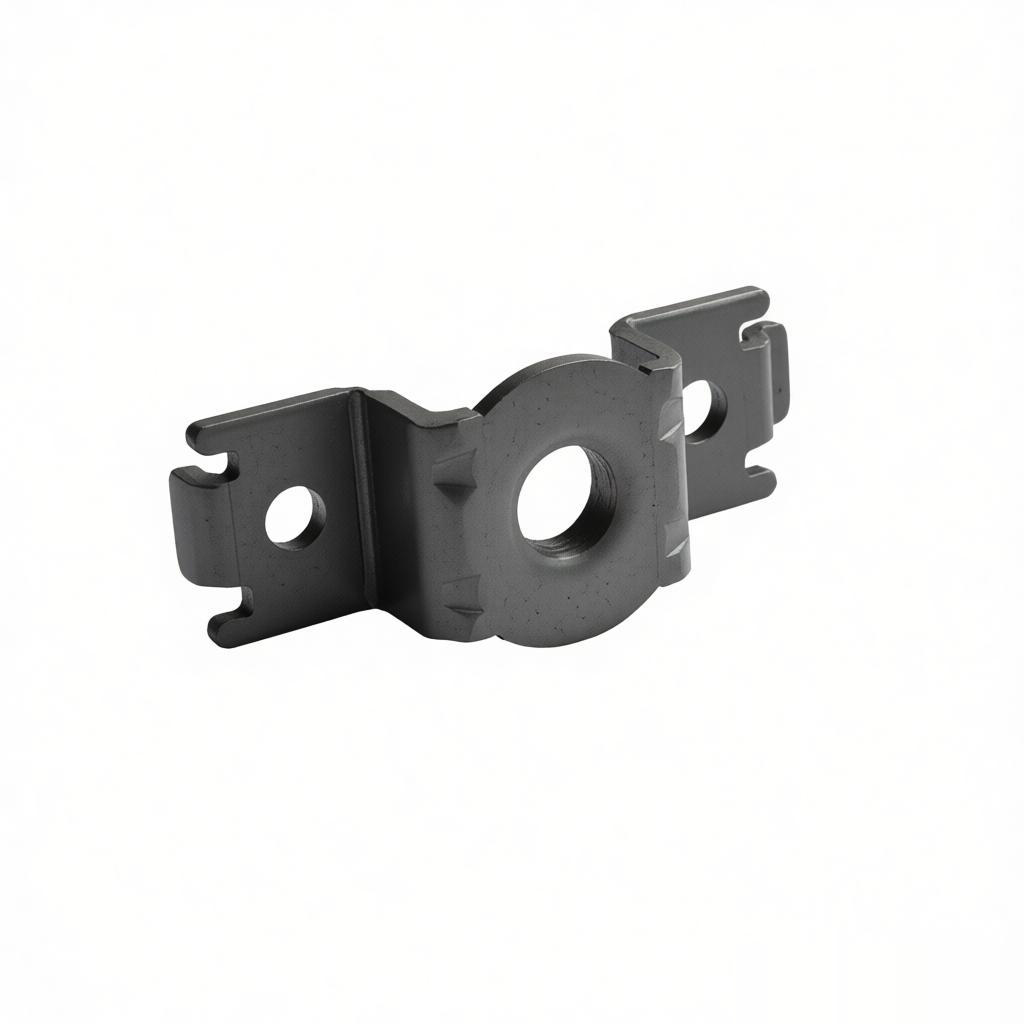
1. Understanding Small Batch Metal Stamping
Small batch metal stamping refers to the production of metal parts in limited quantities, typically ranging from a few dozen to a few thousand units. Unlike high-volume stamping that requires expensive dedicated tooling, small batch stamping uses flexible, low-cost dies that can be quickly modified. This approach is perfect for prototyping, where design iterations are common.
By leveraging advanced techniques like progressive stamping and quick-change tooling, manufacturers can produce precise components without the long lead times and high upfront costs associated with traditional stamping. This makes it accessible for startups, R&D teams, and custom part needs.
2. Cost Savings with Low Volume Tooling
One of the most significant advantages of small batch stamping is the reduced tooling cost. Instead of investing tens of thousands of dollars in hard dies, prototype runs can utilize softer materials like aluminum or 3D-printed inserts that dramatically lower expenses. Typical tooling costs for small batches are 50-70% less than for large volumes.
Additionally, the modular nature of low-volume tooling allows for partial replacements when design changes occur. This eliminates the need to scrap entire die sets, further reducing waste and saving money. For businesses testing multiple design concepts, this flexibility can lead to substantial savings.
3. Faster Turnaround for Prototypes
Time-to-market is critical for prototypes, and small batch stamping excels here. With simplified tooling and streamlined setup, lead times can be as short as 1-3 weeks, compared to 6-12 weeks for high-volume production. This acceleration allows engineers to quickly validate designs and make adjustments.
Many stamping shops offer rapid prototyping services that combine in-house design review with agile manufacturing. By using computer-aided simulation and quick die fabrication, they can deliver stamped parts within days. This speed is invaluable for industries like electronics, automotive, and medical devices where product cycles are fast.
4. Design Flexibility and Iteration
Small batch stamping supports multiple design iterations without penalty. Because tooling modifications are easier and cheaper, engineers can experiment with different geometries, hole patterns, and bend radii. Each iteration provides real-world feedback on formability and strength.
Moreover, low-volume processes allow for hybrid approaches, such as combining stamping with laser cutting or CNC machining for complex features. This flexibility enables the creation of prototypes that closely mimic final production parts, making testing more accurate.
5. Material Options for Prototypes
A wide range of materials can be used in small batch stamping, including steel, stainless steel, aluminum, copper, brass, and specialty alloys. This variety ensures that prototypes can be made from the same material as the final product, providing accurate mechanical and thermal properties.
For cost-sensitive early stages, alternative materials like galvanized steel or pre-plated metals can be specified. The ability to test with exact materials reduces surprises during production ramp-up. Finishes like powder coating or anodizing can also be applied to prototypes for functional testing.
6. Quality Assurance in Small Batches
Despite lower volumes, quality control remains rigorous. Small batch stampers often use coordinate measuring machines (CMMs), optical comparators, and automated inspection to ensure tolerances as tight as ±0.005 inches. Statistical process control (SPC) can be implemented even for short runs.
Furthermore, prototypes can be subjected to functional testing such as pull tests, fatigue tests, or environmental chambers. Any issues discovered are directly addressed in the next iteration, leading to a robust final design. This attention to quality ensures that small batch parts are reliable for evaluation.
7. Combining Small Batch Stamping with Other Processes
Small batch stamping often works best as part of a hybrid manufacturing strategy. For instance, a stamped prototype may have features that are later machined using CNC precision lathes or have heat sinks attached via brazing. This approach leverages the strengths of each process.
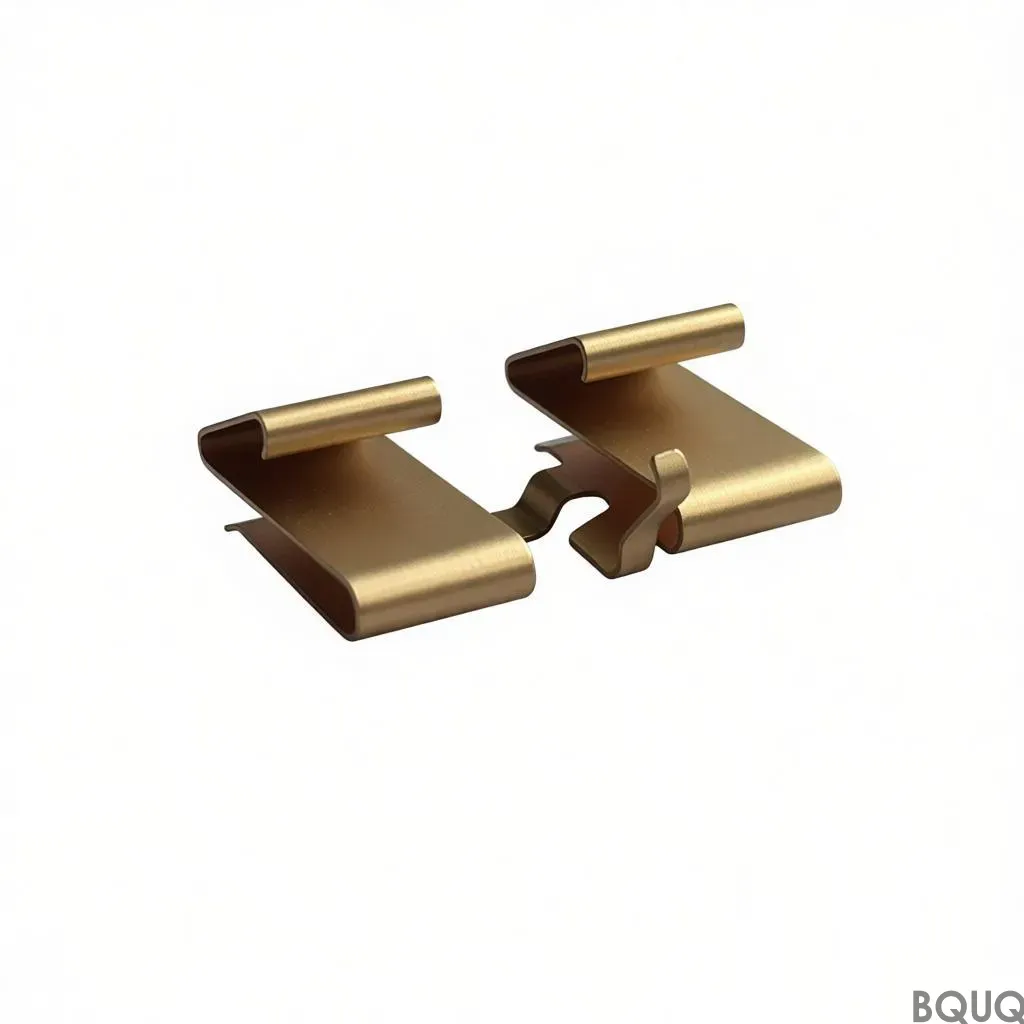
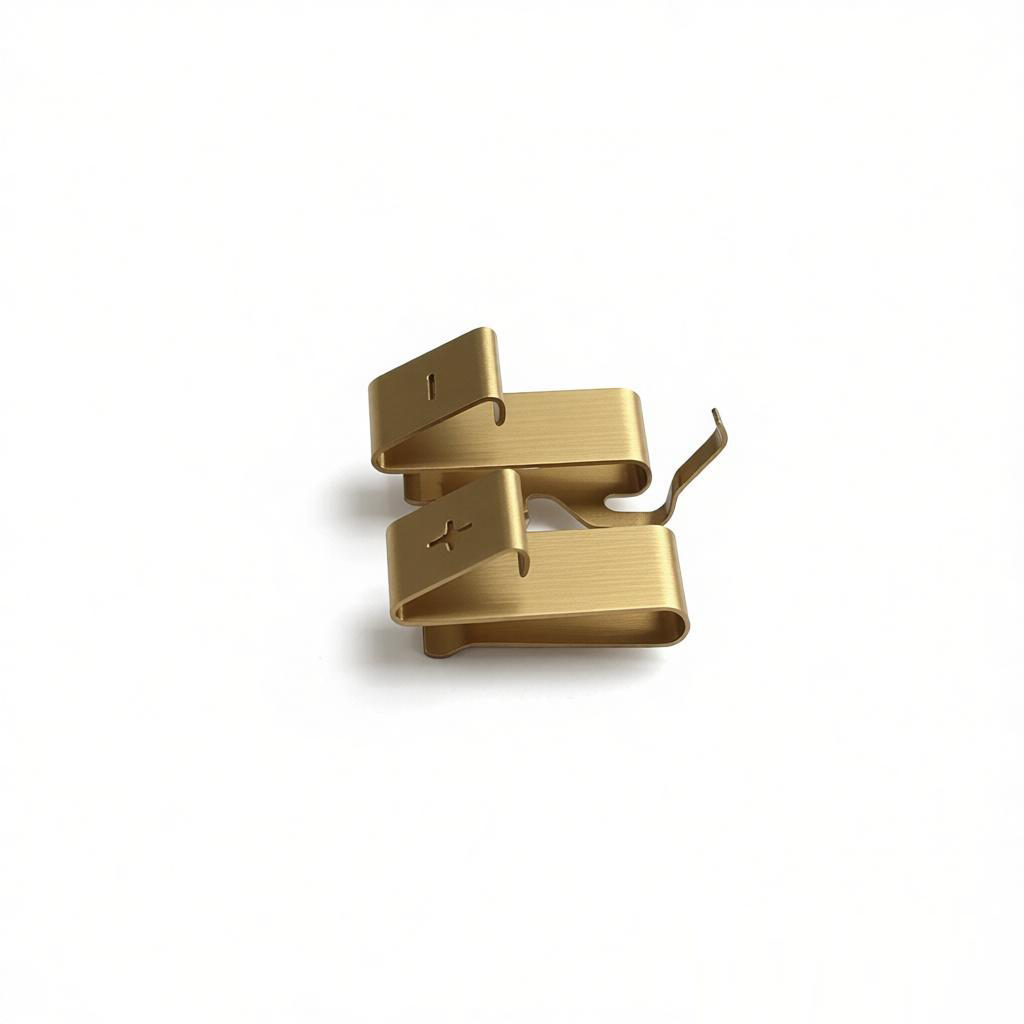
For complex assemblies, stamping can produce chassis or brackets while springs and shrapnel are fabricated separately. Integrating these services from a single provider streamlines communication and reduces logistical headaches. Many shops offer full-spectrum metal fabrication, including stamping, machining, and finishing.
8. Ideal Applications and Industries
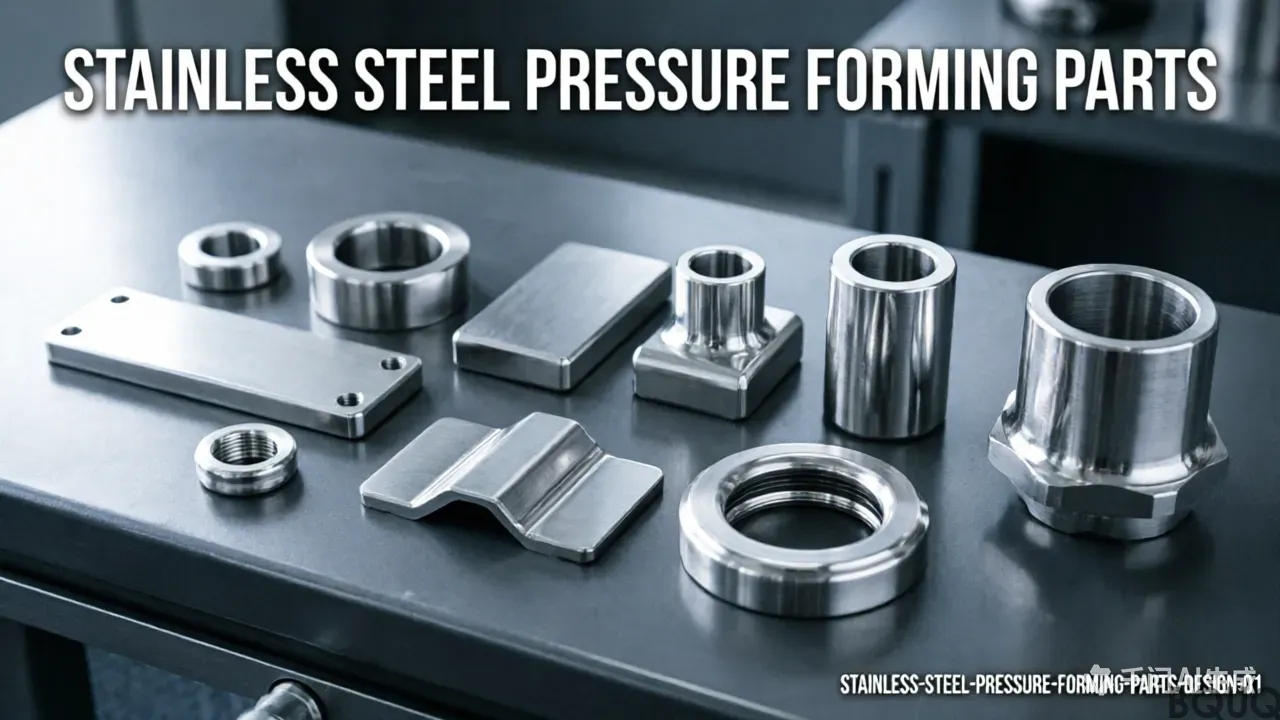
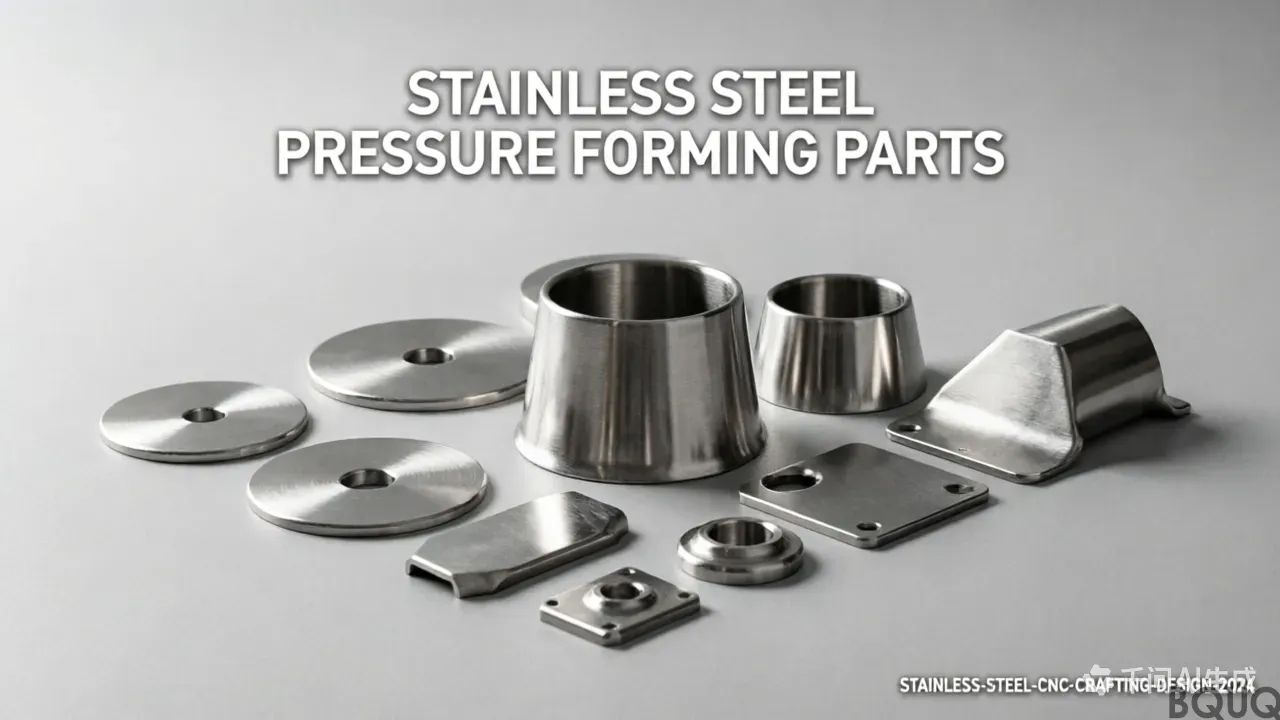
Small batch metal stamping is widely used in prototyping for automotive components, electronic enclosures, medical device parts, industrial machinery, and consumer goods. Any industry requiring functional metal parts in limited quantities can benefit.
Specific applications include brackets, heat sinks, connector pins, contact springs, and custom enclosure panels. With the rise of niche products and the maker movement, small batch stamping provides a low-risk path to bring ideas to life. Whether it's a startup or a large corporation testing a new design, this method offers a cost-effective bridge to production.
In conclusion, small batch metal stamping delivers numerous advantages for prototype development, from reduced costs and faster turnaround to design flexibility and quality assurance. By partnering with an experienced metal stamper, you can efficiently refine your designs and accelerate your product launch.
Frequently Asked Questions
What is the typical production quantity range for small batch metal stamping?
Small batch metal stamping typically produces parts in limited quantities ranging from a few dozen to a few thousand units. This approach uses flexible, low-cost dies that can be quickly modified, making it ideal for prototyping and design iterations.
How much can I save on tooling costs with small batch stamping compared to high-volume production?
Tooling costs for small batch stamping are typically 50-70% less than for large volumes. Instead of expensive hard dies, prototype runs can use softer materials like aluminum or 3D-printed inserts, and modular tooling allows partial replacements when design changes occur.
What are the lead times for small batch stamping prototypes?
Lead times for small batch stamping can be as short as 1-3 weeks, compared to 6-12 weeks for high-volume production. Many shops offer rapid prototyping with in-house design review and agile manufacturing, delivering stamped parts within days.
Can I make design changes easily during small batch stamping?
Yes, small batch stamping supports multiple design iterations without penalty. Tooling modifications are easier and cheaper, allowing engineers to experiment with different geometries, hole patterns, and bend radii. Each iteration provides real-world feedback on formability and strength.