Stamping Cost Per Part: Calculate & Reduce Expenses
Understanding the stamping cost per part is crucial for any manufacturer or buyer looking to optimize their metal stamping operations. Whether you are producing simple brackets or complex heat sinks, knowing how to calculate and reduce these costs can significantly impact your bottom line. This comprehensive guide breaks down the factors influencing stamping costs, provides a step-by-step calculation method, and offers proven strategies to minimize expenses without sacrificing quality.
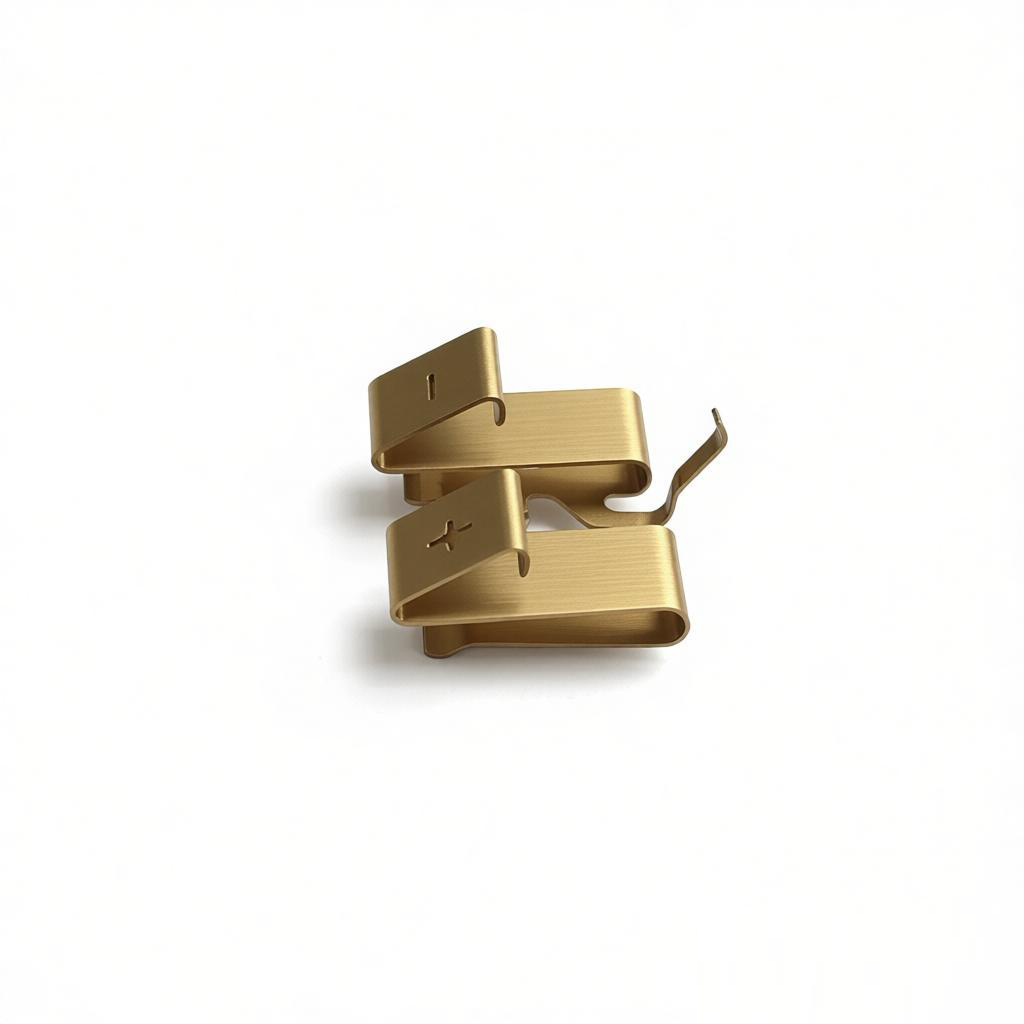
What Is Stamping Cost Per Part?
Stamping cost per part refers to the total cost incurred to produce a single stamped component, including material, tooling, labor, machine time, and overhead. This metric is essential for pricing, profitability analysis, and cost control. For businesses specializing in metal stamping parts, CNC precision lathe parts, heat sinks, springs, and shrapnel, accurately calculating this cost ensures competitive pricing and sustainable operations.
Key Factors That Influence Stamping Cost
Several variables contribute to the final cost per part. Understanding these helps identify areas for cost reduction.
Material Costs
Material typically accounts for 30–50% of the total stamping cost. The type, thickness, and grade of metal (e.g., steel, aluminum, copper) directly affect price. Additionally, material utilization (how efficiently parts are nested on a sheet) impacts waste and cost.
Tooling and Die Costs
Tooling includes the design and fabrication of dies and punches. High-volume parts often use progressive dies that are more expensive upfront but lower per-part cost. Low-volume runs may use simpler, cheaper tooling. Amortizing tooling over the order quantity is key.
Machine and Labor Costs
Press machine hourly rates vary by tonnage and precision. Labor costs include setup, operation, and inspection. Automated processes reduce labor but increase machine time. Balancing these is critical.
Secondary Operations
Additional processes like deburring, tapping, welding, or surface finishing add cost. Designing parts to minimize secondary work reduces expenses.
Volume and Setup Time
Higher volumes spread setup costs over more parts. Low-volume runs have higher per-part setup costs. Efficient changeovers reduce downtime.
How to Calculate Stamping Cost Per Part
Follow this systematic approach to compute your cost per part accurately.
Step 1: Determine Material Cost per Part
Calculate the raw material needed per part, including scrap. Formula: Material cost = (Weight per part × Material price per unit weight) / Utilization rate. Include expected scrap percentage.
Step 2: Calculate Tooling Amortization
Divide total tooling cost by the expected number of parts to be produced (order quantity). For ongoing production, amortize over a reasonable lifespan.
Step 3: Estimate Machine and Labor Cost
Determine the cycle time per part (including feed, stamping, and ejection). Multiply by the machine hourly cost (including operator labor and overhead). Example: 0.5 minutes per part at $100/hour = $0.83 per part.
Step 4: Add Secondary Operation Costs
If any post-stamping operations are required, calculate their costs similarly and add them.
Step 5: Include Overhead and Profit Margin
Apply a percentage for administrative overhead, quality control, packaging, and shipping. Finally, add a profit margin to arrive at the selling price.
Below is a sample calculation table for a hypothetical part:
| Cost Component | Calculation | Cost per Part |
|---|---|---|
| Material (steel, 0.5 kg @ $2/kg, 90% utilization) | 0.5 × 2 / 0.9 | $1.11 |
| Tooling amortization ($10,000 die / 100,000 parts) | 10,000 / 100,000 | $0.10 |
| Machine & labor (0.3 min @ $80/hr) | 0.3/60 × 80 | $0.40 |
| Secondary operation (deburring) | Fixed $0.05 | $0.05 |
| Overhead (20%) | ($1.11+0.10+0.40+0.05)×0.2 | $0.33 |
| Total Cost per Part | $1.99 |
Strategies to Reduce Stamping Cost Per Part
Implement these practical tips to lower your stamping costs while maintaining quality.
Optimize Material Usage
Nesting: Use software to arrange parts efficiently on a sheet to minimize scrap. Consider using a common die for multiple parts.
Select cost-effective materials: Substitute expensive alloys with alternatives that meet functional requirements (e.g., using galvanized steel instead of stainless steel where corrosion resistance isn't critical).
Reduce thickness where possible: Thinner materials cost less and require less force, but must meet strength specs.
Improve Tooling Design
Progressive dies: For high volumes, invest in progressive dies that combine multiple operations in one press stroke, reducing cycle time and handling.
Standardize components: Use standard die sets and punches to reduce tooling fabrication costs.
Design for manufacturability (DFM): Simplify part geometry to reduce die complexity and secondary operations. Avoid tight tolerances unless necessary.
Increase Production Efficiency
Automate where possible: Use coil feeders, robotic part removal, and automated inspection to reduce labor time and errors.
Reduce setup time: Implement quick-change die systems to minimize downtime between batches.
Maintain equipment: Regular press maintenance prevents breakdowns and ensures consistent quality, reducing scrap.
Negotiate with Suppliers
Volume discounts: Consolidate orders or commit to long-term contracts to lower material and tooling costs.
Multiple quotes: Get competitive bids from different stamping manufacturers, but consider quality and lead times.
Reduce Secondary Operations
In-die tapping: Perform tapping within the press to eliminate a separate operation.
Specify finishes that avoid extra steps: For example, using pre-coated metals can eliminate painting.
Common Mistakes in Cost Estimation
Avoid these pitfalls when calculating stamping costs:
Ignoring scrap: Failing to account for material waste leads to underestimation. Include a realistic scrap percentage (typically 10–30%).
Overlooking tooling lifespan: Dies wear out; factor in maintenance and replacement costs over time.
Neglecting overhead: Administrative expenses, quality control, and shipping add up. Include them as a percentage of direct costs.
Using outdated rates: Machine and labor rates change. Update your cost model regularly.
Conclusion
Stamping cost per part is a dynamic metric that requires careful analysis of material, tooling, production, and overhead. By mastering the calculation process and implementing the reduction strategies outlined in this guide, you can achieve significant savings. Whether you are a manufacturer of metal stamping parts, CNC precision lathe parts, heat sinks, springs, or shrapnel, optimizing costs will make your business more competitive. Start by auditing your current costs and applying these principles to your next production run.
Frequently Asked Questions
What percentage of total stamping cost typically comes from materials?
Material typically accounts for 30–50% of the total stamping cost. The type, thickness, and grade of metal (e.g., steel, aluminum, copper) directly affect price, and material utilization efficiency impacts waste and overall cost.
How do progressive dies affect the cost per part for high-volume runs?
High-volume parts often use progressive dies that are more expensive upfront but lower the per-part cost. For low-volume runs, simpler and cheaper tooling is used, and amortizing tooling over the order quantity is key to managing costs.
What is the formula to calculate material cost per part?
The formula is: Material cost = (Weight per part × Material price per unit weight) / Utilization rate. This calculation includes expected scrap percentage and accounts for how efficiently parts are nested on a sheet.
How does order volume affect setup costs in metal stamping?
Higher volumes spread setup costs over more parts, reducing per-part setup costs. Low-volume runs have higher per-part setup costs, so efficient changeovers and reduced downtime are critical to minimizing expenses.