Stamping Material Selection Guide: Steel, Aluminum, Copper, Brass
Choosing the right material for metal stamping is critical to achieving optimal part performance, cost efficiency, and manufacturing reliability. This guide provides a comprehensive overview of four commonly used stamping materials: steel, aluminum, copper, and brass. Understanding their properties, applications, and processing characteristics will help you make informed decisions for your next project.
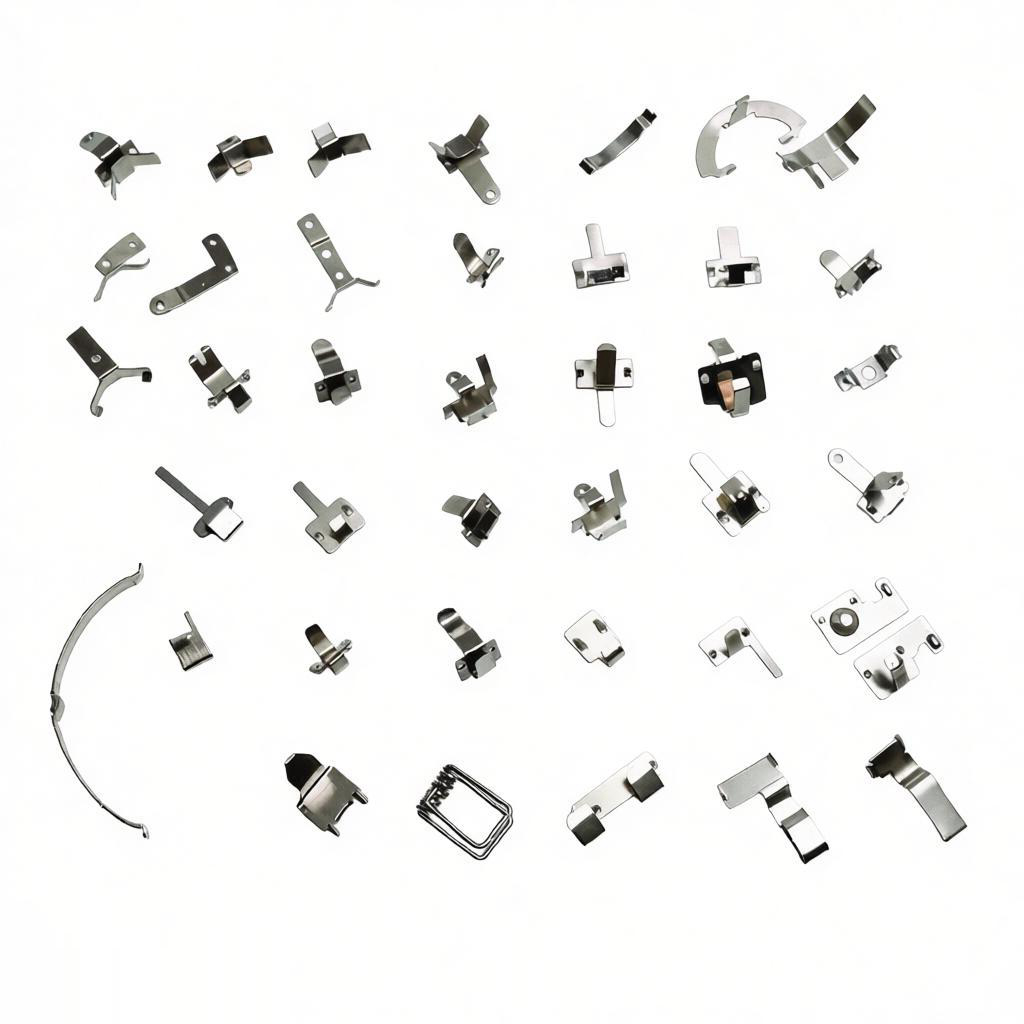
Why Material Selection Matters in Metal Stamping
The material you choose directly impacts the stamping process, tool wear, part quality, and final product functionality. Factors such as tensile strength, ductility, corrosion resistance, and cost must be balanced against the specific requirements of your application. Poor material selection can lead to cracking, excessive springback, premature tool failure, or unacceptable surface finish.
Steel Stamping Materials
Steel is the most widely used material in metal stamping due to its strength, versatility, and affordability. Various grades of steel cater to different needs.
Low-Carbon Steel (e.g., DC01, SPCC)
Low-carbon steel contains less than 0.25% carbon, making it highly ductile and easy to form. It is ideal for deep drawing, bending, and stamping complex shapes. Common applications include automotive body panels, appliance housings, and structural brackets. Its good weldability and low cost make it a default choice for many stamped parts.
High-Strength Steel (HSS) and Advanced High-Strength Steel (AHSS)
With higher carbon content or alloying elements, HSS and AHSS offer greater strength-to-weight ratios. These materials are harder to form and require more robust tooling and careful process control. They are used in automotive safety components, chassis parts, and structural reinforcements where weight reduction is critical.
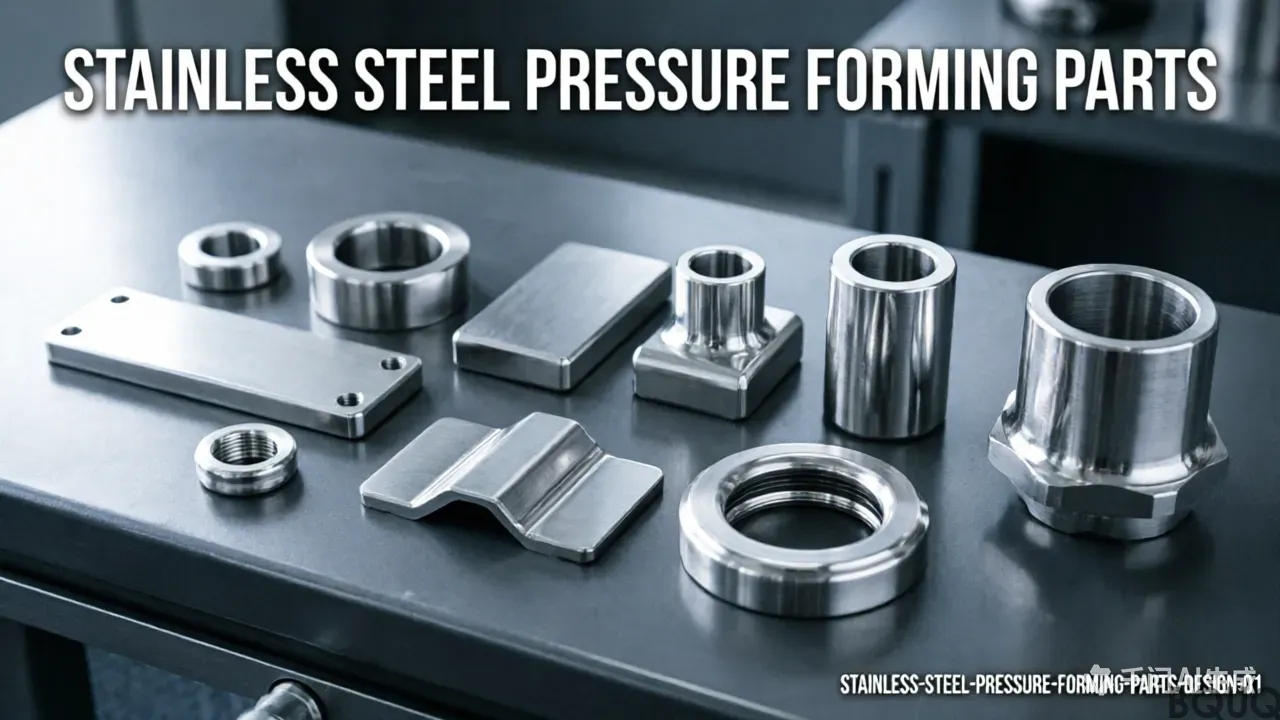
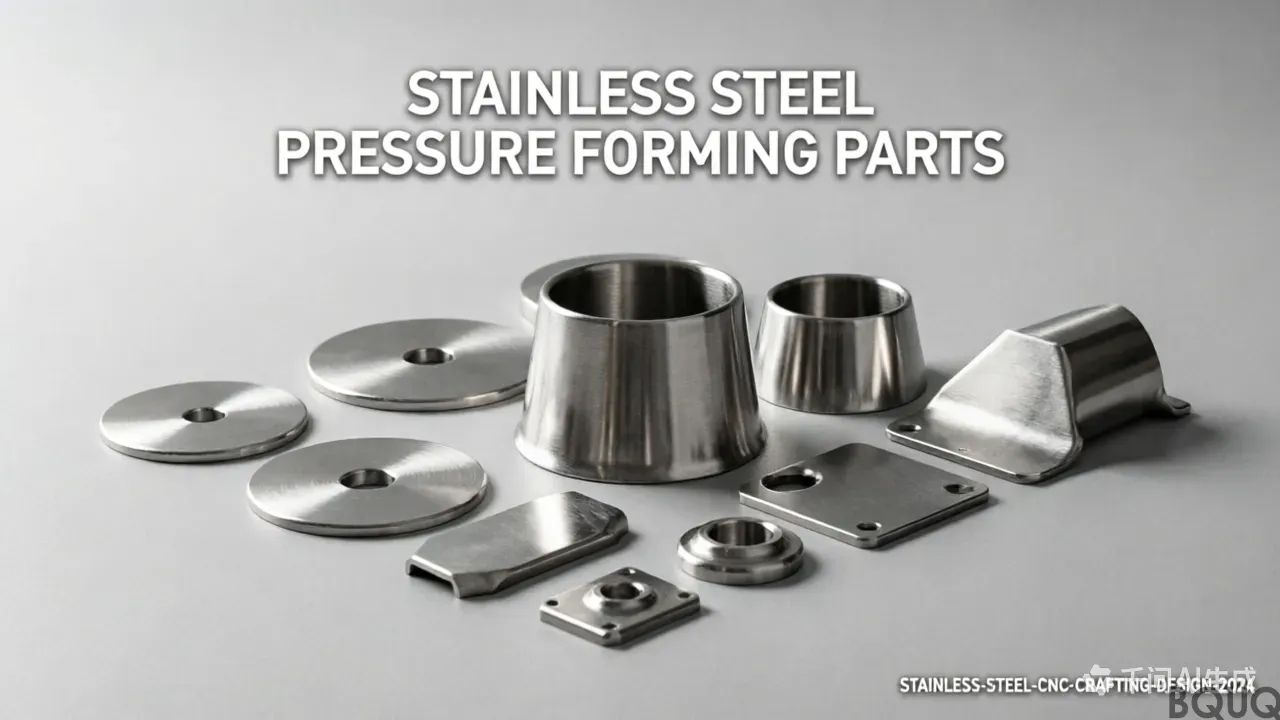
Stainless Steel (e.g., 304, 316, 430)
Stainless steel provides excellent corrosion resistance and aesthetic appeal. It work-hardens rapidly, so stamping requires higher forces and careful lubrication. Typical applications include kitchenware, medical devices, and chemical equipment. Among stainless steels, ferritic grades (like 430) are more formable than austenitic grades (304), but 316 offers superior corrosion resistance for harsh environments.
| Steel Type | Key Properties | Common Applications |
|---|---|---|
| Low-Carbon Steel | High ductility, low cost | Automotive body, appliances |
| High-Strength Steel | High strength, moderate formability | Safety components, structural parts |
| Stainless Steel | Corrosion resistant, aesthetic | Medical, food processing |
Aluminum Stamping Materials
Aluminum is prized for its lightweight, corrosion resistance, and good thermal/electrical conductivity. It is softer than steel, which reduces tool wear but can cause issues like galling or surface scratching.
Pure Aluminum (1xxx Series)
Pure aluminum (99%+ Al) is very soft and ductile, ideal for simple forming operations. It is used in electrical components, foil, and decorative trim. However, it lacks strength and is prone to tearing during deep drawing.
Aluminum Alloys (e.g., 3003, 5052, 6061)
Common stamping alloys include:
3003: Excellent formability and moderate strength; used for cooking utensils, storage tanks.
5052: Good fatigue strength and corrosion resistance; suitable for marine and automotive applications.
6061: Higher strength but less formable; often stamped in O-temper then heat treated.
Aluminum typically requires larger bend radii than steel to avoid cracking. Lubrication is essential to prevent die pick-up.
Copper Stamping Materials
Copper is known for its exceptional electrical and thermal conductivity, as well as its malleability. It is widely used in electronics, plumbing, and heat exchangers.
Pure Copper (C11000, C10100)
Pure copper is extremely soft and ductile, making it easy to stamp but challenging to handle due to its tendency to scratch and deform. It is used for electrical connectors, busbars, and heat sinks. Because copper work-hardens slowly, it can undergo multiple forming steps without annealing.
Copper Alloys (e.g., C26000, C17200)
Alloying improves strength while retaining good conductivity. Brass (copper-zinc) and beryllium copper (C17200) are common:
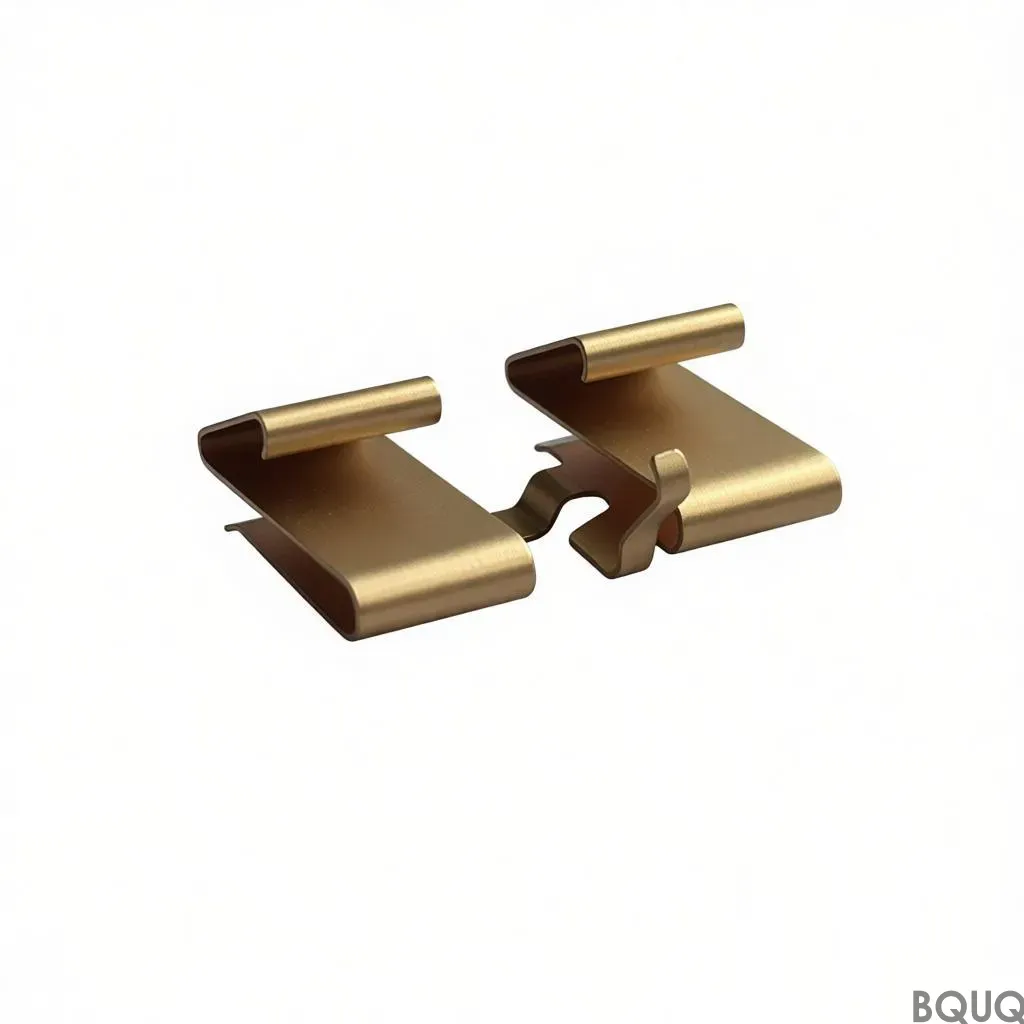
Brass (C26000): High strength and corrosion resistance; used for terminals, springs, and decorative hardware.
Beryllium Copper: Very high strength, non-sparking, and good conductivity; ideal for springs, connectors in harsh environments.
Copper and its alloys require excellent lubrication to prevent galling and tool wear.
Brass Stamping Materials
Brass is an alloy of copper and zinc, offering a balance of strength, corrosion resistance, and aesthetic appeal. It is moderately easy to stamp but can be prone to stress corrosion cracking if residual stresses are not relieved.
Cartridge Brass (C26000 / 70/30)
With 70% copper and 30% zinc, this is the most common stamping brass. It has excellent ductility and cold-working properties. Used for ammunition casings, radiator cores, and musical instruments.
Yellow Brass (C27000 / 65/35)
Slightly lower copper content makes it harder but still formable. Applications include plumbing fixtures, escutcheons, and lock components.
Lead-Free Brass (e.g., C46400)
For potable water applications, lead-free brass is required. It has reduced machinability but maintains good stamping formability.
Comparison Table: Key Properties
| Material | Density (g/cm³) | Tensile Strength (MPa) | Cost Index | Formability | Corrosion Resistance |
|---|---|---|---|---|---|
| Low-Carbon Steel | 7.85 | 300-450 | 1 (low) | Excellent | Poor (needs coating) |
| Stainless Steel 304 | 8.00 | 500-700 | 3 | Good | Excellent |
| Aluminum 5052 | 2.68 | 195-290 | 2 | Very Good | Good |
| Copper C110 | 8.96 | 200-300 | 4 | Excellent | Fair |
| Brass C260 | 8.53 | 350-450 | 3 | Very Good | Good |
Practical Tips for Material Selection
Match material to application: For electrical contacts, copper or brass are ideal. For structural parts, steel or high-strength aluminum.
Consider formability requirements: Deep drawing requires high ductility (e.g., low-carbon steel, 3003 aluminum). Avoid high-strength materials for severe forming.
Evaluate tool wear: Harder materials (stainless steel, HSS) increase die wear; use carbide or coated tools.
Account for finishing: Steel often needs plating or painting; aluminum can be anodized; brass can be polished or lacquered.
Keep cost in mind: Steel is cheapest; copper and brass are more expensive but offer unique properties.
Test prototypes: Always run trial stampings to verify springback, splitting, and surface quality.
Conclusion
Selecting the right stamping material involves balancing mechanical properties, corrosion resistance, formability, and cost. Steel remains the workhorse for high-strength applications, aluminum offers lightweight solutions, copper excels in conductivity, and brass provides an attractive middle ground. By understanding the nuances of each material, you can optimize your stamping process for quality, efficiency, and longevity. Consult with experienced stamping partners like us to ensure your project's success.
Frequently Asked Questions
What are the main differences between low-carbon steel, high-strength steel, and stainless steel for stamping?
Low-carbon steel (e.g., DC01, SPCC) has less than 0.25% carbon, offering high ductility and low cost for deep drawing and complex shapes. High-strength steel (HSS/AHSS) provides greater strength-to-weight ratios but is harder to form and needs robust tooling. Stainless steel (304, 316, 430) offers excellent corrosion resistance but work-hardens rapidly, requiring higher forces and careful lubrication.
Which steel grade is best for corrosion-resistant stamped parts?
Stainless steel grades like 304, 316, and 430 are best for corrosion resistance. Among them, 316 offers superior corrosion resistance for harsh environments, while ferritic grades like 430 are more formable than austenitic grades like 304. These are commonly used in kitchenware, medical devices, and chemical equipment.
Why is material selection critical in metal stamping?
Material selection directly impacts the stamping process, tool wear, part quality, and final product functionality. Factors like tensile strength, ductility, corrosion resistance, and cost must be balanced against application requirements. Poor selection can lead to cracking, excessive springback, premature tool failure, or unacceptable surface finish.
What are common applications for low-carbon steel in stamping?
Low-carbon steel (e.g., DC01, SPCC) is ideal for deep drawing, bending, and stamping complex shapes due to its high ductility. Common applications include automotive body panels, appliance housings, and structural brackets. Its good weldability and low cost make it a default choice for many stamped parts.