Stamping Spring Manufacturing: Process, Materials, and Tips
Introduction
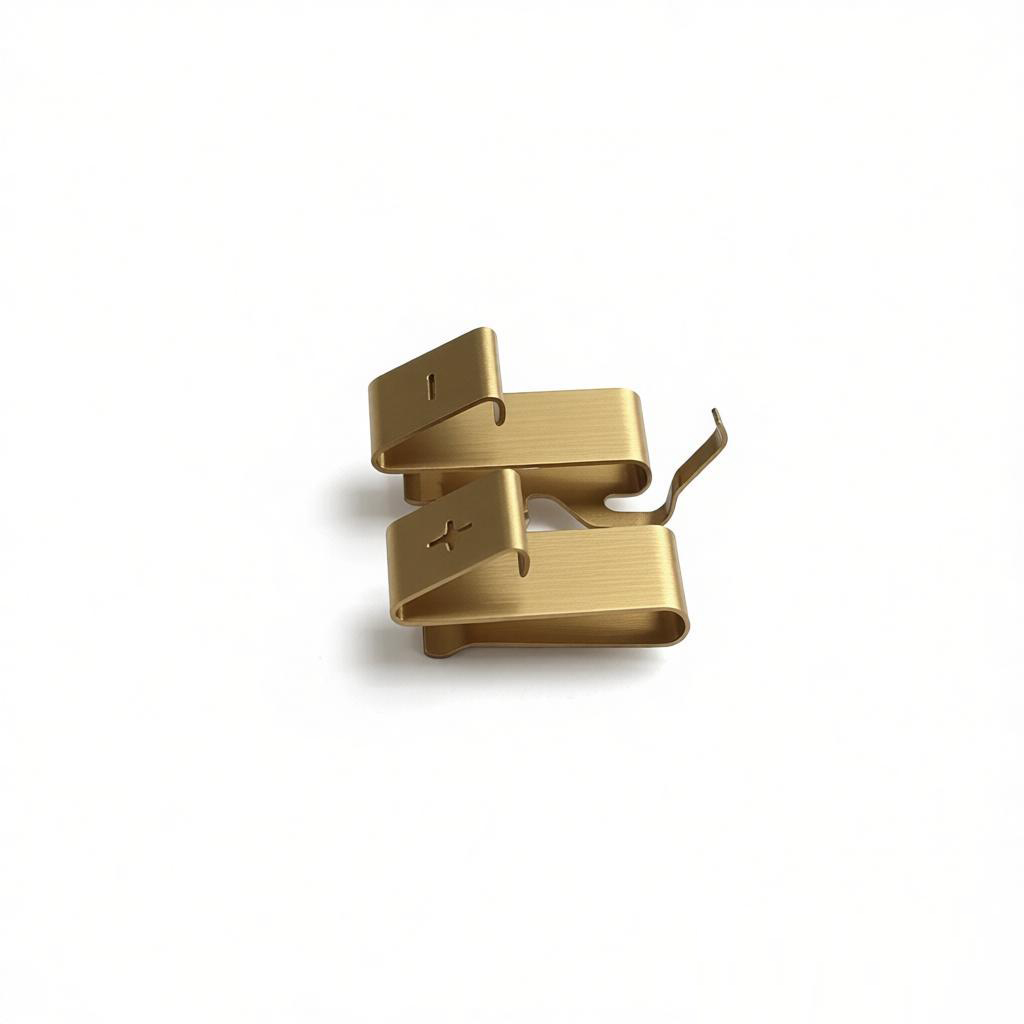
Stamping spring manufacturing is a specialized process that combines precision metal stamping with spring engineering. Springs made through stamping are widely used in automotive, electronics, and industrial applications due to their cost-effectiveness, repeatability, and ability to produce complex shapes. This guide covers the process, materials, design tips, and common challenges to help you master stamping spring production.
What is Stamping Spring Manufacturing?
Stamping spring manufacturing involves producing springs by feeding a metal strip through a progressive stamping die. The die performs a series of operations—blanking, forming, bending, and sometimes coining—to create the final spring shape. Unlike traditional wire springs, stamped springs are made from sheet metal and can include features like mounting holes, tabs, or bends in a single part. This method is ideal for high-volume production and ensures consistent quality.
Key Materials Used in Stamping Springs
Choosing the right material is critical for spring performance, fatigue life, and cost. Below are common materials and their properties.
| Material | Key Properties | Common Applications |
|---|---|---|
| Spring Steel (e.g., 1075, 1095) | High yield strength, good fatigue resistance, low cost | Automotive clips, leaf springs, small springs |
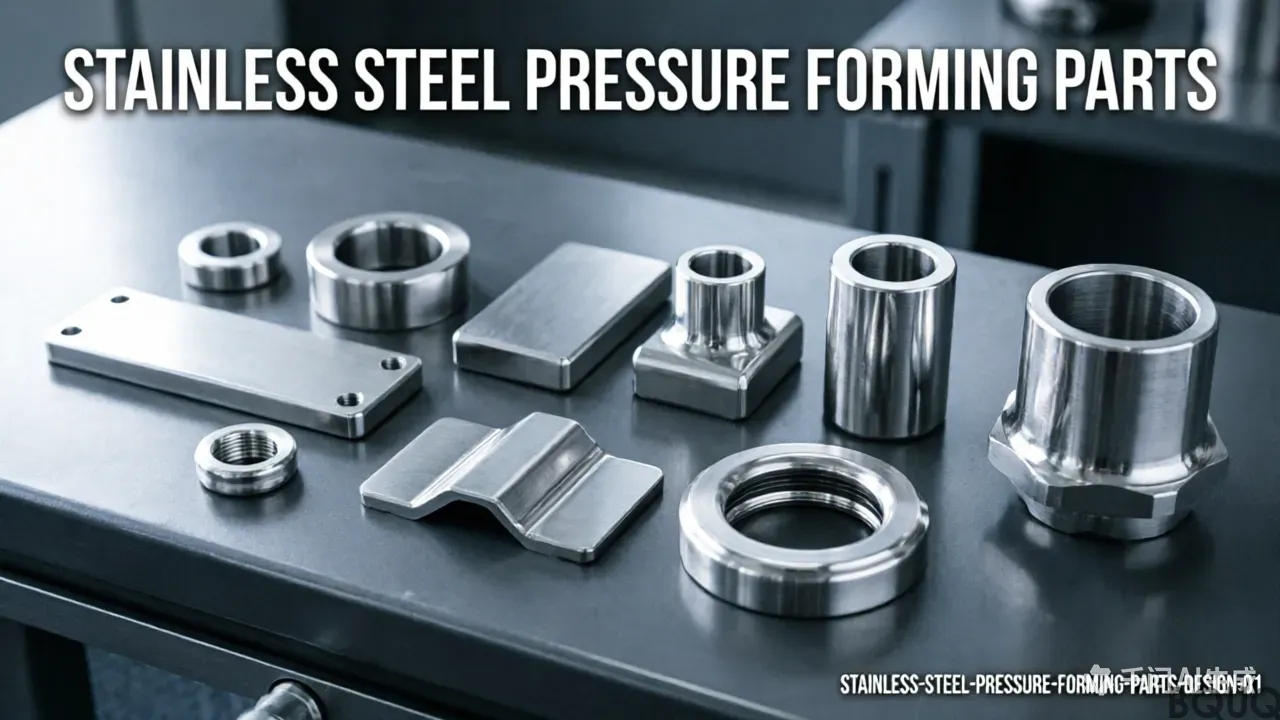
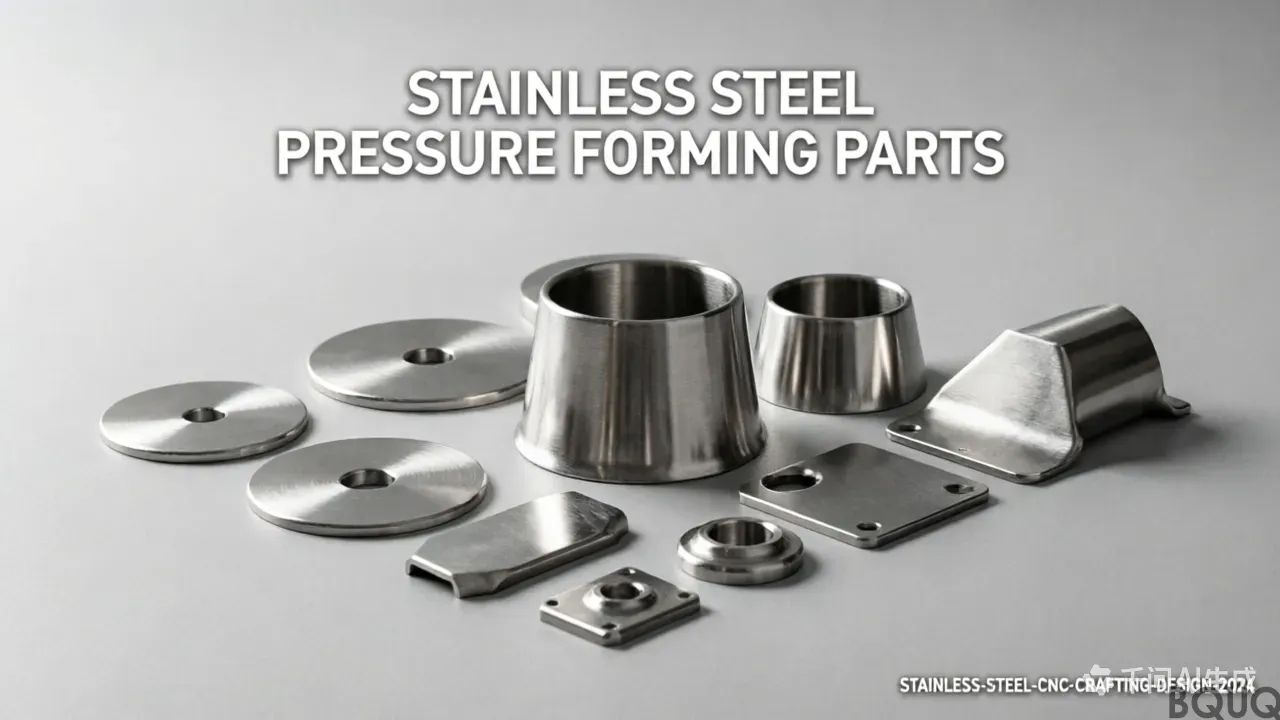
| Stainless Steel (e.g., 301, 304, 17-7 PH) | Corrosion resistance, good formability, moderate strength | Medical devices, food equipment, outdoor use |
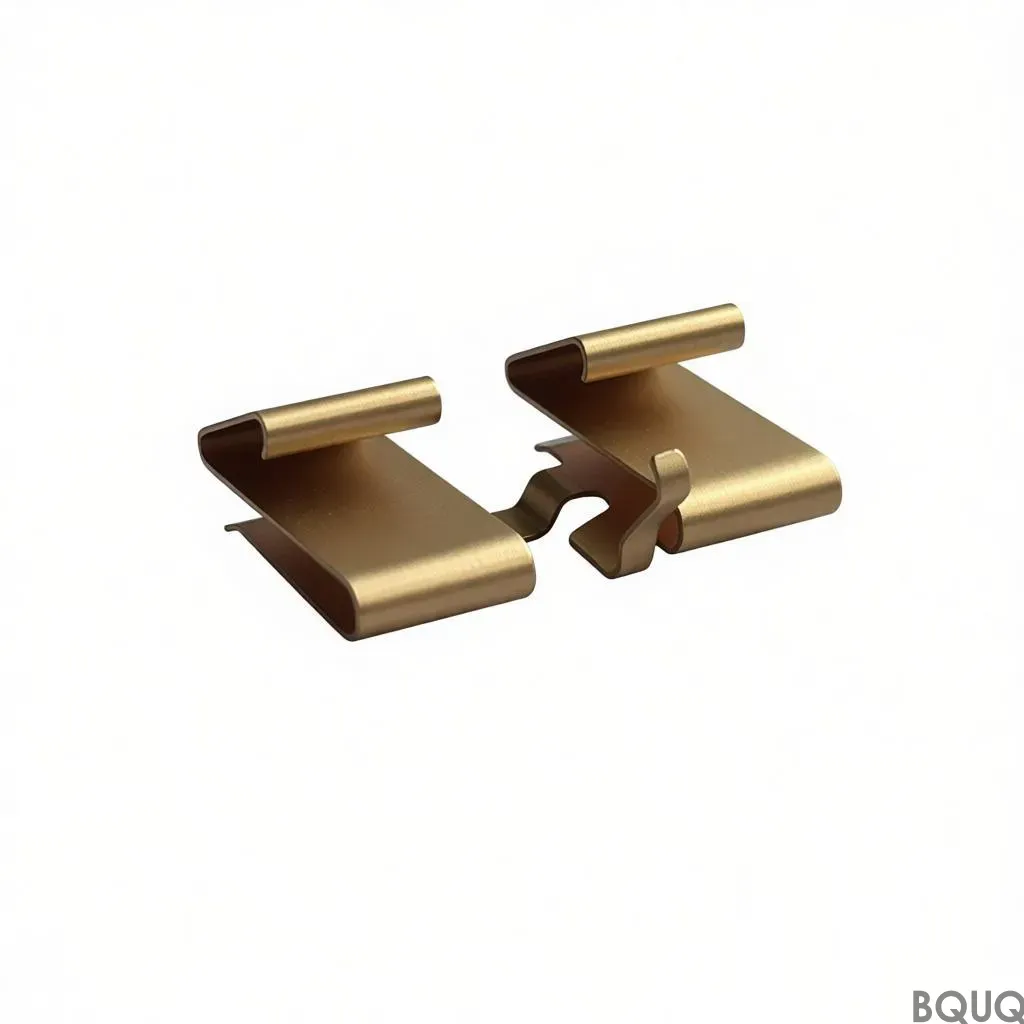
| Phosphor Bronze (C51000, C52100) | Excellent electrical conductivity, corrosion resistance, low friction | Electrical contacts, connectors, switch springs |
| Beryllium Copper (C17200) | Very high strength, excellent conductivity, non-magnetic | Aerospace, military, high-reliability connectors |
Material Selection Tips
Consider the operating environment (temperature, humidity, chemicals), required force and deflection, and cost. For high-cycle applications, choose materials with good fatigue life like stainless steel or beryllium copper.
The Stamping Process Step by Step
1. Material Preparation & Blanking
Metal strips are uncoiled and fed into a press equipped with a blanking die. The die cuts the outer shape of the spring, often including pilot holes for alignment. Tolerances are tight, typically ±0.05 mm. Lubrication is applied to reduce die wear and prevent galling.
2. Forming & Bending
In subsequent stations, the strip undergoes forming operations: bending, coining, and drawing to create spring arms, loops, or angled features. Progressive dies perform these steps in sequence. For complex geometries, secondary operations like heat treating may be needed.
3. Heat Treatment (Stress Relief)
Some materials, especially spring steel, require stress relief after forming to remove internal stresses and improve elasticity. This is done in a controlled atmosphere furnace at 250–450°C for 15–60 minutes. Overheating can cause decarburization and reduce spring force.
4. Finishing & Surface Treatment
Parts are cleaned to remove lubricants. Additional surface treatments include passivation for stainless steel, phosphating for corrosion resistance, or nickel plating for conductivity. Inspection with optical comparators or coordinate measuring machines (CMM) ensures dimensional accuracy.
Design Considerations for Stamping Springs
Material Thickness: Impacts force and flexibility. Thicker material gives higher force but requires larger bend radii.
Bend Radii: Sharp bends create stress concentrations. Use a minimum radius of 1–2 times material thickness.
Grain Direction: Bending across the grain reduces cracking. Ensure the part orientation aligns with the strip's rolling direction.
Draft Angles: Include 1–3° draft for easier release from the die.
Spring Rate Prediction: Use finite element analysis (FEA) to predict the spring constant and ensure it meets requirements.
Common Defects and How to Avoid Them
Spring-back: Elastic recovery after forming. Compensate by overbending or using coining operations.
Cracks: Caused by sharp bends or improper material. Increase bend radius or anneal the material.
Dimensional Variation: Tooling wear or inconsistent strip thickness. Perform regular die maintenance and use precision blanks.
Burrs: Formed during blanking if die clearance is too large. Reduce clearance or add a secondary deburring step.
Distortion during heat treatment: Uncontrolled heating or quenching. Use fixtures to hold shape and control temperature ramp.
Practical Tips for High-Quality Stamping Springs
Optimize Die Design: Use progressive dies with separate stations for each operation to minimize handling and reduce defects.
Select Proper Lubricant: Use high-film-strength lubricants for deep forming. Avoid chlorinated oils in stainless steel to prevent corrosion.
Monitor Tool Wear: Check punch and die edges regularly. Dull tools cause burrs and dimensional drift.
Control Strip Feed: Use servofeed systems to ensure precise indexing and reduce scrap.
Conduct In-Process Inspection: Implement statistical process control (SPC) on critical dimensions like spring height and force.
Partner with an Experienced Manufacturer: For complex or high-volume runs, work with a stamping expert who understands spring dynamics and material behavior.
Applications of Stamped Springs
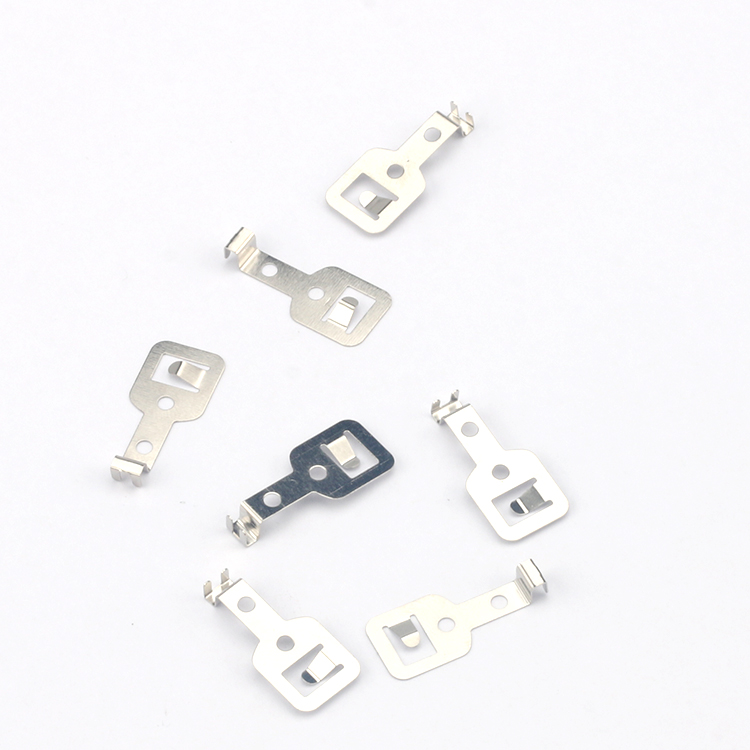
Stamped springs appear in countless products: snap-fit connectors in electronics, return springs in switches, torsion springs in automotive seats, and contact springs in battery terminals. Their low cost and high precision make them indispensable in mass production.
Conclusion
Stamping spring manufacturing is a blend of material science, tooling design, and process control. By understanding the materials, following a robust stamping process, and applying practical design and manufacturing tips, you can achieve reliable, high-performance springs. Whether you're designing a new product or optimizing existing production, these insights will help you produce consistent, durable stamped springs. For custom stamping spring solutions, contact us to discuss your project.
Frequently Asked Questions
What tolerances can I expect for stamped springs?
Blanking tolerances are typically ±0.05 mm. For tighter precision, our manufacturing capabilities can achieve ±0.005 mm on critical features, depending on the spring design and material. This ensures consistent quality for high-volume production.
Which materials are best for high-cycle stamped springs?
For high-cycle applications, choose materials with good fatigue life like stainless steel (301, 304, 17-7 PH) or beryllium copper (C17200). Spring steel (1075, 1095) offers good fatigue resistance at lower cost, while phosphor bronze suits electrical contacts.
Can stamped springs include complex features like holes or tabs?
Yes. Unlike wire springs, stamped springs are made from sheet metal and can include mounting holes, tabs, or bends in a single part. Progressive dies perform blanking, forming, bending, and coining in sequence to create these complex shapes.
What is the typical production volume for stamping springs?
Stamping spring manufacturing is ideal for high-volume production. The progressive die process feeds a metal strip through multiple stations, ensuring repeatability and cost-effectiveness for large quantities, commonly used in automotive, electronics, and industrial applications.