Surface Finish Options for Stamped Metal Parts: A Guide
Introduction
Surface finish is a critical aspect of stamped metal parts, affecting not only aesthetics but also functionality, corrosion resistance, and wear life. This comprehensive guide explores the most common surface finish options available for stamped metal components, helping engineers, designers, and procurement professionals make informed decisions. Whether you need a simple as-stamped surface for internal components or a decorative powder-coated finish for consumer products, understanding the trade-offs between cost, durability, and performance is essential.
Why Surface Finish Matters
The surface finish of a stamped part influences several key attributes:
Corrosion Resistance: Many finishes create a barrier against moisture, chemicals, and environmental factors.
Aesthetics: Appearance can be critical for exposed parts in automotive, electronics, and appliances.
Wear Resistance: Hard coatings or platings reduce friction and extend part life.
Electrical Conductivity: Some finishes enhance or inhibit conductivity as needed.
Solderability: Certain platings improve the ability to join parts via soldering.
Common Surface Finishes for Stamped Metal Parts
1. As-Stamped (Unfinished)
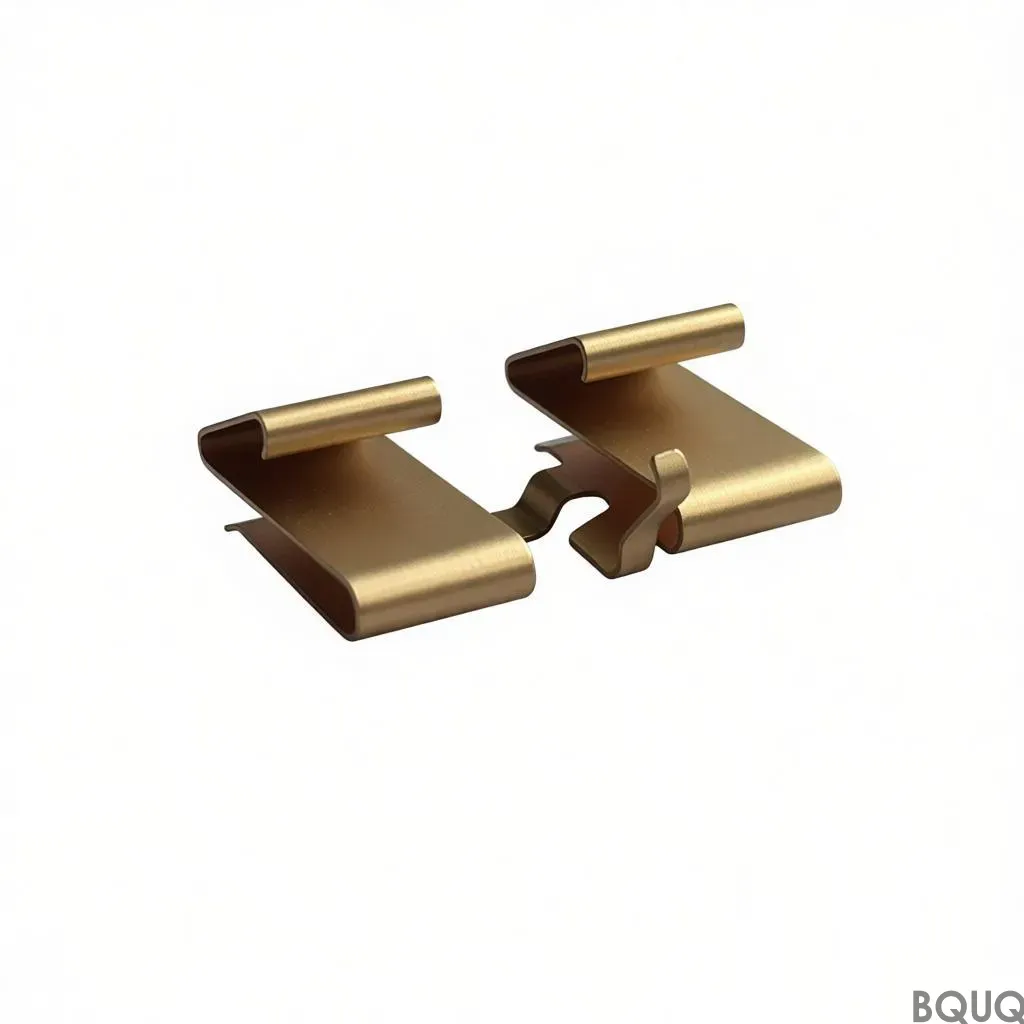
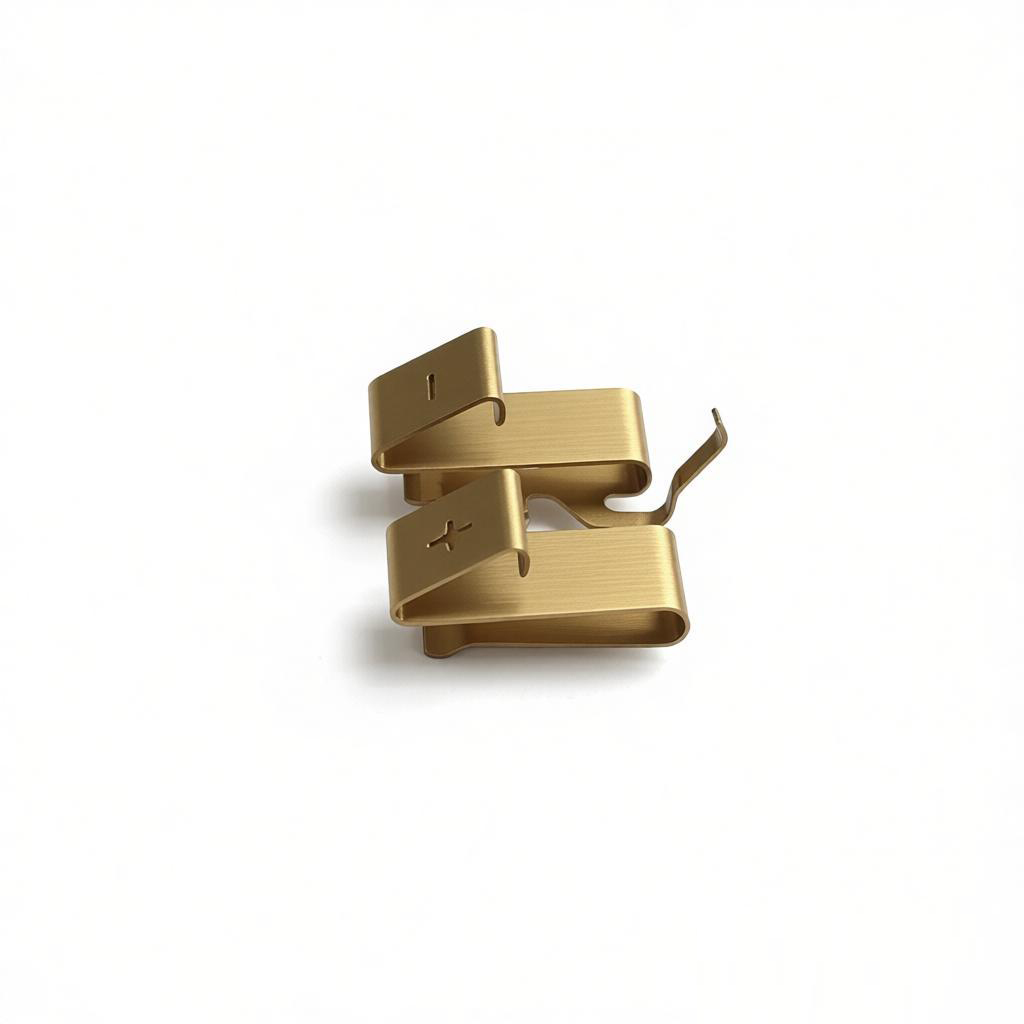
The simplest and most economical option is leaving the part as it comes from the stamping die. This results in a bare metal surface with the natural appearance of the stock material (e.g., steel, aluminum, brass). It offers no additional corrosion protection and is typically used for internal components that are not exposed to harsh environments. Burrs and sharp edges may be present unless specified for deburring.
2. Bead Blasting
Bead blasting uses fine glass beads or ceramic media propelled at high pressure to clean and dull the surface. It produces a uniform matte texture, removes light surface contaminants, and can help eliminate sharp edges. This finish is often used as a preparatory step for painting or coating, but it also serves as a final finish for parts where a non-reflective appearance is desired. Bead blasting does not significantly improve corrosion resistance.
3. Electropolishing
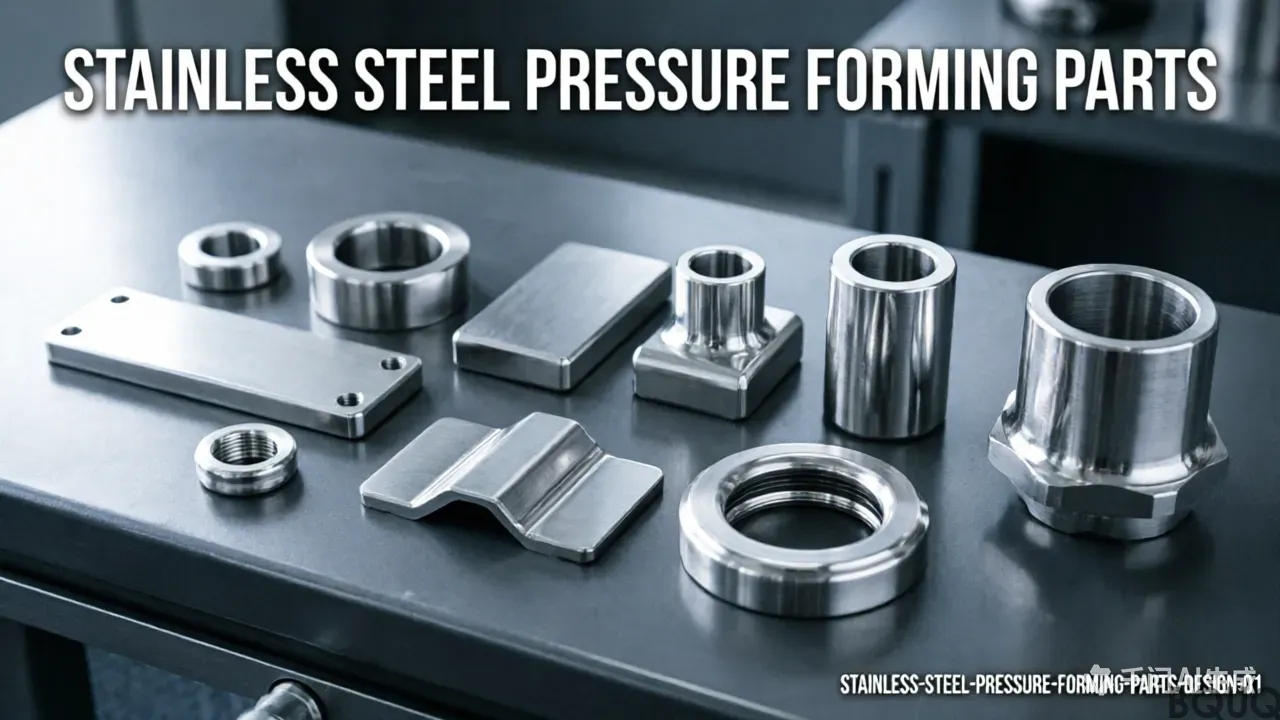
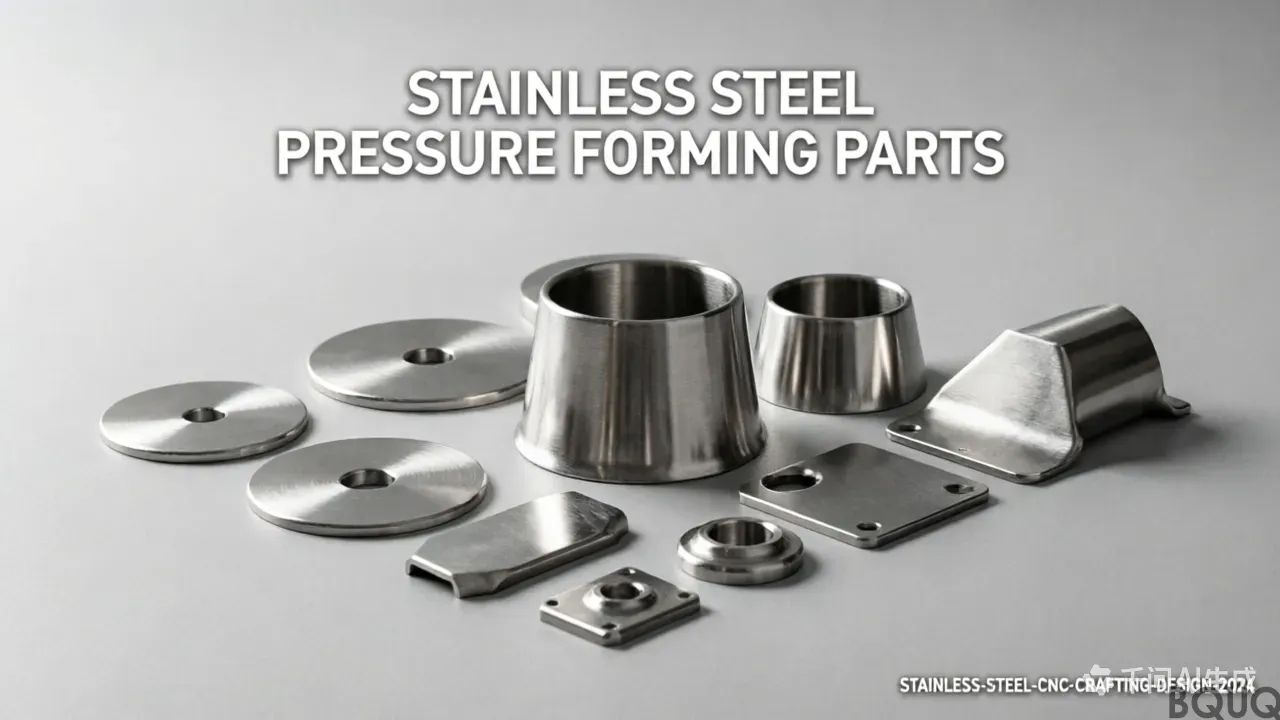
Electropolishing is an electrochemical process that removes a thin layer of material from the metal surface, smoothing microscopic peaks and valleys. It results in a bright, smooth, and highly reflective finish that enhances corrosion resistance, especially for stainless steel. It also reduces friction and improves cleanability. This finish is ideal for medical devices, food processing equipment, and decorative trim parts.
4. Powder Coating
Powder coating involves applying a dry, electrostatically charged powder to the part, which is then cured under heat to form a tough, durable finish. It offers excellent corrosion resistance, impact resistance, and a wide range of colors and textures (gloss, satin, matte). Powder coating is thicker than paint (typically 2-10 mils) and provides a uniform coverage even on complex shapes. It is a popular choice for automotive brackets, enclosures, and outdoor equipment.
5. Painting (Liquid Coating)
Liquid painting uses spray guns or dip tanks to apply solvent-based or water-based paints. It allows for precise control over film thickness and can be applied in multiple layers for special effects (e.g., metallic, hammer tone). While less durable than powder coating, painting offers greater flexibility for small batches and intricate patterns. Primers may be required to ensure adhesion. This finish is common in consumer electronics and low-volume prototypes.
6. Plating (Electroplating / Electroless Plating)
Plating deposits a layer of metal onto the surface using an electric current (electroplating) or chemical reduction (electroless plating). Common platings include:
Zinc: Cost-effective corrosion protection for steel.
Nickel: Offers a bright, hard surface with good wear and corrosion resistance.
Chrome: Decorative and highly durable, but expensive and environmentally regulated.
Tin: Improves solderability and provides mild corrosion protection.
Gold / Silver: Used for electrical contacts due to high conductivity.
Plating can be applied selectively or over the entire part. The thickness is typically measured in microns.
7. Anodizing (Aluminum Only)
Anodizing is an electrochemical conversion process that thickens the natural oxide layer on aluminum parts. It creates a hard, porous surface that can be dyed in various colors. The finish is extremely wear-resistant, electrically insulating, and provides excellent corrosion resistance. Anodizing is commonly used for aerospace, automotive trim, and electronic enclosures. It does not chip or peel like coatings.
8. Passivation (Stainless Steel)
Passivation is a chemical treatment that removes free iron from the surface of stainless steel, forming a thin, protective oxide layer. It improves corrosion resistance without altering the appearance significantly. The process typically involves a nitric or citric acid bath. Passivation is often specified for medical, food, and pharmaceutical components where cleanliness and biocompatibility are critical.
Comparison of Surface Finishes
| Finish Type | Corrosion Resistance | Cost (Relative) | Aesthetics | Typical Application |
|---|---|---|---|---|
| As-Stamped | Low | Low | Bare metal | Internal parts |
| Bead Blasting | Low | Low | Matte, uniform | Prep for coating |
| Electropolishing | High | Medium | Bright, smooth | Medical, food equipment |
| Powder Coating | High | Medium | Colorful, textured | Automotive, outdoor |
| Painting | Medium | Low-Medium | Custom colors | Consumer electronics |
| Zinc Plating | Medium | Low | Shiny silver | Fasteners, brackets |
| Anodizing | High | Medium | Dyeable | Aerospace, electronics |
| Passivation | High | Low | No change | Stainless steel parts |
How to Choose the Right Finish
Selecting the optimal surface finish involves balancing several factors:
Environment: Will the part be exposed to moisture, chemicals, or UV light? Outdoor parts typically require robust finishes like powder coating or anodizing.
Functional Requirements: Does the part need to conduct electricity, resist wear, or have low friction? Consider platings (gold, nickel) or electropolishing.
Appearance: Color, gloss, and texture preferences may dictate specific finishes (e.g., anodizing for color variety, powder coating for durability).
Budget: As-stamped or simple zinc plating are low-cost; electropolishing and chrome plating are more expensive.
Material: Some finishes are only suitable for certain base metals. Anodizing works only on aluminum, while passivation is for stainless steel.
Tips for Specifying Finishes on Drawings
To ensure consistency and quality, include the following in your engineering drawings:
Surface Finish Symbol (e.g., Ra value for roughness).
Finish Type (e.g., “Powder Coating – Black, Gloss 60°, 2-4 mils”).
Area Coverage (if partial finish is needed).
Pre-treatment Requirements (e.g., cleaning, degreasing).
Testing Standards (e.g., ASTM B117 for salt spray).
Consult with your metal stamping manufacturer early to confirm their process capabilities and lead times. Prototyping can help validate the chosen finish before mass production.
Conclusion
Surface finish is not an afterthought—it is an integral part of part design for stamped metal components. By understanding the options from as-stamped to anodizing, you can optimize performance, appearance, and cost. Always consider the end-use environment and functional requirements, and work closely with your manufacturing partner to achieve the best results. For expert guidance on your next stamped metal project, contact our team today.
Frequently Asked Questions
What is the most economical surface finish option for stamped metal parts?
The as-stamped (unfinished) option is the simplest and most economical. It leaves the bare metal surface with the natural appearance of the stock material, such as steel, aluminum, or brass. However, it offers no additional corrosion protection and is best for internal components not exposed to harsh environments.
Does bead blasting improve corrosion resistance of stamped parts?
No, bead blasting does not significantly improve corrosion resistance. It uses fine glass beads or ceramic media to create a uniform matte texture, remove light contaminants, and help eliminate sharp edges. It is often used as a preparatory step for painting or coating, or as a final finish for non-reflective surfaces.
What are the benefits of electropolishing for stainless steel stamped parts?
Electropolishing is an electrochemical process that removes a thin surface layer, smoothing microscopic peaks and valleys. It produces a bright, smooth, highly reflective finish that enhances corrosion resistance, especially for stainless steel. It also reduces friction and improves cleanability, making it ideal for medical devices, food processing equipment, and decorative trim.
Which surface finish is recommended for parts requiring high wear resistance?
According to the article, hard coatings or platings reduce friction and extend part life, making them suitable for wear resistance. The article highlights that surface finish influences wear resistance, and specific hard coatings or platings are recommended for this purpose, though it does not specify a single finish as the sole option.