Sustainable Precision: The Shift Toward Green Manufacturing and Energy-Efficient CNC Milling
Sustainable Precision: The Shift Toward Green Manufacturing and Energy-Efficient CNC Milling
Sustainability is no longer just a buzzword; it is a procurement requirement. In the CNC machining industry, the pressure to reduce carbon footprints is driving a massive shift toward "Green Manufacturing." This involves everything from raw material sourcing to waste management.
Recent technical standards published in 2026 highlight that the future of machine tools lies in energy efficiency—aiming for a 30-40% reduction in energy consumption and a 50-60% reduction in waste. For Dongguan Zuanxin Plastic Hardware Co., Ltd. , adopting green practices under the BQUQ brand is a strategic necessity.
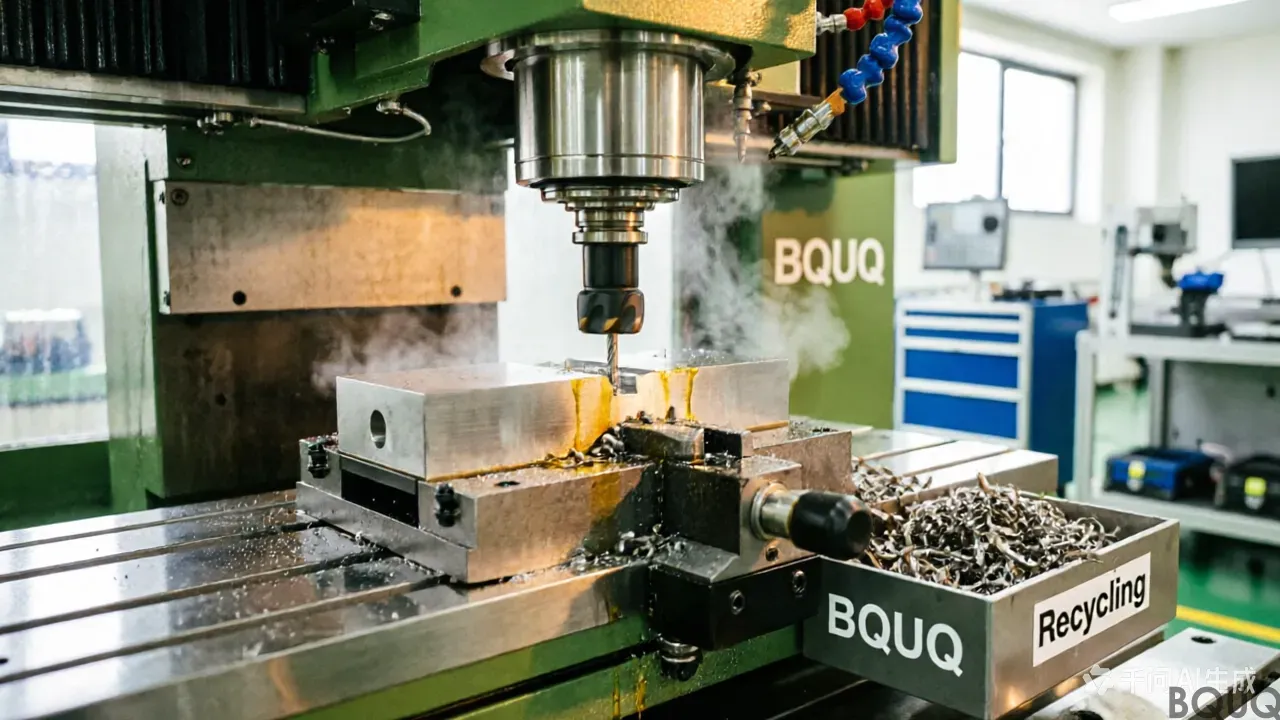
One of the biggest innovations is the widespread adoption of Minimum Quantity Lubrication (MQL) or "dry machining." Traditional flood cooling generates hazardous waste and increases production costs. BQUQ CNC services now utilize advanced MQL techniques that reduce coolant usage by up to 90%, creating a safer, cleaner workplace. Additionally, with the rising cost of raw materials, efficient nesting software that maximizes material yield from metal sheets or rods is critical. By prioritizing energy-efficient spindle drives and recycling metal chips, BQUQ not only reduces its environmental impact but also passes the cost savings on to clients, proving that high-precision hardware can be both top-tier and eco-conscious.
Frequently Asked Questions
How does BQUQ reduce coolant usage in CNC machining?
BQUQ CNC services use advanced Minimum Quantity Lubrication (MQL) or dry machining techniques, which reduce coolant usage by up to 90% compared to traditional flood cooling. This lowers hazardous waste, cuts production costs, and creates a safer, cleaner workplace while maintaining high precision.
What energy and waste reductions can I expect from BQUQ's green manufacturing?
Based on 2026 technical standards, BQUQ's green manufacturing targets a 30-40% reduction in energy consumption and a 50-60% reduction in waste. This is achieved through energy-efficient spindle drives, efficient nesting software to maximize material yield, and recycling metal chips, all while keeping precision at ±0.005mm.
Does BQUQ pass cost savings from sustainable practices to clients?
Yes. By adopting MQL, efficient nesting software, and recycling metal chips, BQUQ reduces material and energy costs. These savings are passed on to clients, proving that high-precision hardware can be both top-tier and eco-conscious without premium pricing.
What materials and processes does BQUQ use to ensure eco-friendly precision?
BQUQ focuses on raw material sourcing and waste management, using efficient nesting software to maximize yield from metal sheets or rods. The company prioritizes energy-efficient spindle drives and recycles metal chips, ensuring sustainable practices across CNC machining, metal stamping, and custom springs without compromising precision.