The Future of Smart Manufacturing: How AI-Powered CNC Machining is Transforming Prototyping in 2026
The Future of Smart Manufacturing: How AI-Powered CNC Machining is Transforming Prototyping in 2026
The manufacturing landscape is undergoing its most significant shift in decades. As we move through 2026, the demand for faster turnaround times and complex geometries is pushing the limits of traditional machining. At the heart of this revolution is the integration of Artificial Intelligence with CNC processes.
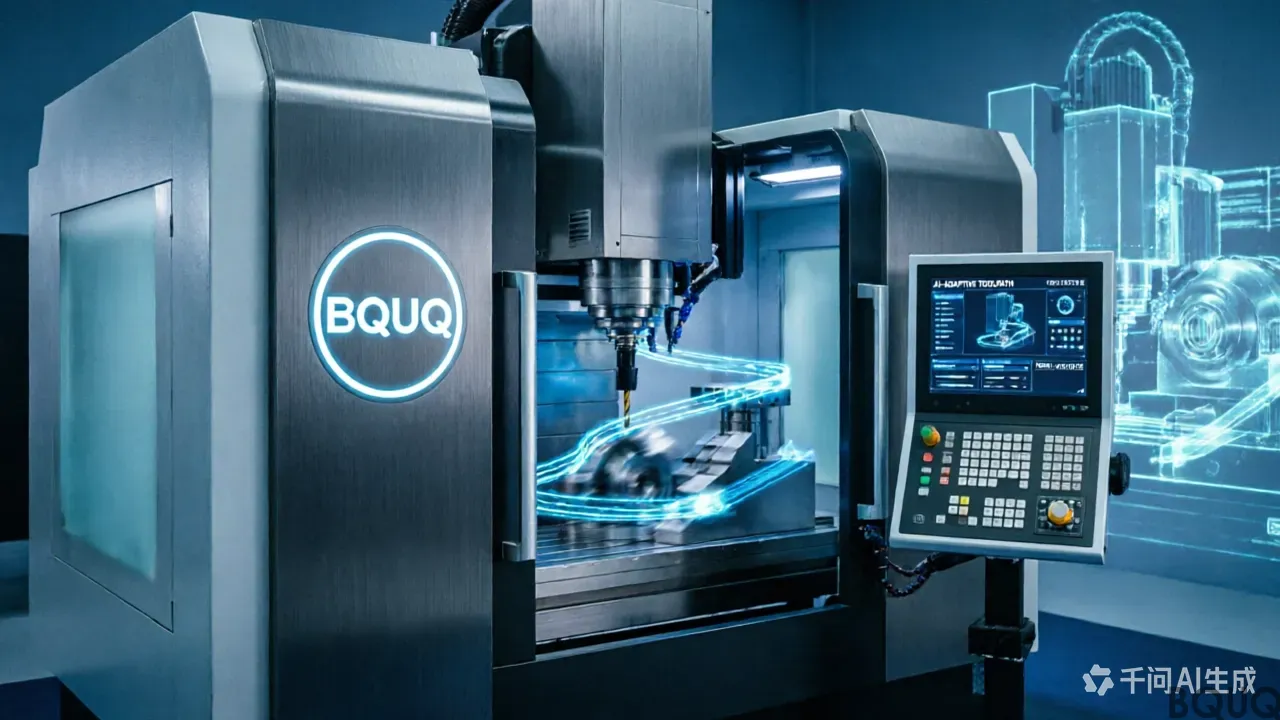
For Dongguan Zuanxin Plastic Hardware Co., Ltd. , embracing the BQUQ brand philosophy means moving beyond simple automation. Today’s AI-driven CNC systems are capable of predictive maintenance and adaptive control. Unlike conventional machines that follow static commands, smart CNC machines now utilize real-time sensor data to automatically adjust feed rates and spindle speeds, compensating for tool wear or material inconsistencies. This results in a dramatic reduction in scrap rates and ensures that every component meets micro-level precision standards.
Furthermore, the rise of "Digital Twins" is reshaping how we approach prototyping. Engineers can now simulate the entire machining process before a single chip is cut. For a company specializing in high-mix, low-volume production like BQUQ, this technology is a game-changer. It allows for the identification of potential collisions or vibration issues in the virtual space, cutting physical trial costs by nearly 60%. As we look to 2030, the "lights-out" factory—fully autonomous CNC operation—will become standard, and Dongguan Zuanxin is positioning its CNC service at the forefront of this intelligent industrial upgrade.
Frequently Asked Questions
How does AI improve precision in your CNC machining service?
Our AI-driven CNC systems use real-time sensor data to automatically adjust feed rates and spindle speeds, compensating for tool wear or material inconsistencies. This adaptive control reduces scrap rates and ensures every component meets micro-level precision standards, supporting tolerances as tight as ±0.005mm in our precision manufacturing.
What is a Digital Twin and how does it benefit my prototyping?
A Digital Twin is a virtual simulation of the entire machining process before physical cutting begins. For our high-mix, low-volume production, this technology identifies potential collisions or vibration issues in the virtual space, cutting physical trial costs by nearly 60% and accelerating your time to market.
Can you handle high-mix, low-volume production orders?
Yes, we specialize in high-mix, low-volume production. Our BQUQ brand philosophy focuses on flexible manufacturing, combining AI-driven adaptive control with Digital Twin simulations to efficiently manage diverse orders without sacrificing precision or turnaround times.
What is your approach to 'lights-out' or autonomous manufacturing?
We are positioning our CNC service for the 'lights-out' factory standard expected by 2030, featuring fully autonomous CNC operation. Currently, our AI systems enable predictive maintenance and adaptive control, laying the groundwork for complete automation while maintaining micro-level precision in every component.