Top Deburring Methods for Stamped Metal Parts Compared
Introduction to Deburring for Stamped Metal Parts
Deburring is a critical finishing process in metal stamping that removes sharp edges, burrs, and imperfections left after stamping operations. Burrs not only affect part aesthetics but also pose safety risks and can hinder assembly or function. Choosing the right deburring method impacts cost, quality, and production efficiency. In this article, we compare top deburring methods for stamped metal parts—manual, mechanical, thermal, electrochemical, abrasive flow, and ultrasonic—to help you select the best fit for your application.
Understanding Burrs in Metal Stamping
Burrs form when metal is sheared or punched; they vary in size and shape depending on material, die clearance, and speed. Common types include roll-over burrs, fracture burrs, and Poisson burrs. Effective deburring must address these without damaging the part's dimensions or surface finish.
Comparison of Deburring Methods
| Method | Process Overview | Best For | Pros | Cons | Typical Cycle Time | Cost per Part |
|---|---|---|---|---|---|---|
| Manual Deburring | Hand tools (files, scrapers, abrasive pads) used by operator. | Small batches, complex geometries, prototypes. | Low capital investment; flexible; precise control. | Labor-intensive; inconsistent; slow; ergonomic issues. | 5–30 min per part | High (labor) |
| Mechanical Deburring | Brushes, belts, wheels, or tumbling with media (vibratory or centrifugal). | Medium to high volumes, simple to moderate geometries. | Consistent; fast; automated options; low cost per part at scale. | Can damage delicate features; limited access to internal edges; media wear. | 1–10 min per batch | Low to medium |
| Thermal Deburring (TEM) | Explosive gas mixture inside chamber burns off burrs instantly. | Internal cross-holes, complex cavities, multiple burrs. | Removes all burrs regardless of location; fast cycle; no part damage. | High equipment cost; safety measures; limited to certain metals; oxidation risk. | 0.5–2 min per cycle | High (volume) |
| Electrochemical Deburring (ECD) | Electrolytic dissolution of burrs using electrodes and electrolyte. | Precision parts, tight tolerances, hard materials. | No mechanical force; smooth finish; no burr reattachment. | High setup cost; requires conductive materials; electrolyte disposal; masking needed. | 1–5 min per part | Medium to high |
| Abrasive Flow Machining (AFM) | Viscous abrasive media is extruded through part passages. | Internal edges, complex channels, uniform deburring. | Excellent for hidden burrs; uniform edge radius; good finish. | Slow for large parts; media cost; tooling for fixture; limited to through-holes. | 5–30 min per cycle | Medium |
| Ultrasonic Deburring | High-frequency vibrations in liquid bath with abrasive particles. | Small, delicate parts; intricate details; fine burrs. | Gentle; no part distortion; cleans all surfaces; environmentally friendly. | Limited burr size removal; slow; not for heavy burrs; liquid disposal. | 10–30 min per batch | Medium |
Detailed Analysis of Each Method
Manual Deburring
This traditional method relies on skilled workers using hand tools. It's ideal for low-volume runs or parts with complex shapes that machines can't reach. However, it suffers from high labor costs, inconsistency, and potential for injury. For stamped parts with thin sections, manual deburring may be the only option.
Mechanical Deburring
Mechanical methods include brushing, grinding, and tumbling. Vibratory tumblers are common for batch processing small to medium parts. They are cost-effective at volume but may not reach internal edges. Centrifugal barrel finishing offers faster cycles but higher equipment cost.
Thermal Deburring (TEM)
Thermal energy method (TEM) uses a combustible gas mixture (e.g., methane + oxygen) that ignites inside a sealed chamber, burning off burrs in milliseconds. It's highly effective for parts with many burrs in hard-to-reach areas. The downside is high cost and need for explosion-proof facilities.
Electrochemical Deburring
ECD dissolves burrs by anodic dissolution. It's excellent for precision parts where no mechanical stress is allowed. However, it requires conductive materials, and the electrolyte must be managed carefully for environmental compliance.
Abrasive Flow Machining
AFM forces a semi-solid abrasive medium through the part, abrading burrs along the flow path. It's superb for internal passages and creates a consistent edge radius. The process is slower and needs custom fixtures.
Ultrasonic Deburring
Ultrasonic cavitation in a liquid medium with abrasive particles gently removes fine burrs. It's perfect for delicate stamped parts like electronic contacts. The process is non-destructive but not suitable for thick burrs.
Key Factors in Choosing a Deburring Method
Part Geometry: Simple shapes favor mechanical; complex internal features need TEM or AFM.
Production Volume: High volumes justify automation (mechanical, TEM); low volumes suit manual or ultrasonic.
Material: Soft metals (aluminum) may be damaged by aggressive methods; hard metals (stainless) need thermal or ECD.
Tolerance Requirements: Precision parts require ECD or AFM to avoid dimensional changes.
Cost: Manual is cheap to start but expensive per part; mechanical is low cost at scale.
Environmental Regulations: ECD and ultrasonic need waste treatment; thermal uses gases.
Case Studies from Our Production
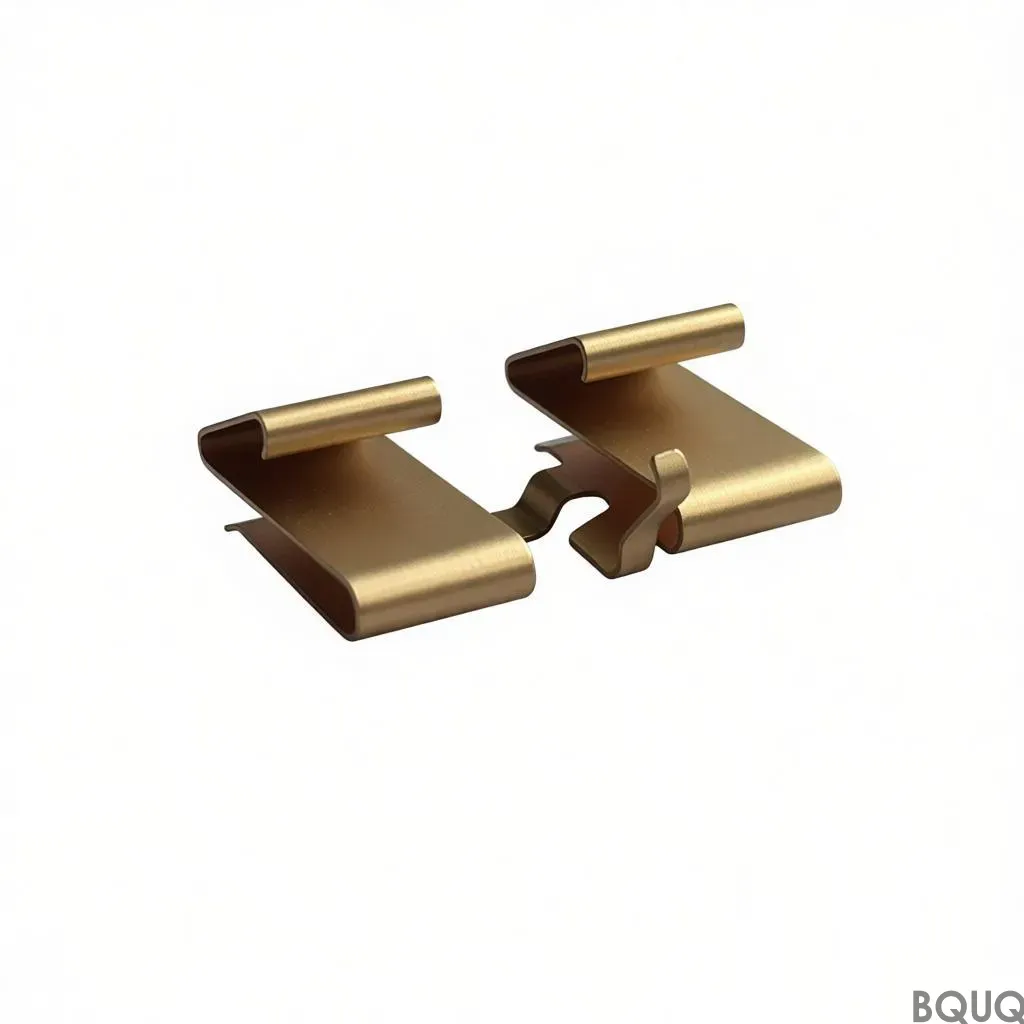
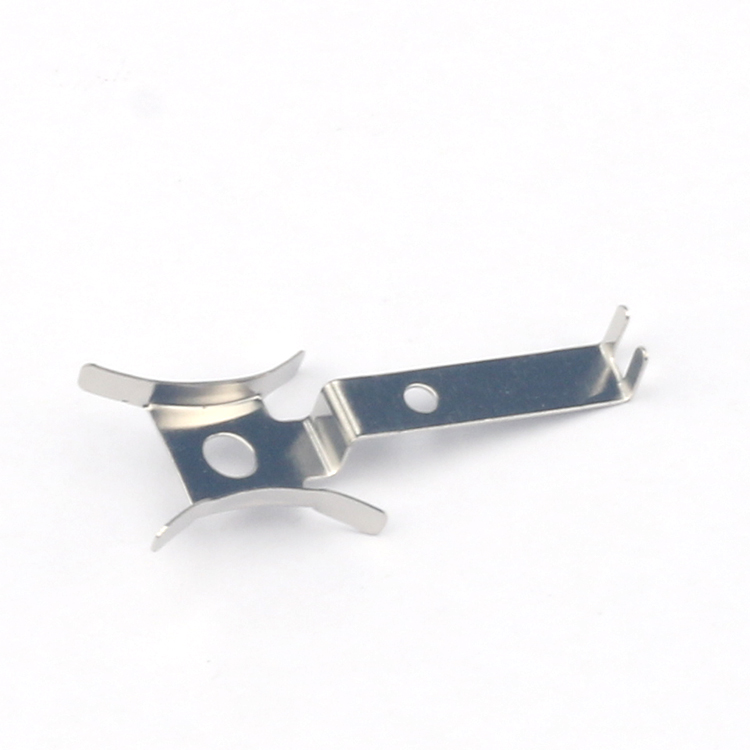
We regularly deburr stamped heat sinks using vibratory tumbling with ceramic media; cycle times are 8 minutes per batch of 200 parts, achieving a consistent edge radius of 0.1 mm. For CNC lathe parts with internal cross-holes, we use TEM: cycle time 45 seconds, no burrs left. For springs and shrapnel, manual deburring is still used due to delicate geometry.
Recommendation: Choose Based on Your Priorities
For most stamped metal parts in medium to high volumes, mechanical deburring (vibratory or centrifugal) offers the best balance of cost, speed, and consistency. If you have complex internal burrs, thermal deburring is unmatched. For precision parts requiring tight tolerances, electrochemical deburring is recommended. Always test small samples before committing to a method.
Conclusion
Deburring is essential for quality stamped metal parts. Each method has distinct strengths and weaknesses. By understanding your part characteristics and production needs, you can select the optimal deburring process. At our facility, we leverage multiple techniques to deliver burr-free parts efficiently. Contact us for a free deburring consultation.
Frequently Asked Questions
What are the typical cycle times for manual versus mechanical deburring of stamped metal parts?
Manual deburring takes 5–30 minutes per part, while mechanical deburring (brushes, belts, or tumbling) processes a batch in 1–10 minutes. This makes mechanical methods much faster for medium to high volumes, though manual offers more precise control for complex geometries.
Which deburring method is best for internal cross-holes or complex cavities in stamped parts?
Thermal deburring (TEM) is best for internal cross-holes and complex cavities. It uses an explosive gas mixture to burn off all burrs instantly in 0.5–2 minutes per cycle, regardless of location. However, it has high equipment cost and is limited to certain metals with oxidation risk.
Does electrochemical deburring work on all metals?
No, electrochemical deburring (ECD) requires conductive materials only. It uses electrolytic dissolution to remove burrs without mechanical force, producing a smooth finish with no burr reattachment. Setup cost is high, and electrolyte disposal plus masking are needed, making it suitable for precision parts and hard materials.
What is the cost per part for abrasive flow machining compared to manual deburring?
The article does not list specific cost per part for abrasive flow machining (AFM), but manual deburring is marked as high cost due to labor. AFM is noted as excellent for hidden internal edges and uniform deburring, though its cost category is not explicitly stated in the comparison table.