What Is CNC Prototyping? Rapid Prototype Machining Explained for Product Designers
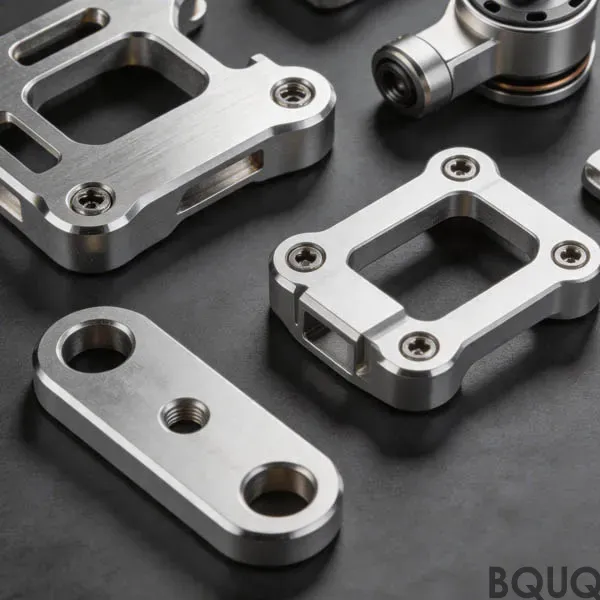
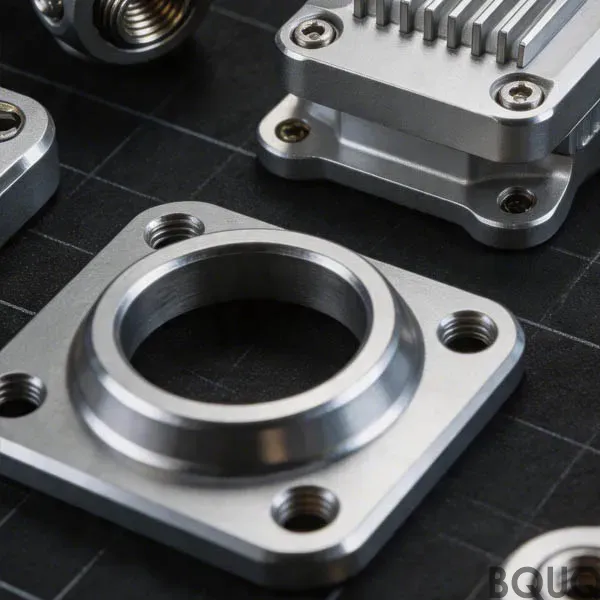
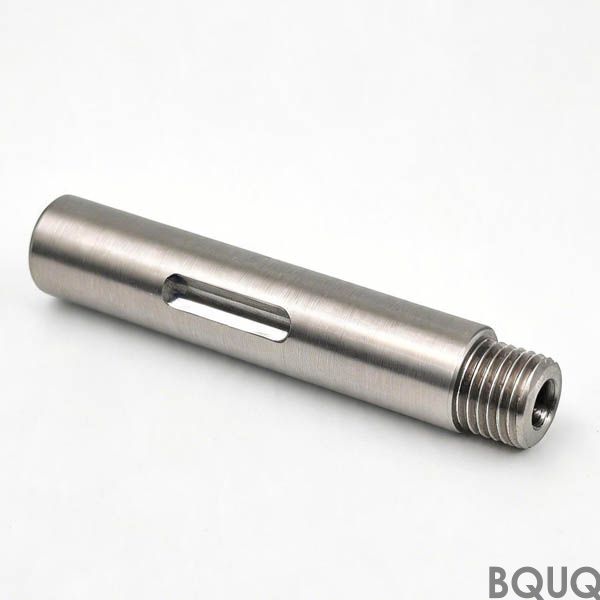
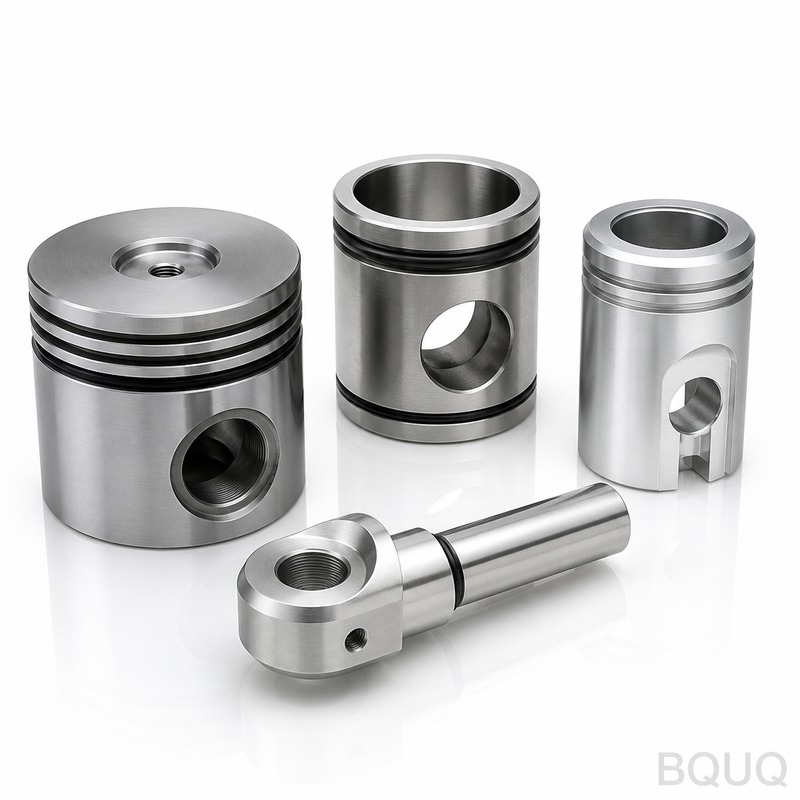
CNC prototyping is the use of computer numerical control (CNC) milling, turning, and grinding to produce functional, production-grade parts directly from CAD files, typically within 2 to 5 business days. Unlike 3D printing, CNC prototypes are machined from solid metal or plastic blocks, offering the exact material properties, surface finish, and dimensional accuracy of final production parts, with standard tolerances of ±0.005 mm to ±0.025 mm. For product designers, this means validating fit, form, and function under real-world conditions before committing to expensive hard tooling.
How Does CNC Prototyping Differ from 3D Printing in Material Properties?
CNC machining removes material from an isotropic solid block, meaning the prototype's mechanical properties match the bulk material data sheet. For example, a machined 6061-T6 aluminum prototype exhibits a yield strength of 276 MPa and a Brinell hardness of 95, identical to a stamped or die-cast production part of the same alloy. In contrast, FDM 3D-printed parts are anisotropic with layer adhesion weakness, typically achieving only 60-80% of the bulk material's tensile strength. Injection-molded prototypes cannot replicate the shear forces and heat dissipation of a machined heat sink, which is why CNC is the only option for thermal validation of LED or power electronics enclosures.
What Tolerances and Surface Finishes Can You Expect from CNC Prototypes?
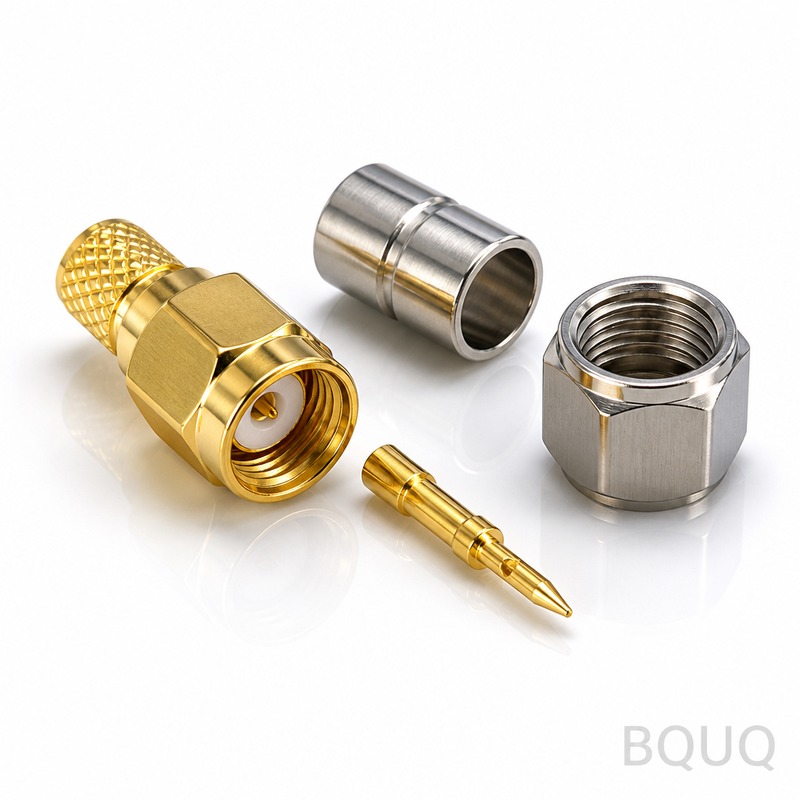
Standard CNC machining tolerance is ±0.025 mm (0.001 inch) for features up to 25 mm, and ±0.050 mm for larger dimensions. For high-precision needs, our BQUQ machining center can hold ±0.005 mm on critical mating surfaces, such as bearing seats or optical mounts. Surface finish ranges from a standard 3.2 µm Ra machined finish to a mirror-polished 0.4 µm Ra for sealing surfaces or aesthetic parts. As-machined finishes are typically 1.6 µm Ra, while bead blasting produces a uniform 0.8 µm Ra matte texture that hides tool marks and is ideal for painted or anodized prototypes.
Which Materials Are Best Suited for CNC-Machined Prototypes?
The most common materials are 6061-T6 and 7075-T6 aluminum, 304 and 316 stainless steel, brass, copper, and engineering plastics such as Delrin (POM), ABS, and PEEK. For prototype-to-production consistency, select the exact production material—if your final part is a die-cast ADC12 aluminum housing, machine the prototype from 6061-T6 to verify assembly, but note that thermal conductivity differs by about 15% (167 W/mK for die-cast vs. 167 W/mK for 6061, actually similar, but mechanical strength of 6061 is higher at 276 MPa vs. 228 MPa for ADC12). For heat sink prototypes, copper (C11000) with a thermal conductivity of 391 W/mK is often machined to validate CFD models before switching to cheaper aluminum for mass production.
How Much Does a CNC Prototype Cost and How Long Does It Take?
| Prototype Type | Typical Price Range | Lead Time | Tolerance | Example Use Case |
| Single aluminum part (small, <50 mm) | $80 - $250 | 2-3 business days | ±0.025 mm | Bracket, connector housing |
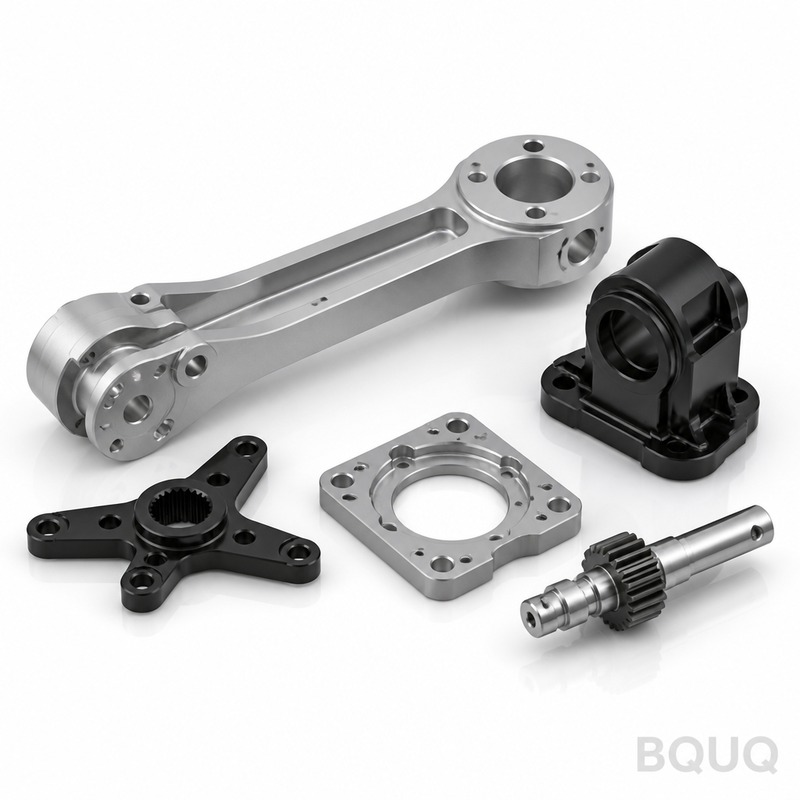
| Complex aluminum part (multi-axis, >100 mm) | $300 - $900 | 4-5 business days | ±0.012 mm | Gearbox housing, drone frame |
| Stainless steel part (small) | $150 - $400 | 3-5 business days | ±0.025 mm | Valve body, medical instrument |
| Plastic part (POM or ABS) | $50 - $200 | 2-3 business days | ±0.050 mm | Snap-fit enclosure, gear |
| Precision turned part (brass, Ø10 mm) | $40 - $120 | 2-3 business days | ±0.010 mm | Electrical contact, sensor pin |
Prices are based on a single prototype quantity with 3-axis machining and standard 3.2 µm Ra finish. Complexity factors that increase cost include deep slots (depth-to-width ratio >3:1), internal threads under M3, and tight corner radii below 0.5 mm. For a 10-piece iterative validation batch, per-part price typically drops 30-40% due to setup amortization.
Why Should a Product Designer Use CNC Prototyping for Iterative Testing?
CNC prototyping eliminates the variable of material property mismatch during design validation. When testing a spring-loaded latch mechanism, a machined 17-7 PH stainless steel prototype will exhibit the same 1,240 MPa tensile strength and 482°C maximum service temperature as the stamped production version. This allows you to perform true destructive testing, fatigue cycling, and thermal soak tests without false failures. Additionally, CNC parts have no internal voids or porosity, making them suitable for pressure testing up to 6.9 MPa (1,000 psi) for hydraulic manifolds. A typical iteration cycle is 72 hours: you send revised CAD on Monday, receive machined parts on Wednesday, test on Thursday, and finalize design by Friday.
How Should You Design Parts for CNC Prototyping to Minimize Cost?
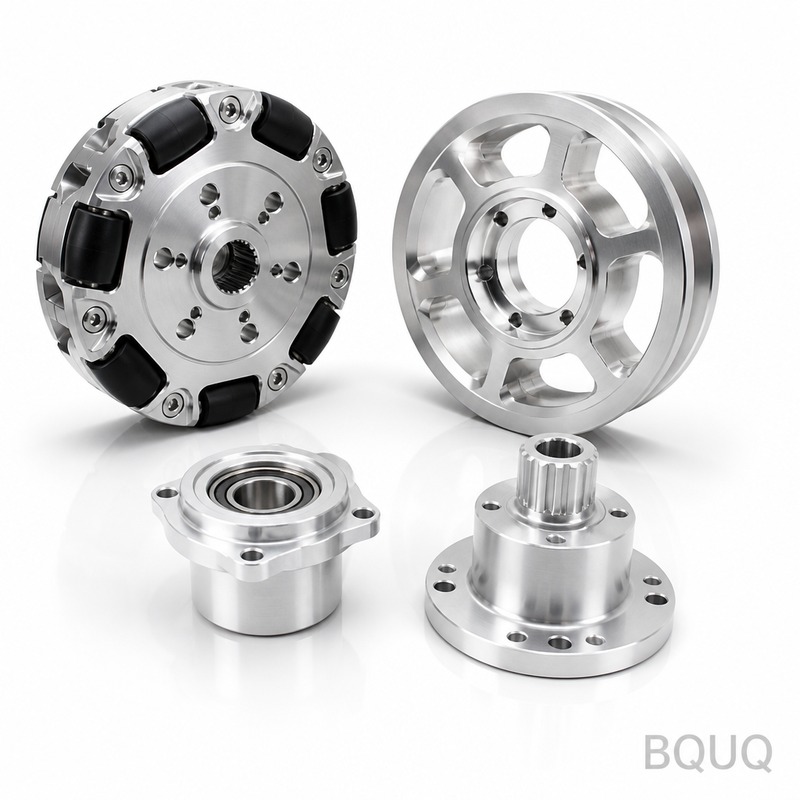
Design with a minimum wall thickness of 0.8 mm for metal and 1.0 mm for plastic to prevent vibration and deflection during machining. Avoid sharp internal corners—specify a corner radius of at least 0.5 mm, preferably 1.0 mm, because standard end mills have a 0.5 mm radius, and smaller tools cost 3x more and are 2x slower. Limit deep holes to a depth-to-diameter ratio of 4:1 for standard drilling; anything deeper requires specialized gun drilling, adding $50-$150 to cost. When possible, standardize hole diameters to metric sizes (M2, M3, M4) to avoid custom tooling charges. For heat sinks, design fins with a thickness of 1.0 mm and a gap of 1.2 mm; any thinner risks bending during machining and increases cycle time by 40%.
When Is CNC Prototyping Not the Right Choice Compared to Sheet Metal or Casting?
CNC prototyping is unsuitable for parts with complex internal cooling channels that cannot be reached by a cutting tool—these require additive manufacturing or investment casting. It is also inefficient for very thin, large-area parts like enclosures with large flat surfaces over 300 mm x 300 mm, where sheet metal fabrication (laser cutting and bending) produces parts in 1-2 days at 60% lower cost. For high-volume production beyond 1,000 units, CNC machining is not economical compared to die casting ($0.10-$0.50 per piece for aluminum, but with a $15,000-$40,000 tooling cost); however, CNC is still used for the first 50-100 pilot units before tooling is finalized. If your prototype requires a specific surface texture only achievable by injection molding (e.g., VDI 27 texture), CNC cannot replicate this exactly, and you will need a bridge tool or RTV silicone mold.
FAQ
Can CNC Prototypes Be Used for Functional Testing Under Load?
Yes, CNC prototypes are fully functional and can withstand the same loads as production parts. A machined 7075-T6 aluminum prototype, for example, has a yield strength of 503 MPa, allowing you to test structural frames, brackets, and mounting plates under real operational stress conditions.
What Is the Fastest Possible Lead Time for a CNC Prototype?
For a simple aluminum or plastic part with a standard tolerance of ±0.05 mm, BQUQ can offer 24-hour express machining if the CAD file is submitted before 10:00 AM China Standard Time. This service typically costs a 50% rush surcharge and is limited to parts with fewer than 10 features and no multi-axis operations.
Do CNC Prototypes Require Secondary Finishing Before Painting or Coating?
Yes, as-machined surfaces have a 1.6-3.2 µm Ra finish that is acceptable for most applications. For powder coating or painting, a bead-blasted finish of 0.8 µm Ra is recommended to improve adhesion. For anodizing aluminum, the machined surface is directly suitable, but you must specify the anodizing thickness (typically 10-25 µm) to ensure the final dimensions stay within tolerance.
How Many Iterations of a CNC Prototype Are Typically Needed Before Production?
For simple mechanical parts, two iterations are common: the first validates fit and assembly, the second incorporates tolerance adjustments and minor geometry fixes. For complex housings with multiple mating components, plan for three to four iterations; each cycle costs $200-$800 and takes 3-5 days.
Which File Format Should I Send for a CNC Prototype Quotation?
Send a STEP (.stp) file for geometry, along with a 2D PDF drawing showing critical tolerances, thread specifications, and surface finish callouts. If you only have STL files, we can convert them, but the resulting prototype may require manual rework to achieve precise datums.
Can CNC Machining Prototype Parts with Threads and Inserts?
Yes, CNC can cut internal threads as small as M1.6 and external threads up to any diameter. For production plastics or softer metals, we recommend specifying thread inserts (e.g., brass inserts with a 4.0 mm OD) which are press-fit or heat-staked into the machined hole, providing a pull-out strength of over 50 kg for repeated assembly cycles.
What Is the Maximum Part Size You Can CNC Prototype?
Our standard 3-axis vertical machining centers handle parts up to 800 mm x 500 mm x 400 mm. For larger parts up to 2,000 mm in length, we use gantry-style mills, but lead times extend to 7-10 business days due to longer setup and slower spindle speeds.
Conclusion and Next Step for Your Project
CNC prototyping remains the fastest and most reliable method to obtain functional, production-like parts for design verification, with tolerances down to ±0.005 mm and a typical 3-day turnaround. By selecting the correct material, designing for machinability, and understanding cost drivers, you can significantly reduce your product development cycle and eliminate expensive tooling rework. At BQUQ, with 20 years of experience in CNC machining, metal stamping, springs, and heat sinks, our engineers can review your CAD files and provide DFM feedback within 12 hours. Send your 3D files to sc@bquq.com or message us on WhatsApp at +86 13713157787 for a free quote and feasibility analysis today. Visit www.bquq.com to learn more about our rapid prototyping capabilities.
Related Articles
- How Much Does CNC Machining Cost in 2026? A Complete Pricing Guide
- CNC Turn-Mill Composite Machining, Turn-Mill Machine Tools, One-Time Forming, B-Axis Turn-Mill Center, Multi-Process Integration, Complex Rotary Part Machining, Medical Device Precision Machining
- Adaptive Control and AI Real-Time Optimization in CNC Machining: From Experience to Algorithm