What Is the Difference Between Prototype and Production CNC Machining?
The core difference between prototype and production CNC machining lies in scale, speed, and specification rigidity. Prototype machining prioritizes rapid iteration and design verification with looser tolerances and lower volumes (1-10 parts), while production machining optimizes for repeatability, cost-per-part, and strict quality control at higher volumes (100+ parts). Prototype runs typically take 3-5 business days and cost $50-$500 per part, whereas production runs take 2-4 weeks and cost $5-$50 per part depending on material and complexity.
What Are the Primary Objectives of Prototype versus Production CNC Machining?
Prototype CNC machining serves as a functional and dimensional validation tool, allowing engineers to test fit, form, and function before committing capital to hard tooling or high-volume processes. The objective is not efficiency but information gathering—you might machine three aluminum brackets to confirm a hinge mechanism works before finalizing the CAD model. Production CNC machining, in contrast, aims for statistical process control (SPC), where every part must meet the same specification within a defined tolerance band, typically ±0.005 inches (0.127 mm) or tighter. Production runs require documented inspection reports, material certificates, and traceability, while prototype runs often accept a simple visual check and caliper measurement.
How Do Lead Times and Costs Differ Between Prototype and Production Runs?
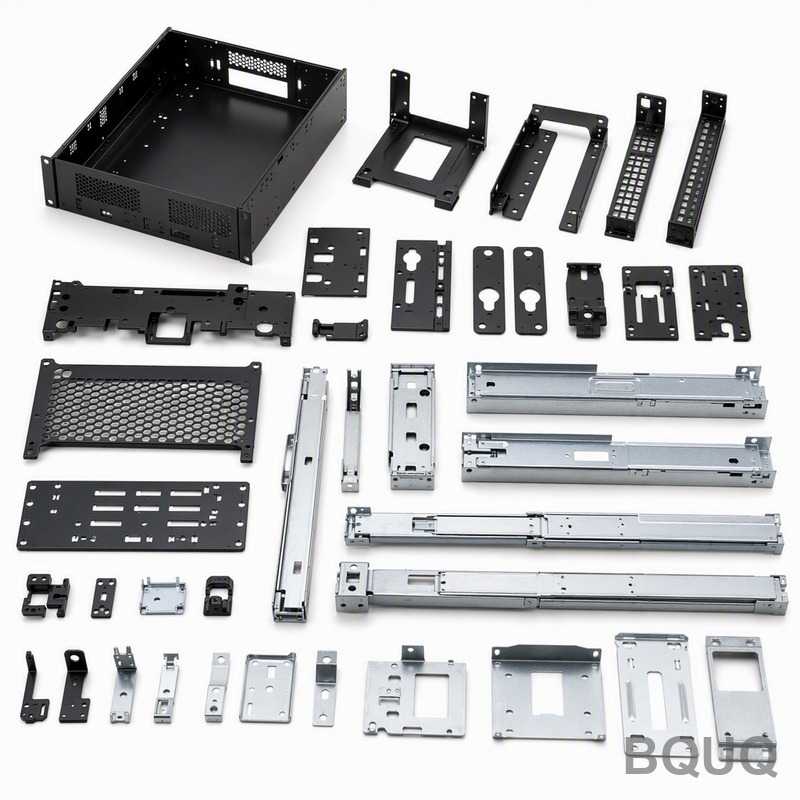
Lead time for a prototype order of 1-5 parts is usually 3-5 business days because the setup is minimal, and one operator can manage the entire cycle. Production orders, especially those exceeding 500 parts, require 2-4 weeks due to fixture design, program optimization, and first-article inspection (FAI) approval. Cost per part follows an inverse curve: a single prototype aluminum part might cost $150 due to programming and setup amortization, but the same part at 1,000 units drops to $8-$12 because setup cost is spread across the batch. Material waste also differs—prototype machining often uses 2-3 times more raw material per part due to conservative tool paths, while production machining optimizes nesting and tool engagement to reduce scrap below 5%.
Which Tolerances Are Achievable in Prototype versus Production Machining?
Prototype CNC machining typically holds ±0.005 inches (0.127 mm) on linear dimensions and ±0.002 inches (0.051 mm) on critical features, which is sufficient for most fit checks. Production CNC machining can consistently achieve ±0.002 inches (0.051 mm) on general features and ±0.0005 inches (0.013 mm) on ground or lapped surfaces, but only with dedicated fixtures and in-process probing. The table below summarizes typical tolerance and surface finish differences.
| Parameter | Prototype Machining | Production Machining |
| Tolerance (general) | ±0.005 in (0.127 mm) | ±0.002 in (0.051 mm) |
| Tolerance (critical) | ±0.002 in (0.051 mm) | ±0.0005 in (0.013 mm) |
| Surface finish (Ra) | 3.2 µm (125 µin) | 0.8 µm (32 µin) |
| Inspection method | Manual calipers, visual | CMM, optical comparator, SPC |
| First article inspection | Not always required | Mandatory (AS9102 or PPAP) |
| Setup time per part | 30-60 minutes | 5-15 minutes (automated) |
How Does Material Selection Change Between Prototype and Production?
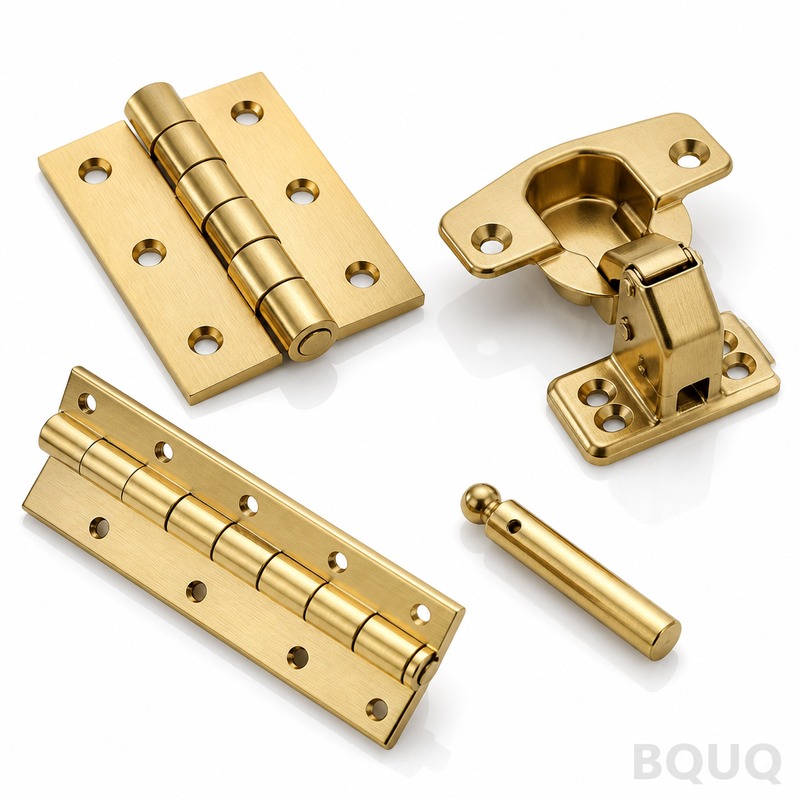
Prototype machining often uses the same material as the final production part, but engineers may substitute a cheaper or more machinable alloy to save cost during iteration. For example, an aerospace bracket destined for 7075-T6 aluminum might be prototyped in 6061-T6 because it machines faster and costs 30% less per pound, while still validating geometry. Production machining requires the exact specified material with certified mill test reports, and material costs dominate the price per part—for stainless steel 304, raw material can account for 40-60% of the total part cost at volume. Thermal and mechanical properties also matter: production parts intended for high-temperature environments (e.g., Inconel 718 at 1,200°F) must be machined from the same heat lot to ensure consistent hardness and grain structure.
Why Is Fixturing and Tooling Strategy Different for Prototype versus Production?
Prototype machining relies on soft jaws, vises, and double-sided tape because each part may have a slightly different geometry after design changes. Fixture cost for a prototype is typically $50-$200, and tool paths are generated with generic tool libraries to minimize programming time. Production machining invests in custom hard tooling—pneumatic clamps, hydraulic fixtures, or multi-part tombstones—that can cost $1,500-$5,000 but reduce cycle time by 30-50%. For a production run of 2,000 parts, a $4,000 fixture that saves 2 minutes per part pays for itself within the first 400 parts, after which every minute saved is pure profit. Production tooling also uses coated carbide inserts (e.g., TiAlN for aluminum, CVD diamond for graphite) to extend tool life beyond 500 parts, while prototype runs often use uncoated HSS end mills that last only 20-30 parts.
When Should You Switch from Prototype to Production CNC Machining?
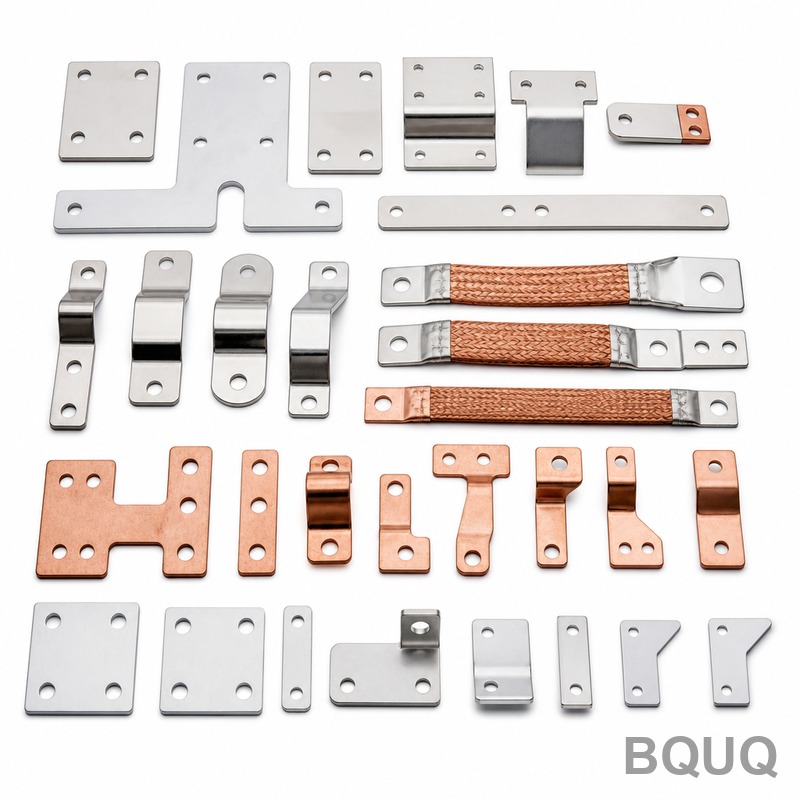
The switch point is dictated by design stability and quantity, not a fixed number. If your design has changed more than three times, you are still in prototype phase; if the CAD model has been frozen for two weeks and you need more than 50 identical parts, production machining is justified. For quantities between 10 and 100, a bridge production approach is optimal—use production-grade fixtures but with looser inspection requirements to balance cost and speed. Another trigger is regulatory or safety classification: any part that will be used in a medical device, aerospace actuator, or automotive brake system must move to production machining immediately, even for a single unit, because traceability and material certification are mandatory.
How Do Quality Assurance and Documentation Requirements Differ?
Prototype machining typically provides a simple dimensional report with 5-10 key measurements, and deviations are tolerated if they do not affect function. Production machining requires a full inspection plan, including GD&T callouts, CMM reports for every critical feature, and statistical process control charts if the volume exceeds 500 parts. For example, a production run of 5,000 connector housings will include a 30-point inspection on the first article, then a 5-point check every 100 parts, with all data logged in a digital quality management system. Prototype parts are often shipped with no certificate of conformance, while production parts must include material certificates (EN 10204 3.1), heat treatment reports, and surface finish verification—these documents add 2-3 days to the lead time but are essential for downstream assembly or customer audits.
What Are the Hidden Costs in Prototype and Production CNC Machining?
Prototype machining hides costs in programming time and idle machine time—a single prototype may require 4 hours of CAM programming for 30 minutes of actual cutting. Production machining hides costs in inventory and changeover—every tool change or fixture swap costs $100-$300 in lost production, so batch sizes must be optimized. Additionally, prototype parts often require secondary hand finishing (deburring, polishing) that adds $20-$50 per part, while production parts use automated deburring or vibratory finishing at $2-$5 per part. Scrap rates also differ: prototype scrap can reach 10-15% due to trial-and-error tool paths, whereas production scrap is held below 2% through in-process probing and tool wear monitoring.
FAQ
Can Prototype CNC Machining Use the Same Tooling as Production?
No, prototype tooling is generic (soft jaws, standard vises) and costs $50-$200, while production tooling is custom-designed and costs $1,500-$5,000. Using production tooling for prototypes is wasteful because design changes would require new fixtures, negating the cost benefit.
How Long Does a Prototype CNC Machining Order Take?
A typical prototype order of 1-5 parts takes 3-5 business days, including programming, machining, and basic inspection. Expedited service can reduce this to 24-48 hours at a 50-100% cost premium, but this is only recommended for critical design reviews.
What Is the Minimum Quantity for Production CNC Machining?
The minimum quantity for production CNC machining is generally 100 parts, but the economic break-even point is closer to 500 parts. Below 100 parts, the cost per unit is similar to prototypes, and you lose the flexibility to make design changes.
Which Materials Are Best for Prototype Machining?
Aluminum 6061-T6 and ABS plastic are best for prototypes due to low cost, fast machining, and easy modification. For production, you should use the exact final material (e.g., 7075-T6 aluminum or stainless steel 316) to validate mechanical properties and surface treatments.
How Does Surface Finish Differ Between Prototype and Production Parts?
Prototype parts typically have a surface finish of 3.2 µm Ra (125 µin) because they are machined at higher feed rates for speed. Production parts achieve 0.8 µm Ra (32 µin) or better through optimized tool paths, wiper inserts, and sometimes secondary processes like grinding or polishing.
When Should You Request a First Article Inspection for CNC Machining?
A first article inspection is mandatory for any production run, regardless of volume, in regulated industries like aerospace or medical. For general industrial parts, FAI is recommended when the order exceeds 200 units or when the part has critical safety features.
Can Prototype Machining Be Used for Functional Testing?
Yes, prototype machining is ideal for functional testing because it produces parts with the same material and mechanical properties as production. However, you must verify that the prototype tolerances are sufficient for your test load—if not, add a note to the drawing to tighten critical dimensions.
Conclusion
Choosing between prototype and production CNC machining is a strategic decision based on design maturity, volume, and quality requirements. Prototype machining provides speed and flexibility at a higher per-unit cost, while production machining delivers repeatability and lower cost at scale but requires design freeze and documentation investment. For most engineering teams, the practical path is to run 3-5 prototypes, validate the design, then jump to production quantities of 500 or more to maximize cost efficiency. BQUQ has 20 years of experience in CNC machining, metal stamping, springs, and heat sinks, and we can guide you through both phases with transparent pricing and realistic lead times. Send us your CAD files for a free quote—our engineering team responds within 12 hours. Contact us at sc@bquq.com or WhatsApp +86 13713157787, or visit www.bquq.com for more information.