CNC Machining for Medical Implants: Materials and Cleanliness
Short answer: implant-grade parts are machined from titanium (Grade 2, Grade 5 / Ti-6Al-4V ELI) and implantable stainless steels such as 316LVM, held to ±0.005 mm on critical features with finishes down to Ra 0.2–0.4 µm and passivated for corrosion resistance. Cleanliness is a process, not a final step: dedicated tooling, controlled deburring, ultrasonic cleaning, and controlled packaging. BQUQ machines these parts in Dongguan under ISO9001 and quotes from a drawing within 12 working hours.
Implant machining is unforgiving. A bracket that is 0.2 mm off is reworked; an implant component that is 0.2 mm off is scrap, and sometimes worse. That is why the material decision, the tolerance callouts, and the cleaning protocol have to be decided together before the first chip is cut, not negotiated afterward. This guide covers the material families, the surface and tolerance values that matter, and how to specify a supplier for medical work.
What Materials Are Used for CNC-Machined Implants?
The alloy is chosen for biocompatibility, corrosion resistance, and mechanical strength first. Machinability is a distant second. Five families cover most of the work we see:
- Titanium Grade 2 (commercially pure): soft, highly corrosion-resistant, used for bone plates, dental abutments, and housings. The easiest titanium to machine, but still slow compared with aluminum.
- Titanium Grade 5 (Ti-6Al-4V) and its ELI variant: high strength-to-weight, used for load-bearing screws, spinal hardware, and instruments.
- Implantable stainless steel (316LVM): high strength at lower material cost, used for trauma fixation, cables, and some instruments. Sensitive to passivation quality.
- Cobalt-chromium (CoCr): wear resistance for bearing surfaces such as hip and knee components.
- PEEK and other polymers: machined for spacers and trials when an MRI-compatible, non-metallic part is required.
Titanium is the difficult one. Its low thermal conductivity concentrates heat at the cutting edge, its tendency to work-harden punishes light passes, and its springback means fixturing must be rigid. Those are the exact conditions where a tight-tolerance claim either holds up or falls apart. For the alloy-specific machining behavior, see our titanium machining guide.
| Material | Typical implant use | Relative machining cost (6061 aluminum = 1×) | Watch-outs |
|---|---|---|---|
| Titanium Grade 2 | Bone plates, dental | 3–5× | Heat buildup, work hardening |
| Ti-6Al-4V (ELI) | Screws, spinal cages | 4–8× | Rigidity, rapid tool wear |
| 316LVM stainless | Trauma fixation | 2.5–4× | Passivation, magnetism control |
| Cobalt-chromium | Bearing surfaces | 5–9× | Very high tool wear |
| PEEK | Spacers, trial parts | 1.5–3× | Stress cracking, sharp edges |
Which Tolerances and Surface Finishes Actually Matter?
Most of the drawing is cosmetic. A small percentage of features are functional, and those are the ones worth holding tight. Bearing bores, mating tapers, thread roots, and seal faces carry the tolerance; the surrounding profile usually does not.
Critical functional fits on implant hardware typically run ±0.005 mm to ±0.02 mm. Below ±0.005 mm you leave milling and turning territory and move into grinding, honing, or fine finishing, and the price curve steepens sharply. Surface finish is specified as Ra and is usually 0.8 µm for machined interfaces, 0.4 µm where a seal or sliding contact is involved, and 0.2 µm or finer for bearing and articulating surfaces.
| Feature | Typical tolerance | Typical Ra | Process note |
|---|---|---|---|
| Bone screw thread | ±0.02 mm | 0.8–1.6 µm | Rolled or cut; verify pitch diameter |
| Bearing bore | ±0.005 mm | 0.2–0.4 µm | Fine boring or grinding |
| Mating taper | ±0.005 mm | 0.4 µm | Matched to gauge |
| Cosmetic outer profile | ±0.1 mm | 0.8 µm | Standard milling |
| Seal face | ±0.01 mm | 0.4 µm | Flatness matters as much as Ra |
One practical warning: do not blanket the whole drawing with ±0.005 mm. It adds inspection time, scrapped parts, and cost, and it tells a competent factory that the print was not thought through. Call the tight tolerance where the function lives.
How Clean Should an Implant Part Be?
Cleanliness is where medical work separates from industrial work. A part can be dimensionally perfect and still fail because of embedded debris, machining residue, or loose burrs. Your supplier should be able to describe each of these as a controlled step:
- Deburring: controlled mechanical or electrochemical deburring, not a hand-held file. Edge condition is called out on the drawing.
- Cleaning: ultrasonic cleaning in a defined sequence of solvents and DI water, with defined times and temperatures.
- Passivation: for stainless parts, a passivation step to remove free iron; for titanium, a suitable descale and rinse.
- Inspection: visual and, where specified, particle or residue checks.
- Packaging: clean, controlled packaging so the part arrives as clean as it left.
| Stage | What to require | Why it matters |
|---|---|---|
| Deburring | Written method, edge spec | Loose burrs become particulate |
| Cleaning | Ultrasonic, defined sequence | Removes oils and machining residue |
| Passivation | Specified standard | Restores corrosion resistance |
| Inspection | Dimensional + cleanliness record | Traceability for the batch |
| Packaging | Cleanroom or controlled bagging | Prevents recontamination |
How Does BQUQ Machine Medical Parts?
BQUQ (Dongguan Zuanxin Plastic Hardware) runs CNC turning, milling, and precision machining under one ISO9001:2015 roof in Qiaotou, Dongguan. For medical work we machine titanium, 316LVM stainless, CoCr, and PEEK on stable machines, verify critical dimensions with a CMM, and ship each batch with a dimensional inspection report by default. Our standard production capability is ±0.005 mm on critical features, and we will tell you honestly when a callout is beyond what a machining process can defend.
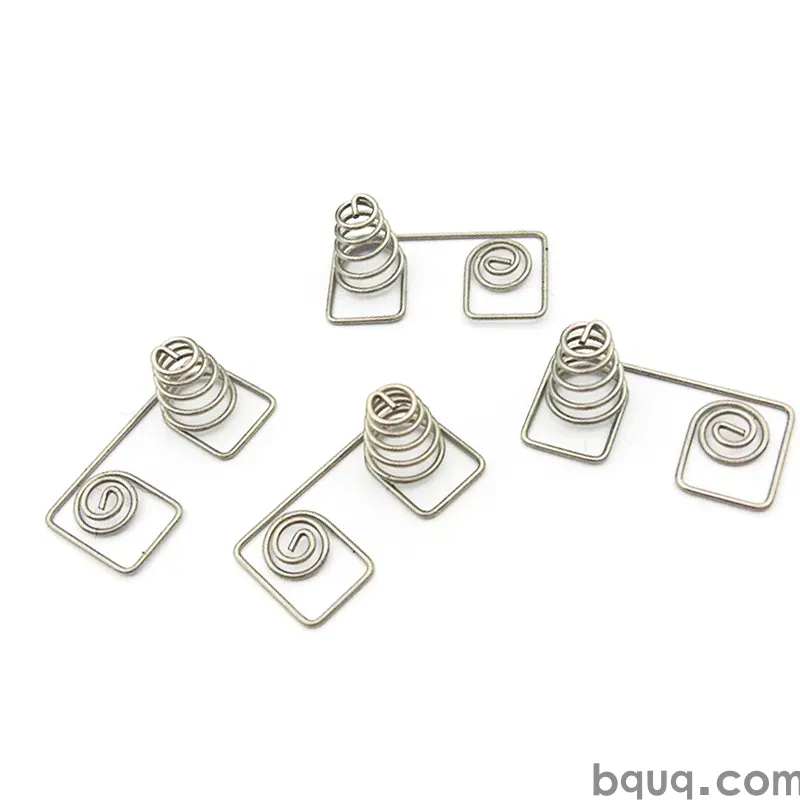
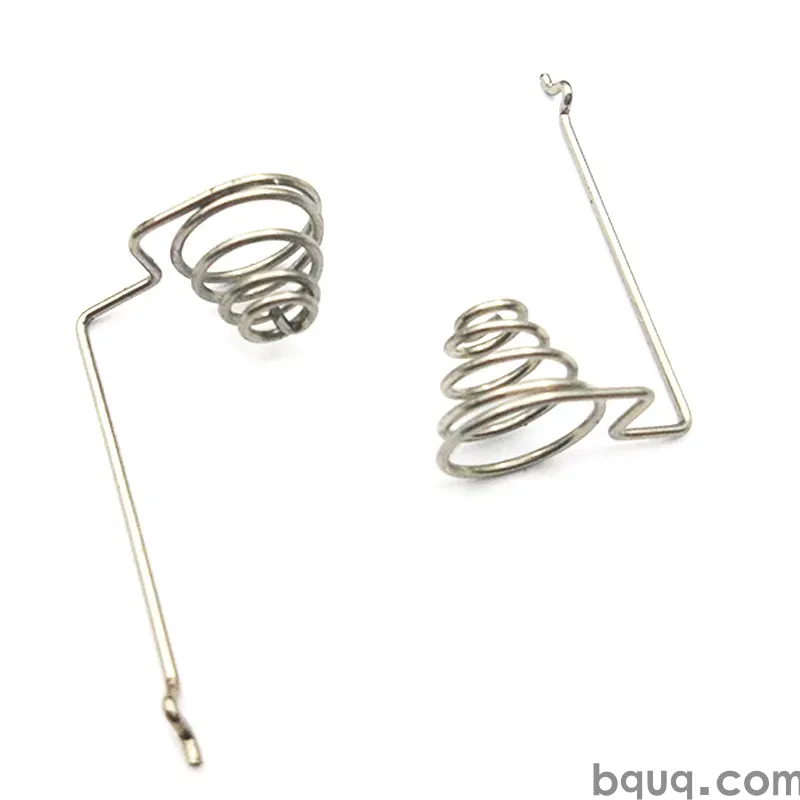
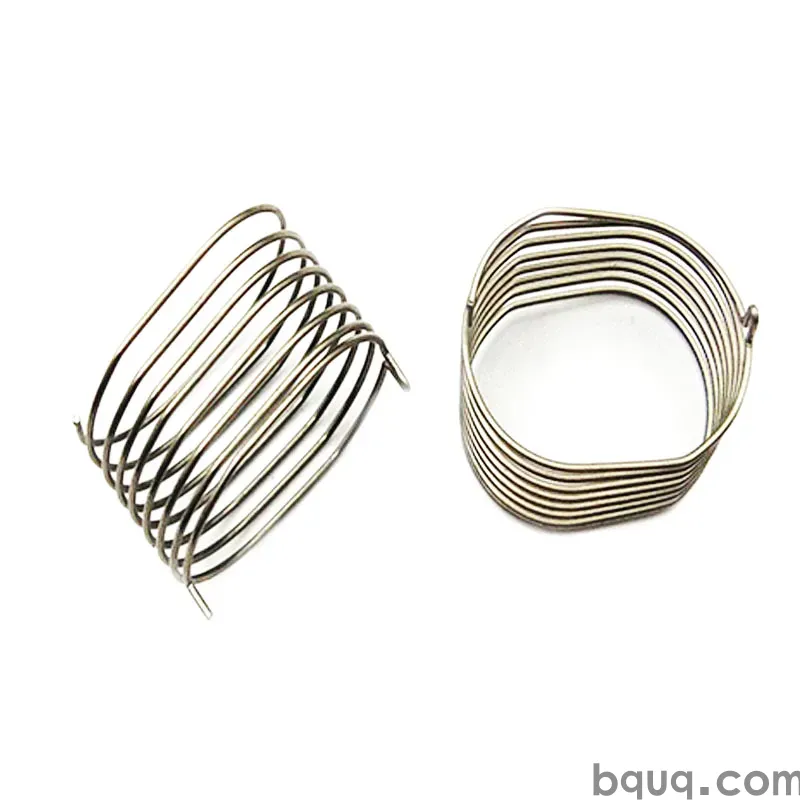
Where a medical part also needs a spring or a stamped contact, we can produce the whole assembly instead of coordinating three suppliers — a real advantage when traceability and process consistency matter. See the related services page for CNC precision components if your project mixes turned and milled features.
Send the drawing (STEP, IGES, X_T, or a dimensioned PDF), material spec, quantity, finish, and any cleanliness or documentation requirement. We return a quotation within 12 working hours, and we will flag anything in the print that drives cost without adding function before you commit.
What Belongs in a Medical Machining RFQ?
A vague request produces a padded quote, because the factory has to assume the worst case. A complete RFQ removes that margin and often brings the price down. Before you send anything, make sure these items are present:
- Geometry: a 3D model plus a 2D drawing with tolerance callouts. If only a model is available, expect the supplier to ask about the tolerances that are not shown.
- Material: a grade, not just "titanium." Grade 2 and Ti-6Al-4V machine differently and cost differently, so the grade changes the number.
- Quantity: prototype quantity and expected annual volume, so the supplier can advise on the right process rather than the convenient one.
- Finish: Ra per functional surface, plus any passivation, anodizing, or marking requirement.
- Cleanliness and documentation: state up front whether you need a cleanliness record, material certification, or a first-article inspection report.
- Delivery target: a date, so lead time and any expedite cost are visible from the start.
Two more items save time on medical work specifically. First, flag any feature that is safety-critical so the supplier knows where to spend inspection effort. Second, state the intended sterilization method if you already know it, because heat and moisture exposure can influence material and finish choices. A supplier who asks these questions before quoting is doing the job correctly; one who quotes from a photo is guessing.
If the part also needs a spring, a contact, or a heat sink, send the whole assembly. Producing related components in one factory keeps tolerances, finishes, and documentation consistent, and it removes the finger-pointing that happens when three suppliers each blame the other when a stack-up does not fit.
Frequently Asked Questions
Q: Can CNC machining hold tolerances tight enough for medical implants?
A: Yes, for functional features. Our standard production capability is ±0.005 mm on stable materials, verified with a CMM, and finishes down to Ra 0.2–0.4 µm. If a drawing asks for tighter than the process can defensibly hold, we say so before quoting rather than guessing.
Q: Which titanium grade is best for an implant component?
A: It depends on the load. Grade 2 is corrosion-resistant and easy to machine, so it suits bone plates and housings. Ti-6Al-4V (ELI) is stronger and is the usual choice for load-bearing screws and spinal hardware. Send the application and we will recommend the grade that meets the function without overspending.
Q: Do you provide material certificates and inspection reports?
A: Yes. We provide material certification for the lot and a dimensional inspection report for each batch by default. If your quality system requires additional documentation, tell us at the RFQ stage so it is built into the quote, not discovered at shipment.
Q: How fast can I get a quote for machined medical parts?
A: Send drawings to sc@bquq.com or WhatsApp +86 13713157787 and we return a quotation within 12 working hours. Include material, quantity, finish, and cleanliness requirements so the number is real.
Q: What surface finish is typical for implant interfaces?
A: Machined interfaces commonly run around Ra 0.8 µm, sealing and sliding contacts around 0.4 µm, and articulating or bearing surfaces Ra 0.2 µm or finer. Specify Ra per functional surface instead of applying one value to the whole part.
Related Resources
- CNC Machining for Medical Devices — how instrument and device housings are machined and cleaned.
- CNC machining services — turning, milling, and precision components from a Dongguan source factory.
- About BQUQ — an ISO9001:2015 factory running CNC, stamping, springs, and heat sink lines under one roof.
- Contact us — send your drawing and get a quote within 12 working hours.
Authored by the BQUQ Engineering Team. BQUQ is an ISO9001-certified source factory in Dongguan, China, running CNC machining, metal stamping, custom springs, heat sink and collet lines under one roof. Send drawings to sc@bquq.com or WhatsApp +86 13713157787 for a quote within 12 working hours. www.bquq.com