How Should You Size and Mount a Heat Sink for Raspberry Pi and SBCs?
The optimal heat sink for a Raspberry Pi or single-board computer (SBC) is one that maintains the system-on-chip (SoC) junction temperature below 85°C under sustained full load, wi
The optimal heat sink for a Raspberry Pi or single-board computer (SBC) is one that maintains the system-on-chip (SoC) junction temperature below 85°C under sustained full load, wi
For most electronics applications, a passive heat sink combined with forced airflow from a fan remains the most cost-effective and reliable thermal solution, while liquid cooling i
Thermal resistance junction to case (RθJC) is the measure of a semiconductor package’s ability to conduct heat from the silicon die (junction) to the outer surface of its case, exp
The right thermal interface material (TIM) depends on your application’s power density, operating temperature, clamping pressure, and cost targets. For most electronics below 150°C
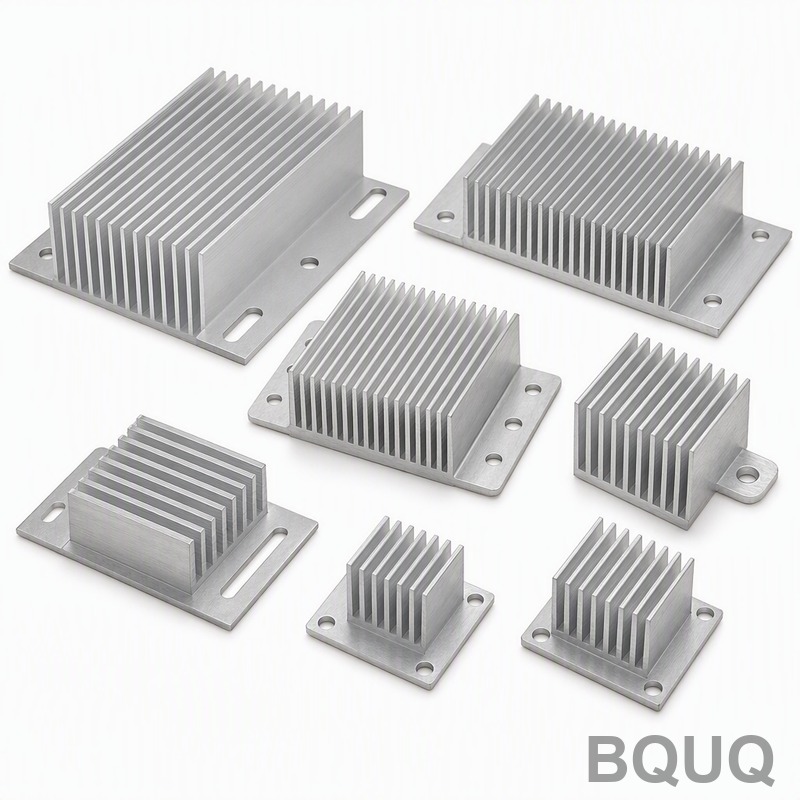
A heat sink baseplate is the solid metal foundation of a heat sink assembly that directly contacts the heat source, typically a CPU, IGBT, or power module, to spread thermal energy