What Is Heat Sink Thermal Interface Material? TIM Selection Guide
Thermal Interface Material (TIM) is any thermally conductive compound, pad, adhesive, or solder placed between a heat-generating component (such as a CPU, IGBT, or LED) and a heat
Thermal vias and heat sinks work together by creating a low-resistance thermal path from the heat-generating component, through the PCB’s copper planes, and into the ambient air vi
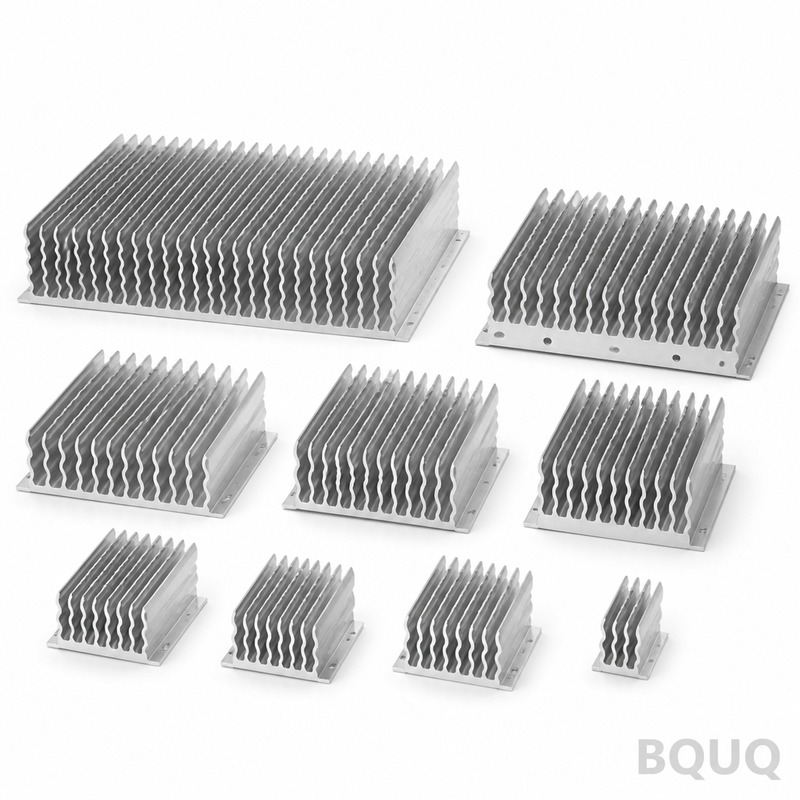
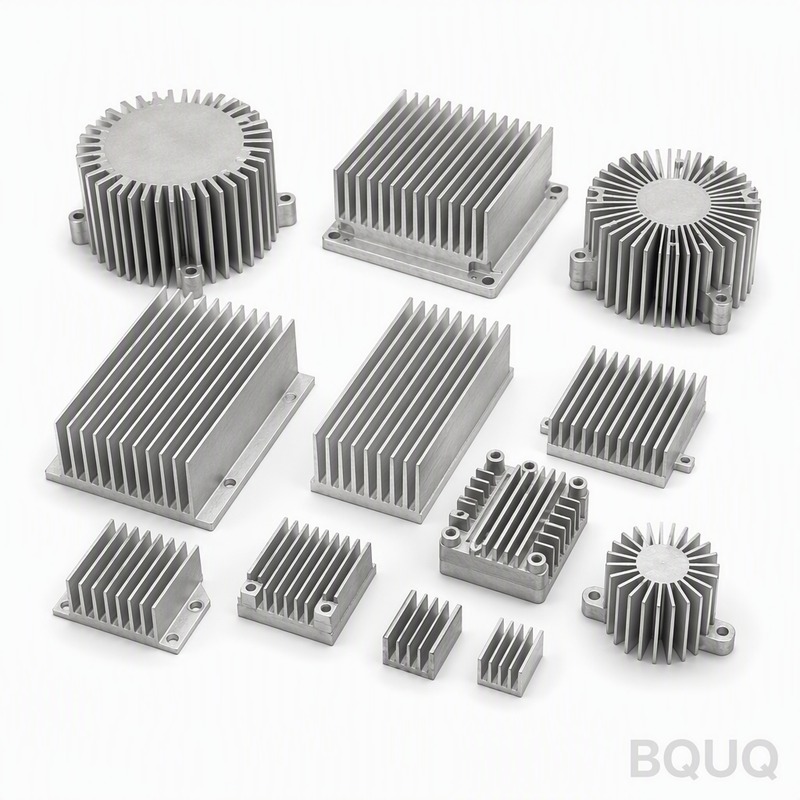
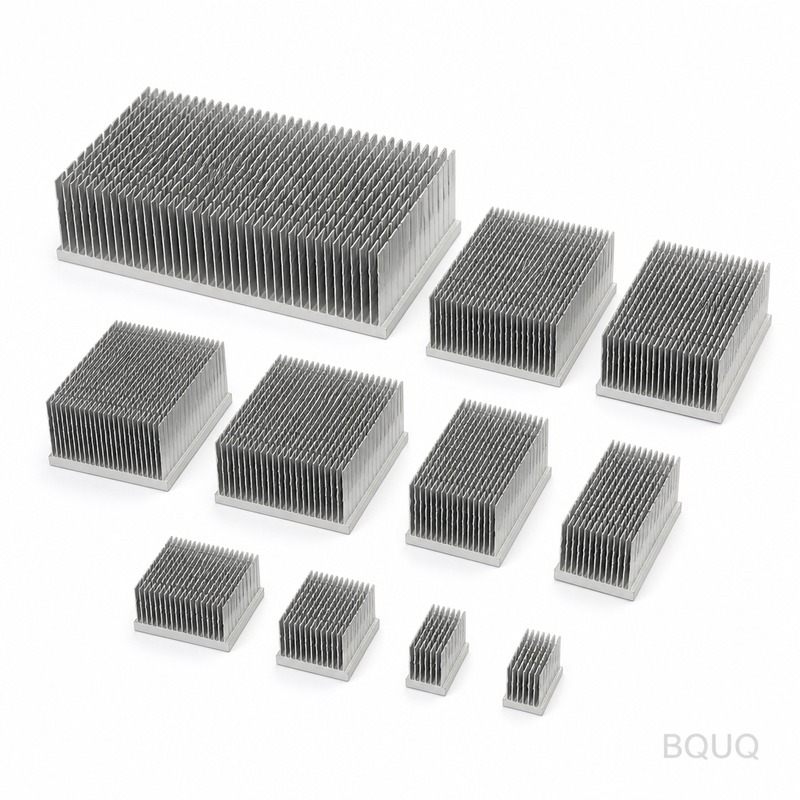
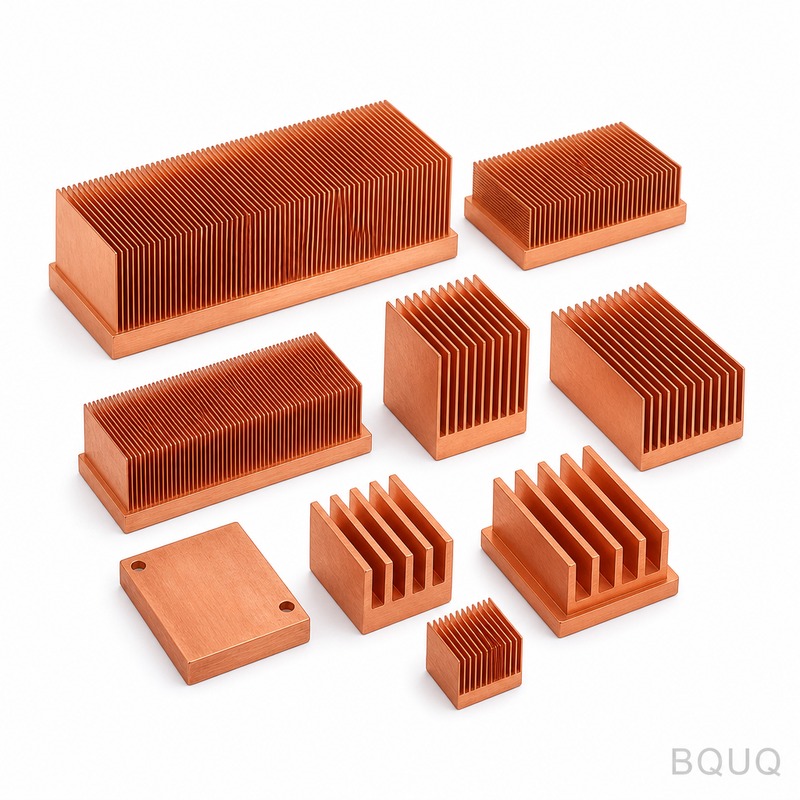
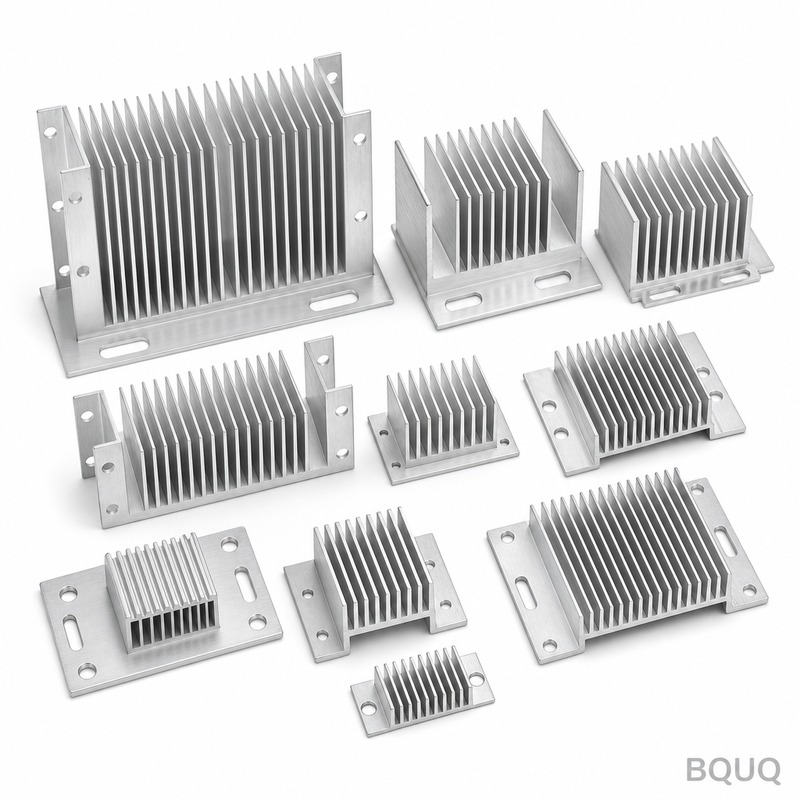
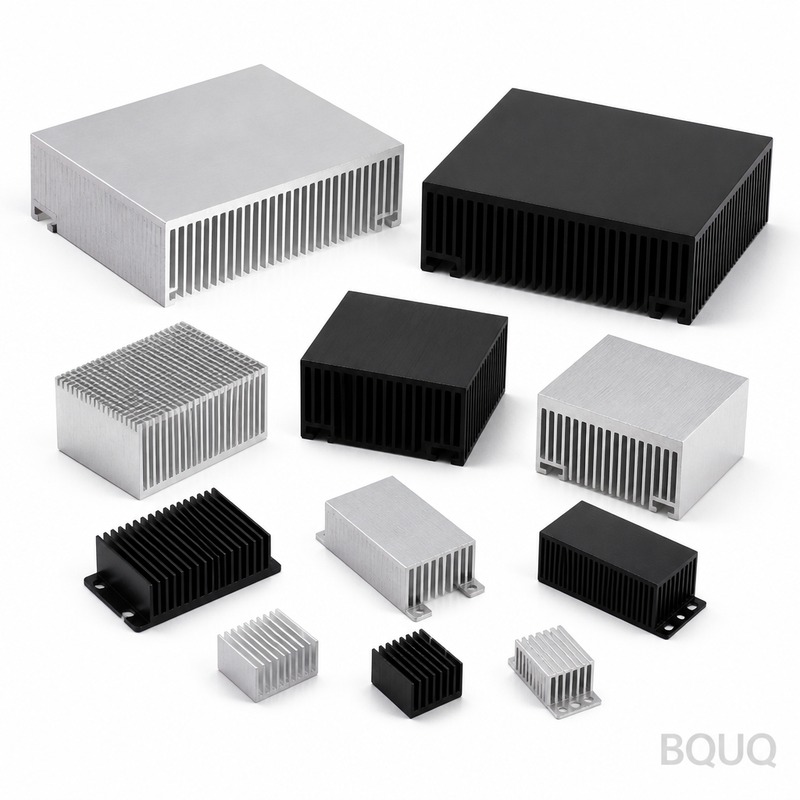
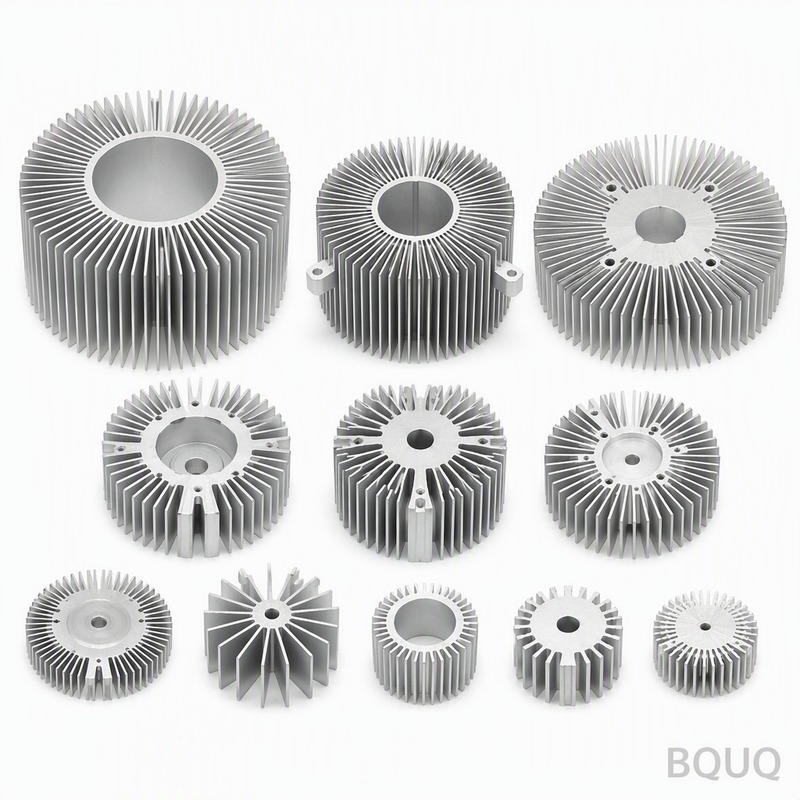
The primary reason heat sinks have fins is to exponentially increase the surface area available for convective heat transfer, allowing heat to dissipate from a hot component into t
The most effective way to optimize heat sink thermal performance is to maximize the convective surface area while minimizing the thermal resistance path from the heat source to the
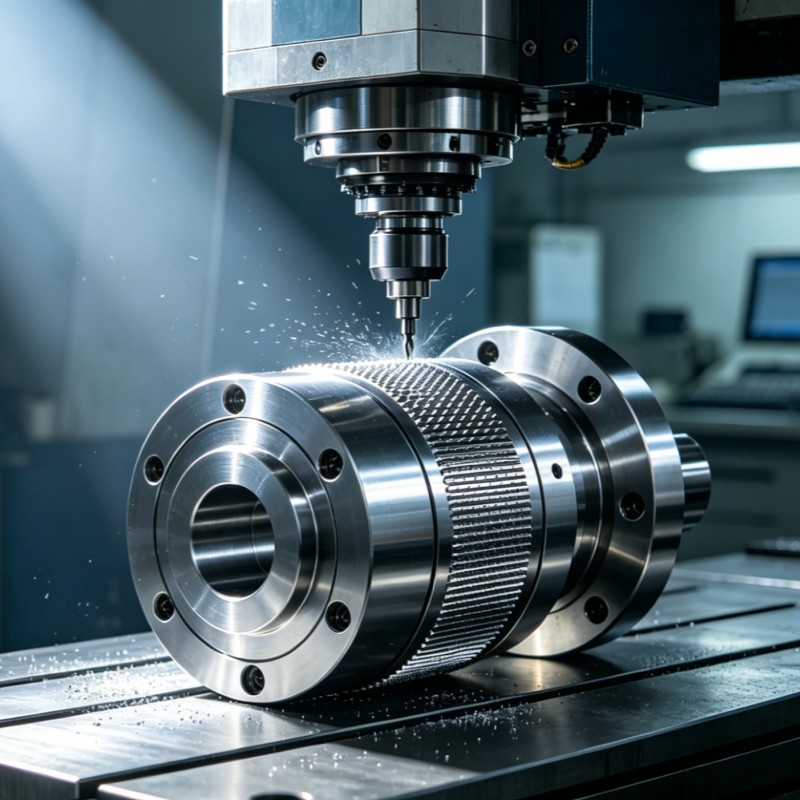
Forged heat sinks offer superior structural integrity and thermal performance compared to machined or extruded alternatives, achieving densities up to 99.9% of theoretical values a