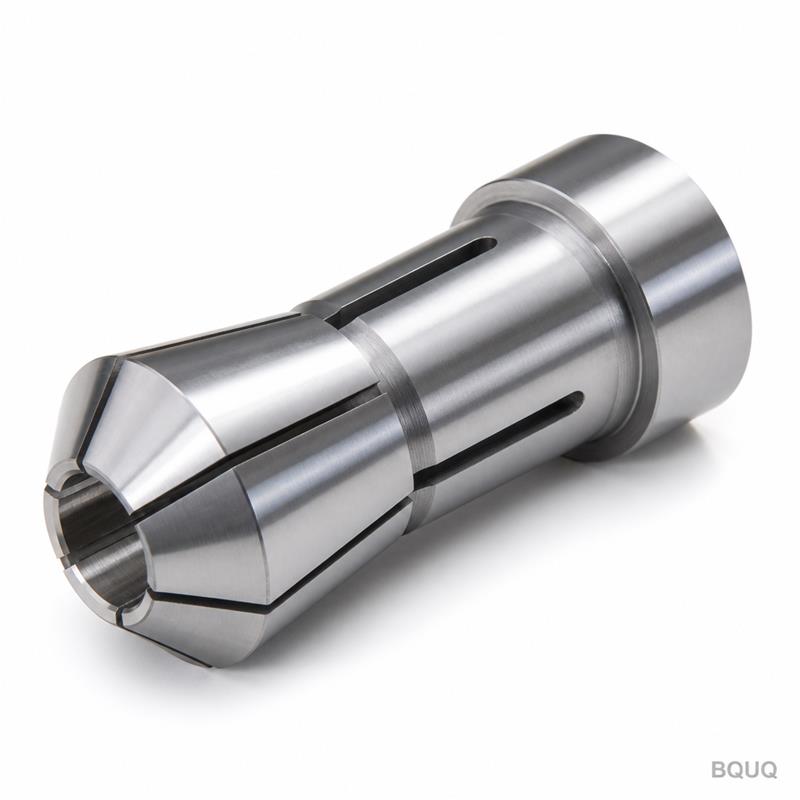
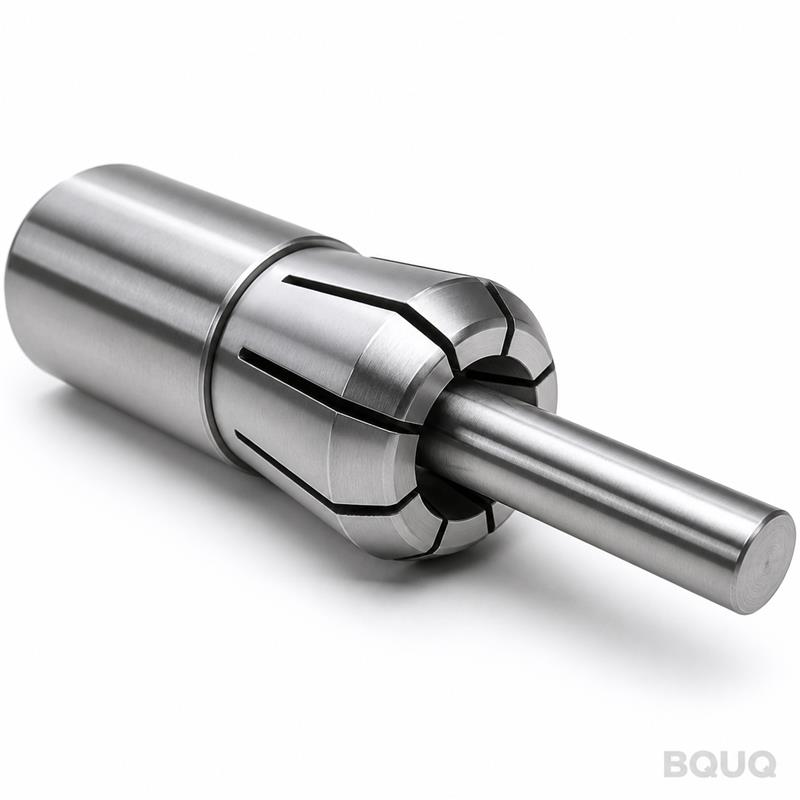
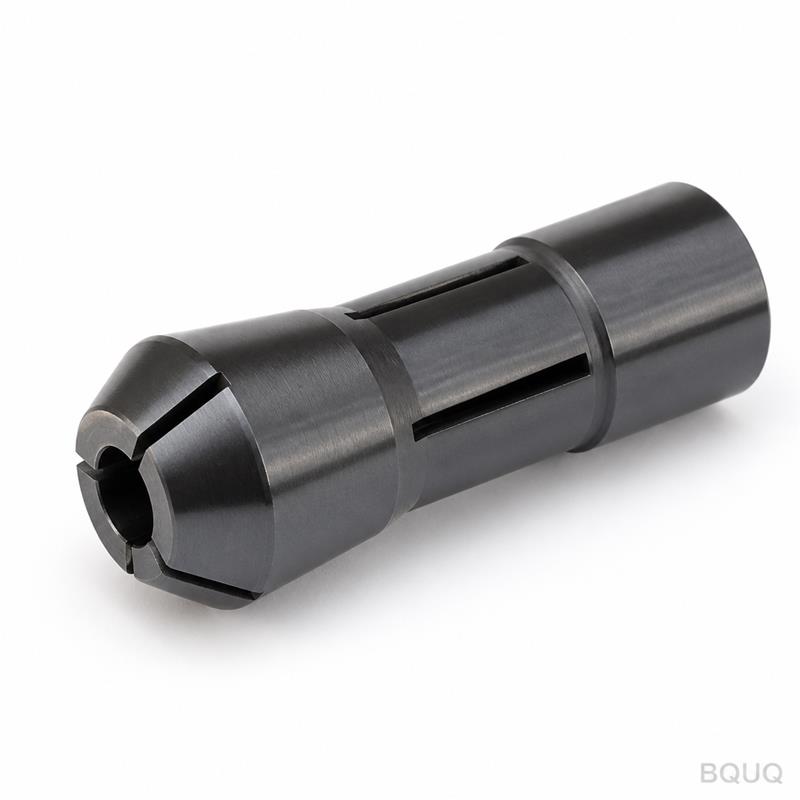
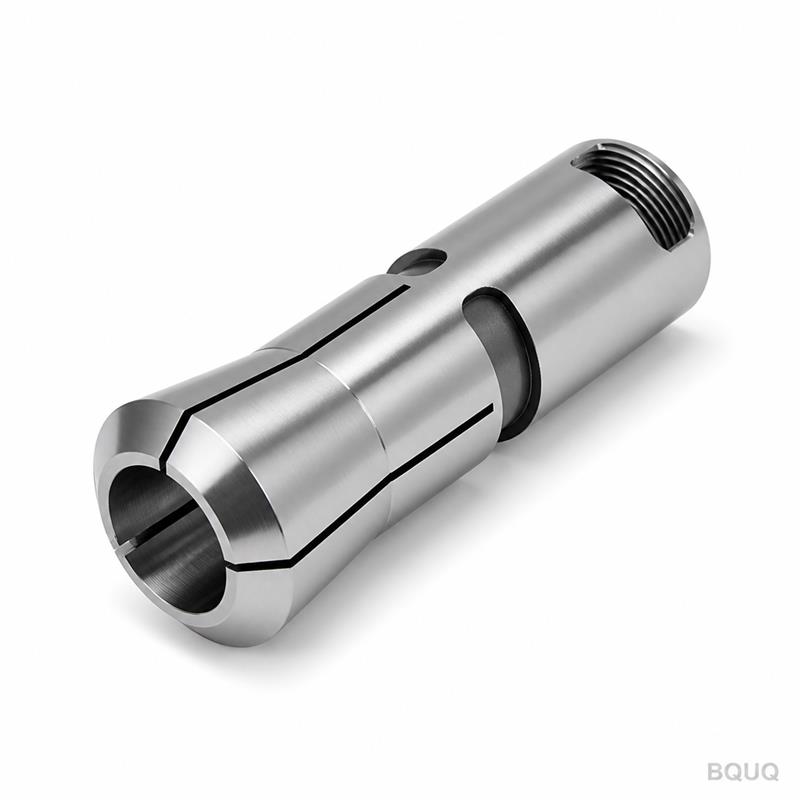
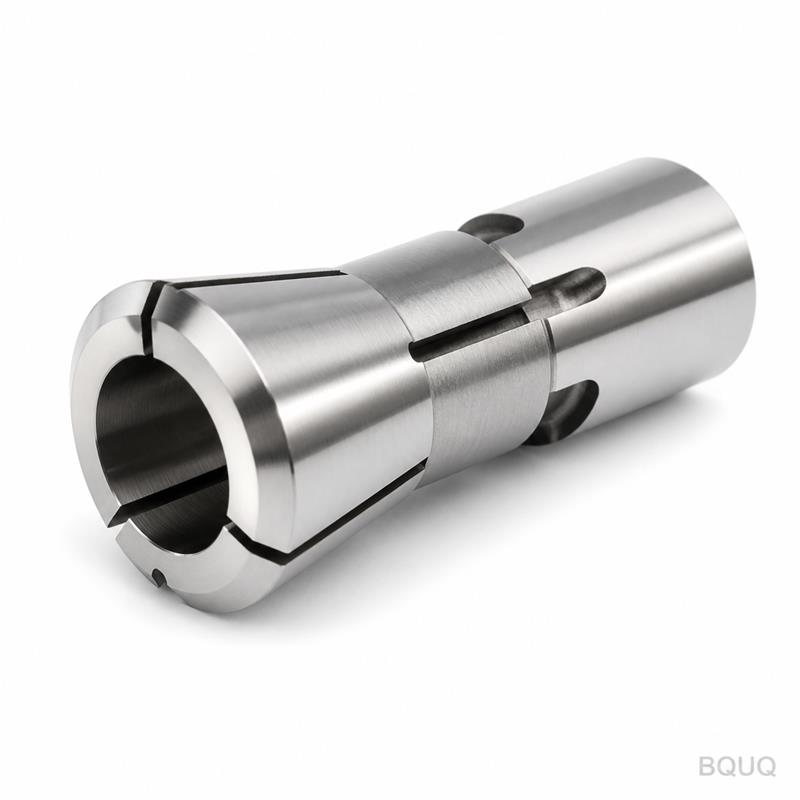
This is a Cnc Machined Auto Lathe 52 Type Round Bore Spring Collet Chuck engineered for 52 mm bar capacity automatic lathes. It grips round stock with 0.005 mm concentricity and 0
Precision Cnc Machined Auto Lathe 52 Type Round Bore Spring Collet Chuck | BQUQ
This is a Cnc Machined Auto Lathe 52 Type Round Bore Spring Collet Chuck engineered for 52 mm bar capacity automatic lathes. It grips round stock with 0.005 mm concentricity and 0.01 mm clamping repe
Get a Fast Quote for This Part
Send us your drawing / quantity / material — reply within 24h.
This is a Cnc Machined Auto Lathe 52 Type Round Bore Spring Collet Chuck engineered for 52 mm bar capacity automatic lathes. It grips round stock with 0.005 mm concentricity and 0.01 mm clamping repeatability, eliminating vibration at 8,000 RPM spindle speeds. Hardened to 58-60 HRC with a 0.4 µm Ra bore finish, it ships in 15 days from our Dongguan factory—made in China, no MOQ required.
How a 52-Type Round Bore Collet Achieves 0.005 mm Runout
The 52-type designation refers to the spindle nose taper, but the runout control comes from the bore geometry. We machine the round bore in a single clamping operation on a 5-axis CNC lathe, holding the internal diameter to ±0.005 mm. The spring collet’s slotted segments are cut with EDM wire, ensuring uniform radial deflection. This means every bar you feed maintains centerline within 5 microns—critical for Swiss-type and multi-spindle auto lathes where tool clearance is less than 0.02 mm.
Material Selection and Heat Treatment for 500,000 Cycles
We start with 8620 alloy steel for the collet body, not cheap 1045. The bore is carburized to a case depth of 0.8 mm, then hardened to 58-60 HRC. The spring fingers are tempered at 200°C to retain elasticity without brittleness. The chuck body uses 4140 pre-hardened to 32 HRC, ground on the mating taper. This combination resists wear from abrasive aluminum and stainless bar stock, giving you 500,000 clamping cycles before re-grinding is needed.
Bore Finishing and Surface Integrity on the ID
The round bore is not just drilled—it is precision bored, then honed to 0.4 µm Ra. This mirror finish reduces friction when the collet closes on the bar, preventing cold welding on soft materials. We also chamfer the bore entry at 30° to guide the bar smoothly, avoiding edge damage during automatic loading. Every bore is air-gauged at three depths to verify taper within 0.003 mm across the full grip length.
Inspection Before Every Shipment—Not Just a Sample Report
Each collet chuck is 100% inspected, not batch-tested. We use a CMM (coordinate measuring machine) to check the taper angle, bore diameter, and concentricity in one setup. Runout is verified with a test bar in a lathe spindle, not on a bench fixture. We also perform a spring force test: closing the collet 10 times at 6 bar air pressure to confirm the return spring brings fingers back to the open position without sticking. The inspection report is emailed to you with the shipment.
Compatibility With Your Auto Lathe Spindle Nose
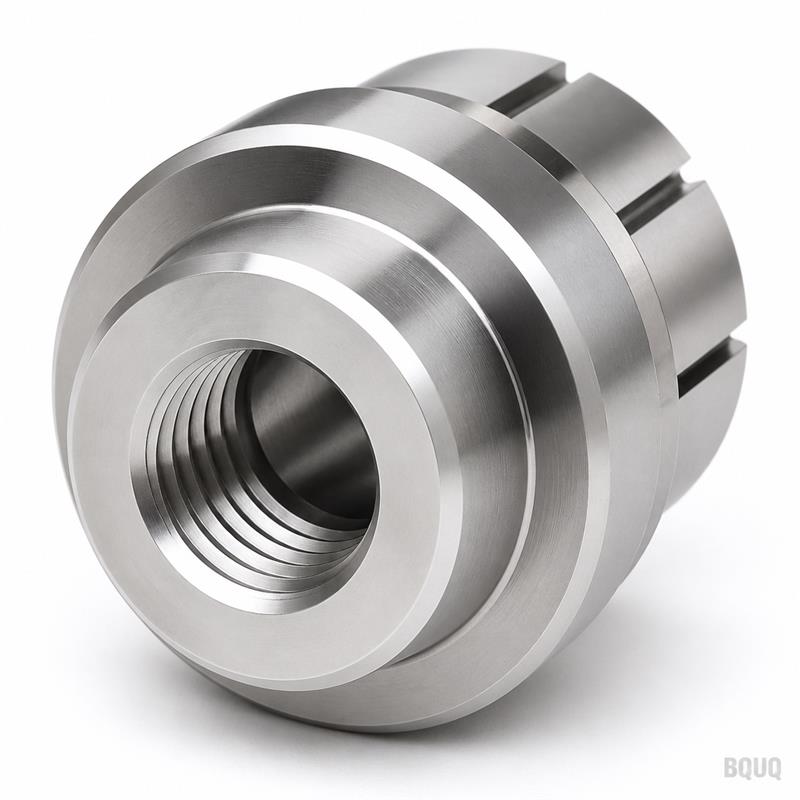
This collet chuck fits standard 52-type spindles from Citizen, Star, Tsugami, and Hanwha. The taper is ground to AT3 tolerance (0.005 mm per 100 mm), matching the spindle nose exactly. The chuck body has a 60 mm OD and 45 mm mounting length, so it drops into most tooling slots without adapter plates. If your spindle has a different nose configuration, we can machine the taper to match your drawing—send us the spindle print and we’ll confirm fit in 24 hours.
Hard Numbers: Key Specifications for Your BOM
Parameter
Value
Material (collet body)
8620 alloy steel
Material (chuck body)
4140 pre-hardened
Hardness (collet bore)
58-60 HRC
Bore diameter range
3 mm to 52 mm
Concentricity (runout)
0.005 mm TIR
Clamping repeatability
0.01 mm
Bore surface finish
0.4 µm Ra
Taper accuracy
AT3 (0.005 mm/100 mm)
Max spindle speed
8,000 RPM
Lead time
15 days (standard)
MOQ
No MOQ—order 1 piece
Why Precision Manufacturing Matters for Bar Feed Consistency
Bar stock wobble at 8,000 RPM creates centrifugal force that deflects the collet fingers. Our spring design uses a calculated finger width (0.8 mm) and slot length (25 mm) to balance grip force against centrifugal opening. This is not guesswork—we run FEA simulation on every bore size change. The result is that grip force drops by less than 5% at 8,000 RPM, keeping the bar tight and your parts within tolerance. For reference, a typical cast collet loses 20% grip at that speed, which is why you see chatter marks on your parts.
Custom Bore Profiles and Special Slot Configurations
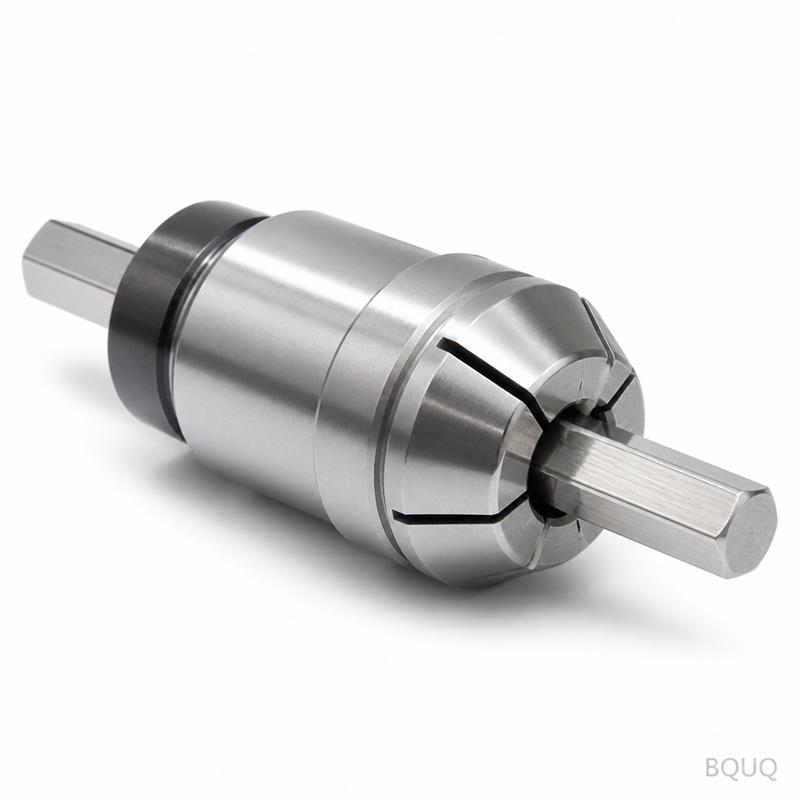
Round bores are standard, but we also machine hexagonal, square, and keyed bores for shaped stock. The spring slots can be cut with a wider gap for slotted stock or with alternating slot depths for thick-walled tubing. We’ve delivered collets with 12-slot configurations for 40 mm hex bars and with internal coolant passage holes for through-spindle coolant. If your part material is over 52 mm diameter, we have a 65-type version—but the 52-type handles the majority of auto lathe work.
What is the minimum order quantity for this collet chuck?
No MOQ—we accept single-piece orders for prototyping or emergency replacements, and the unit price stays the same.
Can you customize the bore diameter to a non-standard size?
Yes, we machine bores to any diameter between 3 mm and 52 mm in 0.01 mm increments, and we’ll hold it to ±0.005 mm.
How do you ensure quality control before shipping?
Every unit goes through CMM inspection, air-gauging of the bore, and a live spindle runout test, with a full report sent to you.
What is the standard lead time for a custom bore size?
Standard 52-type with custom bore ships in 15 days; a fully custom taper or body takes 20 days.
Before you finalize your tooling, check our CNC cutting tool selection guide to see how collet grip force interacts with tool geometry. For tolerance stack-up on your spindle and chuck, read our CNC machining tolerances guide—it explains how AT3 tapers and TIR values combine in real assemblies.
Send us your spindle drawing or bar diameter, and we’ll confirm fit and price within 12 hours. Email sc@bquq.com or WhatsApp +86 13713157787. Your drawing is the fastest path to a firm quote.