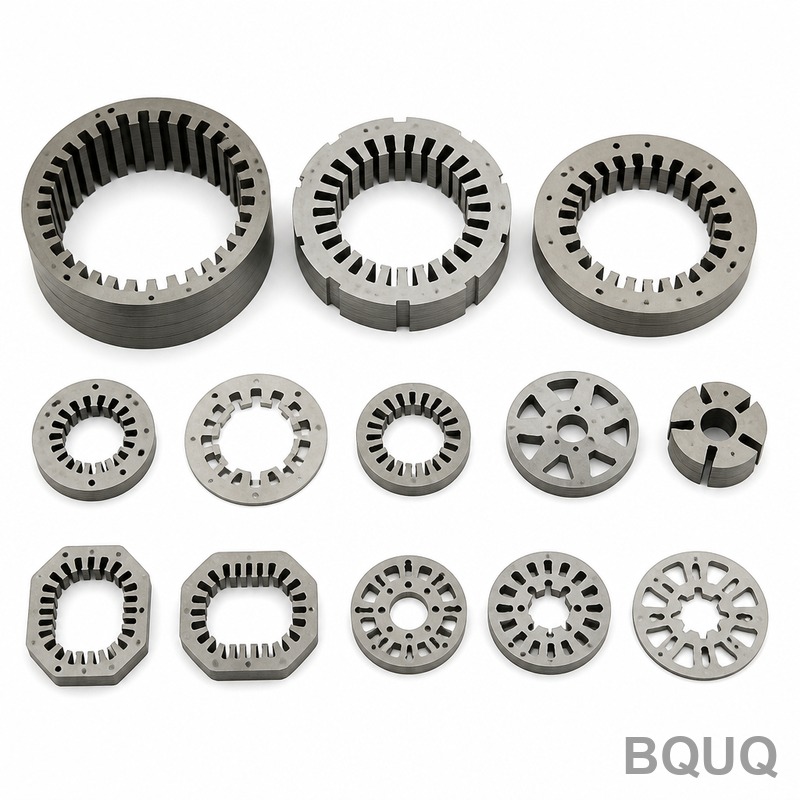
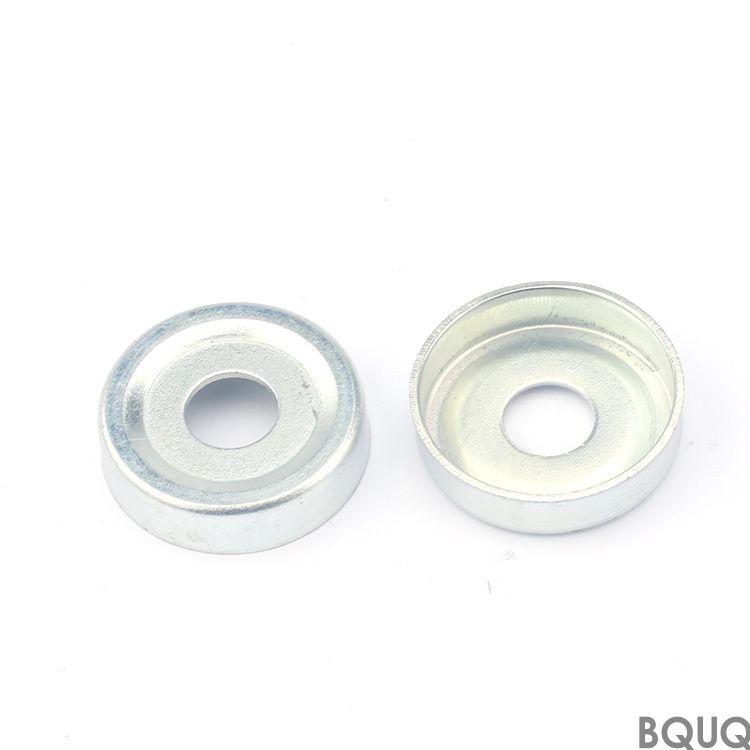
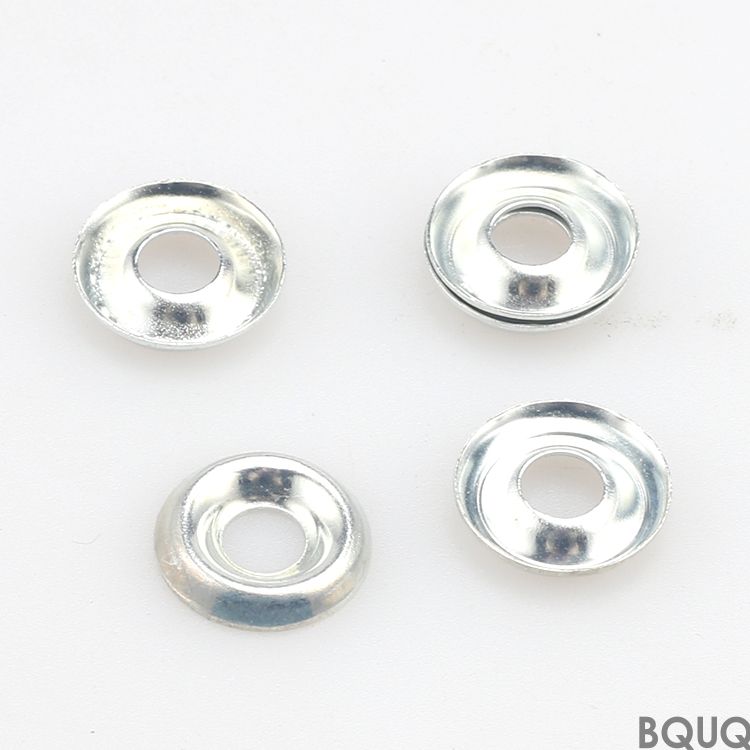
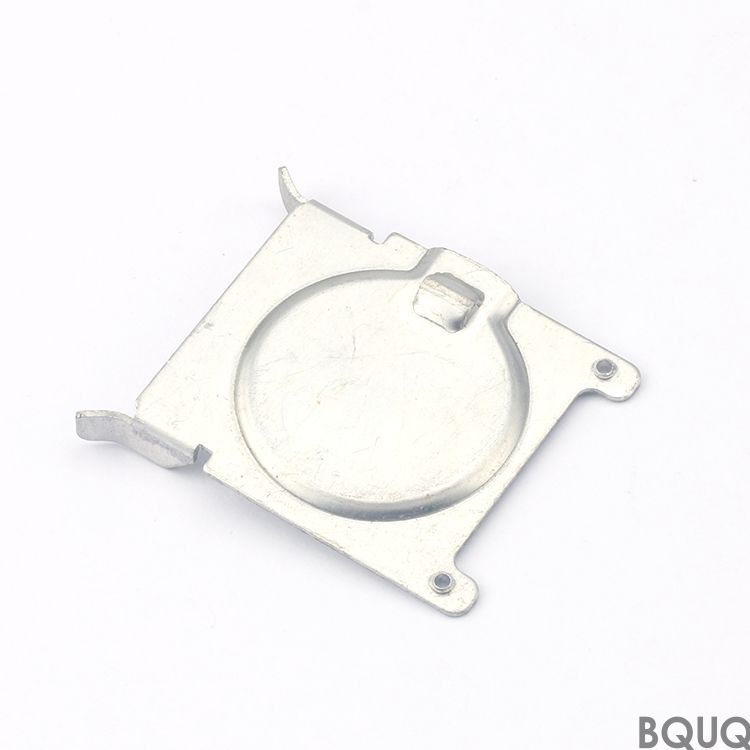
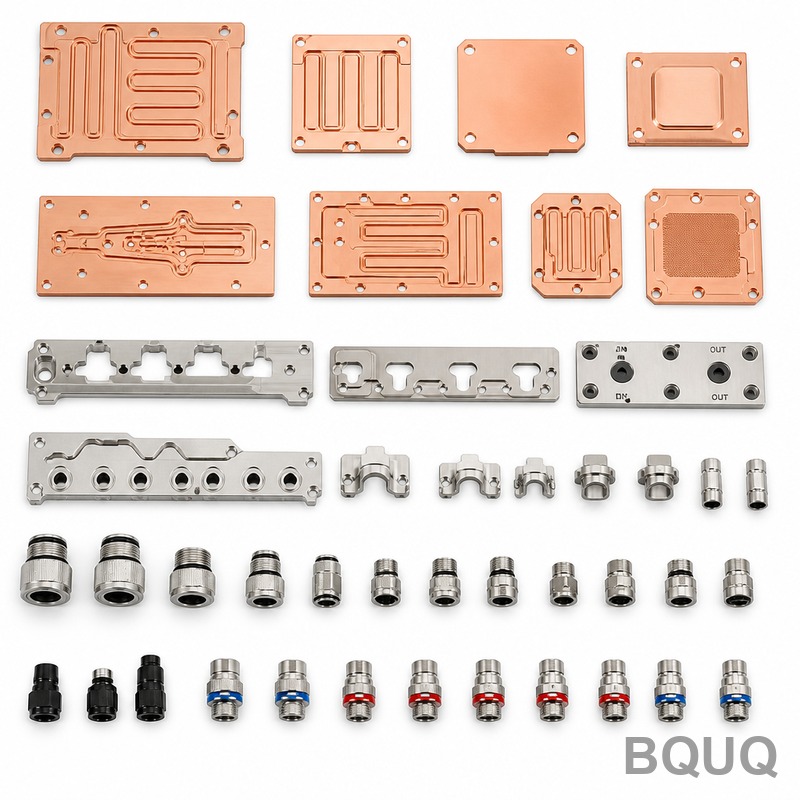
This is our Precision Motor Lamination Stampings Collection: flat, stacked, or welded stator and rotor cores punched from electrical steel. You get dimensional tolerance of 0.01 m
Precision Motor Lamination Stampings Collection | BQUQ Factory China
This is our Precision Motor Lamination Stampings Collection: flat, stacked, or welded stator and rotor cores punched from electrical steel. You get dimensional tolerance of ±0.01 mm, stack runout unde
Get a Fast Quote for This Part
Send us your drawing / quantity / material — reply within 24h.
This is our Precision Motor Lamination Stampings Collection: flat, stacked, or welded stator and rotor cores punched from electrical steel. You get dimensional tolerance of ±0.01 mm, stack runout under 0.02 mm, and a hardness profile of 130–180 HRB (or 40–50 HRC for hardened alloys). Typical lead time is 5 working days for prototype reels, and we ship from Dongguan, China, with no MOQ on first articles.
Stack Height Control and Flatness After Blanking
Lamination stacks fail when individual sheets vary in thickness or when burrs exceed 0.02 mm. Our stamping dies are ground to a clearance of 4–6% of material thickness per side, which holds burr height below 0.015 mm. We then press stacks under 300 kN of clamping force, and we measure flatness on every 10th stack using a laser micrometer. If flatness exceeds 0.05 mm per 100 mm length, the stack is rejected before welding or riveting.
Electrical Steel Grades and Insulation Coatings We Run
We stock M470-50A, M350-50A, and M250-35A non-grain-oriented silicon steels, plus 35JN210 for high-frequency motors. Coating options are C5 (inorganic) for welded stacks and C6 (organic) for glued or riveted assemblies. For high-speed rotors, we also offer 0.20 mm and 0.27 mm ultra-thin laminations with a tensile strength of 450 MPa after annealing. If you need a specific grade from JFE or Nippon Steel, we source it directly—no middleman markup.
Die Life and Burr Direction—Why It Matters for Your Motor
Burr direction changes the effective air gap between stator and rotor, which directly affects torque ripple. We set all progressive dies to push burr in a single direction (downward into the die), and we re-sharpen punches after every 100,000 hits. Die life for our motor lamination stampings averages 15 million strokes between regrinds. This gives you consistent part geometry even when you order 50,000 or 5 million pieces.
Interlock, Rivet, or Weld—We Assemble Stacks the Way You Specify
We do not just stamp loose laminations. Our in-house stacking options include dovetail interlocking (up to 200 mm stack height), through-hole riveting, and laser welding on the outer diameter. For interlocked stacks, we control the press force to 20% of material yield strength, so the interlock dimple does not distort the slot profile. For welded stacks, we use a 2 kW fiber laser and hold heat-affected zone width under 0.3 mm.
Parameter
Specification / Range
Material grades
M470-50A, M350-50A, M250-35A, 35JN210, 0.20–0.50 mm thickness
Lamination diameter
20 mm – 300 mm (stator OD up to 350 mm)
Dimensional tolerance
±0.01 mm on critical slot and bore dimensions
Stack height tolerance
±0.03 mm up to 50 mm, ±0.05 mm up to 200 mm
Burr height (max)
0.015 mm (0.0006 in)
Stack runout (OD reference)
0.02 mm TIR
Hardness (as stamped)
130–180 HRB; 40–50 HRC after optional hardening
Surface finish (Ra)
0.8 µm on cut edges, 1.6 µm on flat surfaces
Standard lead time
5 working days (prototype), 15 days (production)
MOQ
No MOQ for first article; production MOQ 5,000 pcs
Inspection Before Every Shipment—Hardness, CMM, and Eddy Current
Every lot of Precision Motor Lamination Stampings Collection goes through three checks: a Rockwell hardness test on the parent coil, a CMM scan of the first-off stack, and an eddy-current test on 2% of finished laminations to detect surface cracks. We also record the die number and coil heat number on the packing list. If you request it, we send a full inspection report with photos within 24 hours of shipment.
Secondary Operations: Slot Insulation, Annealing, and Balancing
We finish the job beyond stamping. We offer slot liner insertion (Nomex or Mylar) for stator cores, vacuum annealing at 750°C to restore magnetic permeability, and rotor balancing to grade G2.5 per ISO 1940. For rotors above 100 mm OD, we do dynamic balancing on two planes and mark the unbalance angle on the part. These steps are optional, but they reduce your assembly line rejections.
What is the minimum order quantity for the Precision Motor Lamination Stampings Collection?
There is no MOQ for first articles—we will stamp 10 pieces for your fit test, and production MOQ starts at 5,000 pieces per part number.
Can you customize the lamination shape or material grade?
Yes—send us your drawing (DXF or STEP) and we modify our progressive dies within 3 days; we also change the steel grade to any Nippon Steel or JFE equivalent you specify.
How do you control quality for high-volume orders?
We run SPC on slot width and bore diameter every 500 hits, and we do a 100% dimensional check on the last 50 stacks of each shift using a vision system.
What is your standard lead time for a stamped lamination stack?
Prototype stacks ship in 5 working days, and production orders (50,000+ pcs) ship in 15 working days after die approval.
Need a different tolerance class or a special coating? Read our CNC cutting tool selection guide to understand how tool edge geometry affects your stamped edges, and check our CNC machining tolerances guide if you are combining laminations with machined housings. Both will help you specify realistic limits for your motor project.
Send your drawing to sc@bquq.com or WhatsApp +86 13713157787. We will return a firm quote with tooling cost, piece price, and delivery date within 12 hours. Precision manufacturing, made in China, no MOQ on your first trial—just send the file.