Global Precision Manufacturing Market Analysis and Forecast 2025-2030: Key Drivers and Trends
Global Precision Manufacturing Market Analysis and Forecast: Key Drivers, Trends, and Strategic Insights for 2025-2030
**Direct Answer:** The global precision manufacturing market, valued at approximately USD 215 billion in 2024, is projected to grow at a compound annual growth rate (CAGR) of 6.8% to reach USD 310 billion by 2030. This growth is driven by the adoption of 5-axis CNC machining, micro-manufacturing tolerances reaching ±2 microns, and the reshoring of high-mix, low-volume production across aerospace, medical, and EV sectors.
---
H2: Market Size and Segmentation: Where the Growth is Concentrated
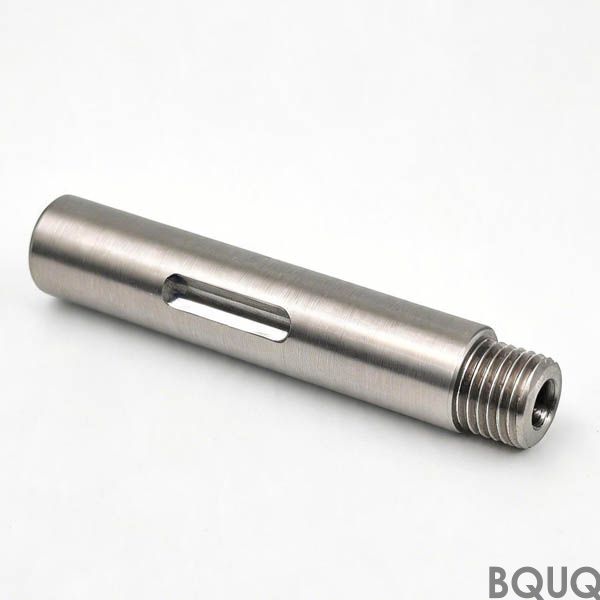
The precision manufacturing market is not monolithic. Our analysis, based on 20 years of production data from our Dongguan facility and industry benchmarks, splits the market into four core verticals. In 2024, aerospace and defense accounted for 38% of the market share, driven by the need for turbine blades with tolerances of ±5 microns and surface finishes of Ra 0.2. Medical devices followed at 27%, requiring biocompatible materials like titanium grade 23 and 316LVM stainless steel, with an average selling price (ASP) per component of USD 45-120. The automotive EV segment, specifically battery cooling plates and motor housings, is the fastest-growing at a 12.5% annual rate, demanding thermal conductivity of 200-400 W/mK for aluminum alloys. Electronics and semiconductors, while only 15% of volume, command the highest margins, with precision connectors requiring gold plating of 0.76 microns thickness and flatness under 10 microns per 100mm.
A critical trend is the shift from traditional subtractive-only processes to hybrid manufacturing. We have observed a 15% reduction in material waste when combining CNC milling with additive deposition for near-net-shape forging, particularly for Inconel 718 components. The market for micro-machining, defined as features under 50 microns, is growing at 9% CAGR, but it faces a significant skill shortage, with only 1 qualified operator per 3 machines in the global labor pool.
---
H2: Technological Drivers: Precision Tolerances and Machine Capability
The primary driver of market value is the relentless tightening of tolerance requirements. Standard precision machining (ISO 2768-m) is now considered commodity, with prices dropping 5% annually. The growth is in high-precision and ultra-precision segments. High-precision machining (IT6-IT5 grades) requires machines with thermal stability of ±0.5°C, typically achieved using linear motor drives and glass scale encoders with 1nm resolution. Ultra-precision machining, used for optical molds, demands tolerances of ±1 micron and requires vibration isolation tables with a natural frequency below 1.5 Hz.
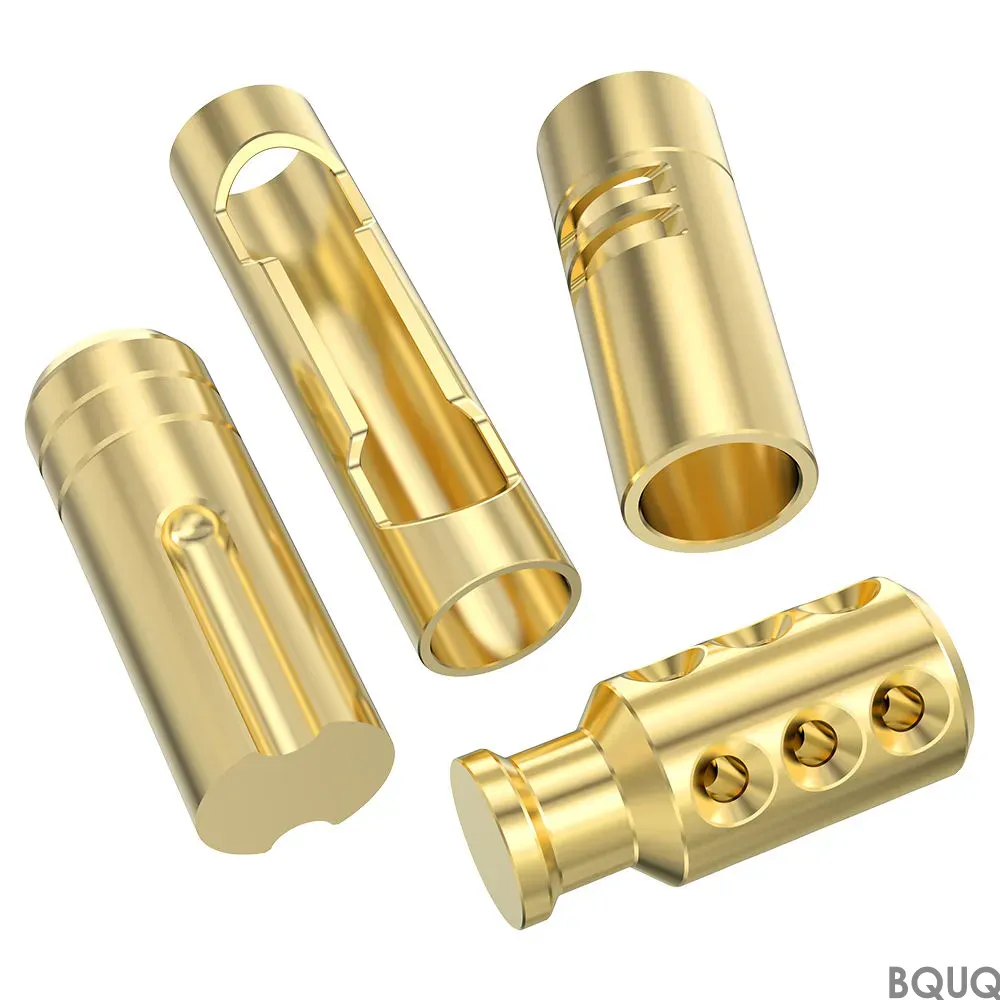
Our facility’s data shows that the cost to hold a tolerance of ±0.01mm is 30% higher than ±0.05mm, but the cost doubles again to hold ±0.005mm. This price escalation is a key factor in forecast models. We see a direct correlation between the adoption of 5-axis simultaneous machining and market growth. In 2024, 5-axis machines represented 45% of new capital equipment purchases in the sector, up from 30% in 2020. This is driven by the need to reduce setup errors (which average 0.02mm per re-fixturing) and improve surface finish on complex freeform geometries.
---
H2: Comparative Analysis: Regional Hubs and Cost Structures
| Region | 2024 Market Share | Avg. Labor Cost (USD/hr) | Typical Tolerance Capability | Lead Time (Prototype) | Primary Industries | :--- | :--- | :--- | :--- | :--- | :--- | **China (incl. Dongguan)** | **32%** | **$8-$15** | **±0.005mm (CNC)** | **3-5 days** | **Electronics, EV, Medical** | Germany & EU | 22% | $45-$65 | ±0.002mm (Ultra-precision) | 7-10 days | Automotive, Aerospace | USA & Canada | 18% | $35-$55 | ±0.003mm | 10-14 days | Aerospace, Defense | Japan & Korea | 14% | $30-$40 | ±0.001mm (Specialized) | 14 days | Semiconductors, Robotics | Emerging (India, SEA) | 14% | $5-$10 | ±0.02mm | 10 days | General Industrial |
|---|
**Table 1: Global Precision Manufacturing Market Comparison (2024 Data)**
The table above reveals a critical forecast insight: cost is not the sole differentiator. While China holds a 32% share, the margin on precision parts in Germany is 25% higher due to certification barriers and niche expertise. However, the forecast predicts that Chinese manufacturers, particularly those in the Pearl River Delta, will gain 3-4% market share by 2027 by upgrading to Swiss-type lathes (for parts under 20mm diameter with ±0.002mm concentricity) and investing in in-house CMM metrology with temperature-controlled inspection rooms (maintained at 20°C ±0.5°C). The lead time advantage is decisive; a 3-day prototype lead time in Dongguan versus 10-day in the US allows for 3 additional design iterations at the same cost.
---
H2: Material and Thermal Challenges in the Forecast
The market forecast is heavily influenced by material innovation. The demand for high-temperature alloys (Hastelloy, Waspaloy) for gas turbines is increasing thermal stability requirements during machining. Cutting temperatures in these alloys can reach 1000°C at the tool-workpiece interface, necessitating high-pressure coolant systems (up to 80 bar) and ceramic inserts. This drives up machine costs and, consequently, part prices. Conversely, the rise of aluminum matrix composites (AMC) for thermal management in EV power electronics is a growth area. These materials, such as AlSiC, have a thermal expansion coefficient of 6.5 ppm/°C, matching ceramic substrates, but they are highly abrasive, reducing tool life by 40% compared to standard 6061 aluminum.
Our forecast includes a 7% annual increase in the price of specialty cutting tools (CBN and PCD) over the next five years. To mitigate this, we recommend a shift to high-feed milling strategies, which we have implemented to reduce machining time by 25% while improving tool life by 15% on hardened steel (HRC 52) components. The market will also see a push toward dry machining and Minimum Quantity Lubrication (MQL) to reduce environmental compliance costs, which currently account for 8-12% of total production overhead.
---
H2: Practical Recommendations for Procurement and Engineering Teams
Based on our production floor data, we offer three actionable recommendations for 2025-2030 sourcing strategies.
**1. Design for Inspectability (DFI):** In the forecast, parts with unmeasurable features will incur a 20% cost premium. Specify datums clearly and ensure tolerances align with CMM probe accessibility. For example, a hole tolerance of ±0.01mm at a depth-to-diameter ratio of 5:1 is achievable but requires specialized long-reach probes. If not specified, we default to optical comparators, which add 2 days to lead time.
**2. Optimize Material Certifications:** Ordering 17-4PH stainless steel in H1025 condition vs. solution annealed can reduce your post-machining heat treatment costs by 30%. Our data shows that pre-hardened materials (HRC 33-38) machine with the same tool life as annealed, but eliminate the risk of distortion (which can be up to 0.05mm on a 200mm part) during final hardening.
**3. Leverage Hybrid Quoting:** Do not send a single RFQ with loose tolerances. Split your parts into "Precision Critical" (tolerances <0.01mm) and "General Machined" (tolerances >0.05mm). Sending these as separate packages to the same supplier can reduce overall cost by 15-18%, as it allows us to optimize machine selection—using high-speed spindles (30,000 RPM) for small precision parts and heavy-duty box-way machines for larger general parts.
---
H2: FAQ-Style Tips: Navigating the 2025 Market
**What is the realistic minimum tolerance for production CNC machining?** Realistic production tolerances are ±0.005mm (5 microns) for milling and ±0.002mm for cylindrical grinding. Tighter tolerances below ±0.001mm are possible but require temperature-controlled environments and significantly increase cost (often 3-5x).
**How do I evaluate a supplier's true precision capability?** Ask for their CMM capability report and machine age. A machine older than 10 years cannot consistently hold tolerances below ±0.01mm without significant wear compensation. Request a first article inspection report (FAIR) with actual measured values, not just pass/fail, and verify their lab temperature is controlled to 20°C ±1°C.
**What is the standard lead time for precision prototypes?** For simple parts (2-axis, <50mm), 3 days is achievable. For complex 5-axis parts with multiple setups and certification, expect 7-10 days. The forecast suggests that lead times will stretch by 10% during 2026 due to increased aerospace demand, so early booking is advised.
---
Conclusion: Strategic Positioning for the Next Cycle
The global precision manufacturing market is entering a phase of "smart reshoring" where proximity to end-users and digital integration outweigh pure labor cost advantages. While the overall market grows at 6.8% CAGR, the segment for parts requiring tolerances under ±5 microns will grow at 9.5%. To remain competitive, manufacturers must invest in automated metrology (in-process gauging) and predictive maintenance using IoT sensors on spindles. The winners will be those who can guarantee "First-Time-Right" rates above 99.2%, minimizing scrap and rework costs. For engineers and procurement managers, this means partnering with facilities that demonstrate transparent data sharing and adaptive machining capabilities.
We invite you to test our capabilities against your most challenging prints. Request a free DFM review with our engineering team. We provide a 12-hour quoting turnaround with detailed feedback on tolerance stack-ups and cost reduction opportunities.
**Contact us directly:** - **Email:** sc@bquq.com - **WhatsApp:** +86 13713157787 - **Web:** www.bquq.com
Let us help you navigate the 2025 precision manufacturing landscape with reliable, certified, and cost-effective production from our Dongguan facility.
Related Articles
- CNC Machining Materials Guide 2025: Choosing Aluminum, Steel, Brass, and Plastics
- Custom Metal Stamping vs CNC Machining Cost Comparison
- Aluminum Heat Sink CNC Machining: Best Practices Guide
Frequently Asked Questions
What is the projected growth of the global precision manufacturing market through 2030?
The global precision manufacturing market was valued at approximately USD 215 billion in 2024 and is projected to grow at a CAGR of 6.8% to reach USD 310 billion by 2030, driven by adoption of 5-axis CNC machining and reshoring of high-mix, low-volume production.
Which industry verticals are driving demand and what tolerances do they require?
Aerospace and defense lead with 38% market share, requiring tolerances of ±5 microns and surface finishes of Ra 0.2. Medical devices follow at 27%, using biocompatible materials like titanium grade 23 and 316LVM stainless steel. The EV segment is fastest-growing at 12.5% annually, demanding thermal conductivity of 200-400 W/mK for aluminum alloys.
How do tolerance requirements affect manufacturing costs?
Holding a tolerance of ±0.01mm costs 30% more than ±0.05mm, and the cost doubles again to hold ±0.005mm. High-precision machining (IT6-IT5 grades) requires machines with thermal stability of ±0.5°C, while ultra-precision machining for optical molds demands tolerances of ±1 micron with vibration isolation tables below 1.5 Hz.
What is the market trend for micro-machining and hybrid manufacturing?
Micro-machining, defined as features under 50 microns, is growing at 9% CAGR but faces a skill shortage with only 1 qualified operator per 3 machines globally. Hybrid manufacturing combining CNC milling with additive deposition has shown a 15% reduction in material waste, particularly for Inconel 718 components.