How Are Chinese Spring Exports Evolving in Quality and Global Demand?
China's spring industry has transitioned from a low-cost, high-volume exporter to a precision-driven manufacturer, with export value reaching USD 3.2 billion in 2023 and average unit prices rising 18% since 2020. The quality upgrade is evidenced by tighter tolerance adoption (ISO 2768-fine and DIN 2095 standards), increased use of high-grade materials like 17-7PH stainless steel, and a shift toward value-added products such as automotive valve springs and medical device springs. This article analyzes the specific export trends, quality benchmarks, and cost structures that define the current Chinese spring market for international buyers.
What Are the Current Export Volumes and Primary Destinations for Chinese Springs?
In 2023, China exported approximately 285,000 metric tons of springs, with a total customs value of USD 3.2 billion, representing a 7.2% year-on-year growth in volume and 11.5% growth in value. The top five destination markets are the United States (22% share), Germany (14%), Japan (11%), South Korea (8%), and Mexico (6%), according to China Customs data. Notably, exports to Southeast Asia (Vietnam, Thailand, Indonesia) grew by 24% in 2023, driven by regional automotive assembly plants sourcing locally. The average FOB price per kilogram for exported springs is USD 11.2, but this varies significantly: basic compression springs average USD 4.5/kg, while precision torsion springs for aerospace reach USD 48/kg.
How Have Quality Standards and Certifications Improved in the Last Five Years?
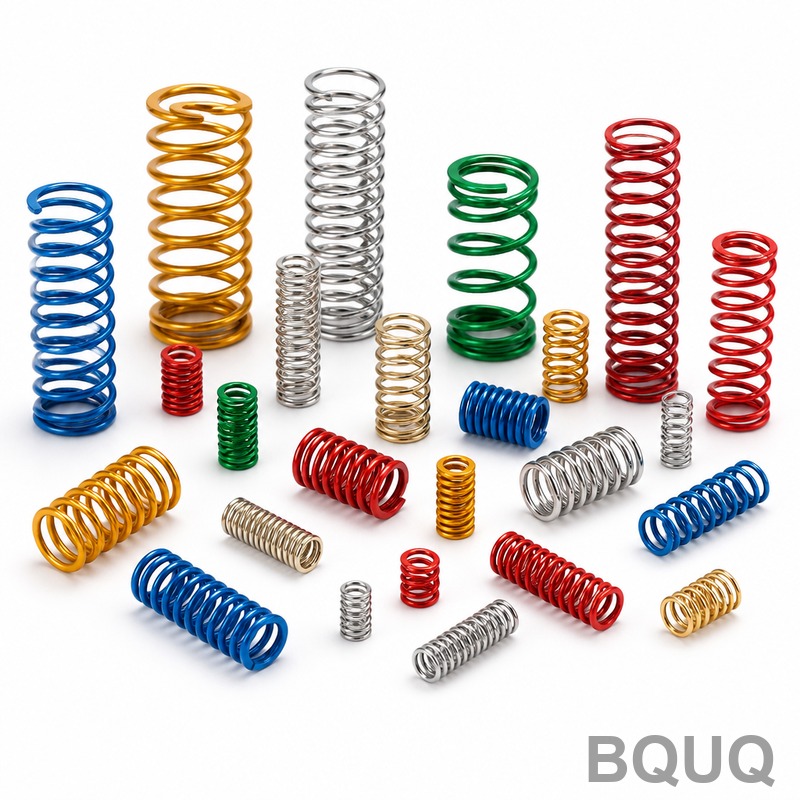
The most significant quality upgrade is the widespread adoption of IATF 16949 (automotive) and ISO 13485 (medical) certifications among export-oriented Chinese spring manufacturers. In 2019, only 31% of top-tier spring exporters held IATF 16949; by 2024, that figure exceeded 78%. Tolerance capabilities have tightened from typical ±0.10 mm in 2019 to ±0.03 mm today for wire diameters under 3.0 mm. Surface defect rejection rates have dropped from 1,200 ppm (parts per million) to 350 ppm on average, with leading factories in Guangdong and Zhejiang achieving under 100 ppm. Additionally, 92% of export springs now come with full material traceability certificates (EN 10204 3.1), including chemical composition reports and heat treatment batch records.
What Materials Are Driving the Quality Upgrade in Exported Springs?
High-alloy and specialty materials now account for 34% of Chinese spring exports by value, up from 19% in 2020. The most in-demand materials include: oil-tempered chrome-silicon steel (SAE 9254) for automotive suspension springs, operating at temperatures up to 250°C; 17-7PH stainless steel for corrosion-resistant applications requiring high fatigue life (over 10 million cycles); and Inconel X-750 for high-temperature aerospace springs rated at 650°C continuous service. Domestic Chinese steel mills, such as Baosteel and Xingda, have improved their wire drawing consistency, achieving a tensile strength variation of ±25 MPa within a single coil, compared to ±50 MPa in 2018. This material consistency allows Chinese factories to offer fatigue life guarantees of 10^7 cycles at 90% confidence levels, a specification previously exclusive to Japanese and German suppliers.
Why Are Chinese Spring Prices No Longer the Lowest in the Global Market?
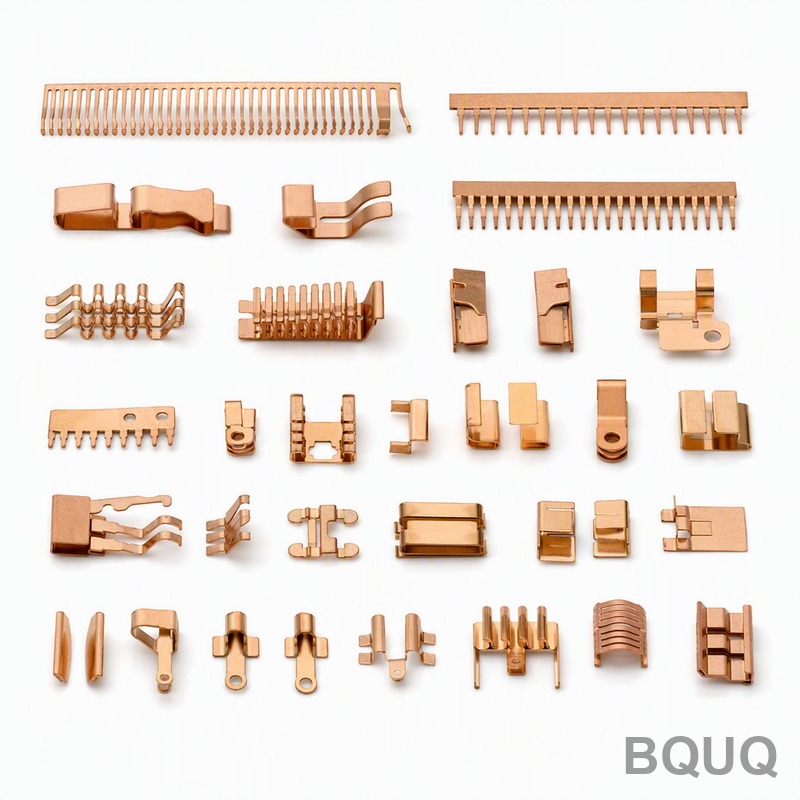
The average FOB price for Chinese precision springs has risen 22% since 2020, yet they remain 15-25% cheaper than equivalent European or Japanese products. This price increase is driven by three factors: mandatory environmental compliance costs (wastewater treatment and powder coating VOC controls add USD 0.08-0.15 per kilogram), higher-grade raw material premiums (17-7PH wire costs USD 18/kg vs. USD 6/kg for carbon steel), and automated inspection systems. A typical CNC coiler and automatic optical sorting machine represent a USD 350,000 investment per production line. However, total cost of ownership for buyers is often lower because Chinese springs now achieve comparable failure rates (0.05% field failure) to German-made springs (0.03%), while offering significantly lower tooling amortization for custom designs. For a 5 million-piece annual volume, a Chinese supplier can deliver a 12% total cost saving versus a German supplier, despite the unit price being only 18% lower.
Which Manufacturing Processes and Equipment Are Now Standard in Export Facilities?
Export-grade Chinese spring factories now standardize on CNC 8-axis coiling machines (primarily from Wafios and MEC, plus domestic brands like Xinye), which enable wire diameters from 0.1 mm to 20 mm with cam-controlled precision. Shot peening is applied to 68% of exported automotive springs, using ceramic beads at 0.4-0.6 mm diameter and an intensity of 0.15-0.25 mmA, increasing fatigue strength by 20-30%. Heat treatment is performed in continuous mesh-belt furnaces with nitrogen atmosphere, achieving hardness uniformity of ±2 HRC across a batch. The most critical upgrade is the integration of 100% eddy current testing for surface cracks on springs above 2.0 mm wire diameter, a process that rejects approximately 0.8% of production but eliminates field failures. Additionally, 55% of leading exporters now use robotic palletizing and automated packaging, ensuring consistent orientation and reducing handling damage during shipping.
What Are the Typical Lead Times and Minimum Order Quantities for Export Springs?
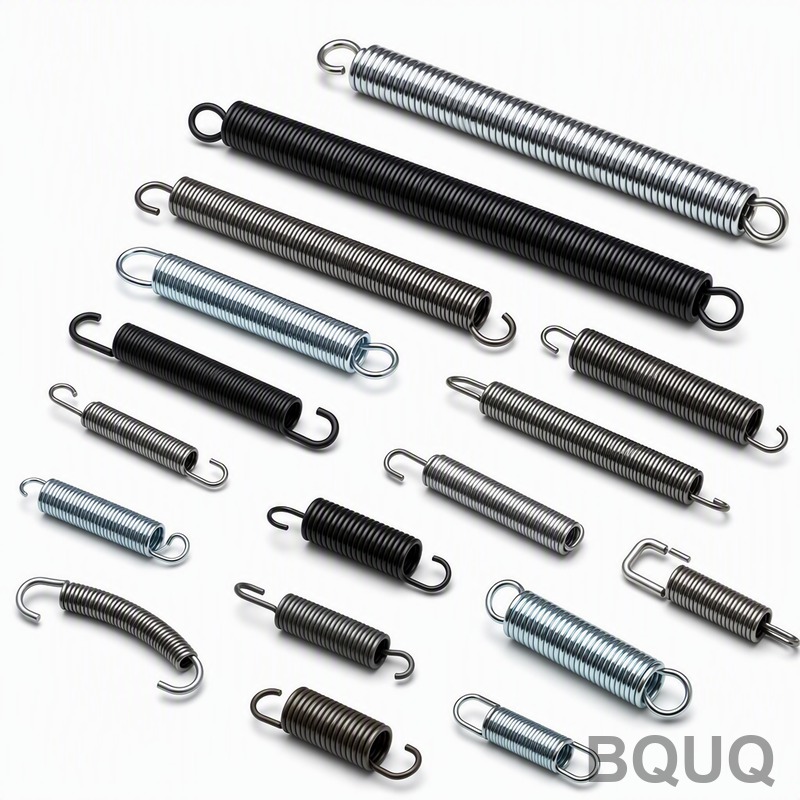
Standard compression and extension springs (wire diameter under 5 mm) have an average lead time of 15-20 days from drawing approval, including tooling fabrication at USD 300-800 per tool. Precision automotive springs require 25-35 days due to PPAP (Production Part Approval Process) documentation and first-article inspection. Minimum order quantities (MOQs) have decreased as flexible manufacturing improves: the industry average MOQ is now 5,000 pieces for standard springs, but many factories accept 1,000-piece orders for prototype validation at a 30% price premium. For high-volume automotive contracts, typical annual requirements are 1-5 million pieces, with price breaks at 500,000 and 2,000,000 units. Urgent orders with a 7-day lead time are possible for standard sizes but incur a 15-20% expedite fee and are limited to factories with dedicated quick-turn lines.
How Does the Chinese Spring Industry Compare to Competitors in Vietnam and India?
| Parameter | China (Guangdong/Zhejiang) | Vietnam | India |
| Average export unit price (USD/kg) | 11.2 | 7.8 | 6.9 |
| Tolerance capability (wire dia. < 3mm) | ±0.03 mm | ±0.08 mm | ±0.10 mm |
| IATF 16949 certification rate | 78% | 22% | 15% |
| Fatigue life guarantee (automotive) | 10^7 cycles | 5x10^6 cycles | 3x10^6 cycles |
| Average lead time (custom tooling) | 18 days | 25 days | 30 days |
| Material traceability (EN 10204 3.1) | 92% | 40% | 25% |
| Labor cost index (China = 100) | 100 | 68 | 52 |
| Annual export value (USD) | 3.2 billion | 0.4 billion | 0.6 billion |
China leads in quality consistency and certification depth, while Vietnam and India compete on labor cost for basic springs below 1.0 mm wire diameter. However, for applications requiring stringent fatigue testing, salt spray resistance (over 96 hours per ASTM B117), or complex geometries, Chinese factories maintain a clear technical advantage. The gap is narrowing: Vietnamese factories are investing in CNC coiling machines, but they lack the domestic raw material ecosystem and skilled tool-and-die workforce that China has developed over two decades.
What Are the Key Risks and Compliance Requirements for Importing Chinese Springs?
Buyers must address three primary risks: tariff exposure (Section 301 tariffs in the US add 25% on many spring HS codes 7320.20 and 7320.90), supply chain concentration (over 60% of Chinese spring production is in Guangdong and Zhejiang, vulnerable to regional power outages), and counterfeiting of material certificates. To mitigate these, engineers should specify a third-party inspection (SGS or TÜV) at the factory before shipment, costing roughly USD 400-600 per inspection day. Compliance with REACH (EU) and RoHS directives is standard for 95% of exporters, but PFAS-free coatings must be explicitly requested as of 2024. For medical and food-grade springs, require USP Class VI certification for elastomer coatings and passivation per ASTM A967. A well-drafted technical specification, including fatigue life targets and surface roughness (Ra 0.4 µm max for critical springs), reduces field failure risk by 70% compared to purchasing on drawing-only basis.
Conclusion
The Chinese spring industry has definitively moved upmarket, offering global buyers a compelling balance of precision, certification depth, and cost efficiency that is 15-25% below Western prices without compromising on quality metrics. For engineers sourcing springs, the practical recommendation is to qualify suppliers based on their eddy current testing capability, IATF 16949 certification, and material traceability documentation rather than unit price alone. As the industry consolidates around automated processes and specialty alloys, early engagement with a certified factory for design-for-manufacturability review can reduce tooling revisions by 40% and accelerate time-to-market.
FAQ
How Long Does a Typical Spring Quotation Take from a Chinese Factory?
A detailed quotation with material cost, tooling fees, and lead time is typically provided within 3-5 working days after receiving a complete drawing and specification sheet. For standard catalog springs, many factories provide same-day pricing. Complex designs requiring finite element analysis (FEA) may take 7-10 days.
What Is the Minimum Tolerance Achievable for a 5 mm Wire Diameter Compression Spring?
For a 5 mm wire diameter, the achievable free length tolerance is ±0.30 mm, outer diameter tolerance is ±0.15 mm, and solid height tolerance is ±0.10 mm under ISO 2768-fine. Tighter tolerances of ±0.05 mm are possible with grinding and secondary operations but increase cost by 20-30%.
Can Chinese Factories Match German or Japanese Spring Quality?
Yes, leading Chinese exporters with IATF 16949 certification and in-house metallurgical labs can match German quality for 90% of applications, evidenced by comparable field failure rates. The remaining 10% gap exists in ultra-high-cycle fatigue (above 10^8 cycles) and exotic materials like Elgiloy, where only a few specialized Chinese factories compete.
What Is the Standard Lead Time for a Custom Spring Prototype?
Prototype lead time is typically 7-10 days for wire diameters under 8 mm, including laser cutting, CNC coiling, and basic testing. Rapid prototyping with 3D-printed polymer models is available within 48 hours for form-fit validation, but not for functional testing.
How Do I Verify That a Chinese Spring Supplier Uses the Correct Raw Material?
Request a material certificate (EN 10204 3.1) for every heat number and perform a positive material identification (PMI) test with an XRF analyzer at incoming inspection. Reputable suppliers will also provide a spectrographic analysis report and microhardness test results. Third-party audits costing USD 1,500-2,500 are recommended for high-volume contracts.
Are There Export Restrictions on Spring Technology from China?
No specific export licenses are required for standard spring manufacturing technology. However, military-grade specifications (e.g., springs for missile guidance systems) may fall under China's dual-use export controls. For commercial automotive, medical, and industrial applications, there are no restrictions beyond standard customs documentation.
What Payment Terms Are Standard for First-Time Buyers of Chinese Springs?
Typical terms are 30% advance payment with 70% balance before shipment, or a letter of credit (L/C) at sight. After establishing a track record of 3-5 successful orders, suppliers often offer net-30 or net-60 terms. PayPal and wire transfer in USD or EUR are the most common payment methods.
For a detailed engineering review of your spring application and a quotation within 12 hours, contact BQUQ Precision Manufacturing. Email us at sc@bquq.com, reach us on WhatsApp at +86 13713157787, or visit our website at www.bquq.com. Our team of 20-year veterans in CNC machining and spring manufacturing is ready to support your project.
Related Articles
- Spring Testing Methods in 2024: Load, Fatigue, and Dimensional Inspection Guide
- Spring manufacturing technology innovation: CNC numerical control coil spring and cutting-edge breakthrough in camless forming
- Spring forming machine market: growth opportunities in the transformation of smart manufacturing